Health, hospital(ity) and hegemony: Artistic agencies of two women weavers at Ceza, 1962
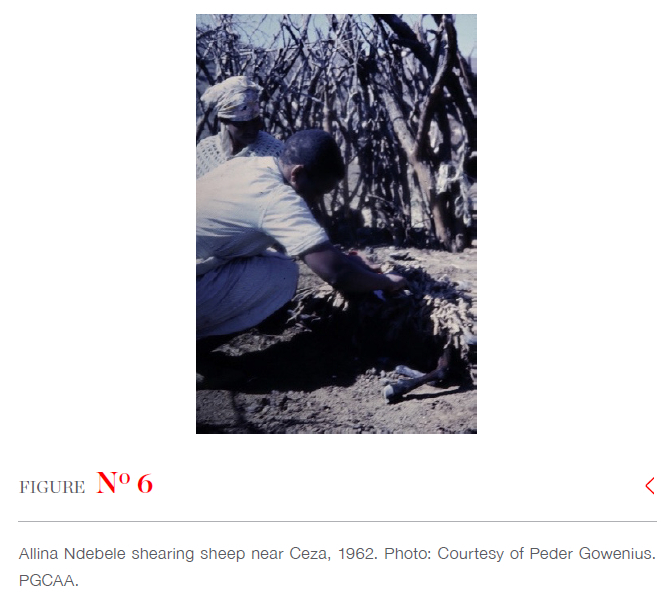
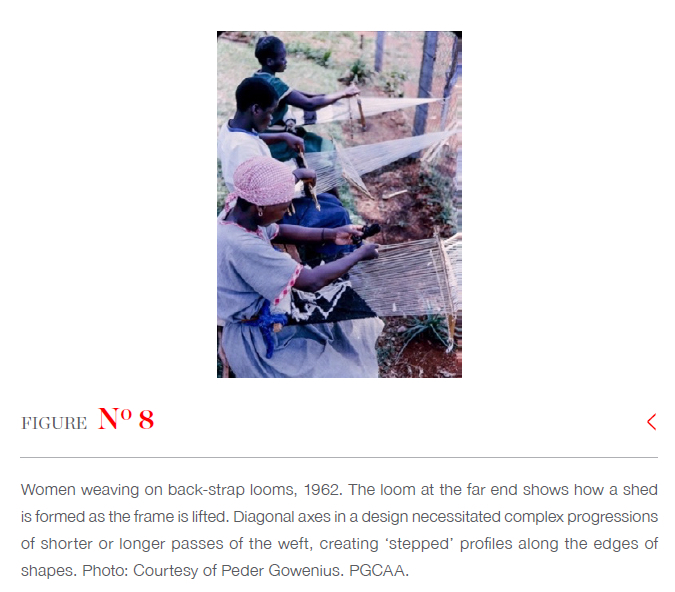
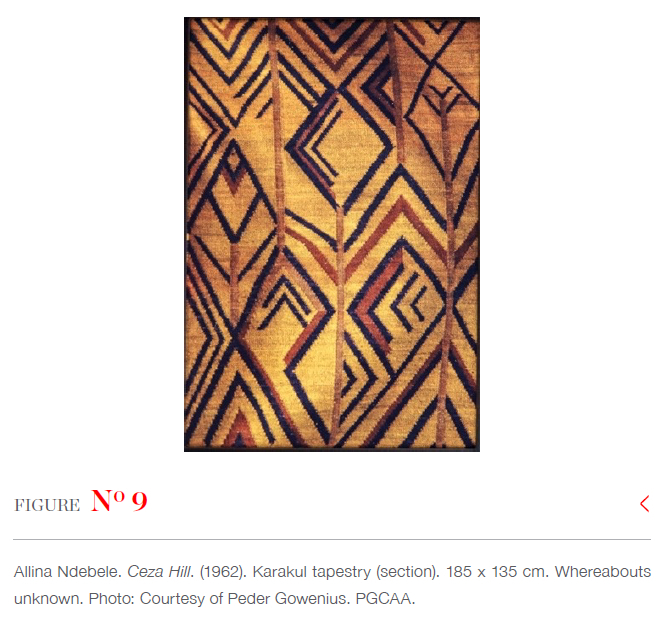
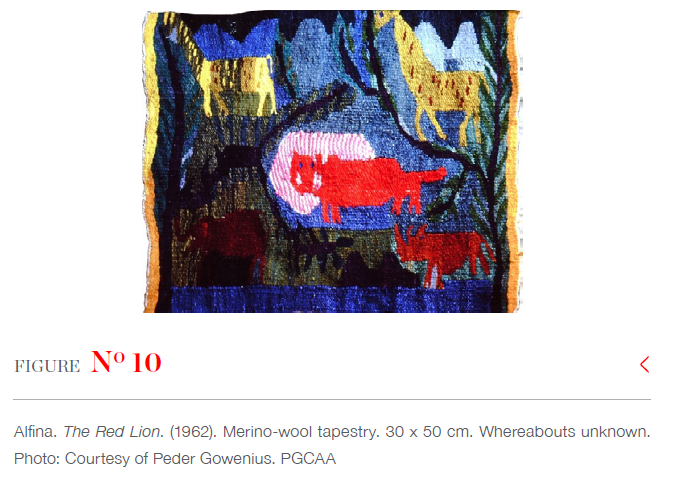
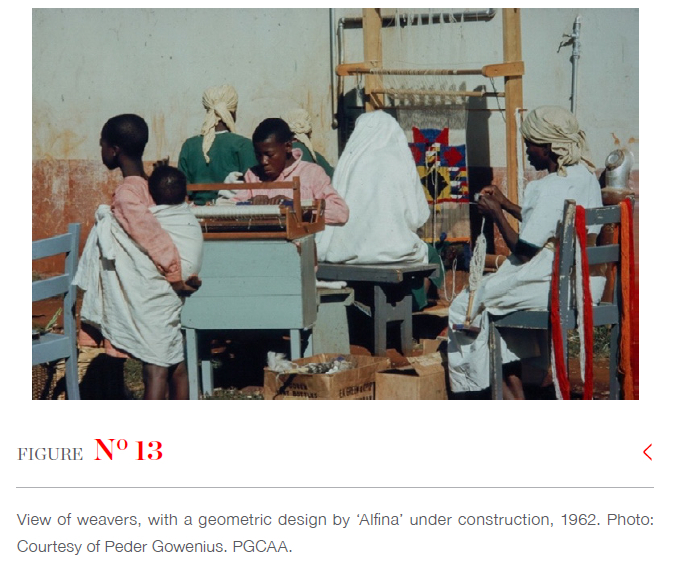
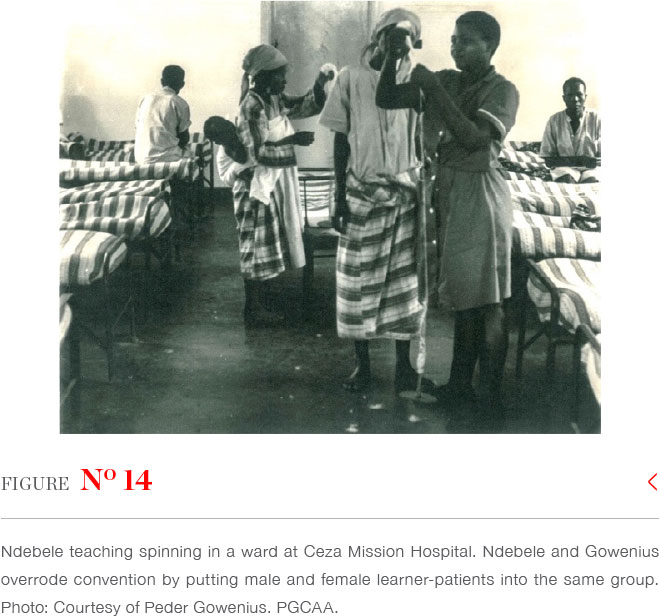
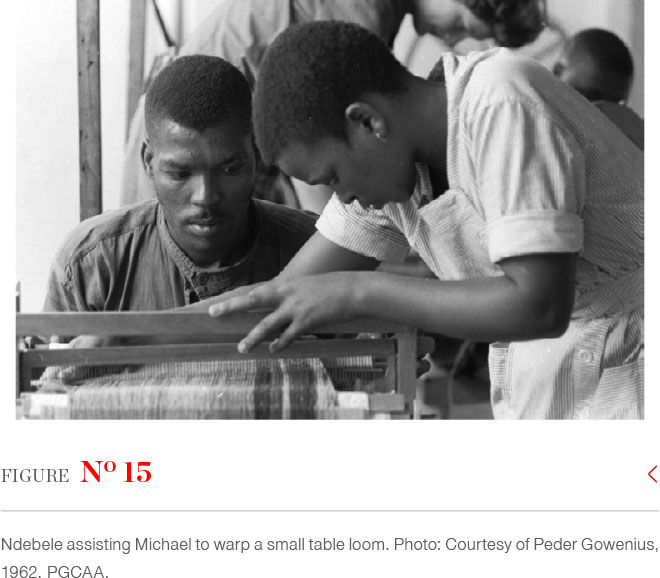
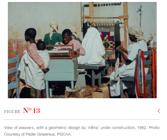
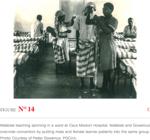
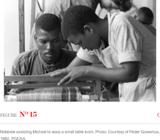
Art history has yet to accord recognition to two women for their pivotal roles at a small tapestry-weaving project at Ceza Mission Hospital in rural South Africa in 1962. As I argue below, it was largely the agencies of Allina Ndebele from rural KwaZulu-Natal and Ulla Gowenius from Sweden that laid the groundwork for what would later evolve into a renowned tapestry centre at Rorke's Drift. Although representations depicted Ceza as idyllic, the women pursued this venture in what was a coercive environment, in which a rural black community was marginalised not merely by disease, but forms of power that included racial oppression, doctrine, patriarchy, social convention and biomedicine. This account recovers details of Ndebele and Gowenius's inventive interactions and accords subjectivity to convalescent weavers disenfranchised by modalities of social control, in turn disrupting homogenising notions of this pedagogic milieu as a duality of empowered trainers and those directed by them. Exposing the conditions in which the project was fostered, I situate the venture in a context of mid-century Swedish philanthropy, interrogating previous representations of Ceza as an outcome of benign modernity and the project as the fruits of foreign expertise.
Ceza; weaving; Allina Ndebele; Ulla Gowenius
 Thumbnail
 Thumbnail
 Thumbnail
 Thumbnail
 Thumbnail
 Thumbnail
 Thumbnail
 Thumbnail
 Thumbnail
 Thumbnail
 Thumbnail