Beyond structure: Cultivating a culture-driven doctoral programme
Abstract
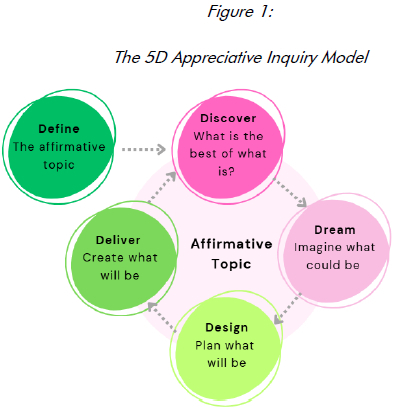
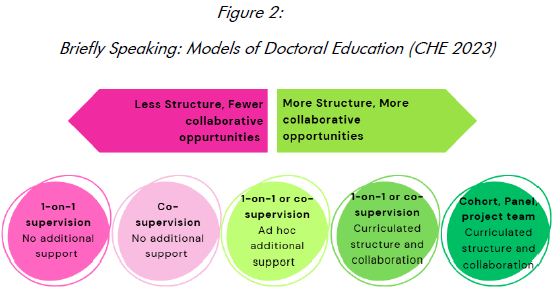
For decades, concerns have been raised about the dominance of one-on-one or co-supervision models of postgraduate education in the Humanities and Social Sciences in South Africa. These concerns highlight poor throughput and retention, financial constraints, supervisor capacity challenges, and the isolation experienced by both candidates and supervisors. Using an Appreciative Inquiry lens, this article examines the design of a programme in which 10 university staff members undertook PhD studies focused on social justice and quality in higher education. The programme incorporated coursework, supervision panels, 'Doc Weeks', online communities, and regular progress presentations and reporting. The article argues that while such curriculum structures are important, they are insufficient on their own to address challenges in postgraduate education. Instead, the cultural norms and values embedded in the programme, and the ways in which these were made explicit, were central to its success. The findings offer practical insights into structuring a PhD programme and, more importantly, demonstrate the need for these structures to be underpinned by a shared culture. Key values included spaces for testimonial justice, collective rather than solely individual success, and spaces for failure without fear, recognising error as part of learning.
doctoral education; Appreciative Inquiry; supervision models; postgraduate curriculum design; culture
 Thumbnail
 Thumbnail