Social media applications as pedagogical tools for teaching
Abstract
Social media applications are increasingly prevalent, yet their educational potential remains underexplored. While these platforms can enhance communication and collaboration in formal and informal learning environments, their effective integration into education requires further investigation. Guided by the Technological Pedagogical Content Knowledge (TPACK) framework, this study examines how seven Grade 6 and 7 teachers at a public primary school in Cape Town, South Africa, integrated social media platforms like WhatsApp, YouTube, TikTok, Facebook, and Instagram into their lessons. Although literature highlights the benefits of social media in boosting student motivation and confidence, its role in primary education remains limited. This qualitative case study explored teachers' integration of social media tools and their impact on learning outcomes. Purposive and convenience sampling were used to select participants in a socioeconomically diverse school. Data were gathered through questionnaires, lesson plan analysis, and semi-structured interviews, offering a detailed understanding of teachers' experiences. While WhatsApp was frequently used, YouTube and TikTok were the preferred platforms, promoting creativity, collaboration, and student engagement. The findings suggest that while social media positively impacts educational outcomes, challenges persist due to limited training and technological knowledge. Further research should explore the long-term effects, the role of professional development, and the potential use of social media in summative assessments to enhance dynamic learning environments.
pedagogy; pedagogical tools; social media; teaching and learning; Technological Pedagogical Content Knowledge (TPACK) framework
INTRODUCTION
The rise of technology and e-learning continues to transform teaching and learning practices (Kumar & Nanda, 2020), making it likely that learners will increasingly use these tools in future classrooms and workplaces (Camilleri & Camilleri, 2020). Social media applications, in particular, can enhance educational experiences by actively engaging learners in the learning process (Devi et al., 2019). These platforms offer students opportunities for self-expression and communication, making them attractive as learning tools (Chung et al., 2019).
In recent years, social media has evolved into a pivotal medium for communication, serving as a primary interaction channel for individuals across various age groups (Devi et al., 2019). With the ubiquity of smartphones and other smart devices, adults and children have seamless access to various social media platforms (Brodersen et al., 2022). This pervasive use is particularly evident among students, who devote substantial time to these digital environments. While concerns have been raised about social media's potential to distract students from their academic responsibilities (Umar & Idris, 2018), there is growing recognition of its potential to be harnessed as a tool for enhancing educational outcomes. This study investigates how teachers strategically integrate social media applications into their teaching practices to optimise learning experiences, thereby turning a perceived challenge into a pedagogical advantage.
Within the South African public school context, recent national and provincial initiatives have placed renewed emphasis on the integration of digital technologies to support curriculum delivery and learner engagement. At national level, the Department of Basic Education (DBE), in collaboration with the Department of Communications and Digital Technologies, has formed a Digital Education Strategy that prioritises school connectivity, access to digital devices, and the development of teachers' digital competencies (DBE, 2025). This strategy builds on earlier policy frameworks by placing digital technologies as tools to support and enhance teaching and learning, rather than as standalone technical skills (Department of Basic Education, 2025). Similarly, provincial education departments have allocated funding towards ICT roll-out programmes, including the provision of devices, classroom technologies, and internet connectivity in public schools; however, implementation continues to vary considerably across provinces and school contexts (Mnisi, 2024; Muyambi, 2025). Despite these initiatives, recent studies continue to report uneven access to infrastructure, persistent data constraints, and limited pedagogical training for teachers, which restrict the effective integration of technology in everyday classroom practice (Msambwa, 2024; Ntsobi & Ntsobi, 2025). As a result, teachers often rely on widely accessible, low-data platforms such as WhatsApp and YouTube to support communication, content delivery, and learner participation.
Social media platforms have existed for decades, with SixDegrees.com recognised as the first notable social networking site due to its pioneering features such as user profiles and friend lists (Boyd & Ellison, 2008). Since then, the social media landscape has expanded and diversified significantly, with platforms like X (formerly Twitter), Instagram, YouTube, and TikTok becoming prominent hubs for communication, information sharing, and networking (Owuor & Hochmair, 2020). These platforms have evolved in their technical capabilities and the scope of their social influence. Taprial and Kanwar (2017) define social media as any web-based platform that enables users to create, exchange, or interact with content and with each other. However, as social media platforms proliferate and their functionalities diversify, providing a precise definition of 'social media' has become increasingly complex (Treem et al., 2016). For this study, social media applications refer to Facebook, X, YouTube, Instagram, TikTok, and WhatsApp.
Recent scholarship increasingly argues that the educational value of social media does not lie in the platforms themselves, but in how teachers intentionally integrate them into pedagogical practice (Aleksieva, Racheva, & Peytcheva-Forsyth, 2025; Aydoğmuş, Tut, & Karadağ, 2023). When aligned with instructional goals and learning outcomes, social media can support collaboration, learner engagement, and knowledge construction (Yu, Yu, Xu, Xu, & Wu, 2022). Conversely, unstructured or ad hoc use may reinforce perceptions of social media as a distraction rather than a learning resource, highlighting the importance of strategic pedagogical integration by teachers. Studies further emphasise that effective social media integration depends on teachers' contextual judgement, digital competence, and institutional support, particularly in primary and under-resourced contexts (Petko et al., 2025; Johannesen et al., 2024; Ntsobi & Ntsobi, 2025). This is reflected in the present study's findings, where participants reported high engagement when social media tasks were explicitly scaffolded, but relied more heavily on passive viewing, whereas pedagogical routines and assessment structures were less clearly specified.
Using Facebook as a pedagogical tool offers various opportunities for enhancing student engagement and learning outcomes, such as facilitating online discussions, sharing resources, and promoting peer support through groups (Abbas & Qassim, 2020; Bouskid, 2019; Espinosa, 2015). These groups foster collaboration by allowing students to post questions, share resources, and participate in discussions, extending traditional classroom dynamics into virtual spaces (Chen & Shan, 2014; Mabuan & Ebron, 2017). However, while Facebook supports student learning and classroom management, its direct impact on academic performance remains inconclusive, as some studies found no significant influence on achievement (Oyetunde, 2017).
X (formerly Twitter) has emerged as a versatile educational tool, facilitating digital classrooms, peer networking, and broader community engagement (Twitter & UNESCO, 2019). In the African context, Chawinga (2017) explored X's role in learner-centred teaching, showing its effectiveness in engaging students. McLain (2019) and Harmandaoglu (2018) emphasise its utility in teaching English, particularly through innovative activities like silent reading on X, which addresses student disengagement in traditional settings. X's interactive nature also enhances vocabulary instruction, with Arumugam et al. (2022) finding it more effective than conventional methods, demonstrating the platform's potential for boosting learner engagement and academic achievement.
YouTube has proven to be a multifaceted tool in enhancing education across various subjects, particularly language and science instruction. For example, research by Abbas and Qassim (2020) emphasises its role in language learning, with fully captioned videos improving vocabulary and pronunciation, while Pratama et al. (2020) highlight its benefits for teaching listening skills. In science education, YouTube offers a practical alternative for demonstrating experiments in schools lacking equipment, meeting curriculum goals through visual learning (Peca, 2017). However, despite its advantages, some teachers remain cautious about its broad applicability, suggesting that YouTube's effectiveness varies based on subject matter and instructional context (Nacak et al., 2020).
Instagram has been an effective tool for enhancing motivation and engagement in English as a Foreign Language (EFL) instruction. Research highlights its potential to enrich writing tasks and overall learning experiences (Gonulal, 2019; Nugroho & Rahmawati, 2020). With its diverse functionalities, Instagram allows for the sharing of academic content, the facilitation of interactive feedback through Stories, and the fostering of peer support via hashtags (Javorcik, 2020). These features promote active student participation and engagement, making it a valuable resource for teachers, especially given students' familiarity with the platform (Ang et al., 2022).
TikTok, launched in 2016, has emerged as an innovative platform for implementing nano learning strategies, which deliver concise learning modules designed to enhance information retention (Khlaif & Salha, 2021; Zeng et al., 2021). Its brief video format enables learners to break down content into manageable segments, promoting community-based and collaborative learning through co-created videos. Furthermore, using TikTok effectively improves English pronunciation, allowing users to produce short videos focusing on pronunciation techniques, thus aiding speaking skill development (Mei & Aziz, 2022). Teachers can also leverage TikTok to create tailored instructional videos that align with specific learning objectives, thereby enriching the overall educational experience (Rahmawati & Anwar, 2022). Recent syntheses further indicate that TikTok-supported microlearning can positively influence learners' communication outcomes when tasks are purposefully structured and aligned to learning intentions (Astaño, 2025). Broader microlearning scholarship likewise indicates that short, focused learning units are most effective when sequenced, purpose-linked, and embedded in formative feedback cycles, rather than used as isolated 'snack' content (Monib et al., 2024). In addition, a systematic review of TikTok in education reports that learning gains are more consistently observed when activities are teacher-guided and integrated into course design, rather than treated as optional enrichment (Yang et al., 2025).
WhatsApp is widely recognised (Statista, 2024) as the leading messaging application for smart devices, demonstrating significant pedagogical potential in promoting second language acquisition and motivating students to engage actively in their learning processes (Andujar, 2016; Bouhnik & Deshen, 2014; Lee et al., 2023; Martínez-Comeche & Ruthven, 2021; Suárez Lantarón et al., 2022). Its interactive interface facilitates dynamic two-way communication among learners, teachers, and peers, allowing students to catch up on missed lessons and ensuring continuous access to their instructors (Hamad, 2017). However, challenges exist in distance learning contexts, as WhatsApp can inadvertently facilitate academic dishonesty, making cheating easier for students during assessments (Munir et al., 2021). WhatsApp-mediated schooling may intensify teachers' emotional labour and widen participation inequities when access and digital confidence are uneven (Bataineh, 2026).
Although the value of Facebook, X, YouTube, Instagram, TikTok and WhatsApp is acknowledged, the role of social media in education remains contentious, with 21st-century learners increasingly drawn to these platforms (Taylor et al., 2012). While some research highlights the addictive behaviours associated with constant social media engagement, detracting from academic focus (Patil & Raut, 2016), others argue for its positive educational potential. When integrated thoughtfully, social media can foster engagement and build self confidence among students who may struggle in traditional classroom settings (Devi et al., 2019). However, a significant challenge, as mentioned by Chawinga (2017) and Kolhar et al. (2021), is the prevalent use of social media for non-academic purposes; despite 97% of learners actively using these platforms, only 1% leverage them for academic activities. Furthermore, many teachers find it challenging to incorporate social media into their pedagogical practices, as they do not know how to use it and lack technological pedagogical knowledge (Jimoyiannis et al., 2013). Schools exhibit varying responses, from outright bans to indifferent approaches, complicating efforts to integrate these tools effectively (Krutka et al., 2019).
While much of the existing research focuses on tertiary education (Jacobs et al., 2022; Mensah & Nizam, 2016; Umar & Idris, 2018), this study addresses a gap by exploring social media as pedagogical tools in primary education. Applying the TPACK framework, the study investigates the integration of platforms such as Facebook, X, YouTube, Instagram, TikTok, and WhatsApp into teaching and learning activities. In primary and intermediate-phase contexts, constraints such as training, infrastructure, and connectivity continue to shape what is feasible in classroom-based digital assessment and feedback (De Beer & Lautenbach, 2024; Department of Basic Education, 2025).
THEORETICAL FRAMEWORKThis study is guided by the TPACK) framework, an extension of Shulman's Pedagogical Content Knowledge (PCK) model, which emphasises the integration of technology into effective teaching practices (Koehler et al., 2013). Technological Pedagogical Content Knowledge (TPACK) comprises seven interconnected components as illustrated in Figure 1.
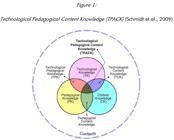
The key components - CK, PK, and TK - form the foundation for understanding how content, pedagogy, and technology interact to shape teaching. Content knowledge (CK), PK, and TK shape the teaching practices followed in any classroom, and as the teachers involved in the study received formal training as teachers, these concepts are a foundational part of each of their approaches to teaching and learning in the classroom.
Within this framework, technology is understood as pedagogically meaningful only when intentionally aligned with content and instructional strategies. In this study, social media applications are therefore conceptualised as technological tools whose educational value emerges through deliberate pedagogical integration rather than standalone use. Recent conceptual work has strengthened this argument by clarifying how TPACK is simultaneously shaped by external contexts and by teachers' contextual knowledge of their instructional environments (Petko et al., 2025).
Derived from these foundational elements, PCK combines content and pedagogy to inform teachers on how best to deliver subject-specific content, focusing on methods that improve learning outcomes (Kim, 2018). The teachers involved in the classrooms needed to choose a specific pedagogical approach to deliver the content. The TPK integrates technological tools with pedagogy, highlighting how technology can enhance teaching practices, and is essential for planning and implementing lessons (Jaipal-Jamani & Figg, 2015).
In this study, teachers were challenged to fuse their pedagogical approach with specific social media applications as technological tools to deliver the content to their learners. Technical content knowledge (TCK) combines technology with subject matter, helping teachers choose the most appropriate technological tools for their specific content (Agustini et al., 2019). Teachers had to choose between Facebook, X, YouTube, Instagram, TikTok and WhatsApp as technological tools to deliver the content to the learners. The TPACK framework, a culmination of all these components, served as the theoretical framework for this study, guiding these teachers in creating context-specific, technology-integrated teaching strategies (Freitas & Spangenberg, 2019). This aligns with the work of Johannesen et al. (2024) emphasizing professional digital competence as inclusive of classroom management demands in technology-rich teaching contexts.
The TPACK framework enabled an examination of how teachers strategically aligned these social media tools with pedagogical intentions and curriculum goals, thereby reframing social media from a perceived classroom challenge into a pedagogical advantage. The TPACK framework highlights the need for teachers to possess content and pedagogical expertise and a deep understanding of how to integrate technology to enhance learning. This comprehensive model addresses classroom settings' logistical and situational constraints, ensuring that technology integration is both practical and effective in meeting educational objectives (Mishra, 2019). Given the growing presence of AI-enabled tools in everyday teaching and learning, contemporary extensions of TPACK also foreground teachers' AI-related technological and pedagogical knowledge as part of responsible integration (Ning et al., 2024; Chiu, 2026).
METHODOLOGY
This qualitative case study, grounded in interpretivist (Ryan, 2018) and constructivist (Aitchison, 2019) epistemology, explored teachers' integration of social media applications as pedagogical tools and their perceptions of their impact on learning outcomes. The study was designed to investigate how teachers strategically integrate social media into their teaching practices, moving beyond descriptions of technology use to examine pedagogical decision-making. For this purpose, the researcher gathered information from seven Grade 6 and 7 teachers from a public primary school in the Western Cape, South Africa, who utilised social media apps as pedagogical tools in their lectures to improve academic results. Despite being situated in an affluent neighbourhood of Cape Town, the school serves a socioeconomically diverse student body, including some from informal settlements. In order to allow an intense examination of a person or group of individuals in a particular context, the teachers in a primary school setting, this study used a case study research approach, enabling the researchers to answer the questions 'how' or 'why' (Diop & Liu, 2020).
Purposive (Alvi, 2016) and convenience sampling (Etikan et al., 2016) were employed to select participants based on their teaching phase, qualifications, and full-time employment at the school, ensuring the inclusion of teachers with direct experience in integrating social media into their teaching practices. The researcher's prior employment at the school facilitated access and rapport, enriching the depth of the data collected.
After teachers implemented the social media application in the classroom, the data were gathered through questionnaires (Kabir, 2016), document analysis of lesson plans (Bowen, 2009), and semi-structured interviews (Gill et al., 2008), offering a comprehensive view of teachers' experiences. The data collection instruments were informed by the TPACK framework, enabling an examination of the interaction between pedagogical, technological, and content knowledge in teachers' instructional practices. Questionnaires provided initial insights into teachers' perceptions using Likert-type and closed-ended questions, while document analysis examined the incorporation of social media into lesson plans and its alignment with learning outcomes. Semi-structured interviews explored individual experiences, uncovering both challenges and benefits of integrating social media into teaching. Ethical considerations such as informed consent, confidentiality, and voluntary participation were rigorously upheld throughout the process.
The data analysis employed a comprehensive approach, investigating the types of knowledge highlighted by TPACK, to thoroughly understand teachers' use of social media as pedagogical tools. Content analysis was utilised to systematically condense and categorise the data, making it more accessible and interpretable (Kawulich, 2015; Stemler, 2001). Questionnaire responses were initially entered into Excel for quantitative analysis, allowing for the identification of patterns and relationships in participants' views (Tempone, 2005). This approach facilitated the comparison of responses, enabling key findings to be summarised. Lesson plans were analysed using a detailed grid designed by the researchers based on the categories highlighted by the TPACK framework and the teachers' use of applications for teaching to evaluate how teachers integrated social media into their classrooms. This analysis focused on identifying strategic alignment between learning objectives, pedagogical approaches, and the affordances of specific social media applications. This step provided insights into the alignment between what teachers claimed in the questionnaire and their actual practices, further guiding the development of targeted questions for subsequent semi-structured interviews. The interviews, conducted via Google Meet and transcribed with Airgram, helped clarify any discrepancies and deepen the understanding of participants' experiences. An inductive approach was used to analyse the interview data, allowing emerging themes to guide the interpretation of findings. The triangulation of questionnaires, lesson plans, and interviews enhanced the study's reliability and trustworthiness and provided a comprehensive analysis of social media integration in education, highlighting the influence of teacher knowledge in the implementation of technology in the classroom.
FINDINGS
The findings present a biographical overview of the participating teachers, followed by a detailed analysis of the findings from each data collection instrument. The results are then interpreted in relation to the Technological Content Knowledge (TCK) and Technological Pedagogical Knowledge (TPK) constructs within the study's theoretical framework. To protect participants' anonymity, pseudonyms (P1-P7) are used, with lesson plans denoted as L1-L7 corresponding to each participant. Additionally, as Twitter was rebranded as X during the study, the term X is used, reflecting the platform's new identity.
Participant demographics
An overview of the biographical backgrounds of the seven Grade 6 and 7 teachers who participated in the study is provided in Table 1. Essential participant information, including age, gender, grade taught, and years of teaching experience, is summarised. Five of the teachers were aged 30 or younger, with the majority (six out of seven) being female, reflecting broader trends in primary education (Aydoğmuş et al., 2023; Keržič et al., 2021). Four teachers were also in the early stages of their careers, with less than four years of experience, which may impact their adaptability to new pedagogical tools, such as social media applications.
Teachers' familiarity with social media applications varied across platforms. All participants were highly familiar with YouTube and WhatsApp, which were widely integrated into lesson planning. WhatsApp, especially, was universally well-known due to its longevity and widespread usage since 2009 (Bouhnik & Deshen, 2014; Lee et al., 2023; Suárez-Lantarón et al., 2022). However, familiarity with X and TikTok was inconsistent, suggesting that factors beyond age influence platform use, as seen in varied experiences with TikTok (Dilon, 2020). These findings, complemented by lesson plans and interviews, provide a comprehensive understanding of how personal and demographic factors may shape technology integration in the classroom.
Technological Content Knowledge (TCK)
The integration of social media tools into classroom practices showcases the interaction between TCK) and the use of digital media in content delivery. Technical content knowledge (TCK), which refers to how technology supports the teaching of specific subject matter (Mishra & Koehler, 2006), is exemplified through the use of platforms like YouTube, TikTok, and WhatsApp in this study. These tools allowed teachers to enhance content delivery, particularly for visual learners. For instance, YouTube was a widely utilised platform across several subjects, especially in science and technology, where it helped to convey complex concepts through visual demonstrations (Maziriri et al., 2020). Participant P5, for example, used YouTube videos to showcase scientific experiments that were difficult to replicate in the classroom, aligning with Pecay's (2017) assertion that video demonstrations are particularly beneficial in resource-limited settings.
Moreover, TikTok was employed to foster creativity, with students using the platform to create and present projects, such as app designs, in a way that engaged them deeply with both the content and the technology (Abbas & Qassim, 2020). P1's lesson plan involved students presenting app design projects through video on platforms like YouTube and TikTok, integrating technology in ways that allowed students to demonstrate both creative and technical knowledge. However, while these tools enhanced content delivery, most teachers used them for passive content consumption, such as watching videos, rather than fostering interactive, content-rich learning experiences. This trend is consistent with Wahyuni et al. (2019), who suggest that technology use in classrooms can sometimes substitute traditional methods without significantly transforming learning outcomes. This mirrors the literature's caution that platform affordances alone do not guarantee pedagogical transformation; instead, teachers' TPACK-informed design decisions determine whether social media use remains substitutional or becomes learning-generative (Petko et al., 2025; Yang et al., 2025). When interpreted alongside the literature, this pattern reflects what Petko et al. (2025) describe as context-constrained enactments of TPACK, where teachers' pedagogical intentions are moderated by access, time, and confidence. Similarly, Johannesen et al. (2024) argue that classroom management demands in technology-rich environments often lead teachers to favour controlled, low-risk uses of digital tools over more dialogic or problem-based approaches.
Technological Pedagogical Knowledge (TPK)
Technological Pedagogical Knowledge (TPK), which refers to understanding how technology can be leveraged to enhance teaching strategies (Koehler & Mishra, 2009), was also evident in the teachers' use of social media tools. In this study, platforms like WhatsApp, TikTok, and YouTube were utilised to deliver content and foster interactivity and engagement, demonstrating the application of TPK in educational settings. For example, P4 integrated WhatsApp's polling feature for peer assessment, illustrating how technology can support dialogic learning and collaborative feedback. This approach aligns with Alonzo et al. (2023), who highlight social media's potential for facilitating formative assessment by enabling real-time, interactive feedback.
P1 further demonstrated TPK by combining TikTok and YouTube in a project-based lesson where students created and presented app designs. This approach promoted active learning by giving students ownership of their projects, thus enhancing engagement and creativity (Ersöz & Şad, 2018). However, despite these examples, there was an overarching reliance on social media as a tool for reinforcing traditional teaching methods, rather than using it to drive deeper, problem-solving engagement with the content. As Wahyuni et al. (2019) argued, a more advanced application of TPK would involve using technology to stimulate critical thinking and collaborative problem-solving, not merely as an adjunct to existing teaching practices.
Common themes in TCK and TPK: Challenges, perceptions, and effectiveness
Integrating social media in education revealed several common themes concerning the alignment of TCK and TPK. A recurring challenge was the limited training available to teachers, which affected their ability to integrate social media tools effectively. Teachers such as P2 and P3 struggled with varying levels of familiarity with these platforms, which resulted in inconsistent application. This suggests that more targeted professional development is essential to help educators develop TCK and TPK, ensuring they can fully leverage social media tools innovatively. In line with this, P2's preference for using fewer platforms underscores the need for training that helps teachers focus on specific tools that align with their pedagogical goals. These constraints reflect further reports that teachers' adoption of online assessment and feedback is frequently limited by training, confidence, and infrastructural conditions (De Beer & Lautenbach, 2024).
Another common barrier that impacted both TCK and TPK was the digital divide. Issues related to device access and reliable internet connections were mentioned as obstacles to effective social media integration. P6's comment that many students lacked access to smartphones or reliable internet highlights how infrastructural gaps hinder the potential of these tools. This aligns with Maziriri et al. (2020) findings on the digital divide in resource-constrained settings. To realise the benefits of social media tools fully, greater infrastructural support is necessary to ensure equitable access to technology for all learners. This is in alignment with national reports that prioritise equitable access to devices, connectivity, and teacher training as central to digital education transformation (Department of Basic Education, 2025). Consistent with the literature emphasis on uneven access and confidence, P6's experience suggests that device and data constraints not only limited participation but also narrowed the range of accessible tasks, thereby shaping teachers' practical enactment of TPK. This finding resonates with broader evidence that inequitable access to devices and data not only shapes participation but also limits the range of pedagogical strategies teachers are willing to adopt (Ntsobi & Ntsobi, 2025; Muyambi, 2025). In this sense, P6's reported practices reflect structural conditions rather than individual resistance to innovation.
Privacy and safety concerns also emerged as a significant challenge, particularly concerning platforms like TikTok. P7 addressed these concerns by creating a class TikTok account and using draft-mode video storage to control the content's visibility. This solution highlights the need for educators to balance the benefits of social media tools with protecting student privacy, ensuring that digital platforms can be used safely and effectively for educational purposes (Greenhow & Chapman, 2020). WhatsApp-mediated schooling similarly highlights that the benefits of accessibility may coexist with new risks related to boundaries, workload, and differential participation (Bataineh, 2026).
Perceptions of effectiveness and teacher insights
Despite these challenges, teachers in the study widely recognised the value of social media platforms in enhancing student engagement and learning outcomes. YouTube, in particular, was perceived as an effective tool for reinforcing learning and helping students understand complex concepts. P7's weekly use of YouTube to consolidate class lessons demonstrated how technology can support knowledge retention and comprehension, in line with Liu and Luo (2022), who found that YouTube helps clarify concepts in resource-limited settings. Additionally, TikTok's creative potential was acknowledged by teachers, particularly for student-led projects that promoted autonomy and creativity (Abbas & Qassim, 2020).
The motivational impact of social media was also evident, with teachers noting that students were more engaged and committed to their work when they knew it would be shared or recorded on platforms like TikTok. P7 observed that students worked harder when they knew their work would be shared online, highlighting the motivational benefits of digital tools. This aligns with the research of Alsaif et al. (2019), which suggests that social media can foster greater student motivation and engagement, particularly when it allows for active participation and creativity. A meta-analysis reports positive overall effects of TikTok-based learning activities on communication-related outcomes across studies, supporting teachers' perceptions when integration is pedagogically guided (Astaño, 2025). These findings are consistent with emerging evidence that structured microlearning and teacher-guided platforms are used to mediate positive learning outcomes, rather than platform novelty alone (Aleksieva et al., 2025; Petko et al., 2025).
The findings demonstrate that teachers use social media platforms, primarily YouTube, TikTok, and WhatsApp, effectively to support content delivery, formative assessment, and peer interaction. However, these tools are typically applied to supplement rather than transform traditional educational practices. Table 2 highlights strategic yet limited applications proposed by the participants, the applications used by them, and why they used those specific applications. Platforms like YouTube were primarily used to demonstrate concepts, and TikTok to facilitate creative projects. Though teachers exhibit some TCK and TPK in incorporating these tools, the full potential of social media for dynamic, problem-based learning is constrained by digital access, privacy concerns, and a lack of comprehensive training. Therefore, professional development is essential to deepen TPK and TCK, enabling more innovative, learner-centred social media applications. Interpreted through recent refinements of TPACK that foreground context, the reported practices suggest that teachers' platform choices and instructional decisions were shaped not only by tool affordances but also by school-level conditions and learner access (Petko et al., 2025; Johannesen et al., 2024).
DISCUSSION
The findings from this study illustrate a clear relationship between TCK and TPK as articulated in the TPACK framework (Koehler & Mishra, 2009). Teachers effectively employed platforms like YouTube and TikTok to enhance content delivery, demonstrating TCK by selecting tools that complement their subject matter, particularly in visual-heavy disciplines. However, while some teachers exhibited strong TPK by leveraging social media for interactive assessments and student engagement, the overall reliance on these platforms for passive content consumption indicates a need for deeper integration. This duality highlights the importance of balancing content and pedagogy in technology use, reinforcing the notion that merely using social media is insufficient; teachers must also embrace transformative pedagogical strategies to fully realise these tools' potential in fostering critical thinking and collaboration.
The implications of these findings are significant for teachers and policymakers aiming to enhance teaching and learning through technology. Teachers should receive targeted professional development that focuses on the technical use of social media and on integrating these tools to foster deeper engagement and critical thinking among students. Additionally, policy frameworks should promote the development of curriculum resources that guide teachers in effectively incorporating social media into their pedagogical practices. By addressing both the potential and challenges of social media integration, stakeholders can create a more supportive environment that empowers teachers to innovate while ensuring students gain the necessary skills for a digital future. Ultimately, a balanced approach that prioritises both content knowledge and pedagogical strategies will be essential for maximising the educational benefits of social media tools.
CONCLUSION
In conclusion, this study provides a comprehensive analysis of the integration of social media applications in educational settings, based on data from questionnaires, lesson plans, and interviews. The questionnaire responses revealed valuable insights into participants' biographical details and their familiarity with social media tools. However, the findings indicate a dissonance between teachers' intentions to incorporate a diverse range of platforms, such as WhatsApp, Instagram, and Facebook, and their actual usage, with YouTube and TikTok being predominantly employed. This discrepancy suggests that teachers may not have fully utilised their TCK and TPK, due to insufficient training in integrating these tools effectively into their pedagogical practices.
Despite this gap, teachers reported positive experiences with YouTube and TikTok, which were found to enhance student engagement, creativity, technical skills, and collaboration. These outcomes underscore the significant educational benefits that can arise from the effective use of social media, provided that teachers are equipped with the necessary skills and understanding. The significance of this study lies in its contribution to understanding how strategic integration of social media can transform perceived challenges into pedagogical advantages, offering actionable insights for both educators and policymakers. The study highlights the critical need for targeted professional development to expand teachers' capabilities in utilising a broader array of social media platforms, fostering more dynamic and interactive learning environments. This professional support would enable teachers to realise the potential of social media as a transformative educational tool more fully, enhancing both teaching and learning.
Future research should explore the impact of specialised professional development programmes aimed at improving teachers' TCK and TPK for social media integration. Such research could investigate the efficacy of various training models-workshops, online courses, or collaborative learning communities-and assess their long-term effects on pedagogical practices and student outcomes. Additionally, studies should examine the factors influencing teachers' adoption or rejection of specific platforms, including institutional support, student needs, and technological infrastructure, to provide a more nuanced understanding of how social media can be leveraged to enhance engagement and learning.
REFERENCES
LITERATURE REVIEW
- Abbas, N. F., & Qassim, T. A. (2020). Investigating the effectiveness of YouTube as a learning tool among EFL Students at Baghdad University. Arab World English Journal, Special Issue in CALL, 6, 344-356. https://doi.org/10.24093/awej/call6.23
- Agustini, K., Santyasa, I. W., & Ratminingsih, N. M. (2019). Analysis of competence on "TPACK": 21st century teacher professional development. Journal of Physics: Conference Series, 1387(1), 012035. https://doi.org/10.1088/1742-6596/1387/1/012035
- Aitchison, D. (2019). Epistemology. https://doi.org/10.13140/rg.2.2.17726.13126
- Alonzo, D., Oo, C. Z., Wijarwadi, W., & Hannigan, C. (2023). Using social media for assessment purposes: Practices and future directions. Educational Psychology: a section of the journal Frontiers in Psychology, 13, 15. https://doi.org/10.3389/fpsyg.2022.1075818
- Alsaif, S., Li, A. S., Soh, B., & Alraddady, S. (2019). The efficacy of Facebook in teaching and learning: studied via content analysis of web log data. Procedia Computer Science, 161, 493-501.
- Alvi, M. (2016). A manual for selecting sampling techniques in research. Ludwig Maxmilians University, Munich. https://www.ub.uni-muenchen.de/index.html
- Andujar, A. (2016). Benefits of Mobile Instant Messaging to develop ESL. Writing System, 62, 63-76.
- Ang, J. W. J., Huang, L. Q. H., & Ng, Y. N. A. (2022). Instagram as a tool in phenomenon-based learning: An educational design research. PUPIL: International Journal of Teaching, Education and Learning, 6(1), 322-341.
- Astaño, J. L. (2025). Effectiveness of TikTok in enhancing students' communication skills: A meta-analysis. International Journal of Technology in Education (IJTE), 8(3), 861-890. https://doi.org/10.46328/ijte.1192
- Aydoğmuş, M., Tut, E., & Karadağ, Y. (2023). Teachers' experiences regarding the use of social media for educational purposes. International Journal of Psychology and Educational Studies, 10(1), 69-82.
- Bataineh, R. F. (2026). WhatsApp as a mediational infrastructure. Digital Education Review. https://revistes.ub.edu/index.php/der/article/view/50886
- Bouhnik, D., & Deshen, M. (2014). WhatsApp goes to school: mobile instant messaging between teachers and students. Journal of Information Technology Education: Research 13, 217-231.
- Bouskid, Y. (2019). The use of Facebook in learning English as a foreign language. Ibn Zohr University, Agadir University, Morocco.
- Bowen, G. (2009). Document analysis as a qualitative research method. Qualitative Research Journal, 9(2), 27-40.
- Boyd, D. M., & Ellison, N. B. (2008). Social network sites: definition, history, and scholarship. Journal of Computer-Mediated Communication, 13(1), 210-230. https://doi.org/10.1111/j.1083-6101.2007.00393.x
- Brodersen, K., Hammami, N., & Katapally, T. R. (2022). Smartphone use and mental health among youth: It is time to develop smartphone-specific screen time guidelines. Youth, 2(1), 23-38. https://doi.org/10.3390/youth2010003
- Camilleri, M. A., & Camilleri, A. C. (2020). The use of mobile learning technologies in primary education. In R. Zheng (Ed.) Cognitive and Affective Perspectives on Immersive Technology in Education. IGI Global.
- Chawinga, W. D. (2017). Taking social media to a university classroom: teaching and learning using Twitter and blogs. International Journal of Educational Technology, 14(1), https://doi.org/10.1186/s41239-017-0041-6
- Chen, Y. C., & Shan, Y. M. (2014). The effect of using a Facebook group as a learning management system. Computers in Education Journal, 5(4), 42-53.
- Chung, A., Yunus, M. M., & Suliman, A. (2019). Using social media in writing among Primary School pupils. Religación Revista de Ciencias Sociales y Humanidades, 4(22), 250-258.
- Department of Basic Education (DBE). (2025). The Digital Education Strategy: A new roadmap for digital transformation in schools. Pretoria: Government of South Africa. https://www.education.gov.za/ArchivedDocuments/ArchivedArticles/TheDigitalEducationStrategy.aspx
- Devi, K. S., Gouthami, E., & Lakshmi, V. V. (2019). Role of social media in teaching-learning process. Journal of Emerging Technologies and Innovative Research, 6(1), 96-103.
- Diop, K. A. S., & Liu, E. (2020). Categorisation of cases in case study research method: A new approach. Knowledge and Performance Management, 4, 1-14.
- Dirgahayu, T., & Setiaji, H. (2020, April). Semantic web in disaster management: A systematic literature review. In IOP Conference series: Materials science and engineering, 803(1), 012043). IOP Publishing. https://doi.org/10.1088/1757-899X/803/1/012043
- Ersöz, Y., & Şad, S. N. (2018). Facebook as a peer-assessment platform: a case study in art teacher education context. International Journal of Assessment Tools in Education, 5(4), 740-753.
- Espinosa, L. F. (2015). The use of Facebook for educational purposes in EFL classrooms. Theory and Practice in Language Studies, 5(11), 2206-2211.
- Etikan, I., Musa, S. A., & Alkassim, R. S. (2016). Comparison of convenience sampling and purposive sampling. American Journal of Theoretical and Applied Statistics, 1-4.
- Gill, P., Stewart, K. F., Treasure, E. T., & Chadwick, B. L. (2008). Methods of data collection in qualitative research: Interviews and focus groups. British Dental Journal Official Journal of the British Dental Association: BDJ online, 291-295. https://doi.org/10.1038/bdj.2008.192
- Gonulal, T. (2019). The Use of Instagram as a mobile-assisted language learning tool. Contemporary Educational Technology, 309-323. https://doi.org/10.30935/cet.5990108
- Greenhow, C., & Chapman, A. (2020). Social distancing meet social media: digital tools for connecting students, teachers, and citizens in an emergency. Information and Learning Sciences, 121(5/6), 341-352.
- Hamad, M. M. (2017). Using WhatsApp to enhance students' learning of the English language: "Experience to Share". Higher Education Studies, 7(4), 74-87.
- Harmandaoglu, E. (2018). The use of Twitter in language learning and teaching. International Conference: ICT for Language Learning, Paper presented at the International Conference ICT for Language Learning (5th Edition). https://confernece.pixel-online.net/conferences/IT4LL2012/common/download/Paper_pdf/211-IBT41-FP-Harmandaoglu-ICT2012.pdf
- Jacobs, A., Pan, Y.-C., & Ho, Y.-C. (2022). More than just engaging? TikTok as an effective learning tool. The 27th UK Academy for Information Systems International Conference (UKAIS 2022). United Kingdom.
- Jaipal-Jamani, K., & Figg, C. (2015). The Framework of TPACK-in-Practice: Designing content-centric technology professional learning contexts to develop teacher knowledge of technology-enhanced teaching (TPACK). In Technological, Pedagogical Content Knowledge: Exploring, Developing, Assessing TPCK (pp.137-163).
- Javorcik, T. (2020). Ways of using social networking site Instagram for educational purposes. Proceedings - Conference: DiVAI 2020: Distance Learning in Applied Informatics, Sturovo, Slovakia.
- Jimoyiannis, A., Tsiotakis, P., Roussinos, D., & Siorenta, A. (2013). Preparing teachers to integrate Web 2.0 in school practice: Toward a framework for Pedagogy 2.0. Australasian Journal of Educational Technology, 29(2), 248-267.
- Johannesen, M., Øgrim, L., & Hatlevik, O. E. (2024). Teachers' Professional Digital Competence - The Neglected Management of Technology-rich Classrooms? Nordic Journal of Digital Literacy, 19(2), 64-81. https://doi.org/10.18261/NJDL.19.2.2
- Kabir, S. M. S. (2016). Methods of data collection. In Basic Guidelines for Research: An Introductory Approach for All Disciplines (pp.201-275). Book Zone Publication.
- Kara, S. (2021). An investigation of Technological Pedagogical and Content Knowledge (TPACK) Competencies of pre-service visual arts teachers. International Journal of Technology in Education (IJTE), 4(3), 527-541.
- Kawulich, B. B. (2015). Data analysis techniques in qualitative research. (Issue April, pp.162-170). State University of West Georgia, US.
- Keržič, D., Danko, M., Zorko, V., & Dečman, M. (2021). The effect of age on higher education teachers' ICT use. Knowledge Management & E-Learning, 13(2), 182-193.
- Khlaif, Z. N., & Salha, S. (2022). Exploring the factors influencing mobile technology integration in higher education. Technology, Pedagogy and Education, 31(3), 347-362. https://doi.org/10.1080/1475939X.2022.2052949
- Kim, S. (2018). Technological, pedagogical, and content knowledge (TPACK) and beliefs of preservice secondary mathematics teachers: Examining the relationships. EURASIA Journal of Mathematics, Science and Technology Education, 14(10), 1-24.
- Koehler, M. J., & Mishra, P. (2009). What is Technological Pedagogical Content Knowledge? Contemporary Issues in Technology and Teacher Education, 9(1), 60-70.
- Koehler, M. J., Mishra, P., & Cain, W. (2013). What is technological pedagogical content knowledge (TPACK)? Journal of Education, 13-19.
- Kolhar, M., Kazi, R. N. A., & Alameen, A. (2021). Effect of social media use on learning, social interactions, and sleep duration among university students. Saudi Journal of Biological Sciences, 28(4), 2216-2222.
- Krutka, D. G., Manca, S., Galvin, S., Greenhow, C., Koehler, M. J., & Askari, E. S. (2019). Teaching "against" social media: confronting problems of profit in the curriculum. Teachers College Record, 121(14), 1-42.
- Kumar, V., & Nanda, P. (2020). Social Media as a tool in higher education: A pedagogical perspective. In Handbook of Research on Diverse Teaching Strategies for the Technology-Rich Classroom (pp.239-253).
- Lee, C. E. C., Chern, H. H., & Azmir, D. A. (2023). WhatsApp use in a higher education learning environment: Perspective of students of a Malaysian private university on academic performance and team effectiveness. Education Sciences, 13(244), 1-15.
- Liu, D., & Luo, J. (2022). College learning from classrooms to the internet: Adoption of YouTube as a supplementary tool in the COVID-19 pandemic environment. Education and Urban Society, 54(7), 848-870.
- Mabuan, R. A., & Ebron, G. P. (2017). Facebook Integration into University Classes: Opportunities and Challenges. 31st Pacific Asia Conference on Language, Information and Computation, Philippines.
- Martínez-Comeche, J.-A., & Ruthven, I. (2021). Informational features of WhatsApp in everyday life in Madrid: An exploratory study. Journal of Information Science, 49(1) 122-132.
- Maziriri, E. T., Gapa, P., & Chuchu, T. (2020). Student perceptions towards the use of YouTube as an educational tool for learning and tutorials. International Journal of Instruction, 13(2), 119-138.
- McLain, T. R. (2019). Social media treasure hunt-practical lessons using Twitter in the English classroom. Teaching English with Technology, 19(2), 88-100.
- Mei, K. L., & Aziz, A. A. (2022). Students' perception on using Tiktok Application as an English learning tool. International Journal of Academic Research in Progressive Education and Development, 11(4), 166-190.
- Mensah, S. O., & Nizam, I. (2016). The impact of social media on students' academic performance-A case of Malaysia Tertiary Institution. International Journal of Education, Learning and Training, 1, 14-21.
- Mishra, P. (2019). Considering contextual knowledge: The TPACK diagram gets an upgrade. Journal of Digital Learning in Teacher Education, 1-3. https://doi.org/10.1080/21532974.1588611
- Mnisi, B. R. (2024). The current status of ICT integration in South African public schools. Journal of Education, 86, 1-15.
- Monib, W. K., Qazi, A., & Apong, R. A. (2024). Microlearning beyond boundaries: A systematic review and a novel framework for improving learning outcomes. Heliyon, 10, e41413. https://doi.org/10.1016/j.heliyon.2024.e41413
- Muyambi, G. C. (2025). Educators' readiness to teach through digital media in South Africa. Education and Information Technologies, 30, 1-20. https://doi.org/10.1007/s10639-024-13310-w
- Nacak, A., Baglama, B., & Demir, B. (2020). Teacher candidate views on the use of YouTube for educational purposes. Online Journal of Communication and Media Technologies, 10(2), 1-9.
- Ntsobi, M. P., & Ntsobi, K. H. (2025). The integration of ICT in primary education: National and regional perspectives. Journal of Education and Practice, 15(10), 80-95.
- Nugroho, A., & Rahmawati, A. (2020). "Let's Write A Caption!": Utilising Instagram to enhance ESP students' writing skills. Journal Basis, 7(1), 1-12.
- Petko, D., Mishra, P., & Koehler, M. J. (2025). TPACK in context: An updated model. Computers and Education Open, 8, 100244. https://doi.org/10.1016/j.caeo.2025.100244
- Pratama, S. H. H., Arifin, R. A., & Widianingsih, A. W. S. (2020). The use of YouTube as a learning tool in teaching listening skill. International Journal of Global Operations Research, 1(3), 123-129.
- Purvis, A. J., Rodger, H. M., & Beckingham, S. (2020). Experiences and perspectives of social media in learning and teaching in higher education. International Journal of Educational Research Open, 1, 100018. https://doi.org/10.1016/j.ijedro.2020.100018
- Ryan, G. (2018). Introduction to positivism, interpretivism and critical theory. Nurse Researcher, 25(4) 41-49.
- Schmidt, D. A., Baran, E., Thompson, A. D., Mishra, P., Koehler, M. J., & Seob, S. T. (2009). Technological Pedagogical Content Knowledge (TPACK): The development and validation of an assessment instrument for preservice teachers. Journal of Research on Technology in Education, 42(2), 123-149.
- Statista. (2024). Most popular global mobile messenger apps as of April 2024, based on monthly active users. https://www.statista.com/statistics/258749/most-popular-global-mobile-messenger-apps/
- Suárez-Lantarón, B., Deocano-Ruíz, Y., García-Perales, N., & Castillo-Reche, I. S. (2022). The educational use of WhatsApp. Sustainability 2022, 14, 1-14.
- Taylor, R., King, F., & Nelson, G. (2012). Student learning through social media. Journal of Sociological Research 3(2), 29-35.
- Taprial, V & Kanwar, P. (2017). Understanding social media. Bookboon.
- Tempone, I. (2005). The use of Excel in qualitative pedagogical research. Swinburne University of Technology (pp.97-102). Victoria, UNESCO Australia,
- Treem, J. W., Dailey, S. L., Pierce, C. S., & Biffl, D. (2016). What we are talking about when we talk about social media: A framework for study. Sociology Compass, 10(9) 768-784.
- Twitter, & UNESCO. (2019). Teaching and learning with Twitter. https://about.twitter.com/content/dam/about-twitter/en/tfg/download/teaching-learning-with-twitter-unesco.pdf
- Umar, T. I., & Idris, M. (2018). Influence of social media on psychosocial behaviour and academic performance of secondary school students. Journal of Education & Entrepreneurship, 5(2), 36-46.
- Wahyuni, S., Mujiyanto, J., Rukmini, D., & Fitriati, S. W. (2019). Teachers' Technology Integration into English Instructions: SAMR Model. Advances in Social Science, Education and Humanities Research, 443, 546-550.
- Yang, Y., et al. (2025). TikTok in higher education: A systematic review. Interactive Learning Environments. https://doi.org/10.1080/10494820.2025.2564736
- Yu, Z., Yu, L., Xu, Q., Xu, W., & Wu, P. (2022). Effects of mobile learning technologies and social media tools on student engagement and learning outcomes of English learning. Technology, Pedagogy and Education, 31(3), 381-398.
Reviewed: 09 October 2025
Accepted: 27 February 2026