Fulfilment of Scripture and Jesus' Teachings in Matthew
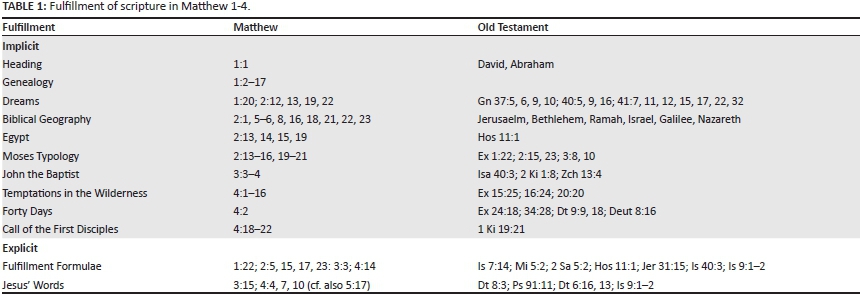
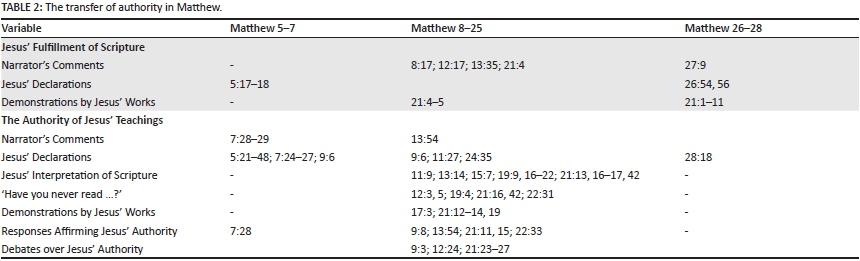
One of the most intriguing aspects of the experience of reading the gospels, for both beginning students and those who have been at it for decades, is the growing awareness of how the gospels convey their message. Our attention is usually focused first on what the message is: the storyline, the plot, the climax or resolution, and its implications. As we continue to read and reread, we may find that we begin to grow interested in various features of the narrative, such as its organisation, collections of material (parables or miracle stories), repetitions, the ways characters are represented or the narrator's comments. These are not incidental features of the gospel narrative. On the contrary, they are the elements with which it is constructed and that guide the reader's experience of the narrative. In this article we will explore how Matthew leads its Jewish-Christian readers, sometime late in the 1st century and during the process of the separation of early believers from the synagogue, to accept Jesus' teachings as a new teaching on righteousness and functionally at least a new Torah. Specifically, we will analyse the role of repetition and redundancy in Matthew's narrative rhetoric in relation to this theme.
Original Research - Jan du Rand • In Skriflig (Online) 49
(2)
• • https://doi.org/10.4102/IDS.V49I2.1986 copy