Did Jesus change his mind about God? Jesus' conscience viewed phenomenologically
Abstract
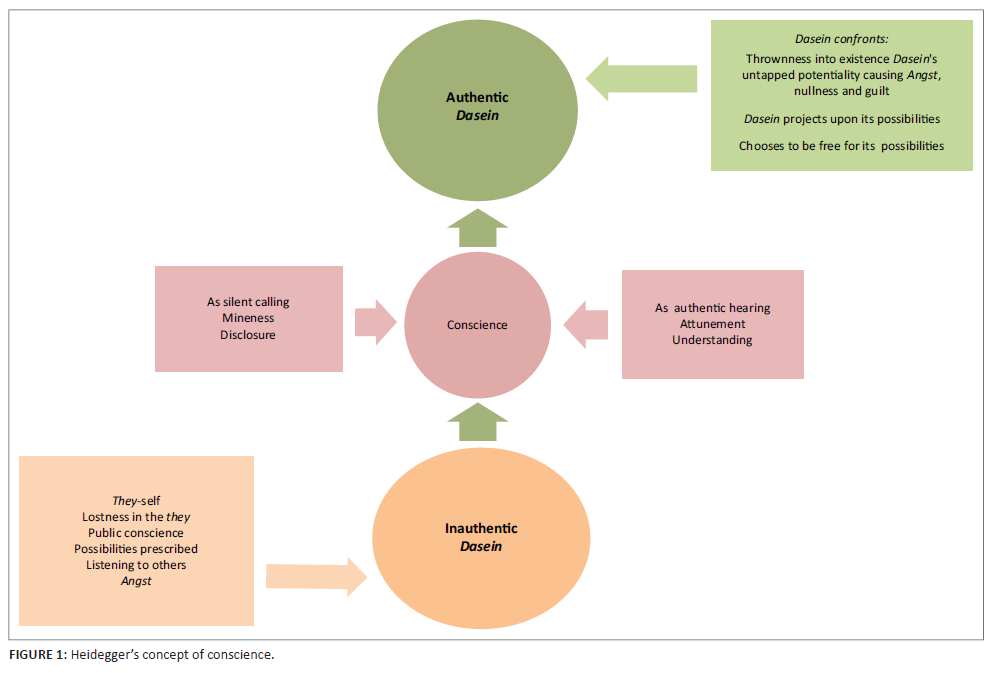
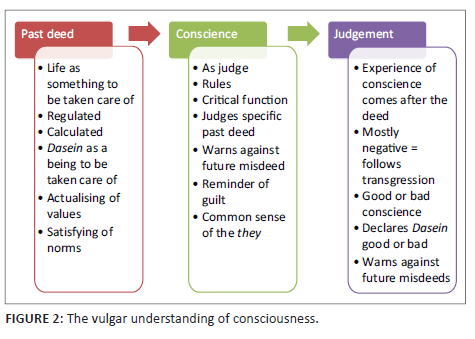
That Jesus changed his mind about God twice is demonstrated by applying Heidegger's idea of conscience to Jesus' decisions for baptism and later for leaving John's group. The common concept of conscience is similar to a judge reflecting on past deeds. Heidegger's phenomenological understanding of conscience is a calling forward towards authentic existence. Inauthentic existence is understood as existence robbed of existential choices as it is dominated by choices made by others. Choosing baptism, Jesus ridded himself of the temple ideology's idea of impurity and purification as well as its image of how God views people. When Jesus left John's group, he discarded John's apocalyptic view of God as imminent end-time judge and the view of God's kingdom in apocalyptic terms. Heidegger's idea of conscience helps us understand Jesus' move to authentic existence and his preaching of the kingdom of God in his terms. CONTRIBUTION: Research about Jesus and the Baptist has not yet investigated possible changes in Jesus' concept of God regarding Jesus' decisions for baptism, joining and later leaving John's group. Heidegger's concept of conscience was also not yet utilised regarding these changes. This knowledge gap is addressed.
Historical Jesus; baptism; conscience; phenomenology; Heidegger; authenticity; inauthenticity; John the Baptist
 Thumbnail
 Thumbnail