Nature, creation and morality: The case of parasites
Abstract
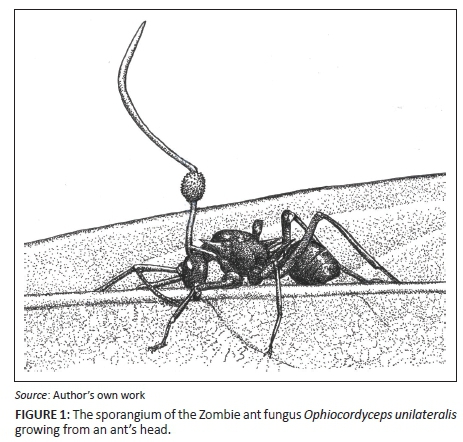
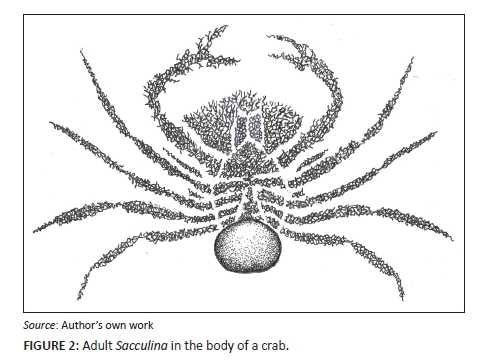
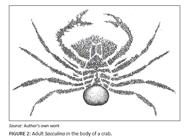
Nature is paramount to our existence. Humankind clearly realised the importance of nature since the beginning of our sapient abilities. Archaeological evidence shows how humans revered nature and how natural phenomena were mystified. This mystification of nature inspired animism and many associated religious rites, some of which are still part of our cultural existence. Some of the important results that stemmed from the mystification of nature is that it was seen as either good, being the handiwork of God or Gods, or that it started out as perfect but then became bad after the fall. Scientific research however show that there is no morality or hidden codes in nature, but that nature consists of random events, some which benefit humans, while others do not. Parasitology serves as a good example to show how extremely non-humane nature can be and how naïve and idealised our view of nature is. Not only did parasites exist on the planet since the beginning of life on earth and long before the existence of hominins, but the majority of all known animals are parasites. The latest research shows that parasites have a very important role in the ecology and that life as it exists would not have been possible without them. This implies that our romanticised ideas of ecology, biodiversity, the morality of nature and the purpose of life should be reviewed.
 Thumbnail
 Thumbnail
 Thumbnail