The sources of knowledge of two medieval Jewish commentators in nature issues: The case of gathering the musk (Song of Songs 5:1)
Abstract
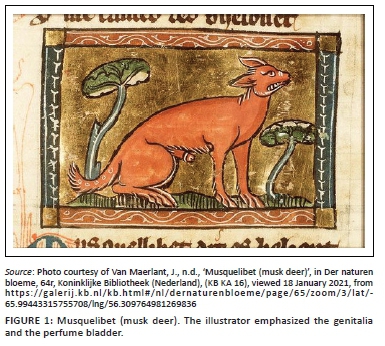
Musk, which is produced from the glands of several species of deer, was a well-known perfume throughout the Mediterranean Basin in the Middle Ages. The current article examines the meaning of the gathering operation of myrrh mentioned in Song of Songs 5:1, according to R. Joseph Ibn Aknin and Naḥmanides. The two commentators argue that the phrase ariiti mori can be interpreted as the unique manner of gathering the perfume of the musk deer in its lands of origin in the Far East. They contend that harvesting the perfume refers to gathering the perfume that the deer spreads on the rocks naturally, which is a higher quality product. The two medieval rabbis were exposed to contemporary scholars or oral traditions on the way of gathering the musk. Ibn Aknin took the information from Arabic writings, such as of al-Sirāfī and al-Masʿūdī and Ibn JulJuly With regard to Naḥmanides, his source of information on gathering musk is not clear.CONTRIBUTION: This article contributes to the understanding of the issue of the sources of knowledge of scholars in medieval times and how the achieved information influenced their commentaries on the Biblical Text. The current study expounds the commentators' interpretations from a multidisplinary perspective, such as the medieval zoology and perfume industry
musk; musk deer; biblical myrrh; Song of Songs; Naḥmanides; Joseph Ibn Aknin; al-Sirāfī; al-Masʿūdī; medieval perfume industry; medieval commentators
 Thumbnail