Flagging the "new" South Africa, 1910-2010
Abstract
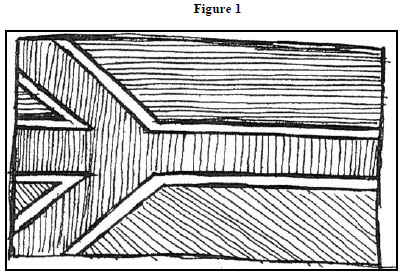
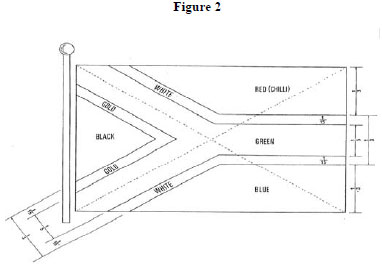
Over the past century, distinctive flags have been devised for and adopted by South Africa on three occasions. The first of these came soon after Union in 1910 and followed a standard pattern applied throughout the British Empire. The second saw the hoisting in 1928 of a national flag in recognition of South Africa's independence. This flag served South Africa for two generations, but was progressively rejected by sections of the population as a symbol of apartheid. The momentous announcement by President F.W. de Klerk at the opening of parliament on 2 February 1993 set in motion the formal negotiation process within South Africa, which came to fruition on 27 April 1994. As part of this process, the present national flag came into being. This article sets out the steps taken and how the process initially floundered. It also considers how the final design of the new national flag, which has become the primary symbol of identification of South Africa and its people, finally came into being.
Blue Ensign; Red Ensign; national flag; national symbol; "new" South Africa; Multi-Party Negotiating Council; Vexillology
 Thumbnail
 Thumbnail