"Discontented scoundrels who crowd the mercantile marine today". Labour relations regimes of the Cape and Ichaboe guano trade, c. 1843-1898
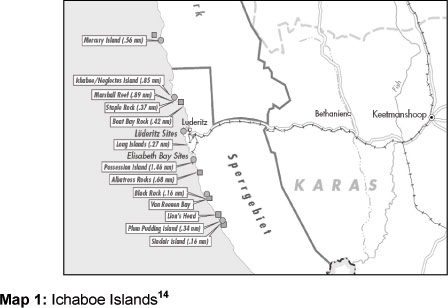
The scraping of guano on offshore islands in the Atlantic and Pacific oceans during the mid- to late nineteenth century was an essentially primitive industry. As guano is a natural product with no further need for processing, the primary task of guano workers was the physical collection of guano chunks using basic tools such as crowbars, spades and wheelbarrows. Working on nearly barren islands with non-existent harbour facilities in remote areas far removed from its supply source, meant that guano- collection was an extremely risky enterprise and guano-labour was both back breaking and hazardous labour. Motivated by profit considerations, guanopreneurs and the Cape colonial state established and maintained an exploitative and coercive labour regime characterised by the use of deferred wages, credit and rationing as well as rigid contract enforcement. Guano diggers, however, did not accept these practices passively and as this article demonstrates, actively resisted their exploitation and marginalisation. As a result, the Cape colonial authorities were compelled to intervene, changing the system in 1898.
guano; fertiliser; labour regime; slavery; resistance; Cape Colony; Ichaboe islands
 Thumbnail