Water as agent for social change, 1900-1939: Two case studies of developmental state approaches in establishing irrigation schemes
Abstract
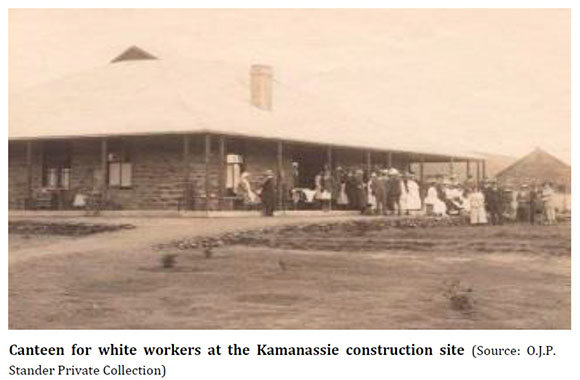
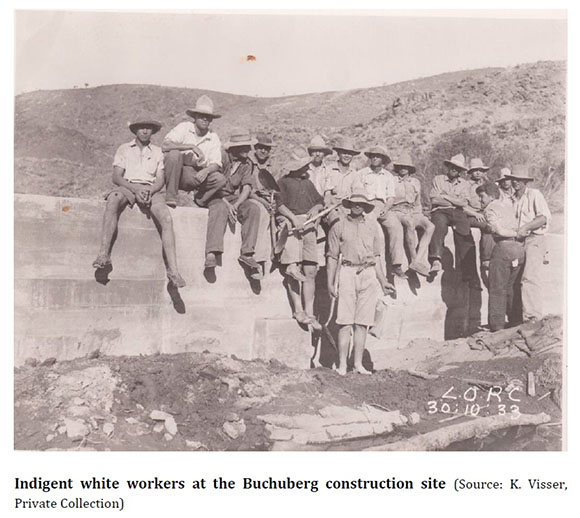
The advent of the Union of South Africa in 1910, and especially the creation of the Union's Irrigation Department in 1912, signalled the beginning of large-scale state investment in water storage infrastructure and the start of South Africa's first dam-construction boom on a national scale. At the same time the Union government also began to tackle its increasing social problems such as white poverty by combining poor relief with irrigation and dam-building projects. The Hartebeespoort Dam and irrigation scheme near Pretoria was the first Union project of its kind. Apart from harnessing water for agricultural development, the aim of these state projects was twofold: to provide temporary relief employment for poor and destitute whites through job creation during the construction phases of dams and canals, as well as establishing white irrigation settlement schemes. This article examines aspects of the South African state's irrigation and poor relief projects with a special focus on the Kamanassie irrigation scheme (19191925) in the Western Cape and the Buchuberg irrigation scheme (1929-1934) on the Orange River in the Northern Cape. The successes and failures of these projects as examples of socio-economic upliftment are discussed briefly.
Irrigation settlement schemes; poor whites; drought; Pact government; Hartebeespoort Dam; Kamanassie Dam; Great Depression; Buchuberg Dam
 Thumbnail
 Thumbnail