"A hygienic Native township shall be developed": The founding and development of Batho as Bloemfontein's "model location" (c. 1918-1939)
Abstract
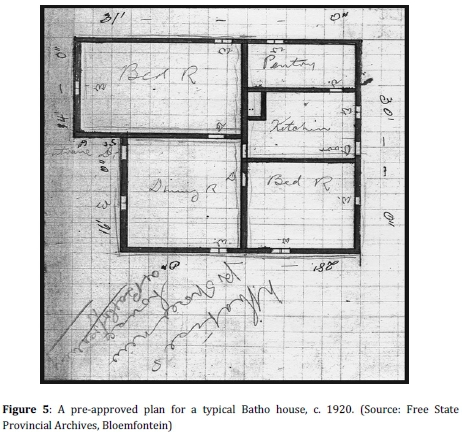
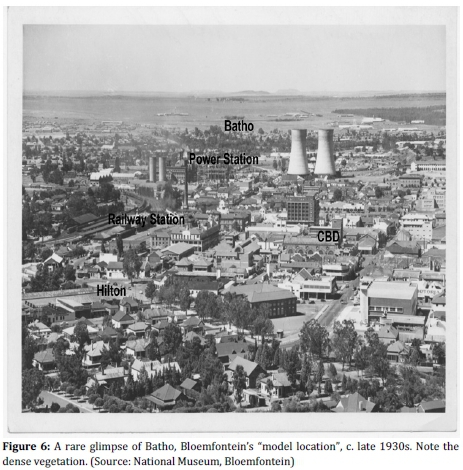
Batho, Bloemfontein's oldest existing historically black township or "location", celebrated its centennial in 2018. This "model location" was established in 1918 by the Municipality of Bloemfontein after it decided to demolish the old Waaihoek location. The model location ideology, partly rooted in the image of the Orange Free State "model republic" of the late 1800s, must be seen within the context of the discriminatory segregationist policies of the 1920s and 1930s. The main reasons for Batho's founding and Waaihoek's demolition were: i) prejudiced and troubled race relations and racial attitudes; ii) Waaihoek's close proximity to white Bloemfontein; iii) the growing urbanisation of black and coloured people; iv) the Spanish Influenza epidemic; and v) the building of a new power station for Bloemfontein. Batho became nationally renowned as a model location and an example for others to follow due, in part, to the municipality's unique housing scheme, namely the Bloemfontein system. The model location ideology influenced Batho's general layout, size of individual plots, provisioning of public amenities, sound financial administration and limited participative governance in the form of advisory boards. The main thesis is that the municipality's ideal of a model location was not simply a theoretical and ideological construct, but that it was also materialised in practice.
Batho; Bloemfontein; Waaihoek; location; "model location"; Bloemfontein system; plot size
 Thumbnail
 Thumbnail
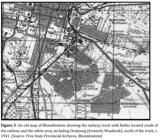 Thumbnail
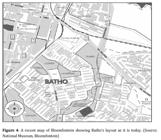 Thumbnail
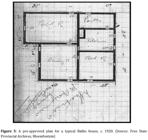 Thumbnail
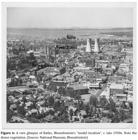 Thumbnail