Ensembles of Life: Developing an Affirmative and Intensive Concept in Educational Research
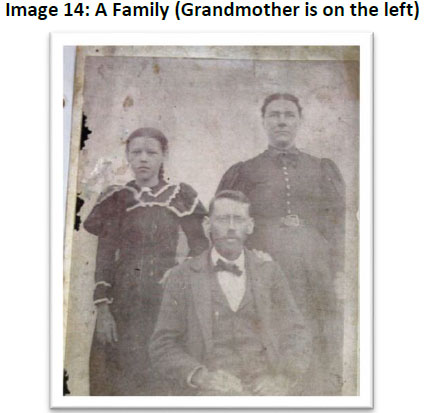
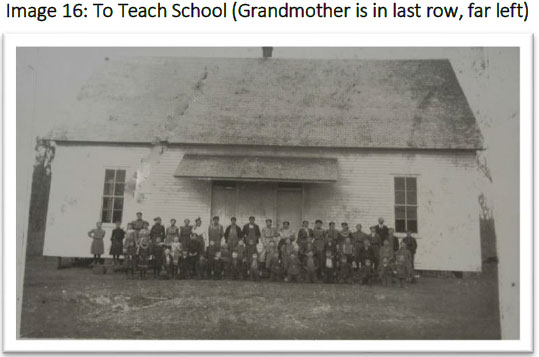
In this article, I share how I developed an affirmative and intensive concept, the ensemble of life, in a postqualitative study about family history genealogy. Intensive concepts are new concepts that are developed using alternative methods, and seek to affirm what is being lived as well as open up possibilities for different ways of living. Data assembled during a postqualitative study about family history genealogists and the objects (e.g., photographs, documents, and other artefacts) they use to construct their ancestors provided fertile ground for intensive concept development. The excess of the objects bloated preexisting concepts and warranted a new concept, the ensemble of life, to describe the work of objects in family history genealogy that affirms that work and opens it up to becomings. The ensemble of life is a loose grouping of a person's trajectories-or lines-that are formed by the objects in a deceased person's life, the sensations associated with those objects, and the virtual potential of those objects.
postqualitative research; objects; Deleuze; intensive concepts; family history genealogy; ethics
 Thumbnail
 Thumbnail