Design and Narrative Development of a Gamified Tool for Peace Education in the Colombian Post-Conflict
Abstract
This article explores the conceptual and narrative design of an educational video game centred on the Colombian armed conflict, aiming to foster empathy and critical understanding among users. The development process followed a qualitative approach based on narrative analysis and user-centred design, integrating key phases of design thinking and the collection of historical testimonies to ensure an inclusive and sensitive representation of the experiences of those involved in the conflict. A total of 18 historical testimonies were collected through semi-structured interviews with individuals directly or indirectly affected by the conflict, including victims and former combatants. These narratives were analysed to identify key themes and structure them into an engaging and meaningful storytelling experience. The narrative design includes interconnected stories that allow users to explore different perspectives of the conflict, while the game mechanics encourage reflection on complex decisions and ethical dilemmas. The article concludes that the conceptual design met the proposed objectives, laying the groundwork for broader future implementations. The continuous evolution of gamification technologies and interactive storytelling presents both a challenge and an opportunity to maintain the educational tool's relevance.
educational video games; armed conflict; narrative design; empathy; gamification
Introduction
Colombia has experienced an internal conflict that lasted for more than five decades, affecting its population and institutions (Centro Nacional de Memoria Histórica, 2013). After several failed attempts, the country reached a historic agreement with the FARC-EP guerrilla, culminating in the signing of the Final Agreement for the Termination of the Conflict and the Construction of a Stable and Lasting Peace in November 2016 (Cujabante Villamil, 2016; Ríos, 2017). Despite the progress that this agreement represented, peace consolidation is not yet a fact and many more complementary actions are needed after the signing of the agreement (Cortés-Martínez et al., 2023; Indepaz, 2021; Torrado, 2025). In this post-conflict context initiated after the signing of the 2016 Final Agreement (Pérez Guevara et al., 2021), there are great challenges for Colombian society related to violence and social conflict. Although the agreement marked a turning point in the formal cessation of hostilities with one of the largest armed groups, new dynamics of violence have emerged in the post-conflict phase.
These challenges include the proliferation of criminal organisations and paramilitary successor groups, as well as the persistence of violence linked to illegal economies such as drug trafficking and illegal mining. Additionally, localised conflicts continue to affect rural areas, where power vacuums have been exploited by newly formed armed groups and remnants of former guerrilla factions. Social leaders and human rights defenders have become frequent targets, with numerous cases of intimidation, displacement, and selective assassination reported in various regions. This complex post-conflict landscape poses ongoing threats to social cohesion and peacebuilding, making it essential to address not only the legacy of past violence but also the emerging forms of conflict that challenge the consolidation of lasting peace in Colombia.
Thus, building sustainable peace has taken on renewed prominence in the national discussion. Several studies have highlighted the essential role of education as a tool to prevent the repetition of violence and facilitate social reconstruction (Pérez, 2016). Integrating the discussion on the conflict, its causes, and possible alternatives within the educational process is key in the post-conflict phase, accompanied by a pedagogy oriented to peace and reconciliation (Harris, 2004; Pérez, 2016; Pérez, 2015). Calderón Rojas (2016) for example, stressed the importance of historical memory in overcoming the violent past. It is not only about knowing the facts, but also about promoting a deep understanding of the events and their implications, using memory as a vehicle for political and social transformation. Historical memory, in addition to restoring the right to truth and contributing to the reconstruction of the social fabric (Muñoz-Camacho, 2018), should form the basis of an educational scheme that seeks to reduce polarisation and foster a culture of peace (Pérez, 2016). In this sense, education has a transformative role in peacebuilding, guiding new generations toward a more empathetic and critical understanding of the past, essential to build a future without violence.
Taking into consideration all the above, this paper proposes the conceptual and narrative design of an educational video game as a tool for peace education in the context of the Colombian armed post-conflict. Through a user-centred approach based on design thinking, it seeks to integrate the authentic narratives of actors of the armed conflict, thus promoting empathy, critical reflection, and peacebuilding from meaningful experiences. By using gamification and narrative as pedagogical strategies, this project aims to contribute to peace education from an innovative perspective and focuses on the needs of users, particularly young people, who will have the opportunity to explore the nuances of the conflict and actively participate in building a culture of peace.
Memory and Narratives for Peace
The Colombian armed conflict was characterised by a profound polarisation, with the dehumanisation of the Other as one of its central elements (Mesa García, 2009; Pérez, 2003). Identities, ideologies, and political affiliations became instruments of exclusion, fostering an environment in which violence was used as a means of expression and resistance in the face of the lack of recognition of diverse perspectives (Mesa García, 2009). This phenomenon affected the actors of the conflict and with them, the civil society, configuring a notion of "them" against "us" that endures in the collective identity and memory of Colombia (Pérez, 2003). This problem has generated what some authors call "toxic memories," characterised by the silencing and invisibility of non-hegemonic facts and actors, establishing a single narrative that feeds exclusionary and polarising narratives (Del Pino, 2003; Molinares Hassan & Orozco Arcieri, 2020). Hence the urgency of an education for citizenship that fosters integration and mutual understanding (Fernández & Blanch, 2009), which is precisely the problem that this research aims to address.
To address the problem of toxic memories, the use of narratives from different conflict actors is proposed. This method has been identified as a crucial tool for social reconstruction in conflict contexts because it allows us to understand and represent complex and emotionally charged experiences from different perspectives. Narratives are stories that structure and organise our experiences of the world and play a fundamental role in the construction of identity at both the individual and collective levels (Bruner, 1991).
In the Colombian context, historical memory is essential for reconciliation because it allows the multiple perspectives of the conflict to be made visible and to rescue the voice of those actors who have traditionally been silenced or made invisible (Jelin, 2003). Narratives allow articulating these voices and turning them into a means for dialogue and critical reflection, being crucial to avoid the risks of simplification and polarisation in the reconstruction of memory (Ricoeur, 2004). Calderón Rojas (2016), emphasises that one of the main contributions of narrative is the ability to include actors from different perspectives, avoiding the homogenisation of experiences and fostering the understanding of the complexity of the conflict.
Some authors have used narratives in therapy contexts to address complex problems, such as violence and exclusion, emphasising how personal narratives allow signifying painful experiences and endowing them with a more empowering meaning. In the field of education and social intervention, narrative has also been used as a tool to generate critical awareness, foster social change, and reconfigure collective identity (Freire, 2023). In the field of the Colombian armed conflict, the use of narratives is particularly relevant because it allows presenting different points of view of the conflict, including the voices of victims, perpetrators, and other actors such as affected communities. This approach helps to break with the dichotomous vision of "good guys" and "bad guys," opening spaces for understanding, empathy, and reconciliation. By combining narratives with gamification, it manages to engage users in an interactive and emotional way, motivating them to learn the facts, to adopt different positions, and to understand the multiple layers of the reality of the conflict (Cascante Gómez, 2018).
At this point, gamification adds a playful component that facilitates the exploration of these narratives from an experiential perspective. By allowing users to interact with different scenarios and adopt varied roles, a deeper and more empathetic understanding of the conflict is fostered as participants directly experience the tensions and dilemmas faced by the actors involved. The integration of diverse perspectives through narrative and gamification, such as those of victims, victimisers, civilians, and peace actors, contributes to the construction of a more inclusive memory and the promotion of reconciliation (Orjuela, 2012; Tovar Florez & Vanegas Niño, 2019).
A User-Centred Design
In the scenario that this project wants to address, of narratives told using gamification, user-centred design (UCD) emerges. This is an approach that seeks to ensure that the products and services created respond optimally to the needs, expectations, and characteristics of end users (Norman, 2013). This process is characterised by being iterative and is based on a deep understanding of users, their context, and their problems through observation, direct interaction, and constant feedback gathering (Gould & Lewis, 1985).
The UCD process includes several phases. First, user research is conducted, which involves the collection of qualitative data to understand users' needs, behaviours, and contexts. Tools such as semi-structured interviews, surveys, and observational studies are used (Beyer & Holtzblatt, 1998). Then, problems and requirements are defined based on the research findings, clearly identifying the challenges that the product must address to meet user needs (Preece et al., 2002). Subsequently, prototypes are developed to explore potential solutions. Finally, the prototypes are evaluated by testing with real users, obtaining feedback that allows iterative improvement of the design until an effective and usable solution is achieved (Rudd et al., 1996).
In the context of peace education, combining UCD with gamification can create immersive experiences. Gamification can capture the attention and interest of users, while UCD ensures that the experience is aligned with their specific needs and characteristics, optimising the educational and emotional impact of the tool (Deterding et al., 2011). To achieve this result, it is important that the design of game mechanics be based on in-depth user research. This implies understanding their preferences and motivations and their socio-cultural context, especially when working with a topic as complex as the Colombian armed conflict. The use of UCD guarantees that the narrative and game mechanics are relevant, respectful, and empowering for users, ensuring that the learning experience is effective and resonant (Norman, 2013).
Thus, the question that guides this study is: "How can user-centred design, combined with narratives based on the experiences of diverse actors in the Colombian armed conflict, be applied in the construction of a gamified experience that promotes understanding and empathy toward this phenomenon?"
Methodology
The methodology proposed to address the research question focused on a user-based design approach, highlighting the importance of narratives in the construction of the experience (Norman, 2013). This design focused on usability and user experience, considering their unique contexts and perspectives, essential elements to generate a gamified tool that seeks to foster peace education. In addition, an in-depth narrative approach was incorporated to ensure that the voices of conflict actors were represented and that personal experiences became a fundamental part of the educational content. This is supported by the positive impact of these approaches in educational settings (Buchanan, 1992; Clark & Smith, 2008).
The educational approach was based on the taxonomy proposed by Krathwohl et al. (1956), adapted to peace education by Zurbano Díaz de Cerio (1998), and the contents were structured around Campbell's (1949) narrative theory. Recent adaptations of this theory, which emphasise knowledge assimilation and retention, played a key role in organising the collected narratives and presenting them in a way that is meaningful for users. Based on this approach, the proposed methodology was structured into three phases. The process began with the collection of testimonies through semi-structured interviews, followed by an in-depth analysis of the target audience. Finally, the conceptual and narrative design of the video game was developed. Each of these phases is described in detail below.
Phase 1: Collection and Purging of Testimonials
A total of 18 historical testimonies were collected through semi-structured interviews with individuals directly or indirectly affected by the conflict, including victims and former combatants. Given the sensitive nature of these topics and the general reluctance among conflict actors to openly discuss their experiences, the sampling strategy specifically addressed these challenges. Conflict-affected individuals often prefer silence due to fears of re-victimisation or persecution, typically requesting anonymity, confidentiality, and security. Thus, the research team collaborated with trusted local organisations already engaged with these populations. These organisations acted as intermediaries, validating the research team's intentions and facilitating initial contact. Participants were selected based on willingness and availability, ensuring diverse representation from various affiliations and regions. The ongoing post-conflict environment further complicated recruitment because many actors continue to face persecution, reinforcing demands for stringent confidentiality measures. Interviews were conducted securely, explicitly anonymising personal data and geographic references to prevent identification or stigmatisation of communities or individuals. This careful, ethically informed approach enabled the collection of authentic narratives crucial for a sensitive, inclusive, representative gamified educational tool.
The analysis of the testimonies was carried out using a narrative content analysis approach (Foddy & Foddy, 1993), which sought to identify patterns and emerging themes and to highlight the contrasts, nuances, and contradictions inherent in the participants' experiences. It captured the richness of individual stories and reflected the different angles from which conflict actors experienced and perceived the events (Seidman, 2006).
Phase 2: Empathy and Target Audience Definition for the Gamified Tool
The target audience (Cufoglu, 2014) was defined through the participation of 35 people, selected via a public call. The main requirements included age (18-35 years) and demonstrated interest in issues related to the armed conflict. Participants were from various regions, both urban and rural, and represented diverse socioeconomic backgrounds. This approach ensured that the video game design would address the perspectives and needs of the intended users.
We created user profiles (Cufoglu, 2014). For the profiles, initially, demographic characteristics such as age, gender, location, and socioeconomic status of those who would use the gamified tool were defined. These basic characteristics facilitated segmentation, allowing the identification of the fundamental needs and expectations of potential users. Subsequently, a review of psychographic aspects (values, interests, political affiliation, among others) that future users of the tool might have, were carried out (Wilches Tinjacá & Hernández Pérez, 2017). This review was oriented to better understand how these factors could influence the perception and disposition toward the narrative contents of the video game to ensure a deeper and more meaningful connection between users and the proposed gamified experience.
Including these elements in the definition of users made it possible to capture what they feel, think, and value in relation to the history of the conflict. To validate the accuracy of the profiles, data triangulation was performed by applying surveys to a representative sample of the target group (Aguilar & Barosso, 2015). This triangulation ensured greater quality control over the results, and the validated data allowed us to capture the potential emotional impact of the narratives used in the video game.
Phase 3: Conceptual and Narrative Design of the Educational Videogame
Creation of Learning Objectives (LOs)
In the design of the gamified experience, the LOs constitute a fundamental component because they articulate the knowledge, skills, and competencies that students are expected to acquire at the end of the educational experience (Salcedo Galvis, 2011) and establish measurable results that users must be able to demonstrate, functioning as tangible evidence of the learning process. Thus, four levels of increasing complexity were established, comprising: (1) a cognitive scope, in which users recognise the theoretical bases of confrontation and their possible peaceful treatments, (2) an affective scope where users, having assimilated the logical variables behind the conflict, take a stance toward the events, (3) a behavioural scope, characterised by activism and active participation in relation to what has been learned, and finally (4) a spiritual scope, where the principles and criteria acquired are integrated into the identity of the users, forming part of their understanding of the phenomenon and its resolution (Górnez Arévalo, 2014). This multilevel approach allowed the LOs to adapt to different stages of the users' personal and social development, in accordance with the UCD methodology.
Worldbuilding
The construction of a world or worldbuilding is an essential process for creating immersive and coherent environments in which the action of the gamified experience takes place (Roine, 2016). It determines aspects such as religion, politics, natural laws, and other elements that may intervene in the plot, characters, or actions (Bostan et al., 2020). Therefore, during this stage it is necessary to describe the characters (physically and psychologically), both main (playable) and secondary (non-playable characters), their stories, backgrounds, weaknesses, strengths, abilities, and narrative arcs (Guzmán Ramírez, 2016). In addition to this, the setting must be detailed because its mimicry with the rest of the world allows us to convey relevant cultural and ideological messages in immersive scenarios (Zetina Rodríguez, 2023).
Storytelling and Creation of Levels
Storytelling is a key tool for introducing complex concepts through narrative-based dynamics, which is fundamental to contextualising and giving meaning to the contents in the educational experience (van Gils, 2005). This approach allows engaging users in the story and promoting an empathetic understanding of the different perspectives of the conflict, thus aligning with the goal of building an inclusive narrative. Each element of the storytelling should respond to the needs and expectations of the user, facilitating their immersion in the narrative and an enriching learning experience. Thus, the development of well-defined characters, both main and secondary, is a major component of the narrative because it allows users to identify emotionally with the story and understand the dilemmas and challenges faced by the actors in the conflict (Esnaola Horacek & Levis, 2008). These characters, with their backstories and characteristics, were created considering the emotional and cognitive needs of the users, ensuring that the narrative fosters a sense of empathy and critical reflection on the armed conflict.
Sequence Maps
Finally, a storyboard was developed through sequence maps that synthesised the narrative and key events of the gamified experience and allows aligning the conceptual vision with the design process and the user experience (Jimenez Hernandez et al., 2016). This approach is particularly valuable in the UCD framework because it allows us to iteratively visualise and evaluate each component of the experience and ensures that design decisions effectively respond to the user's needs and expectations. Through storyboarding built from sequence maps, we could validate narrative progression, user interaction between characters and the environment, and integration of previously defined educational objectives.
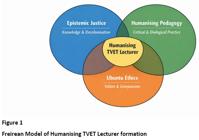
Our sequence maps are the synthesis resulting from the narrative-driven design process, through which the structure and elements of the experience are clearly communicated to the development team. The methodological approach of the study is described in Figure 1.
Ethical Considerations
This study strictly adhered to ethical standards to ensure the protection and safety of all participants. Prior to conducting interviews, participants were informed about the purpose of the research, the voluntary nature of their participation, and their right to withdraw at any time without consequences. Each participant provided written informed consent, and measures were taken to guarantee the confidentiality and anonymity of their personal data. Given the sensitive nature of the narratives related to the Colombian armed conflict, special precautions were taken to avoid re-victimisation and stigmatisation. This involved omitting specific geographical references and ensuring that all testimonies were presented without identifying details that could compromise the safety of the participants. Additionally, the research team received training on trauma-sensitive interviewing techniques to minimise potential psychological impacts on the respondents. All procedures were reviewed and approved by the Ethics Committee of Universidad Industrial de Santander, following national and international ethical guidelines for research involving human subjects.
Results
Collection and Purging of Testimonials
The semi-structured interviews resulted in 18 detailed testimonies that were analysed using narrative content analysis to identify patterns and emerging themes. The diversity of perspectives was prioritised, including both victims and former combatants. Details about the selection process and criteria are provided in the Methodology section. The testimonies were then analysed by identifying, in each case using the NVIVo software, the typologies of violent events related to the victims. These included: (1) forced displacement, (2) selective murder, (3) persecution, (4) threats, (5) false positives, (6) disappearance, (7) kidnapping, (8) torture, (9) forced recruitment, (10) massacres, and (11) rape.
Based on the content of the 18 accounts and contrasting the facts described with secondary sources in historical records and official reports, the most relevant issues were established for each of the three regions studied in the project. In Antioquia, the occurrence of false positives, kidnappings, and forced displacements stood out. In Santander, recruitment practices predominated, and sexual violence was also related. In Norte de Santander, the predominant occurrence was related to forced recruitment. Once the central topics for discussion in each region were established, it was possible to define the appropriate approach for the dialogue on each territory. Priority was given to an approach that promoted resilience and reconciliation. In addition, the importance of historical memory and the right to truth as tools for reparation were highlighted along with the need to build inclusive narratives to avoid the repetition of the conflict.
The narratives of the testimonies were processed by a team composed of journalists, historians, and sociologists from a Colombian university, experts in the subject of the armed conflict, and were transcribed synthesising the most relevant in four interconnected stories, which compile the typologies of violent events previously described. In each story, the main character changes. The identities of the protagonists were protected without making direct reference to any of their stories, but preserving their real character.
Empathy and Target Audience Definition
The target audience for the video game was defined by considering demographic and psychographic characteristics. The selection process and criteria are described in the Methodology section. To create the user profiles, structured surveys consisting of 15 questions, divided into two main sections, were applied. The first section, composed of multiple-choice and Likert-scale questions, focused on assessing participants' preferences, expectations, and willingness to use a gamified educational tool. The second section included open-ended questions, allowing respondents to express in their own words, what type of experiences or content they considered most effective in fostering empathy and understanding about conflict.
Participants represented a diversity of genders and came from urban and rural areas in different regions of the country, all of them directly or indirectly affected by the armed conflict. In terms of socioeconomic level, the majority (72%) belonged to the middle and lower strata, which provided a relevant perspective to understand the specific needs of potential users. The psychographic characteristics identified highlighted a common interest in issues related to social justice, reconciliation, and the contemporary history of the country. A significant percentage of participants (48%) showed a preference for alternative and unconventional learning experiences, reflecting an interest in tools that foster an empathetic understanding of armed conflict. Among the most salient values were a desire to contribute to peace and justice (68%) and a willingness to explore diverse perspectives on the conflict (28%). Some participants expressed initial scepticism towards official narratives of the conflict, which underscored the importance of designing an inclusive and multifaceted narrative.
The results of the surveys reflected a high willingness of participants to interact with a gamification-based educational tool; 88 per cent of them expressed considerable interest in engaging with an experience that would allow them to explore different roles and perspectives of the conflict. In addition, 80 per cent considered it essential that the video game narrative include both the voices of victims and ex-combatants, as well as the participation of community actors who have worked for peace. A strong interest in content that offered a critical approach to the causes and consequences of the conflict was also identified, highlighting the importance of an approach that went beyond the simple transmission of information to promote a deep and empathetic understanding. In this way, the team arrived at two user profiles shown in Figure 2.
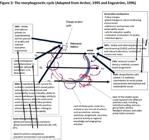
The findings of this section allowed us to adapt the narrative and the design of the gamified experience so that it would connect with the target audience and promote critical reflection and empathy towards the various actors involved in the armed conflict.
Conceptual and Narrative Design of the Educational Videogame
Creation of Learning Objectives (LOs)
The expected LOs were oriented to three key dimensions: knowledge, skills, and attitudes, aligned with the principles of education for peace and reconciliation. These objectives were elaborated from the analysis of the testimonies collected and the profile of the target audience to ensure a connection between the content of the video game and the emotional, cognitive, and attitudinal aspects of its future users (see Table 1).
The formulation of these learning objectives was the result of an iterative process that considered both the demographic and psychographic characteristics of the target audience and the relevance of the selected narrative content. The objectives are designed to transmit knowledge about the armed conflict, promote socioemotional skills, and develop attitudes that contribute to dialogue and reconciliation in the Colombian context. This triple dimension seeks an informative and transformative video game experience.
Worldbuilding
The construction of this world focused on creating a coherent and respectful representation of the symbolism and material conditions of the Colombian communities. Although it was established that the stories would take place in Colombia, it was decided to avoid specifying exact locations so as not to stigmatise any place, thus mitigating the risk of re-victimisation of its inhabitants. The temporal setting was the first two decades of the 21st century, those of the greatest armed belligerence, up to the years prior to the dialogues that culminated in the 2016 Peace Accord.
The narrative takes place mainly in rural areas because these territories were the most affected by the violence of the conflict. To faithfully reflect the rural environments of the Colombian mountain ranges, mountainous landscapes were recreated with vegetation to match, as well as the architecture and infrastructure characteristic of the country's interior. On the social level, communities with limited resources and restricted capital were depicted. The living conditions of the characters were designed to reflect those of the real population, with a level of education usually limited to secondary school. The language chosen was Spanish with an accent typical of the Andean region, consistent with the geographic location. Table 2 presents a description of the main characters, and Figure 3 shows the sketches created by the design team.
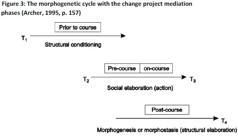
The development of the characters reflects how violence and uncertainty shape their decisions and visions of the future. Traditional elements were incorporated into the environment to enrich immersion. The narrative includes implicit laws that represent an environment without unified state authority where the law of the strongest prevails and survival is the main objective. Characters face pressure from different armed groups as they seek to maintain social cohesion and cultural identity. Stories from community leaders add depth and authenticity to the setting. The settings incorporate sounds of local wildlife and wind in the mountains and dense vegetation, conveying both the tension and beauty of the Andean landscapes. Interaction with the environment allows the characters to search for resources, find shelter, and discover clues, encouraging exploration and immersion in the story.
Storytelling and Level Creation
The narrative creation process started from the general notions of the four synthesised stories, which were then developed in greater detail to deliver an immersive and meaningful experience. Multiple script versions were developed, precisely defining the main characters, non-playable characters, interactive elements, and specific scenarios. Early versions of the script provided a general approach that structured the storyline into acts and established base profiles for the four playable and 14 supporting characters. Choral narrative was employed as the primary technique, allowing the stories to interconnect and fostering a player's self-driven experience.
In the second phase of development, the worldbuilding elements and the information obtained in the empathy stage were incorporated, adjusting the stories to align them with the needs of the target audience defined through user profiles. The narrative summaries were expanded to include a detailed description of the characters, scenarios, and interaction elements, as well as the layout of spaces and objects in each campaign.
Subsequently, progress was made towards the implementation of the interaction mechanisms and the creation of levels. Four levels were defined, each associated with one of the main characters: Francisco, Milo, Julián, and Elena (see Table 3). These levels can be played without a pre-established order, allowing the player to freely choose which story to access first, without the need to pass one level to unlock another. This non-linear structure provides the player with a more personalised experience and reflects the diversity of perspectives that exist in the context of armed conflict.
Each level presents specific challenges that are aligned with the learning objectives, and maintain coherence with the narrative. Clicker and platforming game mechanics were selected, which subtly interrupt the narrative dynamics and highlight the complexity of decisions. Level rules reflect the constraints faced by the characters: player decisions may or may not change the plot, depending on their role. Civilians have a limited ability to influence, while combatant decisions have a greater impact, albeit with significant personal consequences. This makes the player think about the difficulty of making decisions in an environment marked by conflicting interests and the possibility that even the best intentions can lead to adverse results.
Absolute answers were not encouraged, but rather a space for debate and reflection was promoted. The visual style was defined by the project team through an industry analysis, selecting a low-resolution pixel art approach that avoided stereotypes and reflected the everyday life of the Colombian population. The intention was to convey empathy and realism without distinctive features that reinforce prejudices (see Figure 4).
The final version of the script integrated detailed descriptions of the elements of the environment, the sequence of challenges at each level, and the consequences of overcoming or failing them. This structure consolidated the video game as an educational tool aligned with the territorial reality, inviting exploration and fostering an empathetic understanding of the Colombian context.
Sequence Maps
Finally, to represent each level in a clear and communicable way to the programmers and the digital production team, a tool capable of integrating all the narrative and mechanical layers in a single scheme was needed. That is, a resource that would consolidate dialogues, challenges, character interactions, interactive elements, decisions and feedback, all organised according to the acts and scenarios previously defined in the scripts. For this purpose, sequence maps were used using the specific nomenclature shown in Figure 5.
The output (see Figure 6) was especially valuable for estimating the resources needed for the prototypes and for estimating development times because the diagrams functioned as a synthesis of all the required elements. They were also a useful guide for the writers and artists in shaping the dialogues and visual aspects of the narrative.

Discussion, Limitations and Future Challenges
Throughout the conceptual and narrative design process, several limitations arose that influenced the depth and precision of the elements developed. One of these was the sample used to define the user profiles. Although it was of informative typology, it is recognised that it was not wide enough to exhaustively represent the characteristics and needs of potential users, a fact that could have enriched the development of the stories and interactions within the video game. This limitation is related to the need to manage time availability and user accessibility for educational experiences of this type, as noted in previous studies (Barroso, 2016; Padilla Zea et al., 2009; Proulx et al., 2017).
On the other hand, the rigorous following of the design thinking methodology was restricted due to time constraints. The project team applied the key phases of empathy, definition, ideation, and prototyping, but the lack of iteration and additional adjustments limited the optimisation of the narrative design and if we look at the literature, we find support about that the effectiveness of digital tools varies according to the level of self-management and user experience in virtual environments, which was also a challenge in the present project (González Sánchez et al., 2009; Gros, 2008; Planells de la Maza, 2011).
Budget restrictions, given that this is a publicly funded project, represented another relevant challenge, limiting the extension of narrative elements and the design of secondary characters. While it was possible to create a solid narrative framework and a set of well-defined main characters, budget constraints limited the expansion of the narrative to include more secondary characters and details that would have provided greater richness to the world created.
Regarding the particularities and sensitivity of the topic addressed, the literature suggests the adaptation of conventional methodologies when addressing critical issues related to historical memory and peacebuilding (Mejía & Londoño, 2011; Montes et al., 2017; Torres, 2015; Zapirain & Massa, 2016). For this reason, the methodology applied was qualitative methodology adapted to the research context, allowing the research team to adjust to the specific needs of the study while ensuring a comprehensive understanding of the collected testimonies. Although this methodological adaptation provided flexibility, it also presented challenges in maintaining consistency throughout the research process.
The constant evolution of gamification technologies and subpart interactive storytelling presents both an opportunity and a challenge. The ability to update and adapt narrative mechanics will be crucial to ensure that the tool remains relevant and effective in promoting peace education and reconciliation. The inclusion of new pedagogical approaches and adaptation to users' previous experience in digital environments (Gros, 2008) will be essential to maximise the educational impact of the tool. Looking ahead, these limitations become opportunities to strengthen this, or other developments dedicated to the transmission of peace stories about the armed conflict in Colombia.
Conclusions
The conceptual and narrative design that served as the basis for the development of the educational video game about the armed conflict in Colombia proved to be an enriching and challenging process for this work team. Throughout the project, key limitations were identified such as the need to expand the sample used to define the user profiles, and the time and budget restrictions that limited the precise implementation of methodologies such as design thinking. Despite these difficulties, we were able to create a narrative framework that captured the complexity of the lived realities of the actors involved in the armed conflict in Colombia.
The results obtained in this project highlight the importance of using a flexible qualitative approach that integrates methodological and creative aspects. This methodological adaptation allowed the study to address the challenges of working with a sensitive and multifaceted topic such as historical memory in the Colombian context, ensuring a coherent and empathetic narrative. While methodological and budgetary limitations may have influenced the depth of the design, an adaptive, user-centred, and narrative-based approach proved effective in generating meaningful experiences that contribute to education and critical reflection.
In addition, the constant evolution of gamification and interactive storytelling technologies poses both opportunities and challenges. Updating and adapting narrative mechanics will be essential to maintain the relevance and effectiveness of the educational tool in promoting peace and reconciliation. The incorporation of contemporary pedagogical approaches and the consideration of users' previous experience in digital environments are promising areas for future research and development.
The work carried out contributes to the understanding of how an immersive educational experience can be designed, and opens new possibilities to explore other areas of interest such as the integration of more diversified narratives and the creation of tools with a broader scope. The challenges addressed and the solutions implemented in this project provide a solid foundation for developing new strategies to continue transmitting stories of peace and reflection on the armed conflict in Colombia, contributing to the social fabric and the construction of a more comprehensive and inclusive memory.
Acknowledgements
This work was carried out as part of the project, Testimonios de Paz: Propuesta pedagógica Gamificada Sobre Historias de Paz y Reconciliación de Actores del Conflicto Armado Colombiano, funded by Minciencias, Colombia, through Call for Proposals 890, under Contract 2021-1081/21. We gratefully acknowledge the support of Minciencias, which made this research and the development of an innovative educational tool aimed at fostering education and promoting peace in the country possible.
References
- Aguilar, S., & Barroso, J. (2015). La triangulación de datos como estrategia en investigación educativa [Data triangulation as education researching strategy]. Píxel-Bit, Revista de Medios y Educación, 47, 73-88. http://dx.doi.org/10.12795/pixelbit.2015.i47.05
- Barroso, A. A. (2016). Videojuegos y comportamientos agresivos: Una aproximación [Video games and aggressive behaviours: An approach]. Alternativas Cubanas En Psicología, 4(11), 91-100. https://tinyurl.com/4ech29nj
- Beyer, H., & Holtzblatt, K. (1998). Contextual design: Defining customer-centered systems. Morgan Kaufman. https://dl.acm.org/doi/pdf/10.5555/2821566
- Bruner, J. (1991). The narrative construction of reality. Critical Inquiry, 18(1), 1-21. https://doi.org/10.1086/448619
- Buchanan, R. (1992). Wicked problems in design thinking. Design Issues, 8(2), 5-21. https://doi.org/10.2307/1511637
- Calderón Rojas, J. (2016). Stages of the armed conflict in Colombia: Towards post-conflict. Latinoamérica. Revista de Estudios Latinoamericanos, 62, 227-257. https://www.scielo.org.mx/scielo.php?pid=S1665-85742016000100227&script=sci_abstract&tlng=en
- Campbell, J. (1949). The hero with a thousand faces (1st ed.). Pantheon.
- Cascante Gómez, M. E. (2018). La gamificación como recurso didáctico para la enseñanza de la historia [Gamification as a teaching resource for teaching history]. Perspectivas, 17, 1-22. https://doi.org/10.15359/rp.17.2
- Centro Nacional de Memoria Histórica. (2013). ¡Basta ya! Colombia: Memorias de guerra y dignidad: Informe general Grupo de Memoria Histórica. [Enough is enough! Colombia: Memories of war and dignity: General Report Historical Memory Group]. Presidencia de la República, Departamento Administrativo para la Prosperidad Social. https://centrodememoriahistorica.gov.co/wp-content/uploads/2021/12/1.-Basta-ya-2021-baja.pdf
- Cortés-Martínez, C., Fernández, E., & Caballero Hernández, J. (2023). La misión imposible del periodismo hoy: CLAEP-20 años [The impossible mission of journalism today: CLAEP-20 Years]. Editorial Universidad del Norte. https://editorial.uninorte.edu.co/gpd-la-mision-imposible-del-periodismo-hoy-claep-20-anos-9789587895582-654e5836590dd.html
- Cufoglu, A. (2014). User profiling: A short review. International Journal of Computer Applications, 108(3), 1-9. https://doi.org/10.5120/18888-0179
- Del Pino, P. (2003). Memorias de la represión Vol 6: Luchas locales, comunidades e identidades.Memories of repression Vol. 6: local struggles, communities, and itentities]. Siglo XXI Editores. https://www.ssrc.org/publications/memorias-de-la-represion-vol-6-luchas-locales-comunidades-e-identidades/
- Deterding, S., Dixon, D., Khaled, R., & Nacke, L. (2011). From game design elements to gamefulness: Defining "gamification." In MindTrek '11: Proceedings of the 15th International Academic MindTrek Conference: Envisioning Future Media Environments (pp. 9-15). Association for Computing Macherinery. https://doi.org/10.1145/2181037.2181040
- Esnaola Horacek, G. A., & Levis, D. (2008). La narrativa en los videojuegos: Un espacio cultural de aprendizaje socioemocional [Narrative in videogames: A cultural space for socioemotional learning]. Education in the Knowledge Society (EKS), 9(3), 48-68. https://doi.org/10.14201/eks.16789
- Foddy, W., & Foddy, W. H. (1993). Constructing questions for interviews and questionnaires: Theory and practice in social research. Cambridge University Press. https://doi.org/10.1017/CBO9780511518201
- Freire, P. (2023). Pedagogía del oprimido. [Pedagogy of the oppressed]. Siglo XXI Editores.
- González Sánchez, J. L., Padilla Zea, N., & Gutiérrez, F. L. (2009). From usability to playability: Introduction to player-centred video game development process. In M. Kurosu (Ed.), Lecture notes in computer science (Vol. 5619, pp. 65-74). Springer. https://doi.org/10.1007/978-3-642-02806-9_9
- Górnez Arévalo, A. P. (2014). Del presente al futuro: De la educación para la paz a la pedagogía para la paz [From the present to the future: From education for peace to pedagogy for peace]. Ra Ximhai, 10(2), 257-289. https://www.redalyc.org/pdf/461/46131266011.pdf
- Gould, J. D., & Lewis, C. (1985). Designing for usability: Key principles and what designers think. Communications of the ACM, 28(3), 300-311. https://doi.org/10.1145/3166.3170
- Gros, B. (2008). Juegos digitales y aprendizaje: Fronteras y limitaciones [Digital games and learning: Frontiers and limitations]. In B. Gros (Ed.), Videojuegos y aprendizaje (pp. 9-30). Graó. https://es.scribd.com/document/455751995/Juegos-digitales-y-aprendizaje-fronteras-y-limitaciones-Bergona-Gros
- Indepaz. (2021). 5 años del Acuerdo de Paz: Balance en cifras de la violencia en los territorios [5 years after the Peace Accord: Balance in figures of violence in the territories]. Instituto de estudios para el desarrollo y la paz. https://indepaz.org.co/5-anos-del-acuerdo-de-paz-balance-en-cifras-de-la-violencia-en-los-territorios/
- Jelin, E. (2003). State repression and struggles for memory. University of Minnesota Press. https://www.upress.umn.edu/9780816642847/state-repression-and-the-labors-of-memory/
- Jimenez Hernandez, E. M., Oktaba, H., Piattini, M., Diaz Barriga Arceo, F., Revillagigedo Tulais, A. M., & Flores Zarco, S. V. (2016). Methodology to construct educational video games in software engineering. In 4th International Conference in Software Engineering Research and Innovation (CONISOFT) (pp. 110-114). IEEE. https://doi.org/10.1109/CONISOFT.2016.25
- Krathwohl, D., Bloom, B., & Masia, B. (1956). Taxonomy of educational objectives: Handbook II: Affective domain. David McKay.
- Mejía, G., & Londoño, F. (2011). Diseño de juegos para el cambio social [Game design for social change]. Kepes, 8(7), 135-158. https://revistasojs.ucaldas.edu.co/index.php/kepes/article/view/451/376
- Mesa García, E. (2009). El Frente Nacional y su naturaleza antidemocrática [Frente Nacional and its anti-democratic nature]. Revista Facultad de Derecho y Ciencias Políticas, 39(110), 151-184. https://www.redalyc.org/pdf/1514/151412842007.pdf
- Montes, J., Copete, C., & Figueroa, P. (2017). Diseño de mecánicas de videojuegos para la creación de condiciones específicas de diálogo con personas que sufren de depresión [Design of video game mechanics for the creation of specific dialogue conditions with people suffering from depression]. In Proceedings of IV Congreso de La Sociedad Española Para Las Ciencias Del Videojuego (pp. 79-91). https://ceur-ws.org/Vol-1957/CoSeCiVi17_paper_8.pdf
- Norman, D. A. (2013). The design of everyday things (Vol. 1). Basic Books. https://dl.icdst.org/pdfs/files4/4bb8d08a9b309df7d86e62ec4056ceef.pdf
- Padilla Zea, N., González Sánchez, J. L., Francisco, L., Gutiérrez, M. J., & Cabrera Paderewski, P. (2009). Diseño de videojuegos colaborativos y educativos centrados en la jugabilidad [Collaborative and educational video game design focused on gameplay]. Revista Iberoamericana de Tecnologías Del/Da Aprendizaje -Aprendizagem, 4(3), 191-198. https://lsi2.ugr.es/juegos/articulos/siie08-colaboracion.pdf
- Pérez, F. (2016). El papel de la educación en el posconflicto [The role of education in post-conflict]. Corporación Viva La Ciudadanía, 496, 1-11. https://www.academia.edu/download/54943934/El_papel_de_la_educacion_en_el_posconflicto.pdf
- Pérez, P. T. H. (2015). Colombia: De la educación en emergencia hacia una educación para el posconflicto y la paz [Colombia: From education in emergency to education for post-conflict and peace]. Revista Interamericana de Investigación, Educación y Pedagogía, 7(2), 287-311. https://doi.org/10.15332/s1657-107X.2014.0002.06
- Pérez, T. (2003). La construcción de las naciones como problema historiográfico: El caso del mundo hispánico [The construction of nations as a historiographic problem: The case of the Hispanic world]. Historia Mexicana, 53(2), 275-311. https://historiamexicana.colmex.mx/index.php/RHM/article/view/1449
- Preece, J., Rogers, Y., & Sharp, H. (2002). Interaction design: Beyond human-computer interaction. John Wiley & Sons. https://www.theswissbay.ch/pdf/Gentoomen%20Library/Misc/Interaction%20Design%20-%20Beyond%20Human-Computer%20Interaction%20%281st%20edition%29.pdf
- Ricoeur, P. (2004). Memory, history, forgetting. University of Chicago Press.
- Roine, H. R. (2016). Imaginative, immersive and interactive engagements: The rhetoric of worldbuilding in contemporary speculative fiction. Tampere University Press.
- Salcedo Galvis, H. (2011). Los objetivos y su importancia para el proceso de enseñanza-aprendizaje [Objectives and their importance for the teaching-learning process]. Revista de Pedagogía, 32(91), 73-88. https://www.redalyc.org/pdf/659/65926549007.pdf
- Seidman, I. (2006). Interviewing as qualitative research: A guide for researchers in education and the social sciences (Vol. 1). Teachers College Press.
- Torrado, S. (2025, February 5). Proceso de paz con el ELN: Cese al fuego, secuestro y el futuro de las negociaciones con el Gobierno de Gustavo Petro [Peace process with ELN: Ceasefire, kidnapping and the future of negotiations with Gustavo Petro's government]. El País. https://elpais.com/america-colombia/2025-02-06/proceso-de-paz-con-el-eln-fin-del-cese-al-fuego-secuestro-y-suspension-de-los-dialogos-con-el-gobierno-petro-clone.html
- Torres, C. (2015). Simular problemas sociales con videojuegos: Algunas claves para el diseño de videojuegos críticos [Simulating social issues through video games: Key insights for designing critical games]. Kepes, 12(12), 193-226. https://doi.org/10.17151/kepes.2015.12.12.10
- Tovar Florez, M. A., & Vanegas Niño, L. K. (2019). Memoria histórica en Colombia: Subjetividades y recomposición del tejido social a través de la narración [Historical memory in Colombia: Subjectivities and recomposition of the social fabric through narration]. Ciudad Paz-Ando, 12(2), 33-43. https://doi.org/10.14483/2422278X.13954
- van Gils, F. (2005). Potential applications of digital storytelling in education. In Proceedings of 3rd Twente Student Conference on IT, (pp. 1-7). http://wwwhome.cs.utwente.nl/~theune/VS/Frank_van_Gils.pdf
- Zapirain, E. A., & Massa, S. M. (2016). Proceso de desarrollo de serious games: Diseño centrado en el usuario, jugabilidad e inmersión [Serious games development process: User-centered design, gameplay and immersion]. In Proceedings of 3er Congreso Argentino de Ingeniería y 9no Congreso Argentino de Enseñanza de La Ingeniería (CAEDI). https://tinyurl.com/mr2h36mf
- Zetina Rodríguez, M. del C. (2023). Antropología del diseño y etnografía en el contexto de los escenarios virtuales para la creación de diseño: Caso del Museo de los Exvotos en San Luis Potosí [Design anthropology and ethnography in virtual scenarios context for design creation: Museo de los Exvotos in San Luis Potosi case]. Designio, 5(2), 1-12. https://doi.org/10.52948/ds.v5i2.859