Creating an Epistemically Diverse Undergraduate Linguistics Curriculum
Abstract
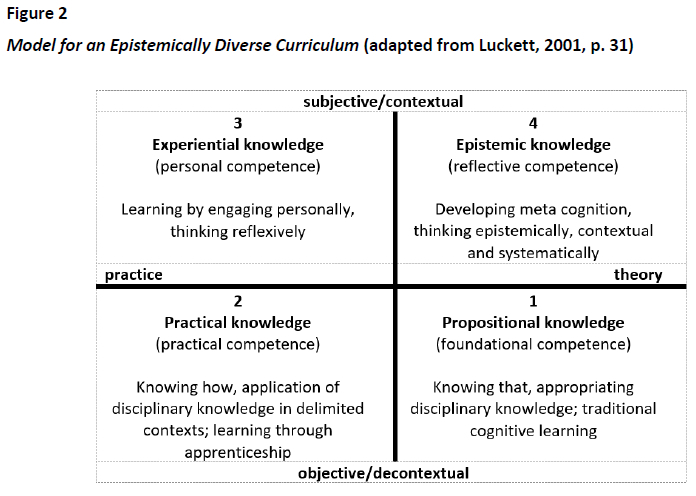
This article outlines the implementation of a service-learning course, Linguistics and Community, in a linguistics combined, second- and third-year curriculum. Adopting a qualitative, textual-analytic methodology using Luckett (2001) as an analytical lens, supplemented by quantitative data, we set out to enlist service-learning as one useful means to attain an epistemically diverse linguistics curriculum with reciprocal benefits for both students and community partners. Using a purposive sample, we triangulated data from two data sources: students' reflective journals and an online questionnaire. Our findings showed that the Linguistics and Community service-learning course allowed students to engage in experiential learning, cross-cultural experiences, and become involved with issues related to community building. In doing so, the course exposed students to the relevance of linguistics in everyday life. We argue that a thoughtfully constructed disciplinary-based service-learning programme can be a useful tool in fostering epistemic diversity within a specific discipline such as linguistics and contribute towards the decolonisation of the discipline.
service-learning; epistemic diversity; linguistics; reciprocity; literacy; curriculum development
 Thumbnail
 Thumbnail