Inclusive Education and Social Transformation: Analysing the Role of Education Policy in Increasing Equality Among Rural Students in Indonesia
Abstract
This article explores the role of education policy in promoting inclusive education, and its impact on social transformation, particularly in rural areas of Indonesia. By analysing the challenges and opportunities of inclusive education policies, the study identifies the gaps in access, infrastructure, and teaching quality that perpetuate educational inequality between urban and rural regions. The research highlights the potential of inclusive education to serve as a catalyst for social equity by addressing socio-economic disparities, improving social mobility, and fostering community empowerment. Through a combination of policy analysis and qualitative case studies, the findings suggest that inclusive education policies can effectively reduce inequalities if implemented with contextual sensitivity and community involvement. The study underscores the importance of ongoing monitoring, resource allocation, and stakeholder collaboration to achieve long-term educational and social transformation.
inclusive education; social transformation; education policy; rural Indonesia; educational inequality
Introduction and Background
The paradigm of inclusive education has experienced an escalation of significance in global discourse as a catalytic instrument for social equality and structural transformation. In the context of Indonesia, an archipelago characterised by socio-cultural heterogeneity and acute spatial disparities between urban and rural areas, the implementation of inclusive education policies offers the prospect of substantial amelioration of educational inequality among learners in rural areas (Omweri, 2024). This study aims to conduct a comprehensive analysis of the role of education policy in stimulating inclusive practices and accelerating social change in rural Indonesia.
Indonesia's education landscape is characterised by significant asymmetries between urban and rural areas (Butt, 2019). Learners in rural areas face multiplanar challenges including limited accessibility to quality educational institutions, a deficiency of qualified educators, inadequate infrastructure, and socio-economic barriers. This constellation of problems has longitudinal implications for vertical social mobility and economic development, perpetuating the cycle of deprivation and marginalisation in rural communities (Pepper & Nettle, 2017). In response to this phenomenon, the Indonesian government has initiated a paradigmatic shift by placing a more substantial emphasis on inclusive education as a strategy to mitigate these disparities.
The conceptualisation of inclusive education, as articulated by UNESCO, incorporates the process of addressing and responding to the diverse needs of all learners through the augmentation of participation in learning, culture, and community, and the reduction of exclusion within and from the education system (Ackah-Jnr, 2020). In the Indonesian context, this approach not only includes the integration of learners with disabilities into mainstream classrooms but also includes comprehensive efforts to ensure equity of educational opportunities for learners from a diverse spectrum of socio-economic, cultural, and geographical backgrounds (Bukhori Muslim, 2021). The implementation of inclusive education policies in rural areas represents a crucial step towards realising the national goals of equitable development and solid social cohesion.
This research aims to conduct an in-depth analysis of inclusive education policy in Indonesia, with a specific focus on its implications for learners in rural areas. Through an examination of policy formulation, implementation strategies, and outcomes, this study seeks to construct a comprehensive understanding of the potential of these initiatives in catalysing social transformation and reducing educational inequalities. Furthermore, this investigation will explore the challenges and opportunities inherent in the process of adapting inclusive education models to the unique context of rural communities in Indonesia. The following problem questions are formulated:
• How effective is the implementation of inclusive education policies in mitigating disparities in access to and quality of education between learners in urban and rural areas in Indonesia?
• To what extent have inclusive education policies contributed to social transformation and increased vertical mobility among Indonesia's rural communities, and what are the implications for long-term socio-economic structures?
• How do the dynamics of interaction between cultural, socio-economic, and geographical factors influence the adaptation and implementation of inclusive education models in rural Indonesia, and what are the potential strategies to optimise policy outcomes?
These three research questions are designed to direct investigations into crucial aspects of the topic including policy effectiveness, long-term social impacts, and implementation complexities in the specific Indonesian context. They also facilitate a multidimensional analysis of the issue of inclusive education and social transformation in rural Indonesia.
In the context of this study, a comprehensive literature review is a fundamental step to building a solid conceptual foundation. The literature relevant to the topic of inclusive education and social transformation in rural Indonesia demonstrates the complex interconnections between education policy, socio-cultural dynamics, and economic development. Previous studies have explored various dimensions of this phenomenon, but there are still significant lacunae in our understanding of the effectiveness and long-term implications of inclusive education policies in rural Indonesia. Research conducted by Bonati and Andriana (2021) underscored the importance of a contextual approach in the implementation of inclusive education in Indonesia. They asserted that top-down policies often fail to accommodate the complexity and diversity of conditions on the ground, especially in rural areas. Their study highlighted the urgency of adopting a more participatory and community-based approach in designing and implementing inclusive education programmes. That finding correlated with the argument put forward by Rante et al. (2020), who emphasised the significance of cultural sensitivity in the process of adapting inclusive education models to the local Indonesian context.
Furthermore, a longitudinal investigation conducted by Shaturaev (2021) provided valuable insights into the trajectory of inclusive education policy development in Indonesia over the past decade. That author identified a paradigmatic shift from an approach that focuses on the physical integration of learners with special needs to a more holistic conceptualisation that includes socio-cultural and economic aspects.
However, the study also revealed a persistent gap between policy formulation at the national level and the reality of implementation at the grassroots level, especially in geographically isolated areas.
The aspect of social transformation catalysed by inclusive education is discussed in depth in the work of Neuman (2008). That research demonstrated how access to quality inclusive education can be a powerful instrument in breaking the cycle of intergenerational poverty in rural communities. The author argued that inclusive education not only increases individual capacity but also transforms social structures by creating vertical mobility opportunities that were previously unavailable. However, they also warned that in the absence of holistic and sustainable policy interventions, these transformative impacts may not be fully realised. In the context of national policy, Prayitno et al.'s (2023) critical analysis of the 2020-2024 National Medium-Term Development Plan revealed inconsistencies between the rhetoric of inclusiveness and the actual allocation of resources. They argued that while there is a strong verbal commitment to inclusive education, implementation on the ground is often hampered by limited budget and institutional capacity, especially in areas far from the centre of government.
Social Transformation Theory, rooted in the structural sociological approach and social change theory, provides a conceptual foundation in analysing how inclusive education policies can catalyse social change in rural Indonesia. The theory is applied by detailing the fundamental elements that explain the dynamics of social change due to inclusive education policy interventions. The main components of the theory include structure and agency in social change, dimensions of social change, social transformation as an evolutive process, and the role of education as an instrument of change. Structure refers to the social systems, norms, and policies that govern interactions in society, while agency refers to the individuals and groups that act within the social system to bring about change. Inclusive education acts as a structural element that regulates access and quality of education, and enables actors such as teachers, students, local governments, and civil society organisations to change the education paradigm in rural areas.
The dimensions of social change studied include structural change, cultural change, and changes in social interaction. The implementation of inclusive education policies creates changes in the education system through the removal of institutional barriers that have hindered access to education for marginalised groups. Through socialisation and education, people's perceptions of inclusive education have been transformed from exclusive to more open to diversity. This policy also has the potential to create a more cooperative environment in schools and communities, strengthen social cohesion, and reduce education-based social inequality. The social transformation that occurs is evolutive through gradual stages that include policy adaptation, social acceptance, and long-term impacts on social mobility. This study shows that the implementation of inclusive education policies in rural areas has had a real impact on social mobility and changes in local economic structures. In the context of education as an instrument of change, inclusive policies play a role in reducing social disparities and increasing access to quality education for marginalised groups, which in turn, enlarges opportunities for vertical mobility and improved quality of life. This study reveals that regions with stronger inclusive policy implementation tend to have higher education participation rates as well as changes in people's mindsets towards diversity and social inclusion. Social Transformation Theory is used as an analytical tool in understanding the relationship between inclusive education policies and social change through concept operationalisation, comparative analysis, and empirical validation.
A comparative study by Hosshan et al. (2020) between the implementation of inclusive education in Indonesia and other Association of Southeast Asian Nations countries provides a valuable perspective. They identified best practices from neighbouring countries that have the potential to be adapted to the Indonesian context but also stressed the importance of considering Indonesia's unique characteristics as an archipelago with high socio-cultural diversity. The aspect of technology in supporting inclusive education in rural areas was comprehensively discussed by Fox et al. (2012). They explored the potential and challenges of integrating technological solutions to bridge the gap in access and quality of education between urban and rural areas. However, they also warned that without adequate infrastructure and capacity building of educators, technology adoption alone would not be able to overcome the structural problems.
Inclusive Education
Inclusive education has been a central paradigm in global education policy discourse over the past few decades. The concept has undergone significant evolution since its inception, with varying interpretations and implementations across different socio-cultural contexts and education systems. The most widely adopted conceptual definition of inclusive education internationally came from Ainscow and Miles (2009), who characterized inclusive education as a continuous process that aims to provide quality education for all, while respecting diversity and the varied needs, abilities, characteristics, and learning expectations of learners and communities. This definition emphasises the dynamic and transformative nature of inclusive education, going beyond earlier conceptions that tended to focus exclusively on the integration of learners with disabilities into mainstream education systems.
Ainscow (2015) expanded our understanding of inclusive education by proposing a conceptual framework that includes six dimensions: (1) participation and achievement of all learners, (2) increasing the capacity of schools to respond to diversity, (3) developing inclusive values, (4) restructuring the culture, policies, and practices in schools, (5) connecting schools to the wider community, and (6) recognising that inclusion in education is an aspect of inclusion in society. This framework offers a multidimensional lens for understanding and operationalising inclusive education. Fielding and Moss (2010) criticised an overly narrow approach to understanding inclusive education, arguing that the concept should be understood as a political project that aims to transform the education system and society as a whole. They emphasised the importance of analysing and challenging the power structures and exclusionary mechanisms that exist within the education system and society at large. In the context of international policy, the Salamanca Declaration (Winzer & Mazurek, 2023) was an important milestone that confirmed the global commitment to inclusive education. It emphasised the principle that regular schools with an inclusive orientation are the most efficacious method of countering discriminatory attitudes, fostering inclusive communities, constructing equitable societies, and attaining universal education.
Guđjónsdóttir and Óskarsdóttir (2016) developed the concept of Inclusive pedagogy, which emphasises the importance of changing teaching practices to respond to the diversity of learners without marginalising certain individuals or groups. This approach focuses on developing learning communities that are collaborative and responsive to the needs of all learners. A critical aspect of inclusive education was discussed by Osler (2015), who argued that inclusive education must be understood within the framework of social justice and human rights. She stressed the importance of analysing and challenging the wider social, economic, and political structures that contribute to exclusion and marginalisation in education. In the context of implementation, research conducted by Óskarsdóttir et al. (2020) identified key factors that influence the success of inclusive education including effective leadership, inclusive school culture, responsive teaching practices, support for staff and learners, and close collaboration with families and communities.
Tristani and Bassett-Gunter (2020) highlighted the importance of teacher professional development in realising inclusive education. They argued that changes in teachers' attitudes, knowledge, and skills are fundamental prerequisites for effective implementation of inclusive education. In the context of national policies, Liasidou (2012) analysed how different countries have adopted and adapted the concept of inclusive education in their policy frameworks. They identified significant variations in interpretation and implementation, influenced by each country's historical, socio-cultural, and economic context. A systematic review conducted by Haug (2017) of empirical research on inclusive education revealed that while there is broad consensus on the principles of inclusive education, there are still significant gaps between theory and practice. They identified the need for more robust longitudinal research to evaluate the long-term impact of inclusive education policies and practices.
Education Policy in Indonesia
Education policy in Indonesia has undergone significant evolution since the independence era, reflecting the country's socio-political and economic dynamics. This trajectory of policy development is characterised by a complex interaction between national aspirations, international pressures, and diverse contextual realities across the archipelago. The history of Indonesian education policy can be traced back to the post-independence era, where the main focus was on expanding access to education as an instrument of nation building. As Eddyono (2018) argued, education policy in this early period was heavily influenced by nationalist ideology and the need to build a cohesive national identity. A significant transformation in Indonesia's education policy landscape occurred during the New Order era. Research conducted by Hawkins (2000) shows that this period was marked by a strong centralistic approach, with an emphasis on curriculum standardisation and massive development of educational infrastructure. Although successful in increasing school enrolment rates, this approach also resulted in significant regional disparities and was less responsive to local needs. The Reform Era that began in 1998 brought about a paradigmatic shift in Indonesian education policy. Widodo (2024) analysed how decentralisation and democratisation have influenced education policy formulation and implementation. Law No. 20/2003 on the National Education System became the legal foundation that affirmed the commitment to quality, equitable, and inclusive education.
A critical aspect of contemporary Indonesian education policy was the effort to improve the quality of education. A study conducted by Jawas (2014) revealed the complexity of the challenges in improving education quality amid Indonesia's diverse socio-economic and geographical contexts. She highlighted the importance of a more nuanced and contextualised approach in implementing quality improvement policies. Indonesia's education budget policy, which stipulated a minimum allocation of 20% of the state budget to the education sector, has been the subject of critical analysis by various scholars. The issue of decentralisation in Indonesian education policy was comprehensively discussed by Ribot (2001). She argued that while decentralisation opens up opportunities for policies that are more responsive to local needs, its implementation is often hampered by limited institutional capacity at the local level and the lack of effective accountability mechanisms.
Social Transformation
In the Indonesian context, which is characterised by socio-cultural diversity and significant regional disparities, the implementation of inclusive education through progressive education policies has the potential to catalyse substantive social transformation. As argued by Ainscow and Miles (2009), inclusive education goes beyond the integration of learners with special needs; it is a holistic approach to transforming the education system to be responsive to the diversity of all learners. In Indonesia's education policy landscape, which has undergone significant evolution since the Decentralisation Era (Crisp, 2021), there are opportunities and challenges in operationalising the principles of inclusiveness. Tamadoni (2024) identified that while decentralisation opens up space for more contextualised policies, implementation is often constrained by limited institutional capacity at the local level. Social transformation, as conceptualised by Giddens (1984, as cited in Tural, 2017) through his structural theory, involves a dialectical interaction between agents and structures. In this context, inclusive education policies can be understood as structural interventions that have the potential to empower agents of change at the grassroots level, as illustrated in the study by Andriana (2022) on the impact of inclusive education on social mobility in rural Indonesian communities. However, as Bruce (1993) reminded us through his concept of social acceleration, the speed of technological and social change creates significant adaptive challenges for the education system. This is reflected in Todapa's (2024) analysis of the integration of digital technologies in Indonesian education policy. The synthesis of these various perspectives underscores the urgency to develop inclusive education policies that are not only responsive to Indonesia's contextual diversity, but also anticipatory of the dynamics of global social transformation.
Educational Inequality in Rural Areas
Educational inequality in rural areas is a multidimensional phenomenon that both reflects and perpetuates broader socio-economic disparities between urban and rural areas. The longitudinal study conducted by Pratiwi et al. (2024) revealed the persistence of this gap, manifested through various indicators including access, quality, and outcomes of education. Structural factors contributing to this disparity include geographical isolation, inadequate infrastructure, and disproportionate resource allocation, as identified in Rao's (2024) comparative analysis across developing countries. Spensberger et al. (2021) further highlighted how educational inequality in rural areas often interacts with and is exacerbated by socio-cultural factors such as gender, ethnicity, and socio-economic status, creating complex layers of marginalisation. In this context, Cerna (2021) proposed a conceptual framework that looks at education quality through a social justice lens, emphasising the importance of understanding education inequality not only in terms of access, but also in terms of relevance and democratisation of knowledge.
A crucial aspect of educational inequality in rural areas is the disparity in teaching quality. Darling-Hammond and Sykes (2003) demonstrated how ineffective teacher deployment policies often result in a concentration of underqualified teachers in rural schools, while Azano et al. (2019) explored the complexity of teachers' professional experiences and identities in rural contexts. Furthermore, limited access to educational resources, including learning materials and technology, as analysed by De Muro (2011), widen the digital divide between learners in urban and rural areas, which has significant implications for their preparation for the knowledge-based economy. The political economy dimension of educational inequality in rural areas cannot be ignored. The analysis conducted by Ahmad and Brosio (2009) revealed how education decentralisation policies, although aimed at improving responsiveness to local needs, often reinforce structural inequalities due to differences in fiscal capacity between regions. This correlates with Klees' (2008) findings that education policies influenced by the global neoliberal agenda often fail to accommodate the contextual realities of rural areas in developing countries.
Policy interventions to address educational inequality in rural areas have taken various forms, but their effectiveness varies. McEwan (2015), through a meta-analysis of education interventions in developing countries, identified that programmes that combine increased educational inputs with pedagogical reforms and strengthened community engagement show the most significant potential. Meanwhile, Avery (2017) emphasised the importance of a more nuanced and contextual approach in designing curriculum and pedagogy for rural contexts that does not only focus on standardisation but also, on relevance and empowerment of local communities. The development of digital technology has opened up new opportunities as well as challenges in addressing educational inequality in rural areas. While e-learning and distance education offer the potential to bridge the access gap, Barbour (2024) warned that without holistic policy interventions, technology alone could widen existing inequalities. This resonates with Selwyn and Gasevic's (2020) argument about the importance of understanding educational technology within a broader social justice framework.
The long-term implications of educational inequality in rural areas for social mobility and economic development have been the focus of numerous longitudinal studies. Liu et al. (2022) demonstrated how educational inequality contributes to the reproduction of socio-economic inequality across generations in rural areas, while Shepherd (2023) explored the interconnections between educational inequality, capabilities, and development trajectories in rural areas. In the context of climate change and environmental degradation, a new dimension of educational inequality in rural areas is gaining attention. Bruckmeier and Pires (2018) argued the importance of integrating education for sustainable development to address educational inequality in rural areas, emphasising the potential of transformative education in building the resilience of rural communities to socio-ecological challenges.
Theoretical Framework
In this article, the most appropriate grand theory to use is Social Transformation Theory. This theory is particularly relevant given the article's focus on social change through inclusive education policy to increase equality among rural students in Indonesia. The use of the theory is reflected in several aspects of the article such as structural analysis of the condition of education in rural areas, identification of education policy as an agent of change, and discussion of barriers to achieving educational equality.
Indicators of the use of Social Transformation Theory in this article may include analysing the process of social change that is expected to occur through the implementation of inclusive education policies. The Indonesian socio-cultural context influences the implementation of the policy and uses a multidimensional approach that includes economic, social, and cultural aspects in its analysis. A focus on the expected outcome-increased equity among rural students-is also a strong indicator of the use of this theory.
Research Methodology and Design
This research will apply an interpretivist paradigm to explore in depth, the interactions between inclusive education policies, social transformation, and equity dynamics in the context of rural students in Indonesia (Paudel, 2024). The data collection process will involve the acquisition and analysis of relevant education policy documents, official government reports, longitudinal education statistics, and peer-reviewed academic literature related to the topic. For data analysis, the researcher will use inductive thematic content analysis techniques, allowing for the identification of latent patterns and manifestations of key themes in the implementation and impact of inclusive education policies. This approach will be complemented by multiple-case comparative analysis, systematically comparing policy implementation and outcomes across selected rural areas based on theoretical criteria. To enhance the validity and reliability of the findings, the research will apply triangulation of data sources and analysis methods. Secondary data analysis from a large-scale education survey will be integrated to provide macro context to the micro qualitative findings. This methodology allows for the exploration of the nuances and complexities of social transformation processes through inclusive education policies, while maintaining the objectivity of the research without direct intervention through interviews. This approach will produce a contextually and theoretically rich analysis of the role of education policies in improving educational equity among rural student populations in Indonesia.
This research is based on the Interpretivist Paradigm, which emphasises understanding the subjective experiences and meanings that individuals and groups attribute to social phenomena. In this context, this study explores how inclusive education policies are perceived and implemented in rural Indonesia, particularly in terms of their role in reducing educational disparities. The interpretivist approach is well suited to capturing the complex social realities and interactions that influence policy outcomes and social transformation.
Data Collection Instruments
The data collection instruments for this study are designed to facilitate a comprehensive analysis of inclusive education policies and their impact on social transformation in rural Indonesia. Given the non-interventionist qualitative approach used, the following instruments will be implemented, starting with the document analysis protocol, which serves to analyse policy documents, government reports, and academic literature. The protocol includes a category matrix to classify content based on key themes such as inclusiveness, equity, and social transformation; a coding sheet to identify patterns in policy implementation and impacts; and an evaluation rubric to assess the quality and relevance of documents to the research questions. In addition, the comparative analysis framework was designed to compare policy implementation in different rural areas through a comparison matrix to map variations in policy implementation and outcomes, and a list of contextual factors to identify variables that influence implementation success or challenges.
In analysing secondary data, the secondary data analysis instrument was used, which includes a data extraction template for organising quantitative information from large-scale datasets as well as an interpretive framework that links quantitative trends with qualitative findings. In addition, the researcher reflection log, while not a direct data collection instrument, played an important role in documenting the decision-making process in the analysis as well as recording theoretical and methodological reflections throughout the study.
The selection of rural areas in this study is based on three main criteria. First, the level of education inequality, that is, areas with an education inequality index that is above the national average, reflecting gaps in access to and quality of education. Secondly, inclusive policy implementation, that is, areas that have been running an inclusive education programme for at least three years enabling analysis of the policy impact in the medium term. Third, geographic-social diversity, which includes representation of the archipelago as well as variations in socio-cultural characteristics such as ethnicity, religion, and livelihoods. This selection is based on Social Transformation Theory, emphasising the principle of policy contextuality and the interaction between structure and agency in shaping the dynamics of inclusive education in rural areas.
The document sampling strategy in this study followed a systematic and evidence-based approach. The timeframe of the documents included education policies (2015-2024), programme implementation reports (2018-2024), and relevant academic literature (2010-2024) to ensure sufficient data coverage for longitudinal analysis. The inclusion criteria for document selection included two main aspects. Firstly, the documents had to be of direct relevance to inclusive education policy in rural Indonesia to provide contextualised insights. Secondly, the documents should provide longitudinal data with a minimum duration of five years, enabling a more comprehensive analysis of policy trends and impacts. Meanwhile, the exclusion criteria included documents that lacked official verification, such as reports not published by the government or accredited non-governmental organisation. All of these instruments were validated through peer review by experts in educational research methodology and public policy. Triangulation of instruments would ensure comprehensiveness and reliability in data collection and analysis, allowing for an in-depth exploration of the complexities of inclusive education policy and its impact on social transformation among rural students in Indonesia.
Data Analysis
The data analysis in this study adopted an interpretive approach using thematic content analysis methods. This process commenced with a thorough and repeated reading of all policy documents, reports, and literature collected. During this process, the researcher conducted open coding to identify key concepts and emerging themes. These codes were then organised and grouped into broader categories through axial coding, allowing the researcher to identify relationships between themes and develop a coherent analytical framework. Thereafter, the researcher conducted a comparative analysis of policy implementation in various selected rural areas. This analysis focused on identifying patterns, similarities, and differences in the implementation of inclusive education policies and their impact on equity and social transformation. To enrich the analysis, secondary data from education surveys were integrated into the study using descriptive statistical analysis techniques, which provided quantitative context to the qualitative findings. As a bias mitigation measure, the researcher implemented a daily reflection journal to document assumptions, prejudices, and analytical decisions, including the tendency to interpret data through an urban perspective. These reflections were then integrated into the thematic analysis by adding special codes, such as "confirmation bias" to identify potential distortions in data interpretation. In the paradigm shift, the term "maintaining objectivity" was changed to "managing subjectivity through critical reflection" in line with the interpretivist approach that emphasises contextual and reflective understanding in data analysis. To ensure the reliability of the research, the instruments were validated through reviews by two educational methodology experts and one inclusive policy practitioner. Validity tests were conducted using Cohen's Kappa (κ > 0.75) to ensure consistency in the categories of analysis.
The analysis process was iterative, with the researcher continually moving between data, codes, and emerging themes to ensure in-depth and comprehensive interpretations. To increase the credibility and dependability of the research results, the researcher used member-checking techniques by involving experts in the field of education policy to review and validate the resulting interpretations. In addition, negative case analyses were conducted to explore cases that contradicted the general pattern, thereby enriching the understanding of the complexity of implementing inclusive education policies in Indonesia.
Research Findings
Implementation of Inclusive Education Policy
Inclusive education is an approach that aims to ensure that all learners, regardless of their background or ability, have equal access to quality education. In Indonesia, the implementation of inclusive education policies has been a major focus in efforts to improve the quality of national education and reduce disparities between urban and rural areas. One of the main challenges in implementing inclusive education in Indonesia is its wide geographical and socio-economic diversity. Rural areas often face greater barriers in access to educational resources, adequate infrastructure, and qualified teaching staff. Inclusive education policies must consider these factors to effectively improve equity among rural students.
The implementation of inclusive education policies in Indonesia has made significant progress in recent years. The government has issued various regulations and programmes that aim to expand access to education for all children, including those from rural areas and other marginalised groups. However, there is still a gap between the policies set and their implementation in the field. One important aspect of implementing inclusive education policies is capacity building for teachers and education personnel. Educators in rural areas need to be equipped with adequate knowledge and skills to be able to apply the principles of inclusive education in daily practice. Continuing training and professional development are key in ensuring the successful implementation of this policy.
In addition, the provision of adequate infrastructure and resources is also a critical factor in implementing inclusive education in rural areas. This includes not only physical facilities such as accessible school buildings but also learning resources that suit the needs of diverse students, including assistive technology and inclusive teaching materials. The social transformation expected from the implementation of inclusive education policies is not only limited to improving access and quality of education but also includes changing the paradigm and attitudes of society towards diversity and inclusion. Inclusive education has the potential to reduce stigma and discrimination against groups that have been marginalised, including children with disabilities and those from low socio-economic backgrounds in rural areas (Sœbønes et al., 2015).
Achieving this goal requires a multi-stakeholder approach that involves not only the government, but also civil society, the private sector, and local communities. This inter-sectoral collaboration is important to ensure that inclusive education policies can be implemented effectively and sustainably in rural areas. Continual evaluation and monitoring are also important components of inclusive education policy implementation. Accurate data collection and in-depth analysis are required to identify gaps and challenges in implementation and to measure the impact of the policy on improving equity among rural students.
Table 1 summarises some of the key aspects of inclusive education policy implementation in Indonesia, particularly in the context of improving equity among rural students:
Implementing inclusive education policies in Indonesia, especially in the context of improving equity among rural students, is a complex process that requires long-term commitment from various stakeholders. While significant progress has been made, continued efforts are needed to address the challenges and ensure that every child, regardless of background or geographic location, has access to quality, inclusive education. With a holistic approach and a focus on the specific needs of rural students, inclusive education policies have the potential to be a catalyst for significant social transformation in Indonesia (Bonati & Andriana , 2021). This will not only improve the overall quality of education but also contribute to the development of a more inclusive, equitable, and sustainable society.
Impact of Policy on Educational Equality
Research on the impact of policies on educational equity has shown some important findings that are consistent across contexts. In general, well-designed and effectively implemented policies have significant potential to reduce educational disparities and improve opportunities for disadvantaged groups. One key finding is that policies that focus on early intervention, such as quality early childhood education programmes, have positive long-term impacts on educational equity. Longitudinal studies show that children from low socio-economic backgrounds who attend high-quality early childhood education programmes tend to have better academic achievement, lower dropout rates, and greater chances of continuing to higher education (Barnett, 1995).
Policies aimed at improving teacher quality have also been shown to have a positive impact on educational equity. Research shows that schools serving student populations from disadvantaged backgrounds often have difficulty recruiting and retaining high-quality teachers. Policies that provide incentives for qualified teachers to teach in such schools, as well as continuing professional development programmes, have shown improvements in student learning outcomes and reductions in achievement gaps. International comparative studies reveal that countries with more equitable education systems tend to adopt more progressive education financing policies. These policies allocate more resources to schools serving disadvantaged populations. As a result, disparities in school facilities, teacher-student ratios, and access to learning resources are significantly reduced.
Research also shows the importance of policies that support inclusiveness in curriculum and teaching practices. Schools that implement teaching approaches that are responsive to students' cultural diversity and learning styles tend to have higher levels of student engagement and more equitable learning outcomes among different groups of students (Syafii & Purnomo, 2024). The impact of policies on access to education has also been widely studied. Extended compulsory education programmes, combined with financial support such as scholarships and financial aid, have proven effective in increasing school participation among previously marginalised groups, especially in rural areas and urban poor communities.
However, research also reveals that policy implementation is often a major challenge. Policies that are good on paper do not always translate into effective practices on the ground. Factors such as resistance to change, lack of local capacity, and limited resources often hinder effective policy implementation. In addition, long-term studies show that the impact of policies on education equality often takes time to become significant. Systemic changes in the education system tend to be gradual, and improvements in education equality indicators may only become visible after several years of consistent policy implementation.
Recent research has also begun to highlight the importance of a holistic approach to education policy. Policies that address factors outside the education system, such as poverty, health, and broader social inequalities, have shown stronger and more sustained impacts on educational equality. In conclusion, the results show that policies have great potential to improve educational equality, but their effectiveness depends on careful design, consistent implementation, and a comprehensive approach that considers the various factors that affect educational opportunities. Continual monitoring and evaluation are also important to ensure that the policy remains responsive to evolving needs and effective in achieving the goal of educational equality.
Social Transformation
The research revealed that social transformation in the implementation of inclusive education in Indonesia has undergone substantial development. In-depth analysis shows a paradigmatic shift from the segregative model to the social inclusion paradigm, which is reflected in fundamental changes to social structures and educational practices. This phenomenon is in line with the concept of social constructivism, which emphasises the formation of a collective understanding of the values of inclusiveness.
The research findings indicate the deconstruction of social stigma towards learners with special needs, which is manifested through increased social acceptability in the learning community. This transformation process correlates with the strengthening of community social capital, which is characterised by the intensification of community participation in the development of an inclusive education system. The observed cultural shift phenomenon shows the evolution of community perceptions from exclusionary practice to inclusive community development.
Further investigation reveals that the implementation of inclusive education has catalysed a new social equilibrium in the context of socio-economic disparities, especially in rural areas. Institutional transformation is observed through curricular and methodological adaptations that accommodate diversity learning, reflecting the pedagogical differentiation paradigm in learning practices. This approach encourages the formation of ecological systems theory in an educational environment that is more responsive to diversity (Syafii, 2025). The results of the analysis also demonstrate the emergence of an educational innovation ecosystem characterised by the integration of learning approaches that favour inclusive excellence. These transformational dynamics contribute to strengthening social cohesion and collective efficacy in the educational community. These findings confirm the effectiveness of social transformation initiated through the implementation of inclusive education, creating a new paradigm in educational governance that is more equitable and sustainable. With increased awareness of inclusive education, families are beginning to adopt more positive attitudes towards the education of their children, including those with special needs.
Figure 1 illustrates how inclusive education policies can drive various aspects of social transformation, ultimately leading to a more sustainable and equitable society. Here is a brief explanation of the diagram:
1. The process starts with the Inclusive Education Policy at the top.
2. This policy directly influences five key areas:
• Paradigm shift
• Stigma reduction
• Community empowerment
• Increased equality
• Institutional practice change.
3. These areas of influence then lead to broader societal changes:
• A more inclusive society (resulting from paradigm shift and stigma reduction)
• Enhanced social cohesion (from community empowerment)
• Increased social mobility (from increased equality)
• An adaptive education system (from institutional practice change).
4. All these changes contribute to overall social transformation.
5. Finally, this social transformation leads to the ultimate goal: a sustainable and equitable society.
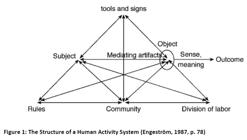
This visual representation helps to understand the complex relationships between policy implementation and social outcomes. It shows how targeted educational policies can have far-reaching effects on society, going beyond just the education sector to influence social structures, attitudes, and opportunities for all members of society. The diagram emphasises the interconnected nature of these changes, and how they collectively contribute to broader social transformation. It also highlights the potential long-term impact of inclusive education policies in creating a more equitable and sustainable society. A comparative analysis of inclusive education policy implementation in different rural areas of Indonesia reveals significant variations in achievements and challenges faced. Factors such as geography, socio-cultural dynamics, institutional capacity, and community participation play an important role in determining the effectiveness of these policies (Warda et al., 2018). Based on data from the Ministry of Education's report (2020-2024) and case studies in three regions-Central Java, East Nusa Tenggara (NTT) and Papua-we can identify patterns of similarities and differences in policy implementation.
All rural areas face basic infrastructure limitations such as poor road access and inadequate school facilities. Data from Julistia et al. (2025) noted that 60% of schools in remote areas of NTT and Papua still lack inclusive classrooms. In addition, limited teacher competence in inclusive pedagogy is a major obstacle in all regions. However, efforts such as the blended learning-based training programme adopted in Central Java and NTT showed a 25% improvement in teachers' ability to manage inclusive classrooms (Hastuti et al., 2020).
The success of inclusive education in rural Indonesia is strongly influenced by institutional capacity, community participation, and the availability of human resources. Regions with strong planning, such as Central Java, are better able to integrate inclusive policies into long-term development programmes. Meanwhile, Papua, which has more limited institutional capacity, tends to rely on top-down approaches that are less adaptive. The level of community participation also plays an important role; for example, in NTT, the village deliberation forum (awiq-awiq) serves as a forum for advocating inclusiveness while in Papua, the lack of involvement of traditional leaders slows down the paradigm shift. In addition, regions with a high number of education volunteers, such as Central Java, are quicker to adopt innovations than Papua, which still relies on external interventions.
These findings are in line with Giddens' social transformation theory, which emphasises that the success of inclusion policies is influenced by the interaction between policy structures and community agents (Tural, 2017). Gallo-Cruz (2017) also asserted that top-down policies that do not consider contextual aspects tend to fail in regions that have high heterogeneity. Data from NTT and Central Java show that a combination of affirmative policies, community participation, and local innovations such as mobile schools can reduce the access gap by 15-25% (Situmorang, 2023). However, as Schmidt (2009) reminded us, success in one region cannot necessarily be replicated in another. For example, an effective e-learning solution in NTT may not be relevant in Papua, which has limited digital infrastructure. This reinforces Lozano Paredes' (2025) argument about the importance of a social justice approach in education policy, where interventions must be based on region-specific needs.
Theoretical Implications
The implementation of inclusive education policies and the social transformations that follow have broad and profound theoretical implications spanning multiple disciplines including education, sociology, and public policy. Firstly, this phenomenon reinforces the theory of social justice in education, demonstrating that equal access and opportunity in education can significantly reduce broader social inequalities. This confirms that education is not only a means of transferring knowledge, but also a potential tool for achieving more comprehensive social justice.
Furthermore, the social transformation that occurs as a result of this policy provides new insights into the theory of social change. It shows that changes initiated in the education system can have wide-ranging ripple effects throughout society, supporting the idea that education is a powerful catalyst for systemic social change. In line with this, the theoretical implications also reinforce social ecology theory, which emphasises the complex interactions between individuals and the various systems in their environment. Inclusive education policies demonstrate how changes in one system (education) can affect and be affected by other systems in society, creating an interconnected web of change. In the context of communities, the empowerment and increased social cohesion that result from this policy provide strong empirical evidence for the theory of social capital. This illustrates how education policies can enhance social networks, trust, and shared norms in communities, which in turn, can support positive social and economic development.
From a policy perspective, the process of implementing an inclusive education policy provides valuable insights for policy implementation theory. It highlights the importance of a balanced approach between top-down and bottom-up strategies, as well as the crucial role of local actors in determining the success of policy implementation. This experience also enriches our understanding of disability and inclusion, supporting a paradigm shift from a medical model of disability to a more progressive social model. In an organisational context, the changes in institutional practices resulting from this policy contribute significantly to organisational learning theory. It shows how educational institutions can adapt and evolve in response to new policies and changing societal demands, highlighting the importance of flexibility and innovation in education systems.
The implementation of an inclusive education policy also reinforces an intersectional perspective on education, showing how different forms of inequality interact and need to be addressed holistically. This encourages a more nuanced and comprehensive approach to addressing educational inequality.
Practical Implications
The results of this study have a number of significant practical implications in the development of inclusive education. In terms of curriculum development, substantial adaptations are needed to accommodate the diversity of learners through the development of learning materials that are relevant to the various backgrounds and abilities of students. Strengthening the capacity of educators is crucial through intensive training programmes that focus on differentiated teaching strategies and inclusive classroom management, reflecting the pedagogical differentiation approach in learning practices. Transformation of learning infrastructure demands adjustments to school facilities to ensure universal accessibility, including the development of universal design for learning that accommodates the special needs of learners.
The assessment system requires a reorientation towards a more flexible and authentic approach, adopting authentic assessment and portfolio-based evaluation that can appreciate the diversity of ways students demonstrate their knowledge and skills. In the context of multi-stakeholder collaboration, the establishment of effective cooperation mechanisms between schools, families, and communities is imperative, realised through the establishment of inclusive school committees and community engagement forums. Resource allocation requires a comprehensive review to ensure equitable distribution, taking into account the specific needs assessment of schools serving disadvantaged populations. The development of holistic support systems including counselling services, mentoring programmes, and structured academic interventions are vital elements in the implementation of inclusive education. Community awareness needs to be strengthened through systematic community awareness campaigns, supported by a robust monitoring and evaluation system to measure policy effectiveness and identify areas for improvement.
Limitations of the Study
This study faces several methodological and contextual limitations that need to be considered in the interpretation of the results. The complexity of external factors is a major limitation, where varying local, socio-economic and cultural conditions can affect the effectiveness of inclusive education policy implementation. This phenomenon is closely related to the concept of ecological validity in social research, where the environmental context plays a significant role in shaping research outcomes. Research bias is also an important consideration; despite attempts at objectivity, data interpretation can be influenced by personal biases and prior experiences of researchers.
The lack of comprehensive historical data on inclusive education in rural Indonesia limits in-depth longitudinal analysis. This implies potential gaps in understanding historical trends and developmental patterns of policy implementation. The dominant policy focus in this study may under-represent ground-level implementation and individual student experiences. Language barriers are an additional limitation, where cultural and contextual nuances can be reduced in the translation and interpretation process. The dynamics of education policy changes that took place during the research period may also affect the temporal relevance of the research findings. These limitations underline the urgency of conducting more comprehensive follow-up research using mixed-method and longitudinal study approaches to understand the complexities of implementing inclusive education in Indonesia in more depth.
Conclusion
This study confirms that inclusive education policies have transformative potential in reducing the education gap between urban and rural areas in Indonesia. The main findings show that the implementation of this policy can accelerate social mobility and reduce socio-economic disparities if it is supported by adequate resources, continuing teacher training, and active stakeholder engagement. The alignment between policy objectives and the needs of local communities is a key factor in its effectiveness.
Theoretically, the results of this study confirm the relevance of Social Transformation Theory in understanding structural changes due to inclusive education policies. This study shows that inclusive education acts as an instrument of social change through increasing accessibility, strengthening social cohesion, and reducing discrimination in the education system. The findings also provide a new perspective to the existing literature by highlighting that the success of inclusive policies depends heavily on contextual adaptation at the local level. From a practical perspective, this research highlights some key implications for policymakers, educators, and the wider community. Firstly, inclusive education policies should be accompanied by continuing training strategies for teachers to ensure the implementation of learning approaches that are responsive to the needs of diverse students. Secondly, resource allocation should be more equitable, with special attention to schools in rural areas that often suffer from limited infrastructure and teaching staff. Thirdly, collaboration between schools, communities, and local governments needs to be strengthened to ensure that the policies implemented are truly rooted in community needs.
This research also identified some challenges in implementing inclusive policies, including limited institutional capacity and resistance to change in the education environment. Therefore, continual policy evaluation and monitoring are needed to adapt implementation strategies to evolving social dynamics. As recommendations for future research, further studies are needed that examine the effectiveness of inclusive policies in the long term and explore implementation models that can be adapted to various socio-economic conditions in Indonesia. With a more holistic and evidence-based approach, inclusive education policies can be a key catalyst for broader and more sustainable social transformation.
References
Ackah-Jnr, F. R. (2020). Inclusive education, a best practice, policy and provision in education systems and schools: The rationale and critique. European Journal of Education Studies. http://dx.doi.org/10.5281/zenodo.3605128
Ahmad, E., & Brosio, G. (2009). Does decentralization enhance service delivery and poverty reduction? In E. Ahmad & G. Brosio (Eds.), Does decentralization enhance service delivery and poverty reduction? (pp. 1-22). Edward Elgar. https://doi.org/10.4337/9781849801850.00006
Ainscow, M. (2015). Struggles for equity in education: The selected works of Mel Ainscow. Routledge.
Ainscow, M., & Miles, S. (2009). Developing inclusive education systems: How can we move policies forward. https://tinyurl.com/bdez9r2r
Andriana, E. K. (2022). Inclusive education for Indigenous students in the Indonesian context. International Journal of Inclusive Education, 1-15. https://doi.org/10.1080/13603116.2022.2127494
Literature Review
- Avery, L. M. (2017). Oral traditions: A contextual framework for complex science concepts-laying the foundation for a paradigm of promise in rural science education. Cultural Studies of Science Education, 12, 129-166. https://doi.org/10.1007/s11422-016-9761-5
- Azano, A. P., Downey, J., & Brenner, D. (2019). Preparing pre-service teachers for rural schools. Oxford Research Encyclopedia of Education. https://doi.org/10.1093/acrefore/9780190264093.013.274
- Barnett, W. S. (1995). Long-term effects of early childhood programs on cognitive and school outcomes. . The Future of Children, 5(3), 25-50. http://dx.doi.org/10.2307/1602366
- Bonati, M. L., & Andriana, E. (2021). Amplifying children's voices within photovoice: Emerging inclusive education practices in Indonesia. British Journal of Learning Disabilities, 49(4), 409-423. https://doi.org/10.1111/bld.12405
- Bruce, B. C. (1993). Innovation and social change. Cambridge University Press.
- Bruckmeier, K., & Pires, I. (2018). Innovation as transformation: Integrating the socio-ecological perspectives of resilience and sustainability. In H. Pinto, T. Noronha, & E. Vaz (Eds.), Resilience and regional dynamics: Advances in spatial science (pp. 209-231). Springer. https://doi.org/10.1007/978-3-319-95135-511
- Bukhori Muslim, A. (2021). Disadvantaged but more resilient: The educational experiences of indigenous Baduy children of Indonesia. Diaspora, Indigenous, and Minority Education, 15(2), 99-112. https://doi.org/10.1080/15595692.2020.1839408
- Butt, S. (2019). Provincial asymmetry in Indonesia: What is so "special"about it? A country study of constitutional asymmetry in Indonesia. In P. Popelier & M. SahadZiC (Eds.), Constitutional asymmetry in multinational federalism: Federalism and Internal conflicts (pp. 227-254). Palgrave Macmillan
- Cerna, L. M. (2021). Promoting inclusive education for diverse societies: A conceptual framework. OCEDiLibrary. https://doi.org/10.1787/19939019
- Crisp, G. M. (2021). Unlocking opportunity through broadly accessible institutions. Routledge.
- Eddyono, S. (2018). The representations of Indonesianness in post-new order Indonesia (1998-2016) (Publication No. 10984361) [Doctoral dissertation, University of Pittsburgh]. ProQuest Dissertations and Theses Global. https://search.proquest.com/openview/cf80d97762c23756bf736b0157e257dc/1Ppq-origsite=gscholar&cbl=18750
- Fielding, M., &, Moss, P. (2010). Radical education and the common school: A democratic alternative. Routledge. https://doi.org/10.4324/9780203837405
- Fox, C., Waters, J., Fletcher, G., & Levin, D. (2012). The broadband imperative: Recommendations to address K-12 education infrastructure needs. State Educational Technology Directors Association. https://eric.ed.gov/?id=ED532313
- Haug, P. (2017). Understanding inclusive education: Ideals and reality. Scandinavian Journal of Disability Research, 19(3) 206-217. https://doi.org/10.1080/15017419.2016.1224778
- Hawkins, J. N. (2000). Centralization, decentralization, recentralization: Educational reform in China. Journal of Educational Administration, 38(5), 442-455. https://doi.org/10.1108/09578230010378340
- Hosshan, H., Stancliffe, R. J., Villeneuve, M., & Bonati, M. L. (2020). Inclusive schooling in Southeast Asian countries: A scoping review of the literature. Asia Pacific Education Review, 21(1), 99-119. https://doi.org/10.1007/S12564-019-09613-0
- Klees, S. J. (2008). A quarter century of neoliberal thinking in education: Misleading analyses and failed policies. Globalisation, Societies and Education, 6(4), 311-348. https://doi.org/10.1080/14767720802506672
- Liasidou, A. (2012). Inclusive education, politics and policymaking: Contemporary issues in Education Studies. Continuum
- Liu, J. P., Peng, P., Zhao, B., & Luo, L. (2022). Socioeconomic status and academic achievement in primary and secondary education: A meta-analytic review. Educational Psychology Review, 34(4), 2867-2896. https://doi.org/10.1007/s10648-022-09689-y
- Lozano Paredes, D. L. (2025). Fairtrade in Peru: Challenges and opportunities for sustainable and equitable agricultural development. Sustainability, 17(2), 486. https://doi.org/10.3390/su17020486
- McEwan, P. J. (2015). Improving learning in primary schools of developing countries: A meta-analysis of randomized experiments. Review of Educational Research, 85(3), 353-394. https://doi.org/10.3102/0034654314553127
- Neuman, S. B. (2008). Changing the odds for children at risk: Seven essential principles of educational programs that break the cycle of poverty. Bloomsbury.
- Omweri, F. S. (2024). A systematic literature review of e-government implementation in developing countries: Examining urban-rural disparities, institutional capacity, and socio-cultural factors in the context of local governance and progress towards SDG 16.6. International Journal of Research and Innovation in Social Science, 8(8), 1173-1199. http://dx.doi.org/10.47772/IJRISS.2024.808088
- Óskarsdóttir, E., Donnelly, V., Turner-Cmuchal, M., & Lani, F. (2020). Inclusive school leaders-their role in raising the achievement of all learners. Journal of Educational Administration, 58(5), 521-537. http://dx.doi.org/10.1108/JEA-10-2019-0190
- Osler, A. (2015). Human rights education, postcolonial scholarship, and action for social justice. Theory & Research in Social Education, 43(2), 244-274. https://doi.org/10.1080/00933104.2015.1034393
- Paudel, P. (2024). Examining paradigmatic shifts: Unveiling the philosophical foundations shaping social research methodologies. Journal of the University of Ruhuna, 12(1). https://jur.sljol.info/articles/10.4038/jur.v12i1.8033
- Pepper, G. V., & Nettle, D. (2017). The behavioural constellation of deprivation: Causes and consequences. Behavioral and Brain Sciences. https://tinyurl.com/23xxwux2
- Pratiwi, H., Ismail, M., & Riwanda, A. (2024). Questioning inclusive city quality: Teachers' perspectives and experiences in sexuality education for children with special needs in Indonesia. International Journal of Educational Research, 102419. http://dx.doi.org/10.1016/j.ijer.2024.102419
- Prayitno, G., Ari, I. R. D., Hiddlestone-Mumford, J., Siankwilimba, E., & Mulyawati, A. M. (Eds.). (2023). Regional Planning and Rural Development. FSH-PH Publications. https://tinyurl.com/yc7vask4
- Rante, S. V. N., Helaluddin, Wijaya, H., Tulak, H., & Umrati. (2020). Far from expectation: A systematic literature review of inclusive education in Indonesia. Universal Journal of Educational Research,, 8, 6340-6350. https://doi.org/10.13189/ujer.2020.082273
- Rao, J. S. (2024). Statistical methods in health disparity research. Chapman and Hall/CRC. https://doi.org/10.1201/9781003119449
- Ribot, J. (2001). Local actors, powers and accountability in African decentralizations: A review of issues. Virginia Tech http://hdl.handle.net/10919/66817
- Sœbønes, A.-M. Bieler, R., Baboo, N., Singal, N., & Banham, L. (2015, July 7). Towards a disability inclusive education. Background paper for the Oslo Summit on Education for Development. http://dx.doi.org/10.13140/RG.2.2.14633.47206
- Selwyn, N., & Gasevic, D. (2020). The datafication of higher education: Discussing the promises and problems. Teaching in Higher Education, 25(4), 527-540. https://doi.org/10.1080/13562517.2019.1689388
- Shaturaev, J. (2021). 2045: Path to nation's golden age (Indonesia Policies and Management of Education). Science and Education, 2(12), 866-875. https://www.researchgate.net/publication/357556479_2045_Path_to_nation's_golden_age_Indonesia_Policies_and_Management_of_Education
- Shepherd, D. L. (2023). Divine discontent: aspirations and subjective well-being at a time of social mobility and high inequality. In M. Iqani (Ed.), Consuming happiness (pp. 11-29). Routledge. https://doi.org/10.4324/9781003390978-2
- Situmorang, A. C. (2023). Proposal of the Indonesian framework for telecommunications infrastructure based on network and socioeconomic indicators. Informatics, 10(2), 44. https://doi.org/10.3390/informatics10020044
- Spensberger, F., Kollar, I., Gambrill, E., Ghanem, C., & Pankofer, S. (2021, May 5-7). Social work research policy practice or education across boundaries-including across national social cultural disciplinary and professional boundaries (paper presentation). 10th European Conference for Social Work Research: eCSWR, 190. https://iris.unitn.it/retrieve/e3835199-997e-72ef-e053-3705fe0ad821/ECSWR2021-Abstract-Book.pdf#page=180
- Syafii, M. H. (2025). Interaction between spiritual development and psychological growth: Implications for Islamic educational psychology in Islamic students. Journal of Islamic Education and Ethics, 3(1), 29-48. https://doi.org/10.18196/jiee.v3i1.69
- Tamadoni, A. H. (2024). systematic review of key contextual challenges facing school principals: Research-informed coping solutions. Educational Management Administration & Leadership, 52(1), 116-150. https://doi.org/10.1177/17411432211061439
- Todapa, D. T. (2024). Systematic literature review: Implementation of inclusive education policies in Indonesia: a state administration perspective. Jurnal Penelitian Pendidikan Indonesia, 10(3), 78-83. http://dx.doi.org/10.29210/020244343
- Tristani, L., & Bassett-Gunter, R. (2020). Making the grade: Teacher training for inclusive education: A systematic review. Journal of Research in Special Educational Needs, 20(3), 246-264. https://doi.org/10.1111/1471-3802.12483
- Warda, N., Elmira, E., Rizky, M., & Nurbani, R. I. (2018). Dinamika ketimpangan dan penghidupan diperdesaan Indonesia, 2006-2016 [Dynamics of inequality and livelihoods in rural Indonesia]. The SMERU Research Institute. https://smeru.or.id/sites/default/files/publication/wp_tifa-1_2019-11-13_notrack.pdf