Translanguaging for Epistemic Access and Inclusion in a Basic Computing Module - A Freirean Reflective Account
Abstract
This reflective paper examines the transformation of the Basic Computing Fundamentals module for pre-service teachers in South Africa's Eastern Cape, a region marked by linguistic diversity and persistent digital disparities rooted in apartheid's legacy. Moving beyond a technical skills focus, the module embraced a multilingual, critically engaged pedagogy to foster epistemic access and inclusion by integrating translanguaging. We can use isiXhosa, Afrikaans, and English in translated resources, recorded lectures, and peer-led sessions. The redesign, which was improved with the analysis, design, development, implementation, and evaluation (ADDIE) model, empowered students to navigate digital tools through their linguistic identities. Drawing on Freire's (1970) critical pedagogy, this narrative reflects on three insights: the affordances and challenges of translanguaging, the balance of structure and agency in blended learning, and the lecturer's role in dismantling digital and linguistic exclusion. The paper highlights how intentional pedagogical design can transform digital education into a tool for equity, offering insights for higher education in similarly diverse, unequal contexts.
digital literacy; digital equity in higher education; reflective practice; translanguaging; South Africa
Introduction
In South Africa's Eastern Cape, the challenge of digital literacy in higher education is deeply intertwined with historical inequities. The legacy of apartheid has left a fragmented educational landscape where access to technology remains uneven, particularly in rural and under-resourced communities (Takavarasha et al., 2018). These disparities manifest in a diverse student cohort of pre-service teachers enrolled in Nelson Mandela University's Basic Computing Fundamentals module (PCL100). There are cases where some students encounter computers for the first time, others use devices with limited proficiency, and a minority possess basic skills but lack fluency in applying them to educational contexts. This spectrum of digital exposure, combined with large class sizes and the accelerated shift to online learning post-2020, has necessitated a significant pedagogical overhaul to ensure equitable skill development (Czerniewicz et al., 2020; Faloye & Ajayi, 2022).
Over the past decade, the integration of information and communication technologies (ICTs) into teacher education has transformed pedagogical landscapes (Ntlabathi et al., 2023). The redesign of the PCL 100 module, initially offered by the Computer Science Department, was brought in-house to the Faculty of Education through a comprehensive curriculum renewal process. This purpose was also to recognise students' varied starting points by adopting a scaffolded approach to instruction.
Instruction focused on foundational skills, such as navigating operating systems, mastering basic word processing, and using bilingual instructional materials to accommodate linguistic diversity (e.g. English and isiXhosa). The curriculum emphasised practical, context-relevant applications, such as creating lesson plans in spreadsheets or designing digital presentations, to align with the needs of future classrooms. Integrating digital pedagogies with faculty development initiatives offers significant potential to enhance teaching, mentoring, and research, particularly within the evolving landscape of higher education (Aithal & Aithal, 2023).
In higher education, implementing differentiated instruction poses significant challenges, particularly in large class settings because it demands extensive time for preparation, organisation, and scheduling (Subban et al., 2025). It also remains difficult to accommodate diverse learner needs and preferences, especially those who favour working independently. To address the challenge of large class sizes in my module, blended learning strategies were implemented, combining asynchronous online tutorials with in-person workshops. These online tutorials, hosted on the university's learning management system (LMS), allowed students to progress at their own pace, with embedded assessments to identify and address skills gaps early.
This pedagogical overhaul reflects the broader theme of bridging digital disparities through targeted education. As Lee Shong (2020) observed, a range of interrelated factors, including prior experience with computers, attitudes towards technology, levels of computer anxiety, socioeconomic constraints, and gender, shape the acquisition of computer skills among students. Lee Shong highlighted rural students' disparities when transitioning into technologically advanced learning environments at historically White institutions. One of the key challenges identified was the lack of computer proficiency, which significantly hinders academic engagement and success.
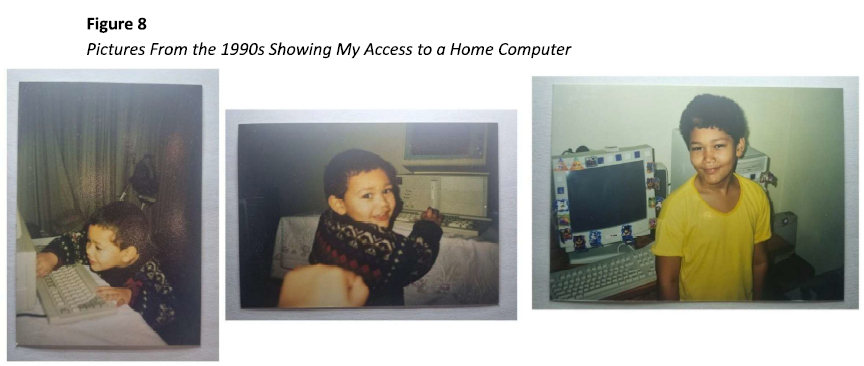
By tailoring instruction to diverse skill levels and contextual challenges, the module demonstrates how higher education can move beyond one-size-fits-all approaches to foster digital equity. However, challenges remain, including the need for sustained investment in infrastructure and ongoing professional development for instructors (du Preez & le Grange, 2020). The success of this approach offers other institutions grappling with similar disparities, suggesting that intentional, inclusive curriculum design could transform digital literacy into a tool for empowerment rather than being a barrier. As a lecturer, my journey with computing began in infancy, typing on a family computer in the mid 1990s. Born into South Africa's post-apartheid "Born Free" generation, I grew up with access to digital tools, from customising desktops with Dragon Ball Ζ themes to playing Counter-Strike in high school computer labs. This privilege starkly contrasts with the realities of my students, many from rural areas with limited or no prior computer access. This tension between my digital fluency and my students' exclusion frames computing education as a social justice issue demanding pedagogical designs prioritising epistemic access and linguistic inclusion.
This paper reflects on my efforts to transform the PCL 100 module into a critical digital learning space. Drawing on translanguaging Vogel et al. (2019) and critical pedagogy Freire (1970), I introduced multilingual resources and restructured the module to bridge digital and linguistic divides. This narrative explores three key insights: the affordances and limitations of translanguaging in digital pedagogy, the balance between structure and agency in online learning, and the lecturer's role in fostering equitable digital education.
PCL 100, a mandatory module, certifies students' ability to use Microsoft Word, PowerPoint, Excel, and navigate digital platforms like Microsoft Teams. The shift to online learning during the C0VID-19 pandemic amplified challenges as students navigated virtual environments with varying degrees of digital and linguistic fluency. The module's original design-English-only, skills-based instruction-assumed a baseline familiarity with computers, an assumption that excluded many students. This prompted a critical question: "How can computing education foster inclusion in a context where digital and linguistic barriers intersect?"
Contextualising the Eastern Cape: A Landscape of Diversity
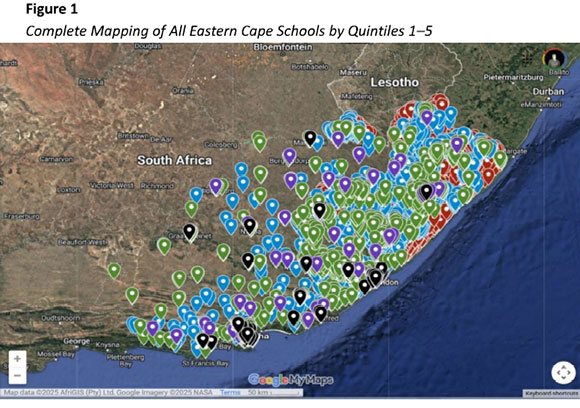
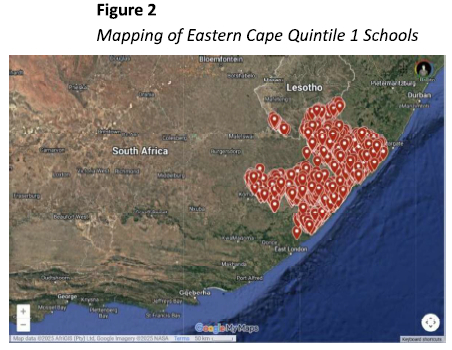
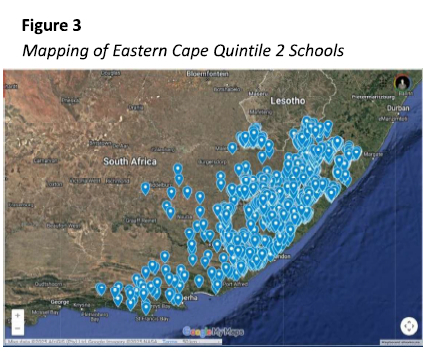
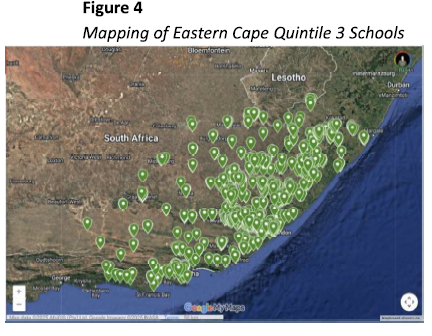
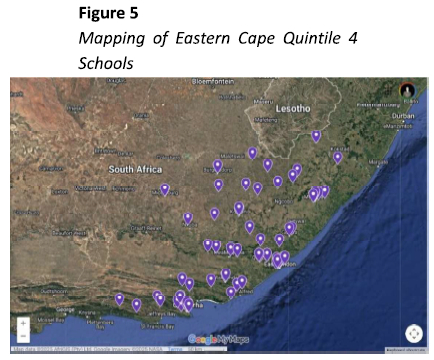
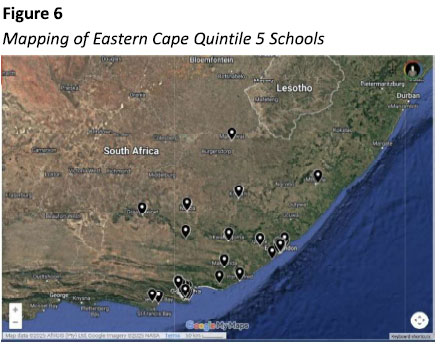
The Eastern Cape, notably Nelson Mandela Bay, is a microcosm of South Africa's linguistic and socioeconomic diversity. Students in PCL 100, enrolled in the Bachelor of Education programme, speak languages including isiXhosa, Afrikaans, and English, with more than 50 per cent of the student population identifying isiXhosa as their home language (Nelson Mandela University, 2023). Digital access mirrors these disparities; rural students often encounter computers for the first time at university, while urban students may have limited, inefficient exposure. This creates three tiers of learners: those with no computer experience, those with minimal skills, and those with basic but underdeveloped proficiency. To contextualise the educational backgrounds of the student population in this study, data were sourced from the Master List of Schools 2023 (Department of Basic Education, 2023). This dataset provided detailed information on all nationwide registered schools, including their geographic location and quintile classification. I isolated and mapped schools within the Eastern Cape province from this dataset, categorising them according to their respective quintiles (see Figures 1-6).
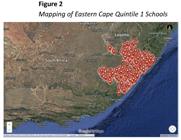
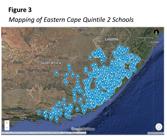
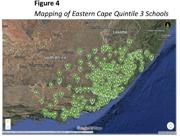
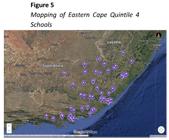
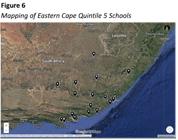
The visual representation of this dataset shows a stark divide across the quintile system, highlighting that a significant proportion of students in the study come from lower-quintile schools (Quintiles 1-3), which are typically under-resourced and located in rural areas. This distribution is critical in understanding the disparities in prior learning environments and access to educational resources that shape students' preparedness for higher education. University enrolment among rural students in South Africa remains alarmingly low, mainly due to the poor secondary school completion rates in these regions. According to Spaull (2015), on average, only about 40 per cent of learners in the country complete matric.
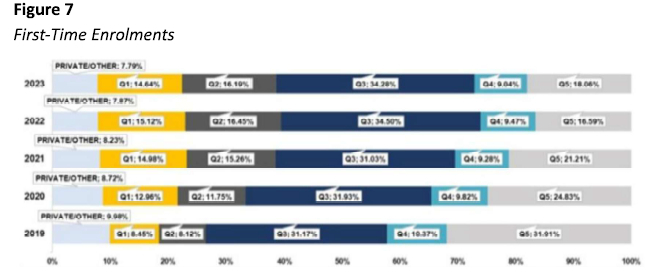
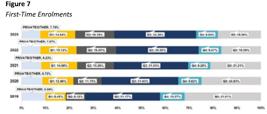
Figure 7 illustrates the shifting demographics of first-time enrolments in higher education at the institution, comparing data from 2019 and 2022. In 2019, 73.4% of enrolments were from Quintiles 3, 4, and 5 schools, which typically serve better-resourced communities, while only 26.6% came from Quintiles 1, 2, and 3 schools, representing historically marginalised groups. By 2022, this trend reversed, with 66% of enrolments (and 65% in the most recent year) from Quintiles 1-3, and only 34% from Quintiles 3-5. This significant increase in representation from under-resourced schools highlights growing access to higher education for marginalised communities, aligning with efforts to promote equity and inclusion in educational opportunities (Nelson Mandela University, 2023).
The legacy of apartheid in South Africa has entrenched deep socioeconomic inequalities that in turn, have contributed to a persistent digital divide. This divide refers to the unequal access to ICTs, shaped by race, income level, and geographic location (Faloye & Ajayi, 2022; Mphahlele et al., 2021; Nyahodza & Higgs, 2017). In the context of the Eastern Cape, Matobobo and Risinamhodzi (2022) highlighted the significant impact of students' previous learning experiences, particularly at the high school level, on their ability to adapt to higher education environments. Many learners from lower-quintile and rural schools enter university having been socialised into teacher-dependent pedagogies, where learning is primarily driven by the instructor, with limited encouragement for independent thought or self-directed learning. This is sometimes expressed as "repeating whatever the teacher said" (Kimathi & Bertram, 2020, p. 6)
This reliance on the teacher as the primary source of knowledge often results in diminished learner autonomy and a lack of confidence in managing their learning pathways (Kimathi & Bertram, 2020). These challenges are further exacerbated by limited exposure to digital technologies and inadequate resources in many rural schools (Nephalama & Maluleka, 2025). To support students' transition into more autonomous learning environments, the pedagogical strategies should include group discussions conducted in students' home languages (Charamba, 2023).
In my view, this suggests that inclusive practices validate learners' linguistic identities and help bridge the gap between their prior learning contexts and the demands of higher education.
Method
This study employed a reflective practitioner methodology. "Reflective practice is part of a wider methodological approach that helps academics critically review their own and their participants' views, perceptions, biases and ways of knowing" (Arnold et al., 2022, p. 9). Narrative inquiry involves exploring and understanding stories as they are experienced and shared (Creswell, 2006). Drawing on narrative inquiry to explore the redesign of the PCL 100 module, and by combining reflective practice with narrative inquiry, this study foregrounds my role as a lecturer-researcher in tracing how the redesign was shaped by context, experience, and interpretation. As a lecturer-researcher, I systematically reflected on my teaching practices, positionality, and curriculum design choices in response to the Eastern Cape's multilingual and digitally unequal landscape. Following Freire's (1970) critical pedagogy, the methodology foregrounded the political and ethical dimensions of teaching, positioning reflection not only as self-examination but also as an interrogation of how pedagogy can reproduce or disrupt systemic inequalities in access to digital education.
The curriculum redesign process was structured through the analysis, design, development, implementation, and evaluation (ADDIE) model, which offered a systematic yet flexible framework for embedding translanguaging and inclusive pedagogical strategies. The analysis phase drew on observations to identify three tiers of learners with differing levels of digital proficiency. In the design and development phases, multilingual resources were created alongside bilingual tutorials, peer-led sessions, and blended learning strategies. The implementation phase combined asynchronous online modules with in-person workshops, while the evaluation phase drew on reflective journals, teaching artefacts, and informal feedback to iteratively improve the module.
Ethical considerations were central to this reflective inquiry. Given that the paper draws primarily on the lecturer's reflections, teaching artefacts, and curriculum design processes and does not involve collecting identifiable student data, formal ethics clearance was not required (Pool & Reitsma, 2017). This stance aligns with scholarship of teaching and learning (SoTL) literature, emphasising that reflective, practitioner-based work without systematic data collection may not necessitate formal review (Pool & Reitsma, 2017; Vorster, 2020). Furthermore, institutional approaches that embed ethics into SoTL practice through collaborative frameworks offer guidance for navigating ethical decision-making without institutional ethics involvement (Fedoruk, 2022).
From Privilege to Critical Pedagogy: A Freirean Reflection
My relationship with computers is rooted in both personal and sociohistorical contexts. From an early age, I was immersed in a technologically enriched environment shaped by my parents' foresight, both teachers in post-apartheid South Africa. Photographs (see Figure 8) from the 1990s capture this privilege: a 2-year-old version of myself interacting with a keyboard, initiating a relationship with technology that would become integral to my identity. Therefore, this reflection examines how that early privilege evolved into a more critically informed stance, framed first in this paper through the section. From Privilege to Critical Pedagogy: A Freirean Reflection and next, through the Translanguaging and the Humanisation of Digital Pedagogy section.
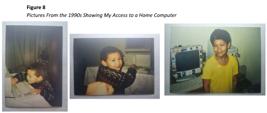
In the 1990s, during South Africa's democratic transition, engagement with educational technologies symbolised progress and modernity, yet access remained deeply stratified along racial and socioeconomic lines. My home environment, enriched with early access to computers, afforded me fluency and familiarity that extended into leisure and academic pursuits, customising desktops, experimenting with gamification, and engaging with computer games such as Counter-Strike. These experiences fostered confidence in navigating digital tools that would later shape my pedagogical approach.
However, as Freire (1970) reminded us, education is never neutral; it either reproduces or challenges systems of domination. While empowering for me, my early encounters with technology revealed a broader reality of exclusion for many South African learners. Schools without electricity, households without devices, and students with minimal computer exposure challenged the assumption that digital skills were universally accessible. This recognition shifted my trajectory from seeing technology as a personal asset to viewing it through the lens of structural inequality.
Upon entering teacher education in 2014, I fully confronted this reality. Surrounded by peers from diverse rural and urban contexts across the Eastern Cape, I encountered students whose educational experiences contrasted sharply with mine. This heterogeneity destabilised the epistemic assumptions I had previously taken for granted, leading me to critical pedagogy as a framework. Through Freire (1970), I came to understand how the dominant narratives of digital "literacy" assume linear progress, baseline access, and English fluency-assumptions that obscure structural inequities and pathologise students as digitally "illiterate" rather than structurally disadvantaged (Lee Shong, 2020). Critical pedagogy thus became more than theory; it reshaped my teaching philosophy. It taught me to interrogate digital education not as a neutral skill set but as a political practice that must humanise, contextualise, and empower. This continues to inform my practice as I strive to nurture critically conscious, agentive, and socially aware digital citizens rather than simply producing "competent" graduates.
Translanguaging and the Humanisation of Digital Pedagogy
Guided by Freire's (1970) conception of students as cognising subjects, I began to recognise that the dominance of English in digital environments functions as more than a linguistic preference; it is an epistemological gatekeeper. Interfaces, platforms, and curricula constructed around English implicitly exclude students' home languages and, by extension, their cultural knowledges. This reinforced hierarchies of access and participation in my own classes.
Adopting translanguaging as a pedagogical stance allowed me to disrupt this linguistic hegemony. As Allman et al. (2009) argued, translanguaging affirms the fluid and integrated use of multiple linguistic resources, positioning students' home languages as assets rather than deficits. Within the PCL 100 module, I encouraged students to use isiXhosa, Afrikaans, or Sesotho alongside English to navigate concepts, discuss tasks, and contextualise digital skills. A richer, dialogic learning space emerged where students could articulate understanding in ways that honoured their linguistic repertoires.
This practice revealed the limitations of a mechanistic, demonstration-based approach to computing education. Over-reliance on rote technical tasks, as Le and Pole (2023) warned, risks producing dependent learners who reproduce actions without a more profound understanding. A translanguaging pedagogy foregrounds dialogue, critical literacy, and relational care. It shifts the focus from tool mastery to epistemic justice-enabling students to see themselves as active, multilingual agents in the digital world (Villar-Onrubia et al., 2022). My journey from technological privilege to translanguaging practice reflects a broader commitment: to humanise digital learning by centring students' lived realities.
Pedagogical Interventions: Translanguaging and Multilingual Resources
South African higher education must embrace multilingualism by valuing first-language development to ensure inclusive education. Makhanya & Zibane (2020) noted in their findings, except for English and Afrikaans, South Africa's nine other official languages lack academic development, creating barriers for their speakers in higher education without multilingual practices. Encouraging translanguaging, where students and lecturers integrate multiple languages in class discussions, enables epistemological meaning-making and fosters equitable access to knowledge (Makhanya & Zibane, 2020). It seems to me that higher education must adopt a bottom-up approach to transform its language policy to prioritise African languages and foster multilingualism, addressing the social justice imperative highlighted by unimplemented national policies and student activism.
By adopting a bottom-up approach that centres student and staff voices, my university can create an inclusive policy that reflects its African identity, ensures equitable access to education, and aligns with its namesake's vision of linguistic inclusion (Mayaba, 2018). Drawing from my experience implementing this approach was not without challenges. One example is that software platforms often lacked support for South African languages, and tools such as Microsoft Word underlined Afrikaans or isiXhosa text as incorrect. Important to note is that structural and technological barriers have been increasingly addressed (Prinsloo et al., 2022). I maintain that implementations of multilingual digital pedagogy continue to require intentional strategies, resourcefulness, and ongoing reflection to ensure that all students can fully participate and see their languages valued in academic and digital spaces.
In response to my context's persistent digital and linguistic exclusion, I deliberately restructured the PCL 100 module by embedding translanguaging as a central pedagogical principle. Drawing on the work of Vogel et al. (2019), translanguaging is understood as the dynamic and flexible use of multiple languages to facilitate and deepen learning, allowing students to draw upon their full linguistic repertoires rather than being restricted to a single language of instruction. In my opinion, this approach is particularly salient in the South African context, where the linguistic diversity of students often clashes with the dominant use of English in digital interfaces and educational materials.
Building on this foundation, the work of Cenoz and Gorter (2022) offers further theoretical and practical grounding for applying translanguaging in multilingual educational settings. They argued that learning is enhanced when rigid boundaries between languages are replaced with soft and permeable boundaries, allowing students to draw on their prior linguistic knowledge when engaging with new content in a second or additional language. In contrast to monolingual ideologies that isolate languages into discrete categories, pedagogical translanguaging creates space for the simultaneous and integrated use of all linguistic resources available to learners (Bailey et al., 2025). From my standpoint, this is not merely a strategy for inclusion, but a principled pedagogical stance that affirms the linguistic identities of students and recognises their home languages as assets in the learning process. The module's redesign included three key interventions, discussed in turn below: multilingual onboarding resources, translated lectures and materials, and multilingual practical sessions.
Multilingual Onboarding Resources
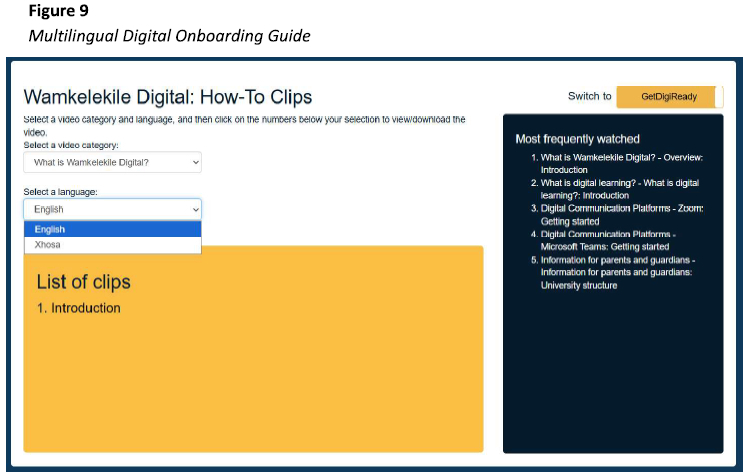
At the semester's start, students received a multilingual digital onboarding guide developed by Nelson Mandela University's School of Information Technology (see Figure 9). This guide was disseminated through multiple channels: it was emailed directly to students and also shared via the module's WhatsApp group with explicit step-by-step instructions. The resources were available in English, Afrikaans, and isiXhosa, allowing students to select their preferred language and engage with the material in a way that aligned with their linguistic background.
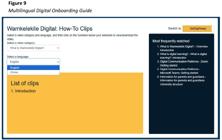
The guide itself was smartphone-friendly and consisted of short, video-based demonstrations. These covered essential processes such as navigating the university's student portal, setting up Microsoft Teams for hybrid lectures, and logging into and working with the Moodle LMS. In addition, the videos provided foundational support in basic computer functions, ensuring that even students entering higher education with minimal digital literacy could participate meaningfully from the outset.
This learning technology was critical for the process because when used as an onboarding strategy, it functioned as an important first safety net. It offers a common starting point that enables all students to access lectures and course content regardless of their prior skill level. For those who continued to experience challenges, in-person practical sessions were an additional support layer where lecturers could provide one-on-one assistance.
Such onboarding practices are particularly critical in higher education, where the technological competencies of first-year students vary widely (Nash, 2013). In a hybrid learning context, where synchronous online engagement is essential, scaffolding the initial stages of digital access ensures inclusivity and reduces barriers to participation (Gerber & Eybers, 2021). I posit that such an online resource, as shown in Figure 9, was not merely a technical guide but an intentional pedagogical tool to create equitable conditions for student success from the beginning of the module.
Translated Lectures and Materials
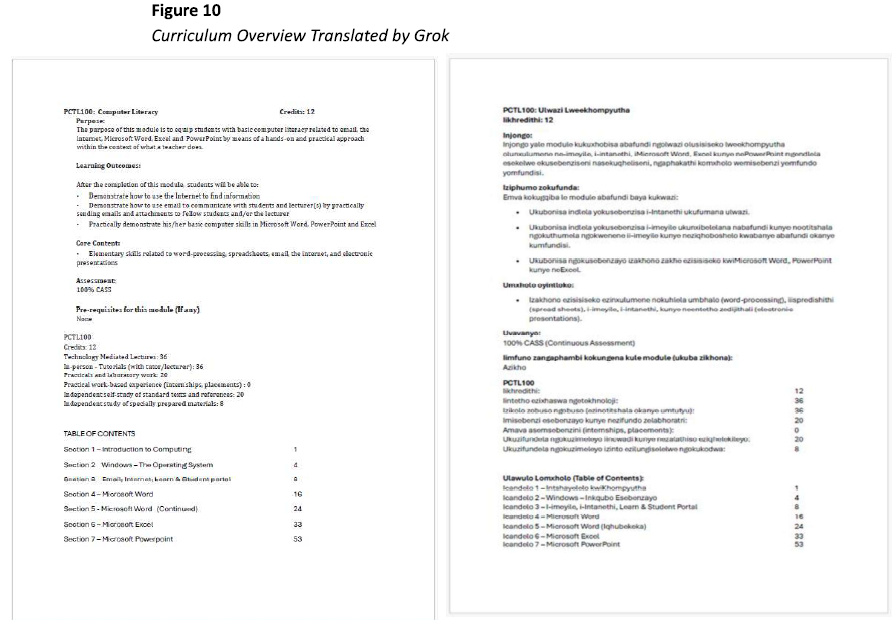
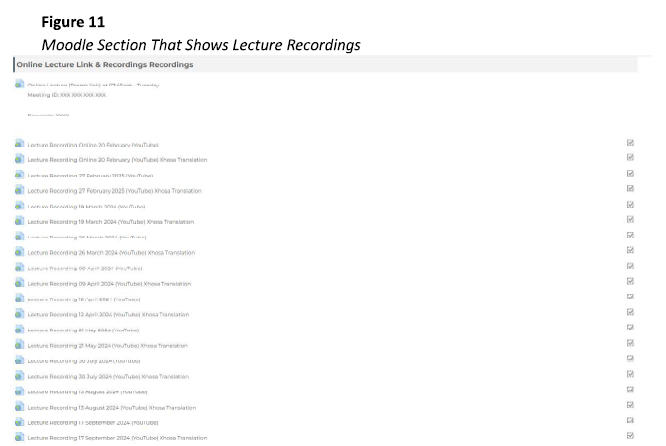
Figures 10 and 11 illustrate how multilingual and digital resources were embedded into the curriculum to foster inclusivity and flexibility in learning. Figure 10 presents the curriculum overview, demonstrating how students initially received paper-based resources that were digitalised and enhanced through translanguaging. Artificial intelligence (Al) tools supported this process, facilitating translation into isiXhosa and helping with administrative tasks. These multilingual resources were made available in English and isiXhosa on the Moodle LMS. This was intended to enable students to access curriculum materials in their home language and created equitable entry points into the module.
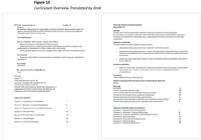
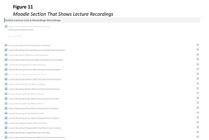
Figure 11 shows the lecture classes section on the LMS, thoughtfully designed for synchronous and asynchronous learning. Students were able to join live lectures via Microsoft Teams embedded within Moodle. Each session was recorded, uploaded to YouTube, and embedded back into Moodle-offering students the option to pause, replay, and revisit the material at their own pace and in a space that suited them best. I considered this functionality to be vital; it addressed needs for repetition or clarification, offered a fall-back for technical disruptions, and served as a revision tool. Beneath, translated versions of each recorded lecture-typically in isiXhosa-were provided so students could watch the lesson in their mother tongue. Additionally, colleagues or Al tools like Grok translated and verified study guides and selected PowerPoint slides to ensure accuracy and cultural/contextual relevance.
This approach leveraged translanguaging as a core pedagogical strategy. Students were encouraged to use their full linguistic repertoires to construct meaning, clarify concepts, and scaffold understanding of technical ICT terminology-rejecting monolingual norms and affirming their multilingual identities. In my view, the availability of asynchronous YouTube recordings also granted students autonomy over their learning; they could revisit complex content, overcome barriers due to language or technology, and build confidence independently.
Such practices reflect insights from established translanguaging scholarship, which conceptualises translanguaging not merely as code-switching, but as the deliberate application of a learner's linguistic repertoire to enhance cognitive and social engagement. García & Lin (2016) translanguaging means speakers use all their language skills freely, without worrying about keeping languages separate according to social or political rules. It focuses on how people draw on their linguistic background to communicate, think creatively, and critically engage in multilingual learning spaces.
Multilingual Practical Sessions
In addition to digital onboarding and translated lecture resources, a strong emphasis was placed on in-person practical sessions as a key component of the module. As shown in Figure 10, students completed approximately 36 tutorials across the academic year. These tutorials accounted for 25 per cent of the final grade; however, they were deliberately framed not only as assessments but also as opportunities for authentic learning, practice, and collaborative engagement.
To maximise the value of these sessions, tutors were strategically selected from among peers who had previously excelled in the module, achieving distinction-level results (Colvin & Ashman, 2010). This approach ensured that tutors were both academically competent and familiar with the specific challenges students might face. Practical sessions were then organised by phase groupings, creating smaller, more manageable learning communities where students could receive personalised support.
A distinctive feature of these sessions was their multilingual dimension. Tutors were encouraged to draw on their linguistic repertoires-English, Afrikaans, and isiXhosa-when assisting students. This practice allowed questions to be asked and explained in whichever language students felt most comfortable using. Rather than treating linguistic diversity as a challenge to be overcome, the sessions positioned it as a pedagogical asset, enabling students to access ICT concepts in meaningful and familiar ways.
The fact that the sessions were held in computer laboratories added to their value. As controlled environments, the labs provided both the necessary technical infrastructure and a safe space for students to experiment, attempt tasks, and learn by doing (Mundy et al., 2023). Translanguaging was not confined to theoretical discussion but became a practical tool for clarifying instructions, scaffolding complex technical skills, and bridging the gap between home language practices and the specialised discourse of computational literacies.
These interventions resonate strongly with Vogel et al.'s (2019) argument that translanguaging functions as a bridge between students' everyday linguistic practices and the development of domain-specific literacies. By embedding multilingual practices into the computer lab environment, the practical sessions offered students epistemic access to knowledge and skills that might otherwise remain out of reach. I believe that the tutorials did more than prepare students for assessments-they cultivated agency, confidence, and critical engagement with technology. As I reflect on these sessions, I think back to Freire (1970), who told us that dialogue for transformative emancipatory education cannot exist without love, hope, and faith.
Translanguaging for Equity: Opportunities and Challenges in Digital Pedagogy-Insights and Reflections
Translanguaging emerged as a cornerstone of inclusive pedagogy when reimagining the PCL 100 module for pre-service teachers in South Africa's Eastern Cape. This approach, which embraces the fluid use of students' full linguistic repertoires, spanning isiXhosa, Afrikaans, and English, sought to bridge digital and linguistic divides in a context marked by historical inequities. The following section explores the affordances of translanguaging in fostering epistemic access and student agency, while reflecting on its practical challenges. By leveraging multilingual resources, varied instructional methods, and student-led discussions, translanguaging transformed the classroom into a space where linguistic diversity became a strength.
Affordances and Limitations of Translanguaging
Translanguaging is the dynamic and fluid process by which multilingual individuals deploy their full linguistic and semiotic repertoire, including multiple languages and modes such as gestures, without adhering to the socially or politically constructed boundaries of named languages (Creese & Blackledge, 2015; García & Kleifgen, 2019). It views bilingualism as a unitary semiotic system, enabling spontaneous, creative, and critical meaning-making (Creese & Blackledge, 2015; García & Kleifgen, 2019). As García and Kleifgen (2019, p. 557) noted, translanguaging involves "the deployment of a speaker's full linguistic repertoire without regard for watchful adherence to the socially and politically defined boundaries of named ... languages," while Creese and Blackledge (2015, p. 28) emphasised that it creates "new language practices that make visible the complexity of language exchanges."
Translanguaging empowers multilingual students in educational settings by leveraging their home languages and cultural identities, fostering deeper engagement with literacy and critical awareness. García and Kleifgen (2019) highlighted how annotating texts with students' linguistic repertoires deepens comprehension, generates diverse texts, builds confidence, and fosters metalinguistic awareness, for example, students engaging with bilingual texts recognise their identities, enhancing literacy practices. This pedagogy liberates language-minoritised students by challenging monolingual ideologies and creating "trans-spaces" that disrupt linguistic hierarchies, promoting social justice and equity (Creese & Blackledge, 2015; García & Kleifigen, 2019).
Translanguaging proved transformative in enabling epistemic access. Students had confidence when engaging with content in their home language, particularly in practical sessions where tutors clarified concepts in isiXhosa or Afrikaans. This is in line with (Rajendram, 2023) whose findings indicated that collaborative learning creates a supportive environment where learners' language practices flourish through translanguaging; in small groups where all members actively use multiple languages, learners feel empowered to leverage translanguaging to enhance language learning, foster rapport, resolve conflicts, affirm their cultural identity, and utilise their diverse linguistic knowledge and skills.
I implemented translanguaging to leverage students' multilingual repertoires, creating an inclusive and dynamic learning environment. Reflecting on this experience, I recognise how translanguaging, defined as the fluid deployment of a speaker's complete linguistic and semiotic resources without adhering to named language boundaries (Creese & Blackledge, 2015; García & Kleifgen, 2019), empowered my students, and enhanced their engagement with course content. This reflection highlights three key affordances of translanguaging in my classroom: resource planning, varied instruction, and student-led multilingual discussions.
Initially, translanguaging was facilitated through strategic resource planning. At the beginning of the academic year, core materials were translated into multiple languages, including isiXhosa and Afrikaans, ensuring accessibility before the module began. This aligns with García and Kleifigen's (2019) emphasis on leveraging students' home languages to deepen comprehension. By providing translated resources, I ensured students could engage with content in their preferred languages, setting a foundation for inclusive learning. This planned approach normalised bilingualism, as described by Creese and Blackledge (2015, p. 26), who noted that translanguaging creates "new languaging realities" that value diverse linguistic practices.
The second affordance was varied instruction, incorporating translanguaging into live and recorded lessons. Live lectures were delivered primarily in English to accommodate the entire class, but I also created concise video summaries of core content, translated into isiXhosa for students needing additional support. Data analysis of my video retention rates revealed where students' attention waned, allowing me to produce meaningful bytes of information-short, targeted videos that maintained engagement. This approach reflects García and Kleifgen's (2019) assertion that translanguaging fosters diverse text production and comprehension. By offering content in multiple languages and formats, I addressed varied linguistic needs, enabling students to construct deeper understandings, as Creese and Blackledge (2015) suggested that translanguaging facilitates.
Finally, translanguaging was most transformative in student-led multilingual discussions during in-person tutorials. In a large venue, tutors fluent in Afrikaans and isiXhosa facilitated peer discussions, allowing students to explore concepts in their home languages. This practice empowered students to articulate ideas confidently, aligning with García and Kleifgen's (2019) concept of confianza in literacy practices. These discussions supported computer-based tutorial tasks and tests, where students could clarify concepts with peers and tutors in their preferred languages. Creese and Blackledge (2015) highlighted that such translanguaging spaces enable identity investment and sociopolitical engagement, as seen when students negotiated cultural and linguistic identities through peer interactions. This approach challenged monolingual classroom norms, creating a learning environment that disrupted linguistic hierarchies (Creese & Blackledge, 2015).
Reflecting on these affordances, I realise that translanguaging enhances access to content and empowers students to see their linguistic and cultural identities as assets. By integrating translated resources, varied instructional formats, and multilingual peer discussions, I created a learning environment that aimed to be aligned with my students' lived realities. I aim to further refine these strategies, perhaps by incorporating more student-generated multilingual content, to continue fostering critical and creative engagement in my classroom.
Tensions Between Structure and Agency
The online learning environment, structured around Moodle's activity completion tracking, exemplifies the interplay of social structure and human agency as key factors shaping educational outcomes (Ellery & Baxen, 2015). This system provides balanced support through automated weekly progress reports generated via Excel and emailed to students, fostering accountability while encouraging active engagement. For instance, a mail-merged email stating, "You are falling behind on Excel tasks-let us catch up!" spurred increased submissions by empowering students to exercise agency in managing their learning. Contrary to sociocultural approaches that often position students as passive recipients, this design acknowledges and leverages student agency and reflexivity, countering deficit discourses that undervalue individual capacity within pedagogical efforts (Ellery & Baxen, 2015). By integrating structured support with opportunities for self-directed action, the environment aligns with translanguaging principles, enabling multilingual students to draw on their linguistic repertoires to engage meaningfully with the curriculum.
Reflecting on my journey as a lecturer working with students from diverse communities, I have observed that access to higher education is only the first step. Fostering student agency through technology is critical to surpassing minimal achievement (e.g. a 50% pass mark). Jones & Healing (2010) challenged the "digital natives" assumption, showing through mixed-methods research, that students' deliberate choices, not just exposure, shape their technology use. In my classroom, I have seen students actively engage with Moodle's progress tracking and personalised email prompts to take ownership of their learning, often using translanguaging to collaborate and express their cultural identities. Ultimately, you want to guide students in countering deficit views by empowering them to navigate and overcome technological and linguistic barriers, aligning with the module outcomes and allowing students to thrive.
However, this structure conflicted with learner agency. Students progressed at different rates, especially those unfamiliar with computers. To tackle this issue, I introduced peer-led study groups, inspired by an unexpected student initiative. Students organised mock lessons in the ICT lab during one semester, practising Excel's conditional formatting. This resulted in an 80 per cent distinction rate on a challenging weekly tutorial, showcasing the effectiveness of community-driven learning. Nevertheless, maintaining such agency required ongoing facilitation, emphasising the lecturer's role in supporting autonomy without imposing rigid timelines.
The Lecturer's Role in Facilitating Digital Epistemic Access
As a lecturer, I viewed myself as a facilitator of access, rather than a gatekeeper of knowledge. This aligned with Freire's (1970) rejection of banking education, where students are passive recipients. By integrating translanguaging and tracking student progress, I aimed to create a learning environment where students felt seen and supported. However, I grappled with my privilege-my comfort with technology contrasted with students' struggles, necessitating humility and empathy.
Du Preez & le Grange (2020) argued that while technical and pedagogical competence is essential, it is equally important for lecturers to understand the diverse contexts from which students come. They cautioned that face-to-face teaching does not inherently guarantee epistemological access or erase historical disadvantages. However, it can help level certain aspects such as giving all students equal access to campus-based resources. However, they noted that such levelling is far more challenging in online learning environments, often amplifying existing inequalities. In contrast, my approach has been to deliberately integrate both face-to-face and online learning modalities within the same week, allowing students to benefit from the affordances of each mode. This blended approach offers the immediacy and resource equity of in-person learning and leverages the flexibility, reflection time, and multimodal engagement made possible through online platforms. It is critical to recognise that no single mode of delivery guarantees epistemological access. Instead, a hybrid model responsive to learners' socioeducational backgrounds and linguistic identities holds greater promise for mitigating inherited disadvantage, and fostering more inclusive learning experiences.
This reinforced the lecturer's responsibility to critically integrate technology, ensuring it promotes inclusion rather than perpetuates exclusion. These insights and reflections demanded a structured yet flexible approach to embed translanguaging within a context of linguistic and digital disparities. The ADDIE model provided a robust framework to integrate this pedagogy, enabling a learner-centred design that prioritised inclusivity and epistemic access (Hanna et al., 2022). The following section explores how ADDIE's systematic phases supported the creation of a multilingual digital learning environment, fostering critical engagement and agency among pre-service teachers. The module transformed the learning environment by aligning translanguaging with intentional instructional design.
Instructional Design: Principles for Inclusion
The ADDIE model provided a systematic framework to support translanguaging pedagogy, defined as the fluid use of a learner's full linguistic and semiotic repertoire without adhering to named language boundaries in English as a foreign language (EFL) settings (Creese & Blackledge, 2015; García & Kleifgen, 2019). By scaffolding translanguaging through structured phases, ADDIE ensures inclusive, learner-centred instructional designs that foster linguistic emancipation, critical thinking, agency, and epistemic access. Insights from Shao (2024), Yüzlü & Dikilita; (2022), Hanna et al. (2022), and personal reflections illustrate how ADDIE supports translanguaging across various contexts, empowering multilingual learners.
In the analysis phase, ADDIE underpins translanguaging by identifying learners' linguistic, cultural, and contextual needs to shape equitable instructional goals. Shao (2024) noted that business English (BE) teachers in China analysed students' limited English proficiency, leading to bilingual strategies. Yüzlü and Dikilita; (2022) assessed Turkish EFL learners' needs for hybrid learning to enhance critical thinking. Hanna et al. (2022) found that Arabic-speaking migrants in Australia face challenges with English proficiency and ICT skills, which informed the development of the START e-business programme (http://istartproject.net/). In my PCL 100 module, I noted that South African pre-service teachers' reliance on isiXhosa and Afrikaans for digital literacy tasks prompted objectives that embraced multilingualism (García & Kleifgen, 2019). ADDIE's analysis ensures that translanguaging addresses diverse needs and challenges linguistic hierarchies (Creese & Blackledge, 2015).
This analysis naturally leads into the design phase, where the insights gathered about learners' linguistic and cultural needs directly inform how I should structure content, choose resources, and plan activities. By understanding the specific ways students navigate multiple languages in digital tasks, I can intentionally design learning experiences that leverage their multilingual strengths, scaffold comprehension, and promote equitable participation. This ensures that translanguaging is not just an addon but a foundational principle guiding how the module is organised and delivered. The design phase leverages ADDIE to structure translanguaging through objectives that promote fluid language use. Shao (2024) designed BE tasks like bilingual case studies to reduce learner anxiety. Yüzlü and Dikilitaş (2022) created Canvas (https://www.instructure.com/canvas) activities blending Turkish and English to foster criticality. Hanna et al. (2022) developed START'S 10 modules with Arabic-English tasks, like business plan creation aligned with English for Specific Purposes. In PCL 100, objectives incorporated translated resources and multilingual peer discussions in isiXhosa and Afrikaans. ADDIE's design phase ensures translanguaging supports collaborative, inclusive learning (Rajendram, 2023).
The careful design of objectives and activities sets the stage for the development phase, where these plans are transformed into tangible learning materials and resources. By translating objectives into multilingual content, interactive exercises, and peer-supported tasks, I can create learning tools that genuinely reflect students' linguistic realities. This ensures that the development process not only implements the design intentions but also strengthens equitable, collaborative, and inclusive learning experiences. In the development phase, ADDIE facilitates translanguaging by producing bilingual and multimodal resources. Shao (2024) developed BE materials, including Chinese-English slides and videos. Yüzlü and Dikilita§ (2022) created Canvas modules with audio-visual content for self-regulated learning. Hanna et al. (2022) crafted START'S Chamilo-hosted lessons with Arabic-English glossaries, video transcripts, and interactive forums. In PCL 100, core materials were translated into isiXhosa and Afrikaans, and concise video summaries supplemented English lectures, supporting García and Kleifgen's (2019) call for diverse text production. Video retention data informed meaningful bytes to sustain engagement, ensuring translanguaging resources promote autonomous knowledge construction (Hanna et al., 2022).
The resources developed during this phase naturally flow into the implementation phase, where they are actively used to facilitate learning. By deploying bilingual and multimodal materials in real classrooms and online contexts, a lecturer can observe how students engage with content across languages, adapt instruction in response to their needs, and support collaborative knowledge construction. During the implementation phase, ADDIE operationalises translanguaging through dynamic, student-centred methods. Shao (2024) employed BE role-plays for real-world communication. Yüzlü and Dikilita; (2022) used asynchronous Canvas discussions and English debates to enhance criticality. Hanna et al. (2022) implemented START'S Skype sessions, where learners negotiated meanings in Arabic and English. In the PCL 100 module, tutors facilitated student-led discussions in isiXhosa and Afrikaans. Peer-led study groups, such as Excel mock lessons, achieved an 80 per cent distinction rate, reflecting agency within ADDIE's structured framework (Ellery & Baxen, 2015). This phase ensures that translanguaging bridges linguistic gaps and empowers learners.
The insights gained during implementation naturally lead into the evaluation phase, where the effectiveness of translanguaging strategies can be critically assessed. By reflecting on learner engagement, achievement, and feedback, a lecturer can determine which approaches truly support equitable learning and where adjustments are needed (Sadigzade, 2025). The evaluation phase uses ADDIE to assess the effectiveness of translanguaging holistically. Shao (2024) utilised bilingual feedback in BE contexts. Yüzlü and Dikilitaş (2022) employed Turkish reflective papers to capture critical insights: Hanna et al. (2022) leveraged surveys, tests, and Skype observations for iterative refinement. In the PCL 100 module, Moodle's activity tracking and personalised emails (e.g. "You are falling behind on Excel tasks") encouraged agency, countering deficit discourses (Ellery & Baxen, 2015). Multilingual assessments valued learners' linguistic identities, aligning with Rajendram's (2023) equity-focused pedagogy. ADDIE's evaluation ensures that translanguaging enhances epistemic access and informs design improvements. I advocate for using the evaluation phase not merely as a measurement tool but as a reflective practice that informs continuous improvement.
Integrating translanguaging requires humility to address students' diverse contexts in basic computing fundamentals, as du Preez and le Grange (2020) advocated. A blended model, combining face-to-face and online modalities, mitigated inequalities of fully online settings, promoting inclusion (du Preez & le Grange, 2020). These principles underscore that equitable digital education requires intentional design, not ad-hoc interventions. As Law et al. (2018) noted, addressing digital disparities demands tailored pedagogies that account for diverse competencies.
Conclusion
To address how computing education can foster inclusion amidst intersecting digital and linguistic barriers, the redesign of the basic computing curriculum demonstrates that intentional pedagogical strategies, such as translanguaging and the ADDIE model, can transform learning spaces. By integrating isiXhosa, Afrikaans, and English through translated resources and peer-led multilingual discussions, the module empowered students to engage with technology in their linguistic and cultural contexts, fostering epistemic access and agency. This approach counters exclusion by valuing students' identities and addressing disparities rooted in South Africa's historical inequities. However, persistent challenges like software limitations underscore the need for ongoing advocacy and resource investment to sustain inclusive digital education.
Reflecting on the process of reimagining the PCL 100 module at Nelson Mandela University, I became aware of the distance between my history with technology and the realities my students face. Growing up, computers were part of my world and technology felt natural to me, but lecturing in the Eastern Cape has shown me how rare that experience is for many. My students, especially those from rural or under-resourced communities, often encounter computers for the first time at university, navigating new tools and a language-English-that can feel like another barrier. This contrast has been a reckoning, pushing me to see digital education as a skill set to teach, and as a space to confront more profound inequities.
Reworking the module with the ADDIE model meant grappling with those inequities head-on. Bringing in translanguaging, letting students use isiXhosa, Afrikaans, and English fluidly, was not just about making lessons accessible; it was about validating who my students are. From translated study guides to peer discussions in home languages, the module became a place where students could engage with tech on their terms. I saw it in moments like the peer-led Excel sessions. That kind of ownership, that spark of agency, showed me what is possible when education meets students where they are. However, it was not seamless.
Teaching this module has changed how I see myself as an educator. I am not just passing on technical know-how; I am trying to create a space where students can question, create, and claim technology as their own. Once a point of pride, my comfort with digital tools now feels like a responsibility to question: "Who is left out when we talk about 'digital natives'?" "How do we make tech a tool for justice, not exclusion?" Moving forward, I want to keep pushing: more student-driven content, advocacy for resources, and ways to weave linguistic and cultural identity into learning. The goal is not just to teach computing but to help students see themselves as shapers of a digital world, ready to challenge its barriers and build a more equitable future.
Funding
This work is based on the research supported in part by the National Research Foundation of South Africa (Ref Number NFSG240430216772).
References
- Aithal, P. S., & Aithal, S. (2023). How to empower educators through digital pedagogies and faculty development strategies. International Journal of Applied Engineering and Management Letters (IJAEML), 7(4), 139183. https://ssrn.com/abstract=4674876
- Allman, P., Alper, L, Apple, M. W., Aronowitz, S., Baltodano, M. P., Bartolomé, L. I., Darder, A., Delpit, L, Fine, M., Freire, P, Giroux, H. A., Marie, S., Grande, A., Greene, M., Kahn, R., Ladson-Billings, G., Leistyna, P, Lipman, P, Mayo, C . . . Westerman, W. (2009). Language, diversity and learning. In A. Darder, M. Baltodano, & R. Torres (Eds.), The critical pedagogy reader (2nd ed., pp. 239-256). Routledge.
- Bailey, A. L, Abraham, M. E., Dong, J. Y., Torres, I. M., Wang, Y. P., Zamora, E., & Zhang, X. (2025). Translanguaging: Conceptual underpinnings of equity-oriented instructional and assessment practices with adolescent multilingual learners. Linguistics and Education, 87. https://doi.org/10.1016/i.linged.2025.101418
- Cenoz, J., & Gorter, D. (2022). Pedagogical translanguaging and its application to language classes. RELC Journal, 53(2), 342-354. https://doi.org/10.1177/00336882221082751
- Charamba, E. (2023). Translanguaging as bona fide practice in a multilingual South African science classroom. International Review of Education, 69(1/2), 31-50. https://doi.org/10.1007/s11159-023-09990-0
- Colvin, J. W., & Ashman, M. (2010). Roles, risks, and benefits of peer mentoring relationships in higher education. Mentoring and Tutoring: Partnership in Learning, 18(2), 121-134. https://doi.org/10.1080/13611261003678879
- Creese, A., & Blackledge, A. (2015). Translanguaging and identity in educational settings. In A. Mackey & C. Polio (Eds.), Annual Review of Applied Linguistics (Vol. 35, pp. 20-35). Cambridge University Press.
- Creswell, J. (2006). Five qualitative approaches to inquiry. SAGE.
- Czerniewicz, L., Agherdien, N., Badenhorst, J., Belluigi, D., Chambers, T, Chili, M., de Villiers, M., Felix, A., Gachago, D., Gokhale, C, Ivala, E., Kramm, N., Madiba, M., Mistri, G., Mgqwashu, E., Pallitt, N., Prinsloo, P., Solomon, K., Strydom, S., . . . Wissing, G. (2020). A wake-up call: Equity, inequality and COVID-19 emergency remote teaching and learning. Postdigital Science and Education, 2(3), 946-967. https://doi.org/10.1007/s42438-020-00187-4
- Department of Basic Education. (2023). Master list of schools 2023.https://www.datafirst.uct.ac.za/dataportal/index.php/catalog/985
- du Preez, P, & le Grange, L. (2020). The COVID-19 pandemic, online teaching/learning, the digital divide, and epistemological access. In L. Ramrathan, N. Ndimande-Hlongwa, N. Mkhize, & J. A. Smit (Eds.). Rethinking the humanities curriculum in the time of COVID-19 (pp. 90 -106). CSALL Publishers.
- Fedoruk, L. (Ed.). (2022). Ethics and integrity in educational contexts (Vol. 2). Springer.
- Freire, P. (1970). Pedagogy of the oppressed. Bloomsbury Academic.
- García, O., & Kleifgen, J. A. (2019). Translanguaging and literacies. Reading Research Quarterly, 55(4), 553-571. https://doi.org/10.1002/rra.286
- García, O., & Lin, A. M. Y. (2016). Translanguaging in blingual education. In O. García, A. M. Y. Lin, & S. May (Eds.), Bilingual and Multilingual Education (pp. 1-14). Springer.
- Jones, C, & Healing, G. (2010). Net generation students: Agency and choice and the new technologies. Journal of Computer Assisted Learning, 26(5), 344-356. https://doi.org/10.1111/j.1365-2729.2010.00370.x
- Kimathi, F. K., & Bertram, C. (2020). Oral language teaching in English as first additional language at the foundation phase: A case study of changing practice. Reading and Writing (South Africa), 11(1). https://doi.org/10.4102/RW.V11l1.236
- Law, N. W. Y, Woo, D. J., De la Torre, J., & Wong, K. W. G. (2018). A global framework of reference on digital literacy skills for Indicator 4.4.2. UNESCO Institute for Statistics. https://uis.unesco.org/sites/default/files/documents/ip51-global-framework-reference-digital-literacy-skills-2018-en.pdf
- Makhanya, T, & Zibane, S. (2020). Students' voices on how Indigenous Languages are disfavoured in South African higher education. Language Matters, 51(1), 22-37. https://doi.org/10.1080/10228195.2020.1711533
- Matobobo, C, & Risinamhodzi, D. T. (2022). IT skills and language challenges hindering student-centred learning: A case of a rural Eastern Cape university in South Africa. IEEE Global Engineering Education Conference, EDUCON, 2022-March, 1221-1227. https://doi.org/10.1109/EDUCON52537.2022.9766383
- Mphahlele, M. I., Mokwena, S. N., & llorah, A. (2021). The impact of digital divide for first-year students in adoption of social media for learning in South Africa. South African Journal of Information Management, 23(1). https://doi.org/10.4102/sajim.v23i1.1344
- Mundy, C. E., Potgieter, M., & Seery, M. K. (2023). A design-based research approach to improving pedagogy in the teaching laboratory. Chemistry Education Research and Practice, 25(1), 266-275. https://doi.org/10.1039/d3rp00134b
- Nash, J. (2013). Computer skills of first-year students at a South African university. In Proceedings of the 2009 Annual Conference of the Southern African Computer Lecturers' Association (pp. 88-92). ACM. https://doi.org/10.1145/1562741.1562752
- Nelson Mandela University. (2023). Transformation report. https://www.mandela.ac.za/flipbooks/Transformation%20Report%202023/mobile/index.html
- Nephalama, T. T, & Maluleka, J. R. (2025). Assessing learning methods used in rural secondary schools in the Vhembe district of the Limpopo Province in South Africa. Discover Education, 4(1). https://doi.org/10.1007/s44217-025-00433-6
- Ntlabathi, S., Makhetha-Kosi, P, & Mayaphi, N. (2023). Exploring how lecturers have designed their online courses to promote active engagement in teaching and learning contexts. Journal of Higher Education Theory and Practice, 23(14), 83-97. https://doi.org/10.33423/jhetp.v23i14.6385
- Pool, J., & Reitsma, G. (2017). Adhering to scientific and ethical criteria for scholarship of teaching and learning, 5(1), 36-48. https://doi.org/10.14426/cristal.v5i1.98
- Prinsloo, D. J., Taljard, E., & Goosen, M. (2022). Optical character recognition and text cleaning in the indigenous South African languages. Stellenbosch Papers in Linguistics Plus, 64, 165-187. https://doi.org/10.5842/64-1-867
- Rajendram, S. (2023). Translanguaging as an agentive pedagogy for multilingual learners: Affordances and constraints. International Journal of Multilingualism, 20(2), 595-622. https://doi.org/10.1080/14790718.2021.1898619
- Sadigzade, Z. (2025). Exploring the relationship between teacher reflective practices and student engagement in ESL classrooms. Acta Globalis Humanitatis et Linguarum, 2(4), 6-36. https://doi.org/10.69760/aghel.0250040001
- Spaull, N. (2015). Schooling in South Africa: How low-quality education becomes a poverty trap. In A. De Lannoy, S. Swartz, L. Lake, & C. Smith (Eds.), South African child gauge 2015 (pp. 34-41). Children's Institute, University of Cape Town
- Subban, P, Suprayogi, M. N., Preston, M., Liyani, A. N., & Ratri, A. P P. (2025). "Differentiation is sometimes a hit and miss": Educator perceptions of differentiated instruction in the higher education sector. Asia-Pacific Education Researcher, 34(3), 873-884. https://doi.org/10.1007/s40299-024-00904-8
- Takavarasha, S., Cilliers, L., & Chinyamurindi, W. (2018). Navigating the unbeaten track from digital literacy to digital citizenship: A case of university students in South Africa's Eastern Cape province. Reading & Writing, 9(1). https://doi.org/10.4102/rw.v9i1.187
- Villar-Onrubia, D., Morini, L, Marin, V. I., & Nascimbeni, F. (2022). Critical digital literacy as a key for (post)digital citizenship: An international review of teacher competence frameworks. Journal of E-Learning and Knowledge Society, 18(3), 128-139. https://doi.org/10.20368/1971-8829/1135697
- Vogel, S., Hoadley, C, Ascenzi-Moreno, L., & Menken, K. (2019). Vogel, S., Hoadley, C, Ascenzi-Moreno, L., & Menken, K. (2019). The role of translanguaging in computational literacies: Documenting middle school bilinguals' practices in computer science integrated units. Proceedings of the 50th ACM Technical Symposium on Computer Science Education (SIGCSE '19), 1164-1170. https://doi.org/10.1145/3287324.3287368