Whose Knowledge Counts? African Languages, Translanguaging, and the Reproduction of Epistemic Justice in South African TVET
Abstract
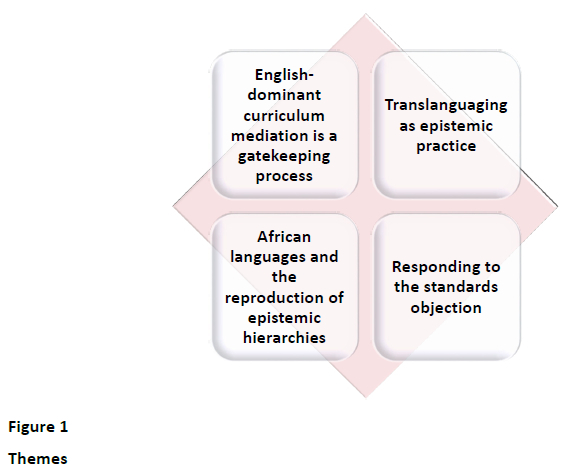
This theoretical paper argues that the determination of whose knowledge counts in South African TVET curricula is decided through language. This is because the dominance of English and the institutional absence of African languages reproduce epistemic injustice that marginalise students' ways of knowing, explaining, and demonstrating vocational competence. The problem investigated is that TVET colleges largely teach, assess, and certify vocational knowledge in English, while most students make meaning in their everyday lives and communities through African languages. This structural mismatch weakens epistemic access to specialised vocational concepts and narrows classroom participation. Moreover, it positions African language reasoning as unofficial, informal, or inferior, with direct consequences for identity affirmation, belonging, and success in learning and assessment. The aim of the study is to advocates for the inclusion of African languages and translanguaging as legitimate instruments for teaching and learning in TVET. The paper adopts a theoretical essay design and synthesises scholarship on epistemic justice, multilingual education, and translanguaging. Furthermore, the paper argues firstly, that the inadequate mediation of the English-dominant curriculum is a gatekeeping process. Secondly, that translanguaging can and should be considered an epistemic practice and importantly, the institutional inclusion of African languages can redistribute epistemic power. This paper finds that epistemic hierarchies persist when translanguaging is tolerated only as informal classroom talk while teaching and learning reward monolingual English performances. It thus recommends piloting African language-mediated teaching in selected programmes, developing vocational terminology and multilingual learning materials. Furthermore, the paper suggests that there is a need to capacitate lecturers in multilingual pedagogy and to revise assessment tasks and criteria to recognise multilingual evidence of learning without lowering standards. It concludes that integrating African languages is a curriculum justice intervention that reshapes what counts as knowledge in TVET
African Languages; Translanguaging; Epistemic Justice; TVET Curricula; Epistemic Hierarchies
 Thumbnail