Generative AI and Educational Inequality: Using Paulo Freire and Pierre Bourdieu to Understand Repeat-Year Students in Chinese High Schools
Abstract
This article examines how generative artificial intelligence (AI) is accessed, used, and interpreted by repeat-year students in county-level high schools in China. Drawing on interviews, learning diaries, and AI interaction records from 24 students, the study explores how AI becomes educationally meaningful within a high-pressure and stratified learning environment. The article develops the Algorithmic Capital Reproduction Framework (ACRF), which combines Bourdieu's theory of capital and social reproduction with a Freirean emphasis on critical engagement, critical consciousness, and the educational role of questioning unequal conditions. The findings show that while baseline access to AI tools was relatively widespread, meaningful and productive use remained uneven. Students differed in how they entered AI use, how they incorporated it into study practices, and how they evaluated and integrated AI-generated outputs. Interpretive competence emerged as a key mediator shaping whether AI supported reflective learning or shortcut-oriented task completion. Rather than reducing inequality, generative AI appears to reorganise it through socially differentiated patterns of access, engagement, and educational value.
generative AI; educational inequality; algorithmic capital; social reproduction; repeat-year students; county-level high schools
Introduction
The rapid expansion of generative artificial intelligence (AI) has intensified debates about its transformative potential in education. Tools such as ChatGPT are widely presented as capable of expanding access to knowledge, personalising learning, and reducing educational inequality by lowering barriers to academic support and information access (Johnston et al. 2024; Lee et al. 2024; Yusuf, Pervin, and Román-González 2024). At the same time, recent scholarship has raised concerns about over-reliance, superficial learning, academic integrity, and the weakening of students' evaluative engagement with knowledge (Costa 2025; Silvola et al. 2025).
Much of the early discussion surrounding AI in education has been shaped by a techno-optimistic assumption: that broader access to powerful digital tools will naturally democratise learning. This assumption echoes earlier narratives in educational technology, where access to digital resources was often equated with educational opportunity. However, research on digital inequality has long shown that access alone does not guarantee equal outcomes. Instead, inequalities persist through differences in skills, patterns of use, and the capacity to convert technological resources into socially valued forms of advantage (Bourdieu 1986; Bourdieu and Passeron 1977; Hargittai 2008). From this perspective, technologies do not operate outside social structure; they are taken up through unequal distributions of knowledge, support, and opportunity.
Generative AI (GenAI) sharpens this problem in important ways. Unlike earlier digital tools that primarily facilitated information retrieval, generative AI produces fluent and plausible outputs that require users to formulate effective prompts, assess the reliability and relevance of responses, and integrate those responses into meaningful learning processes. Recent studies suggest that this form of AI-mediated learning places new emphasis on students' sensemaking, judgement, and evaluative capacity, rather than on access alone (Costa 2025; Silvola et al. 2025). In this sense, generative AI may not reduce inequality so much as reorganise it around differences in how students engage with knowledge.
Despite the growing body of research on generative AI in education, several gaps remain. First, much of the recent literature has focused on adoption, perceptions, academic integrity, or institutional policy responses, rather than on the everyday practices through which students actually use AI in unequal educational settings (Johnston et al. 2024; Wang et al. 2024; Yusuf, Pervin, and Román-González 2024). Second, empirical attention has been concentrated disproportionately in higher education, with relatively limited research on students in secondary-level, high-pressure learning environments. Third, although concerns about inequality are increasingly acknowledged, fewer studies offer a theoretically grounded explanation of how AI becomes implicated in the reproduction of educational stratification.
These limitations are particularly significant in the Chinese context, where educational opportunity remains deeply shaped by high-stakes examinations, regional inequalities, and uneven school resources. Research on the social impact of the Gaokao and on educational stratification in China has shown that formal meritocracy coexists with strong structural disparities, particularly across rural-urban lines and school hierarchies (Cheng and Hamid 2025; Gruijters 2022; Howlett 2023). Within this field, repeat-year students in county-level high schools occupy an especially revealing position. Having already experienced academic non-selection, they study under compressed time horizons, strong family expectations, and intense pressure to reconvert effort into educational mobility. These conditions make them particularly likely to seek tactical advantage through AI, while also rendering them vulnerable to dependent or surface-level use.
This study examines how generative AI is accessed, enacted, and interpreted by repeat-year students in county-level high schools in China. Rather than asking only whether students use AI, it investigates how differences in baseline access, peer support, evaluative judgement, and learning conditions shape the educational value students are able to derive from AI use. To address this problem, the study develops the Algorithmic Capital Reproduction Framework (ACRF), which integrates Bourdieu's theory of capital and social reproduction with a Freirean concern for critical engagement, the formation of critical consciousness, and the role of education in confronting unequal conditions. Within this framework, algorithmic capital refers to the socially uneven capacity to mobilise generative AI in ways that support academically valued learning practices, while interpretive competence refers to the ability to evaluate, contextualise, and appropriately integrate AI-generated outputs into learning.
The study addresses three research questions. First, how do repeat-year students in county-level high schools access and acquire algorithmic capital? Second, how is generative AI enacted in their everyday learning practices? Third, how does interpretive competence mediate the relationship between AI use and the educational value students are able to derive from it? By answering these questions, the study seeks to move beyond access-based accounts of educational technology and to develop a more processual explanation of AI-mediated inequality.
The study makes both theoretical and practical contributions. Theoretically, it extends scholarship on digital inequality by arguing that generative AI introduces a more specific axis of differentiation centred on epistemic engagement: the ability not simply to access knowledge, but to interpret and use it critically. It also contributes to debates on capital, agency, and educational reproduction by proposing a framework that links unequal access, differentiated enactment, and mediated conversion into educationally valued practices. Practically, the study challenges assumptions that AI can democratise learning through availability alone. It suggests instead that, without explicit pedagogical support, generative AI may disproportionately benefit students who already possess stronger evaluative capacities and more supportive learning environments. In this sense, education should do more than expand access to AI; it should help students question, verify, and critically situate AI-generated knowledge within unequal learning conditions.
Literature Review and Theoretical Framework
From Digital Inequality to AI-Mediated Inequality
Research on educational technology has consistently shown that technological expansion does not automatically produce educational equality. Early scholarship on the digital divide focused primarily on disparities in physical access to devices and connectivity, but later work demonstrated that inequality persists through differences in digital skills, patterns of use, and the capacity to translate technological resources into socially valued forms of educational advantage (Büchi and Hargittai 2022; Hargittai 2008). From this perspective, technologies do not operate outside social structure. Rather, they are taken up through historically uneven distributions of knowledge, support, and opportunity.
Recent discussions of generative AI in education have revived, in a new form, the longstanding hope that digital tools can democratise learning. A substantial body of recent work has explored the pedagogical possibilities of generative AI, including personalised feedback, support for writing, and greater access to explanations and examples (Kim et al. 2025; Lee et al. 2024; Yusuf, Pervin, and Román-González 2024). At the same time, another strand of research has highlighted concerns about over-reliance, shallow engagement, academic integrity, epistemic uncertainty, and the risk that students may accept fluent outputs without adequate evaluation (Costa 2025; Johnston et al. 2024; Kofinas, Tsay, and Pike 2025; Wang et al. 2024).
Although these debates have become more sophisticated, much of the current literature still treats AI either as a question of adoption and efficiency or as an abstract ethical problem. A smaller but growing body of work has begun to examine how students actually make sense of AI in learning, showing that AI-mediated learning involves negotiation, uncertainty, and active interpretation rather than straightforward use (Silvola et al. 2025; Urban et al. 2025). These studies are particularly important because they suggest that generative AI shifts the key issue from access to interaction. The educational significance of AI lies not simply in whether students can use it, but in whether they can evaluate, contextualise, and productively integrate what it generates.
This shift has major implications for inequality research. If earlier digital inequality scholarship emphasised differences in access, skills, and outcomes, generative AI introduces a new layer of differentiation centred on epistemic engagement and meaningful use. Students may have comparable baseline access to AI tools while deriving very different educational value from them, depending on their ability to formulate prompts, assess outputs, and decide when AI should supplement rather than replace thinking. Recent reviews of GenAI literacy and AI use in education suggest exactly this: The meaningful use of generative AI depends on more than general digital familiarity, requiring more specific capacities for judgement, sensemaking, and critical evaluation (Costa 2025; Park 2025; Silvola et al. 2025). This points to an important gap in current scholarship. While inequality is often acknowledged, the mechanism through which AI becomes implicated in educational stratification remains insufficiently theorised.
Capital, Field, and the Emergence of Algorithmic Capital
Bourdieu's theory of capital provides a strong foundation for analysing this problem because it explains why apparently available resources do not produce equal outcomes. For Bourdieu, capital becomes educationally consequential not merely through possession, but through its recognition and convertibility within a particular field (Bourdieu 1986). Cultural capital, embodied in dispositions, repertoires, and forms of reasoning, is rewarded within educational institutions that present dominant norms as neutral. Reproduction occurs because students enter the field with unequal resources and unequal capacities to convert those resources into recognised advantage (Bourdieu and Passeron 1977; Sullivan 2001).
This perspective has been extended productively into digital contexts through the concept of digital capital, which captures the unequal distribution of material access, technical competence, and digital familiarity, all of which enable individuals to navigate digital environments (Büchi and Hargittai 2022). However, digital capital is too broad to fully explain the demands introduced by generative AI. A student may possess general digital competence and still struggle to use AI in ways that support meaningful learning processes. Generative AI requires more than operational literacy. It requires the ability to formulate purposeful and iterative prompts, to recognise when outputs are shallow or misleading, and to align AI-generated responses with discipline-specific and assessment-specific demands.
For this reason, the present study proposes the concept of algorithmic capital. Algorithmic capital refers to the socially uneven capacity to mobilise generative AI in ways that support educationally valued learning practices and participation. It is related to digital capital, but it is more specific. If digital capital concerns broad competence in digital environments, algorithmic capital concerns the ability to work productively with generative systems whose outputs are persuasive, variable, and in need of active evaluation. Its status as capital lies in its field relevance and convertibility. In high-stakes educational settings, students who can use AI to clarify concepts, reorganise revision, structure responses, or accelerate academically valued work possess a form of advantage that others do not.
Recent research on AI in education strengthens the case for such a distinction. Studies on AI-mediated learning processes show that learners differ significantly in how they frame tasks, interpret AI responses, and decide whether to trust or revise them (Silvola et al. 2025; Urban et al. 2025; Yang et al. 2025). Other work suggests that institutional policies and general digital competence do not, on their own, guarantee effective educational use of AI (Jin et al. 2025; Wang et al. 2024). What matters is a more specific configuration of dispositions, judgement, and practical know-how. The concept of algorithmic capital is intended to capture that emergent form of field-relevant advantage. To clarify the relationship among the core concepts, this study treats the Algorithmic Capital Reproduction Framework, algorithmic capital, and interpretive competence as analytically distinct but connected. The ACRF is the overall explanatory framework. It describes how AI-mediated inequality unfolds through access, enactment, interpretation, and conversion into educational value. Algorithmic capital refers to the resource dimension within this process: the socially uneven capacity to mobilise generative AI for academically recognised learning practices. Interpretive competence refers to the mediating capacity through which such capital is evaluated and converted, including students' ability to question, contextualise, revise, or reject AI-generated outputs. In this sense, algorithmic capital concerns what students are able to mobilise; interpretive competence concerns how they judge and integrate what AI produces, and the ACRF explains how these processes together contribute to the reproduction or partial disruption of inequality.
Critical Engagement, Interpretive Competence and Constrained Agency
While Bourdieu is indispensable for understanding unequal distribution and conversion of resources, his framework is less explicit about how learners engage knowledge in practice. To address this issue, the present study draws selectively on Freire's distinction between passive reception and critical engagement with knowledge (Freire 1970). Freire's relevance here does not lie in offering a complete pedagogy of AI, but in helping to theorise the difference between accepting knowledge as a finished product and engaging it dialogically, reflectively, and critically.
This distinction is especially important in the context of generative AI. AI-generated outputs can be taken up as ready-made answers to be absorbed, copied, or used for visible task completion. Equally, they can be treated as provisional material to be questioned, revised, and reworked. Recent literature on generative AI in education increasingly points to this distinction. Students often describe both convenience and uncertainty in their AI use, suggesting that the educational value of AI depends not only on access, but on how learners position themselves in relation to AI-generated knowledge (Costa 2025; Johnston et al. 2024; Silvola et al. 2025).
For Freire, critical engagement is not exhausted by checking whether an answer is correct. It also points towards the development of critical consciousness: an awareness of how knowledge is socially produced, authorised, and implicated in unequal relations. From this perspective, education should not merely help learners adapt more efficiently to existing arrangements; it should support them in questioning how apparently neutral forms of knowledge may reproduce hierarchy. Applied to generative AI, this means asking not only whether students can use AI effectively, but whether they can engage AI-generated knowledge in ways that deepen reflection, judgement, and awareness of unequal educational conditions.
To capture this dimension, this study introduces interpretive competence as a central analytic construct. Interpretive competence refers to the capacity to assess, contextualise, and appropriately integrate AI-generated outputs into learning. It includes recognising when an answer is too generic, misleading, inaccurate, or misaligned with task demands, and deciding whether AI should function as scaffold, supplement, or not be used at all. This concept overlaps with broader discussions of critical digital literacy, but it is more narrowly oriented to the epistemic conditions of generative AI, where users must evaluate fluent outputs that may appear authoritative regardless of quality.
Interpretive competence should not be understood as a purely individual or freely exercised capacity. Recent work on teacher and learner agency in AI-rich educational environments suggests that critical engagement is shaped by institutional pressures, pedagogical cultures, and performance demands, rather than by awareness alone (Kahn et al. 2025; Lindell and Modén 2025). In high-pressure settings, students may know that AI output should be checked and yet still rely on it instrumentally because time is short and stakes are high. This means that agency in AI-mediated learning is best understood as constrained, situational, and uneven. Freire remains useful here not only because he foregrounds the distinction between passive uptake and critical engagement, but also because he clarifies the educational importance of cultivating critical consciousness rather than mere adaptation. At the same time, the present study shows that such engagement is structured, limited, and unevenly enabled by unequal educational conditions.
The Chinese Educational Field and the Algorithmic Capital Reproduction Framework
These theoretical issues become particularly salient in the Chinese educational context, where high-stakes examinations remain central to selection and mobility. Research on educational stratification in China has shown persistent disparities across regions, school hierarchies, and household backgrounds, despite the formal meritocratic logic of the system (Gruijters 2022). Studies of the social impact of the Gaokao further show that examination success is linked to intense pressure, disciplined effort, and the unequal distribution of educational opportunity (Cheng and Hamid 2025; Howlett 2023). County-level high schools often occupy a disadvantaged position within this field, particularly relative to elite urban schools, and repeat-year students face an especially compressed and pressured version of this competitive landscape.
This context matters theoretically because it intensifies the conditions under which resources must be converted into performance. In examination-oriented schooling, the educational value of AI is likely to be judged in terms of efficiency, correctness, and immediate utility. As a result, AI may be particularly attractive as a tactical resource, but it is also particularly likely to be used instrumentally. Recent work on rural students' aspirations and county high-school inequalities in China further suggests that educational action in such settings is shaped by both strong mobility aspirations and unequal support conditions (Hou 2024; Wang et al. 2025). Generative AI enters this field not as a neutral innovation, but as a new resource whose value depends on existing patterns of support, knowledge, and pressure.
Against this backdrop, the present study proposes the Algorithmic Capital Reproduction Framework. The framework (see Figure 1) explains AI-mediated inequality as a sequence rather than a static condition. Students enter AI-mediated learning with unequal stocks of educational, cultural, and digital resources. These shape how they first access and mobilise AI. AI is then enacted in different ways within everyday study practice, ranging from substitutional use to more strategic or reflective use. Interpretive competence mediates this process by shaping how students evaluate, revise, and integrate AI outputs. Reproduction occurs when students with stronger prior resources are better able to convert AI interaction into recognised academic advantage, while those with fewer such resources rely on surface plausibility, task completion, or dependent use.
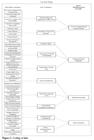
The ACRF contributes to the literature in three ways. First, it shifts attention from access to process by explaining how AI becomes educationally consequential through socially differentiated engagement. Second, it extends capital theory by specifying algorithmic capital as a field-relevant form of advantage associated with generative AI. Third, it brings Bourdieu and Freire into a more precise relationship: Bourdieu explains unequal resource distribution and conversion, while Freire helps illuminate the fragile and uneven forms of critical engagement and emerging critical consciousness through which AI may either reproduce or partially disrupt inequality. In this sense, education matters not only as a site of selection, but also as a site where more critical relations to AI-generated knowledge may or may not be cultivated.
This framework underpins the empirical analysis that follows. It allows the study to move beyond the question of whether students use AI and instead to examine how differences in access, enactment, and interpretive competence shape the educational consequences of AI use among repeat-year students in county-level Chinese high schools.
Methodology
Research Design
This study adopts a qualitative, interpretive case-study design to examine how repeat-year students in county-level high schools in China engage with generative AI in their everyday learning practices. The research focuses on processes of use, judgement, and meaning-making, rather than on frequency or measured outcomes of AI adoption. This approach is appropriate because the study seeks to understand how AI becomes educationally consequential within a stratified, high-pressure learning environment (Creswell and Poth 2018; Merriam and Tisdell 2016).
The study is designed as a theoretically informed case study aimed at analytical generalisation. Rather than representing a broader population, the case of repeat-year students is selected for its analytical relevance. These students operate under intensified temporal constraints, examination pressure, and uneven institutional support, making them particularly sensitive to how new resources, such as AI, are mobilised, enacted, and converted into perceived study advantage. A case-study approach is especially suitable for exploring a contemporary phenomenon within its real-life context, where the boundaries between the phenomenon and context are closely intertwined (Yin 2018).
The research is guided by the Algorithmic Capital Reproduction Framework, which informed both data collection and analysis as a set of sensitising concepts. Specifically, the framework directed attention to three interrelated dimensions: access and mobilisation of AI, forms of enactment in learning practices, and the role of interpretive competence in mediating educational value. These dimensions were incorporated into the design of interview questions, for example by probing how students evaluate AI outputs and decide when to use them, and they also guided analytic attention during data interpretation. The framework was not used as a predefined coding scheme but as an explanatory lens applied after inductive theme development, ensuring that empirical patterns were not forced into theoretical categories (Creswell and Poth 2018).
Research Sites and Participants
The study was conducted in two county-level high schools located in inland China. Both schools were non-elite institutions serving predominantly rural and lower socio-economic populations, but they differed moderately in academic performance and resource availability within the local education system. One school was relatively higher performing with slightly stronger teaching resources, while the other occupied a lower position within the local hierarchy and served a larger proportion of academically vulnerable students. This variation allowed for comparison within a shared structural context while enhancing the analytical robustness of the case.
Participants were recruited through purposive, maximum-variation sampling with the assistance of school gatekeepers. Students were eligible if they (1) were repeat-year students preparing to retake the university entrance examination and (2) had at least some exposure to or experience with generative AI tools. Within these criteria, variation was sought across gender, subject stream, and self-reported academic standing to capture diversity in learning conditions and AI engagement.
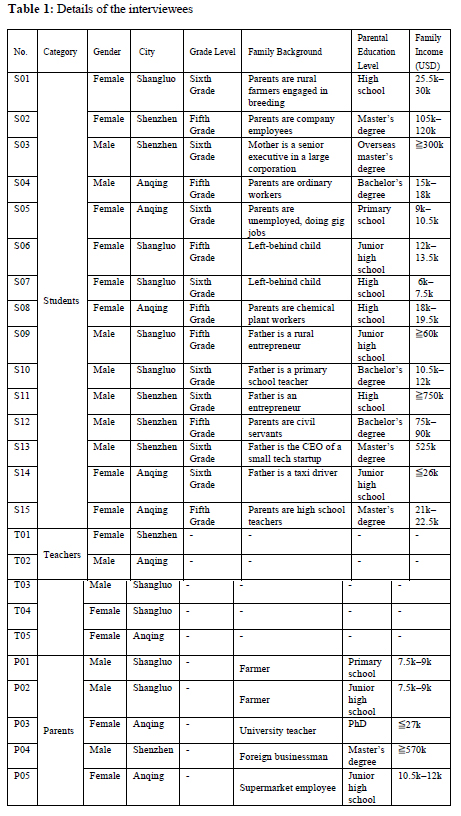
A total of 24 students participated in the study. Most participants came from rural or township backgrounds and identified themselves as performing in the middle or lower range of their cohort. Academic standing was based on self-reports supplemented by class placement descriptions rather than formal ranking records, in order to capture perceived rather than strictly institutionalised position.
Participant characteristics are summarised in Table 1.
Sampling continued until thematic saturation was reached, assessed through iterative comparison across interviews and supplementary data sources, with no substantially new patterns emerging in later stages of data collection.
Data Collection
Data were collected over a three-month period using three complementary qualitative methods: semi-structured interviews, learning diaries, and AI interaction records. The combination of these methods enabled triangulation across reported experiences, contemporaneous practices, and concrete examples of AI use.
Semi-structured interviews were conducted with all 24 participants. Each participant was interviewed once, with interviews lasting between 40 and 70 minutes. Interviews were conducted in Mandarin Chinese, audio-recorded with consent, and transcribed verbatim. The interview protocol was theoretically informed but open-ended, designed to capture both experience and evaluative reasoning. Questions explored how students encountered AI, how frequently and for what purposes they used it, how they assessed the reliability of outputs, and how they decided whether to adopt, modify, or reject AI-generated responses. Particular attention was given to eliciting concrete episodes of use, including instances of success, confusion, or mistrust.
To capture everyday practices beyond retrospective accounts, 12 participants were invited to maintain short learning diaries over a two-week period. These participants were selected to reflect variation in school context, subject stream, and AI usage frequency. The diary format was semi-structured, prompting students to record the task, the AI query, the response received, and how they evaluated or used that response. This allowed the study to document routine patterns of AI engagement and identify discrepancies between reported and actual practices.
In addition, 18 participants provided screenshots or transcripts of AI interactions used in their studies. These materials included prompts, AI-generated explanations, and responses used for assignments or revision. These records were treated as illustrative rather than exhaustive, and were analysed in conjunction with interview and diary data to mitigate potential selection bias. They were particularly useful for examining how students formulated queries and how they responded to AI outputs in practice.
Data Analysis and Analytical Rigour
Data analysis followed a two-stage hybrid approach combining inductive thematic analysis with theoretically informed interpretation. This approach enabled the study to remain grounded in participants' experiences while also addressing its conceptual focus on inequality and AI-mediated learning.
In the first stage, all data sources were analysed inductively using open coding. Transcripts, diaries, and interaction records were read repeatedly, and initial codes were generated to capture recurring actions, meanings, and evaluative processes. Examples of early codes included "using AI to save time", "copying without checking", "cross-checking with textbook", "doubting but still using", and "not knowing how to ask effectively". Through constant comparison across participants and data types, these codes were iteratively refined and grouped into higher-order categories and themes.
In the second stage, the emergent themes were interpreted through the lens of the ACRF. Particular attention was paid to contrasts between students demonstrating different levels of interpretive competence, allowing the analysis to identify mechanisms through which similar baseline access to AI produced divergent patterns of perceived educational value. The framework guided the interpretation of how patterns of access, forms of enactment, and evaluative practices interacted to reproduce or reshape educational inequality.
Analytical rigour was strengthened through several strategies. First, data triangulation enabled validation of patterns across interviews, diaries, and interaction records. Second, analytic memo-ing was used to document coding decisions, emerging interpretations, and potential alternative explanations. Third, a subset of coded data was reviewed with a qualitative research peer to enhance interpretive consistency. Fourth, reflexive notes were maintained throughout the research process to monitor the researchers' assumptions and analytical positioning.
Key constructs were operationalised through observable indicators in participants' practices. Algorithmic capital was identified through students' ability to mobilise AI in ways aligned with academic demands, such as formulating purposeful prompts and integrating outputs into revision. Enactment of AI referred to how AI was used in practice, ranging from shortcut-based substitution to more reflective or strategic engagement. Interpretive competence was distinguished through contrastive patterns: Students with higher levels actively questioned, cross-checked, and revised AI outputs, whereas those with lower levels tended to rely on surface plausibility or accept outputs without evaluation.
Ethical Considerations and Researcher Positionality
Institutional permission was obtained from the participating schools prior to data collection. All participants provided informed consent, and additional guardian consent was secured where required by school procedures. Pseudonyms were used throughout, and identifying details were removed from transcripts, diaries, and AI interaction records. Interviews were conducted in Mandarin Chinese and translated into English by the researchers for publication. In presenting excerpts, priority was given to conceptual equivalence rather than literal reproduction, and translations were checked against the original transcripts during analysis. Reflexive notes were maintained throughout fieldwork and analysis to monitor the researchers' assumptions, positionality, and interpretive decisions.
The study acknowledges several limitations. The data rely partly on self-reported accounts and participant-provided materials, which may not capture all instances of AI use. In addition, the sample did not include students with no exposure to generative AI at all. Accordingly, access in this article refers less to absolute availability than to socially mediated entry into meaningful and sustained use. However, the combination of multiple data sources and the focus on processes rather than frequency help mitigate these limitations.
Overall, the methodological design provides a transparent and theoretically grounded basis for analysing how generative AI is differentially accessed, enacted, and interpreted in a stratified educational context.
Findings
This section presents four interrelated themes that capture how generative AI is accessed, enacted, and interpreted in students' everyday learning practices. Rather than discrete categories, these themes reflect a processual sequence: Unequal access to AI leads to differentiated forms of enactment, which are further mediated by interpretive competence, resulting in divergent patterns of perceived educational value.
Unequal Access and Informal Acquisition of Algorithmic Capital
Although all participants had encountered AI tools and baseline access to them was relatively widespread, meaningful access remained uneven and was largely shaped by informal social processes rather than institutional support. Students did not learn to use AI through teachers or structured instruction; instead, access depended heavily on peer networks and individual initiative.
Students embedded in academically stronger peer environments described more guided and early exposure:
At first I didn't know how to use it ... but my classmate showed me how to ask questions properly. Like, you can't just ask generally, you have to be very specific.
These students developed initial forms of algorithmic capital through peer-mediated learning, gaining not only awareness but also practical strategies such as prompt refinement.
In contrast, other students remained uncertain about how to engage with AI even after exposure:
I've heard about it, and I tried it a few times . but I don't really know what to ask. Sometimes it gives a long answer and I still don't understand.
A third group occupied an intermediate position. They had access but lacked confidence:
I can use it, but I feel like I'm not using it properly... maybe others know better ways.
These differences suggest that access is not binary but layered and stratified. Students differ in how quickly they move from awareness to meaningful use. This reflects unequal acquisition of algorithmic capital, where familiarity, confidence, and early guidance shape initial engagement.
Importantly, institutional absence intensified these disparities. Teachers rarely provided guidance and sometimes discouraged AI use. As one student noted:
Teachers don't really talk about it ... Some even say don't use it too much, so we just figure it out ourselves.
This lack of structured support means that algorithmic capital is unevenly distributed through informal learning environments, reinforcing differences that originate outside formal instruction.
Divergent Enactments: From Substitution to Strategic Use
Once accessed, AI was enacted in markedly different ways. The most common pattern was instrumental or substitutional use, but this coexisted with more selective and strategic forms of engagement.
At one end of the spectrum, some students relied heavily on AI for direct answers:
If I don't understand a question, I just ask AI and copy it ... I mean, there's no time to figure everything out step by step.
For these students, AI functioned as a replacement for cognitive effort, enabling task completion without deeper understanding.
A second group demonstrated a more ambivalent stance. They recognised limitations but continued to rely on AI under pressure:
Sometimes I feel like the answer might not be completely right ... but if I'm in a hurry, I'll still use it. There's not enough time to check everything.
This reflects a form of constrained instrumental use, where awareness of limitations does not translate into alternative strategies due to structural constraints such as time pressure.
A third, smaller group used AI more selectively:
I don't use it to get answers directly ... I usually ask it to explain something, and then I compare it with my notes to see if it makes sense.
Here, AI is enacted as a supporting tool and integrated into existing learning strategies rather than replacing them.
These variations demonstrate that similar baseline access to AI can lead to divergent enactments, shaped by students' confidence, prior knowledge, and learning conditions. Under high-stakes examination pressure, instrumental use tends to dominate, as efficiency becomes prioritised over understanding. This suggests that enactment is not simply an individual choice, but a response to structural constraints within the educational field.
Interpretive Competence as the Key Mediating Mechanism
Differences in interpretive competence were central in explaining why similar patterns of baseline access and use resulted in different patterns of perceived educational value. Interpretive competence refers to students' ability to evaluate, question, and selectively integrate AI-generated outputs.
Students with higher levels of interpretive competence engaged critically with AI:
Even if it looks correct, I still feel a bit unsure ... so I check with my notes or sometimes ask the teacher to confirm.
These students demonstrated active evaluation, treating AI outputs as provisional rather than authoritative.
They also modified AI responses:
Sometimes the explanation is too general, so I rewrite it in a way that fits what we learned in class.
This indicates the ability to translate AI output into contextually relevant knowledge, a key aspect of converting algorithmic capital into academically valued participation and performance.
In contrast, students with lower interpretive competence relied on surface plausibility:
It looks quite complete ... so I just use it. I don't really know how to tell if it's wrong.
Some explicitly expressed uncertainty:
Honestly, I can't really judge ... if it sounds right, I just go with it.
A third group demonstrated inconsistent or situational competence:
For simple things I'll check ... but for more difficult questions, I just trust it because I wouldn't know anyway.
These contrasts show that interpretive competence is not binary but graduated and context-dependent. Crucially, it mediates whether AI becomes a resource for learning or a source of dependency.
From a theoretical perspective, interpretive competence functions as the mechanism through which algorithmic capital is enacted and converted. Students with stronger evaluative capacities are able to derive more educational value from AI use processes, while others remain at the level of surface engagement.
Conditional and Fragile Transformation
Although most patterns point towards the reproduction of inequality, there were instances of more reflective and potentially transformative use of AI. These cases were limited but analytically important.
Some students used AI as a tool for reflection and self-assessment:
Sometimes I ask it to explain something in a different way ... if I still don't understand, then I know that's the part I need to focus on.
Others used AI to test their understanding:
I try to answer first, then compare with what AI says. If it's different, I check where I went wrong.
In these cases, AI functioned as a metacognitive resource, supporting self-monitoring and deeper engagement.
However, such practices were neither stable nor widespread. Even students who demonstrated reflective use described reverting to instrumental strategies under pressure:
When I have time, I try to understand ... but when exams are close, I just use it to get answers quickly.
This highlights the fragility of transformative use. It depends not only on individual competence but also on contextual conditions such as time availability and academic pressure.
Moreover, even among more reflective users, AI was rarely used independently. It was typically combined with textbooks, notes, or teacher guidance. This suggests that transformation is not driven by AI alone, but by its integration into broader learning practices.
Overall, the findings show that AI use among repeat-year students was not defined by access alone. Its educational value depended on how students learned to use AI, how they enacted it under examination pressure, and whether they could evaluate and integrate its outputs.
Discussion
This study examined how generative AI is implicated in the reproduction of educational inequality within a high-stakes, stratified educational context. Drawing on the Algorithmic Capital Reproduction Framework (ACRF), the findings demonstrate that AI does not function as a neutral or equalising resource. Instead, it becomes embedded within existing social structures, where differences in access, enactment, and interpretive competence shape how its educational potential is realised. By engaging both foundational theories of inequality and emerging debates on AI in education, this section develops a more processual and relational account of inequality in AI-mediated learning (Bourdieu 1986; Bourdieu and Passeron 1977; Costa 2025; Silvola et al. 2025).
Reframing AI Inequality: From Access to Epistemic Engagement
Much of the existing discourse on AI in education, particularly techno-optimistic perspectives, frames generative AI as expanding access to knowledge through personalisation, efficiency, and availability. Such accounts suggest that AI may democratise learning by lowering informational barriers (Kim et al. 2025; Lee et al. 2024; Yusuf, Pervin, and Román-González 2024). Baseline access to AI tools may be relatively widespread, yet meaningful and productive access remains uneven because students differ in guided entry, confidence, and evaluative support.
While students in this study had relatively similar baseline access to AI tools, their ability to engage with AI meaningfully differed substantially. This indicates that inequality is not primarily located at the level of access, but at the level of epistemic engagement, that is, the capacity to interpret, evaluate, and integrate knowledge. In this sense, generative AI reconfigures educational inequality by shifting it from resource scarcity to differences in engagement with knowledge itself. This argument extends earlier work on digital inequality, which has already shown that access alone does not guarantee equal outcomes and that differences in skills, use, and conversion matter deeply for educational advantage (Büchi and Hargittai 2022; Hargittai 2008).
This finding contributes to and complicates existing literature on digital inequality. While prior research has emphasised skills and usage as key dimensions beyond access, the present study suggests that generative AI introduces a more specific layer of differentiation centred on interpretive capacity. AI simultaneously expands access to knowledge while intensifying inequality in the ability to interpret it. This paradox is consistent with recent work suggesting that AI-mediated learning depends heavily on students' sensemaking and evaluative engagement rather than on tool access alone (Costa 2025; Silvola et al. 2025). It also highlights the need to move beyond binary evaluations of AI as either beneficial or harmful, and instead to examine the socially differentiated conditions under which its effects are realised (Costa 2025; Johnston et al. 2024).
Algorithmic Capital, Enactment, and Conversion
Building on this processual perspective, the findings extend Bourdieu's theory of capital by elaborating the concept of algorithmic capital. In Bourdieusian terms, the value of capital lies not only in possession, but in its convertibility within a specific field (Bourdieu 1986; Sullivan 2001). The study shows that the ability to effectively mobilise and interpret AI constitutes a field-relevant resource that can be differentially converted into perceived study advantage.
Students with higher levels of algorithmic capital, often supported by stronger peer networks and prior knowledge, are able to enact AI strategically, using it for clarification, revision, and structuring of responses. In contrast, students with lower levels tend to enact AI instrumentally, relying on it for task completion without deeper engagement. These differences illustrate how similar access leads to divergent enactments, shaped by unequal resources and contextual constraints. Recent studies of AI use in educational settings similarly suggest that learners differ substantially in how they frame tasks, interpret AI outputs, and decide whether those outputs can be trusted or revised (Silvola et al. 2025; Urban et al. 2025; Yang et al. 2025).
In line with the ACRF, these findings reveal a mechanism of conversion: Unequal acquisition of algorithmic capital leads to differentiated enactment of AI, which in turn produces stratified patterns of educational value and participation. This reframes capital theory by showing that generative AI introduces a new dimension of inequality rooted not in access to information, but in the ability to engage with algorithmically generated knowledge. It also extends digital capital frameworks by demonstrating that general technological competence does not fully capture the interactional and interpretive demands of AI systems (Büchi and Hargittai 2022; Park 2025; Wang et al. 2024). Algorithmic capital therefore represents a more specific and emergent form of advantage, particularly salient in examination-oriented educational contexts where efficiency and performance are prioritised.
Interpretive Competence and the Limits of Agency
Extending this analysis, the findings identify interpretive competence as the key mechanism through which differences in access and enactment are translated into unequal educational value and participation. Students differ not only in whether they use AI, but in how they evaluate its outputs, question its validity, and integrate it into their learning processes. This resonates with Freire's distinction between passive reception and critical engagement with knowledge (Freire 1970).
Students with higher interpretive competence engage with AI outputs dialogically, treating them as provisional and subject to evaluation. In contrast, students with lower interpretive competence rely on surface plausibility, accepting outputs without critical assessment. These differences demonstrate how epistemic engagement mediates the educational value of AI. This pattern is consistent with recent work on AI-mediated sensemaking and evaluative engagement, which shows that the educational value of generative AI depends heavily on how learners interpret, assign purpose to, and critically assess AI-generated responses (Costa 2025; Silvola et al. 2025; Urban et al. 2025).
However, the findings also complicate Freirean perspectives by showing that critical engagement is situational and constrained rather than consistently enacted. Even students who demonstrate reflective use of AI revert to instrumental strategies under conditions of time pressure and examination stress. This suggests that agency in AI-mediated learning is not simply a matter of individual disposition, but is shaped by structural conditions within the educational field. Recent discussions of teacher and learner agency in AI-rich educational settings point in a similar direction, arguing that critical engagement with AI is often fragile, context-dependent, and mediated by institutional pressures rather than freely exercised (Kahn et al. 2025; Lindell and Modén 2025).
A Freirean reading points to a distinction between limited evaluative checking and a fuller form of critical consciousness. The former is visible in students' efforts to compare, verify, or revise AI outputs; the latter would involve recognising how unequal educational conditions shape who can benefit from AI and on what terms. The present findings do not suggest that such critical consciousness is fully formed among participants. Rather, they indicate that more reflective relations to AI are possible, but they are fragile, unevenly distributed, and difficult to sustain in an examination regime organised around speed, pressure, and performance.
In this sense, the study refines both Bourdieusian and Freirean perspectives. It suggests that the value of capital increasingly depends on the ability to engage with algorithmically mediated knowledge, while also showing that such engagement is unevenly distributed and structurally constrained. The ACRF captures this dynamic by highlighting how interpretive competence mediates the conversion of algorithmic capital into educationally valued practices and perceived study advantage. It also suggests that the educational task is not simply to improve the efficient use of AI, but to create conditions in which questioning, verification, and more critical forms of engagement can be cultivated beyond immediate performance demands.
Conclusion
This study examined how generative AI is implicated in the reproduction of educational inequality within a high-stakes, stratified educational context. Focusing on repeat-year students in county-level high schools in China, and guided by the Algorithmic Capital Reproduction Framework, the findings demonstrate that AI does not function as an equalising resource. Instead, it becomes embedded within existing structures of inequality, where differences in baseline access, enactment, and interpretive competence shape how its educational potential is realised.
A central argument of this study is that generative AI reconfigures educational inequality by shifting it from access to epistemic engagement. While access to AI tools is increasingly widespread, students differ substantially in their capacity to interpret, evaluate, and integrate AI-generated knowledge into meaningful learning processes. These differences are closely linked to the uneven acquisition of algorithmic capital, the ways in which AI is enacted in everyday study practices, and the degree of interpretive competence students are able to exercise. Rather than reducing inequality, generative AI reorganises it around differences in how knowledge is engaged, assessed, and converted into perceived study advantage.
This study contributes to ongoing debates on digital inequality and AI in education by developing a processual account of how inequality is reproduced through everyday learning practices. It extends Bourdieu's theory of capital by introducing algorithmic capital as a field-relevant resource that is unevenly distributed and differentially convertible within examination-oriented educational settings. At the same time, it refines Freirean perspectives by showing that interpretive competence in AI-mediated contexts is not a stable individual attribute, but a situated and structurally constrained capacity linked to the possibility, but not the guarantee, of critical consciousness. Taken together, these contributions suggest a broader theoretical shift: As knowledge becomes increasingly mediated by AI, educational inequality is less about access to information and more about the ability to critically engage with and use that information under unequal learning conditions.
In practical terms, the findings suggest that schools should not treat AI guidance as a matter of tool access or prohibition alone. Teachers can support students more effectively by making interpretive competence an explicit part of everyday learning. This may include asking students to compare AI-generated explanations with textbooks or class notes, identify where an AI answer is too general or unsupported, revise AI outputs into examination-appropriate responses, and explain why they accepted or rejected particular AI suggestions. Schools could also provide simple guidance on prompt formulation, source checking, and responsible use, especially for students who lack strong peer support. For repeat-year students under intense examination pressure, such support should be embedded in ordinary revision activities rather than added as a separate technical training task. The key pedagogical aim is not simply to encourage or restrict AI use, but to help students use AI as a scaffold for questioning, verification, and reflection.
Several limitations should be acknowledged. The study is based on a qualitative case within a specific educational context characterised by high-stakes examinations and strong performance pressures, which shape students' learning strategies and may influence patterns of AI use. While the findings are not intended to be statistically generalisable, the mechanisms identified here may be analytically relevant to other stratified educational contexts. In addition, the reliance on self-reported data and participant-provided materials may not fully capture the full range of AI practices. Future research could adopt longitudinal or mixed-method designs to examine how algorithmic capital develops over time and how institutional factors, such as teaching practices, assessment systems, and platform design, shape AI-mediated learning.
Ultimately, understanding AI in education requires moving beyond the assumption that access alone can produce equity. The central challenge is not simply how to provide AI tools, but how to create pedagogical conditions in which students can question, verify, and work critically with AI-generated knowledge. In this sense, education should help students engage AI not as a shortcut to answers, but as a resource for more reflective learning under unequal conditions.
Funding
This research was supported by the following projects:
Research on the Jiangxi Education Sciences Planning Youth Project in 2025 "Research on the Construction and Application of a Digital Competence Model for Pre-service Teachers in the Era of Digital Intelligence" (Project No.: 2025GQN037);
Research on the Implementation Pathways for Upgrading Employment Promotion Efforts for College Graduates (Project No.: JRS-2022-1191).
Bourdieu, P. 1986. "The Forms of Capital". In Handbook of Theory and Research for the Sociology of Education, edited by J. G. Richardson, 241-258. New York: Greenwood Press.
References
- Bourdieu, P., and J.-C. Passeron. 1977. Reproduction in Education, Society and Culture. London: Sage Publications.
- Büchi, M., and E. Hargittai. 2022. "A Need for Considering Digital Inequality When Studying Social Media Use and Well-Being". Social Media + Society 8 (1). https://doi.org/10.1177/20563051211069125.
- Cheng, Y., and M. O. Hamid. 2025. "Social Impact of Gaokao in China: A Critical Review of Research". Language Testing in Asia 15: 22. https://doi.org/10.1186/s40468-025-00355-y.
- Costa, C. 2025. "Generative Artificial Intelligence in Education: (What) Are We Thinking?" Learning, Media and Technology, https://doi.org/10.1080/17439884.2025.2518258.
- Creswell, J. W., and C. N. Poth. 2018. Qualitative Inquiry and Research Design: Choosing among Five Approaches. 4th ed. Thousand Oaks: Sage Publications.
- Freire, P. 1970. Pedagogy of the Oppressed. New York: Continuum.
- Gruijters, R. 2022. "Trends in Educational Stratification during China's Great Expansion". Oxford Review of Education 48 (3): 320-340.
- Hargittai, E. 2008. "The Digital Reproduction of Inequality". In Social Stratification, edited by D. B. Grusky, 936-944. 3rd ed. Boulder: Westview Press.
- Howlett, Z. M. 2023. "Gaokao Warriors: Diligent Struggle in China's College Entrance Exam". Anthropology and Education Quarterly 54 (1): 22-39. https://doi.org/10.1111/aeq.12442.
- Johnston, H., R. F. Wells, E. M. Shanks, T. Boey, and B. N. Parsons. 2024. "Student Perspectives on the Use of Generative Artificial Intelligence Technologies in Higher Education". International Journal for Educational Integrity 20: 2. https://doi.org/10.1007/s40979-024-00149-4.
- Jin, Y., L. Yan, V. Echeverría, D. Gasevic, and R. Martinez-Maldonado. 2025. "Generative AI in Higher Education: A Global Perspective of Institutional Adoption Policies and Guidelines". Computers and Education: Artificial Intelligence 8: 100348. https://doi.org/10.1016/j.caeai.2024.100348.
- Kahn, P., M. Carrigan, P. Smith, L. Murtagh, R. Liu, and F. Song. 2025. "Teacher Agency and Generative Artificial Intelligence: Teaching in Higher Education as a Responsive, Cultural Activity". Learning, Media and Technology. https://doi.org/10.1080/17439884.2025.2575993.
- Kim, J., M. Klopfer, J. R. Grohs, H. Eldardiry, J. Weichert, L. A. Cox, and D. Pike. 2025. "Examining Faculty and Student Perceptions of Generative AI in University Courses". Innovative Higher Education 50: 1281-1313. https://doi.org/10.1007/s10755-024-09774-w.
- Kofinas, A. K., C. Tsay, and D. Pike. 2025. "The Impact of Generative AI on Academic Integrity of Authentic Assessment within a Higher Education Context". British Journal of Educational Technology 56 (6): 2522-2549. https://doi.org/10.1111/bjet.13585.
- Lee, D., M. Arnold, A. Srivastava, K. Plastow, P. Strelan, F. Ploeckl, D. Lekkas, and E. Palmer. 2024. "The Impact of Generative AI on Higher Education Learning and Teaching: A Study of Educators' Perspectives". Computers and Education: Artificial Intelligence 6: 100221. https://doi.org/10.1016/j.caeai.2024.100221.
- Merriam, S. B., and E. J. Tisdell. 2016. Qualitative Research: A Guide to Design and Implementation. 4th ed. San Francisco: Jossey-Bass.
- Park, J. 2025. "A Systematic Literature Review of Generative Artificial Intelligence (GenAI) Literacy in Schools". Computers and Education: Artificial Intelligence 8: 100487. https://doi.org/10.1016/j.caeai.2025.100487.
- Silvola, A., A. Kajamaa, J. Merikko, and H. Muukkonen. 2025. "AI-Mediated Sensemaking in Higher Education Students' Learning Processes: Tensions, Sensemaking Practices, and AI-Assigned Purposes". British Journal of Educational Technology 56 (5): 2001-2018. https://doi.org/10.1111/bjet.13606.
- Sullivan, A. 2001. "Cultural Capital and Educational Attainment". Sociology 35 (4): 893-912. https://doi.org/10.1177/0038038501035004006.
- Urban, M., C. Brom, J. Lukavský, F. Dëchtërenko, V. Hein, F. Svacha, P. Kmonícková, and K. Urban. 2025. "'ChatGPT Can Make Mistakes. Check Important Info': Epistemic Beliefs and Metacognitive Accuracy in Students' Integration of ChatGPT Content into Academic Writing". British Journal of Educational Technology 56 (5): 1897-1918.
- Wang, H., A. Dang, Z. Wu, and S. Mac. 2024. "Generative AI in Higher Education: Seeing ChatGPT through Universities' Academic Policies, Resources and Guidelines". Computers and Education: Artificial Intelligence 7: 100326. https://doi.org/10.1016/j.caeai.2024.100326.
- Yang, M., S. Jiang, B. Li, K. Herman, T. Luo, S. C. Moots, and N. Lovett. 2025. "Analysing Nontraditional Students' ChatGPT Interaction, Engagement, Self-Efficacy and Performance: A Mixed-Methods Approach". British Journal of Educational Technology 56 (5): 1973-2000. https://doi.org/10.1111/bjet.13588.
- Yin, R. K. 2018. Case Study Research and Applications: Design and Methods. 6th ed. Thousand Oaks: Sage Publications.