Town and Gown convergence: Does journalism education meet 21st century media industry expectations in Nigeria?
Abstract
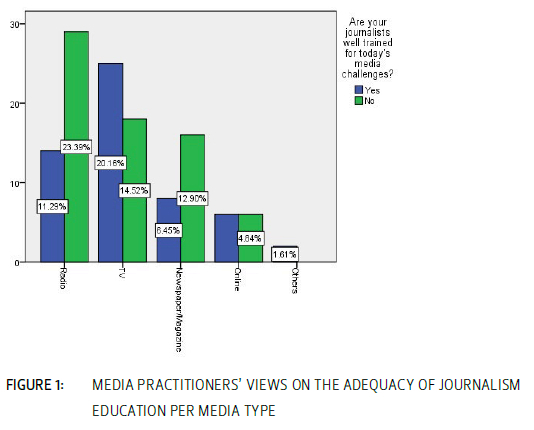
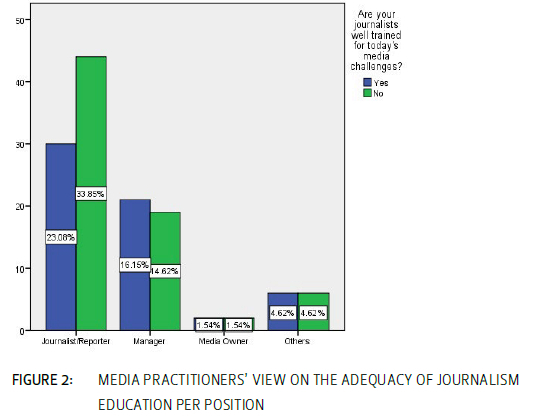
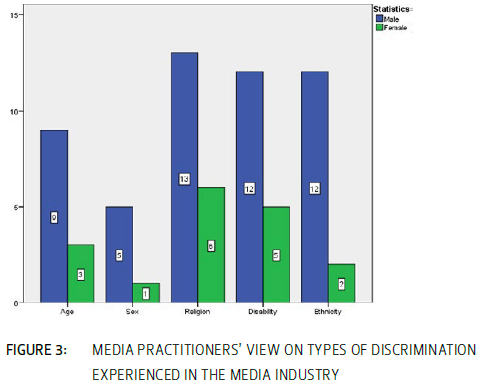
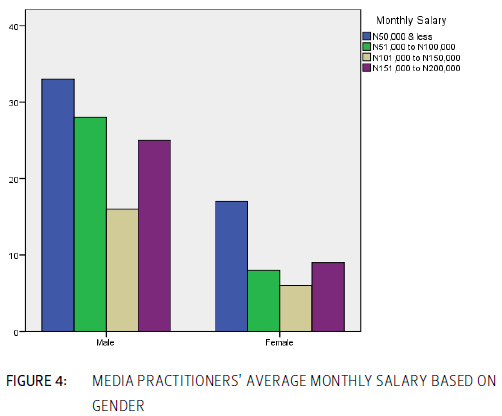
This study interrogates the extent to which journalism education in Nigerian higher institutions converges with or meets the demands for journalism practice in the contemporary age. Using a sample of 164 respondents, consisting of 87 media practitioners, 54 media lecturers, and 23 final-year journalism students in Nigeria, and based on the space interaction theory, this study found that media practitioners and media lecturers find the present education curriculum and training of journalists inadequate. It also established that discrimination based on religion, disability, ethnicity, and income exists in the media workplace and, on average, male journalists earn higher salaries than their female counterparts under the same conditions. Also, nine in ten journalism students are not enthusiastic about their future in the media industry because they believe that their education/training does not meet their initial expectations. The study recommends that the curriculum of journalism studies in Nigerian higher institutions be reviewed and overhauled to reflect the current reality and demands to serve society better.
journalism education; media education; media industry; Nigeria; space interaction theory; SDG 4; SDG 16
 Thumbnail
 Thumbnail
 Thumbnail
 Thumbnail
 Thumbnail