Microstructure and chemical composition of deposited particulate matter from gasoline and diesel vehicle exhaust emissions
Abstract
A comprehensive physicochemical characterization of transport-emitted aerosols containing in vehicle exhaust emissions derived from the combustion of fuels such as diesel, premium gasoline, and unleaded gasoline was performed in this study by employing a range of analytical techniques (Laser granulometry, X-ray Fluorescence (XRF), Fourier Transform Infrared (FTIR), X-ray diffraction (DRX), Scanning Electron Microscopy (SEM), and Thermogravimetry). The X-ray diffractogram of diesel (D) derived aerosols showed an amorphous structure while those of unleaded gasoline (UG) and premium gasoline (PG), showed amorphous crystalline phases. The chemical composition of D, PG and UG derived particles was dominated by aliphatic C-H groups of alkanes with relatively low C=O groups of carboxylic acids, ketones, aldehydes, esters, lactones, and sulphate (SO42-) inorganic salts. The nitrogen-containing functionality (NO3-) was specific to particles of PG and UG. Laser particle size analysis showed fine particle sizes (Range) generated from diesel exhausts, thus making them dangerous when inhaled, as they can penetrate deeply into the human airways and become incorporated into the blood stream damaging more other viscera.
Air pollution; combustion particles; physicochemical characterization; traffic emissions; environmental toxicity; exhaust gas suspension
Introduction
Suspended particulate matter (PM) is one of the major air pollutants affecting human health (Mico et al., 2015; Chernyshev et al., 2019; Lemou et al., 2020, Valavanidis et al., 2008, Popovicheva et al., 2014). The health effects of air pollution, observed in both indoor and outdoor environments, are of great concern because of the high risk of exposure even to relatively low concentrations of air pollutants (Rabhi et al., 2018). It is estimated that over 7 million deaths occur worldwide each year because of exposure to air pollution affecting the lungs and respiratory system (Lemou et al., 2020; Alves et al., 2023). The size, concentrations and compositions of the particles in the air, which can penetrate deep into the lungs and mix with the bloodstream have health implications (Yusuf et al., 2022). The aerosol particles are complex and heterogeneous in their physical features, chemical composition and origin. These physical and chemical features are different, due to the large variability of emission sources and formation and post-formation processes. Depending on the size of the particles, they remain in suspension long enough to penetrate the respiratory tract (Taunton et al., 2011). Information on particle size, shape, and elemental composition is essential for understanding the contribution of emission sources (Mico et al., 2015).
In this work, the microstructure and chemical composition of deposited particulate matter from different vehicle exhaust emissions was investigated. It has been reported that particulate matter from diesel engine exhaust is a complex mixture of organic molecules such as insufficiently oxidized carbon, metal oxides, sulphate and nitrate groups (Boughedaoui et al., 2004). The properties of these particles depend on some characteristic such as engine operating conditions, fuel composition, lubricating oil and exhaust gas filtration equipment (Taunton et al., 2011). Depending on the physical and chemistry properties of different sizes of particles, and the great variability of their emission, they remain suspended for enough time to penetrate into the respiratory tract ( Taunton et al., 2011; Mico et al., 2015).
The environmental effects of rapid industrialisation, urbanisation and energy demand have resulted in countless incidents of air, soil, and water contamination with toxic pollutants, threatening humans and ecosystems with serious health risks (Manisalidis et al., 2020; Yusuf, et al., 2022). Transportation activities have become a significant source of pollution due to the large number of pollutants released during the incomplete combustion (Yusuf, et al., 2022).
In Algeria, where urbanization and motorization are developing rapidly during the last few decades, degradation of air quality and adverse health effects are already perceived (Yassaa et al., 2001a; Yassaa et al., 2001b; Boughedaoui et al., 2004; Kerbachi et al., 2006; Ladji et al., 2009a ; Ladji et al 2009b). The population growth in Algiers conurbation has resulted in about a 50% increase of the car fleet between 2002 and 2020. The National Office of Statistics (ONS) reported that Algiers had 1,731,664 vehicles for 3.1 million inhabitants in 2020. This important growth has contributed greatly to air pollution in the Algerian Capital (ONS, 2020).
In recent years, diesel engines have played an important role in transportation operations due to their low maintenance requirements, fuel economy and better performance (Yusuf, et al., 2022). However, diesel engines are classified as a major source of atmospheric pollutants, posing a serious risk to human health (Yusuf, et al., 2022).
Most diesel exhaust studies were aimed at obtaining information on the average chemical characteristics by bulk analysis techniques, while characterizing individual particles is important for health impact assessment, providing the chemical composition and morphological information at the microscopic level. The particle analysis can reveal the types of particles of major signatures in the vehicular exhausts (Toner et al., 2006; Chernyshev et al., 2018).
According to the investigation realized about market fuels in Algeria, five types fuels for gasoline and diesel engines are largely used: normal petrol, premium gasoline, unleaded gasoline, gas oil and liquefied petroleum gas fuel (LPG/F), which covers all automotive and industrial applications. The main fuels that are extensively used in Algeria are investigated in our work for determining their characteristics.
Automobile gasoline (normal petrol, premium gasoline and unleaded gasoline) is light hydrocarbon oil used as fuel in spark-ignition engines. Its distillation temperature is between 35 and 200°C, while diesel oil is a heavy oil composed of a mixture of hydrocarbons (paraffinic, naphthenic, aromatic and olefinic) whose distillation temperature is between 200 and 380°C, their flash point is always greater than 50 and their greater density than 0.82(unit) (Sarıkoç, 2020).
The premium is of the same nature as regular gasoline; its composition differs from gasoline by the higher benzene content (4 to 6%) due to the decrease in lead content; the higher sulfur content (0.5%). The unleaded super has totally supplanted the super lead. The additives used are MTBE (methyltertiobutyl ether), the most used additive, and benzene added to improve the octane number (Sarıkoç, 2020).
As regards to annual consumption, according to the Hydrocarbons Regulatory Authority (ARH) from the Ministry of Energy and Mines (Algeria), for the year 2022, diesel consumption has reached 10.1 million tonnes (MT), an increase of more than 4% compared to 2021, estimating that this consumption "should continue to increase thanks to the economic growth recorded in Algeria". On the other hand, the consumption of liquefied petroleum gas-fuel (LPG-c) increased by 20%, reaching 1.5 MT in 2022, compared to 1.2 MT in 2021, thanks to the efforts agreed upon by different actors for several years to promote this eco-responsible product offered to the consumer at a very attractive price (9 DA/litre) compared to other types of fuel, in addition to many other incentive measures. On the other hand, gasoline consumption fell by 2.26% to 3.3 MT, compared to 3.4 MT in 2021. A drop that is explained by the increase in LPG-c consumption, which should reach 6.8 million tonnes by 2050, knowing that the production capacity of this fuel is currently estimated at 4 million tonnes per year.
This paper aims to characterize the microstructure and chemical composition of deposited particulate matter (DPM) in the vehicular exhaust emissions of different engines; diesel, premium gasoline and unleaded gasoline vehicles. The actual parameters measured (e.g. size, chemical composition, etc.) was performed by Laser granulometry while the physicochemical analysis was achieved by X-ray Fluorescence (XRF), Fourier Transform Infrared (FTIR), X-ray diffraction (DRX), Scanning Electron Microscopy (SEM), and thermogravimetry (TG) were employed for spectral characterization.
Materials and methods
DPM collection
The process of DPM involved gathering particles left on the surfaces of various vehicles' exhaust pipes. The samples were protected from light and moisture until analysis. It is important to note that all surfaces or walls of the exhaust pipes were carefully cleaned using a dry cloth and the considered sample particulates were collected one year later, so these sample particles resulted from one-year accumulation on the walls of the exhaust pipes. For reproducibility, at least three samples for each fuel type were used for each analysis. It should be noted, the samples were homogenised and analysed as a single sample for both super gasoline and unleaded gasoline.
Description of cars and buses utilised in this study
The emissions of light cars of different manufacturers, with an age of between 2 and 10 years were investigated. In this contribution, the selection was made as follows: (i) two vehicles using super gasoline fuel, (ii) two others using unleaded gasoline fuel (UG). Also, DPM of diesel (D) was collected from a large (40 person) bus in the year 2013.
DPM characterization
XRD analysis of DPM was performed on a Siemens D-5000 diffractometer with Cu- Ka radiation (1.5418 A°).
DPM XRF analysis were conducted by Rigaku ZSX Primus II X-ray Fluorescence Spectrometer, elementary coverage: 4Be to 92U.
Closing window, Rh-anode, 3kW or 4 kW, 60kV. Primary X-ray filter: Al25, Al125, Ni40 and Ni400. Heavy Element Detector: Scintillation Counter (SC).
FTIR analysis of the particle chemical composition was measured using Bruker Brand Spectrometer in a transmission mode, at 2 cm-1 resolution.
Individual DPM were examined using the SEM/EDX of the Brand Quanta 250 with tungsten filament produced by FEI field emission scanning electron microscope, with a maximum resolution of the images: 3584 x 3094 pixels (16 bits). EDX Bruker system EDS Quantax 200 for X-ray microanalysis images in secondary or backscattered electrons (topographic information and compositional contrast) with a lateral resolution of 0.1 μm approximately (magnification up to 20,000).
The equipment used for volumetric distribution measurements by laser granulometry was a MALVERN MATERSIZER 2000 granulometer, equipped with Scirocco as a dry dispersion accessory; sensitivity normal, absorption 0.1 and obscuration 5.68%.
Thermogravimetric (TG) analysis of DPM was done on a Thermal Analyst (Setaram Set Sys 16/18). Analyses were carried out in flowing air at a constant heating rate of 10 °C min-1 (25-950 °C).
The procedure for the collection of DPM and the instruments used for characterization were summarised in Figure 1.
Results and discussions
Mineralogical analysis and chemical composition by XRD and XRF techniques
As shown on Figure 2, three peaks are seen on Diesel diffractogram, ranged from 10 to 40°. The first one is weak, at 17.41°.
The two others located at 24.76° (002) and 43.15° (101), can be attributed to the presence of carbonic phase (graphite) as the major phase, which was confirmed by XRF (85.9% of carbon) (Guo et al., 2015), Figure 3.
In contrast, as indicated in Figure 1, unleaded gasoline (UG) and premium gasoline (PG) diffractograms confirm the presence of crystalline phases with greater intensities in the range [20° to 50 °]. The identification of these peaks reveals the presence of silicates (quartz: SiO2), oxides (Fe2O3), sulphates (PbSO4), phosphates (BPO4, AlPO4), carbonates (CaCO3) and other compounds (Satsangi and Yadav, 2014).
By comparing UG to PG diffractograms, peaks attributing to C14H8Cl2 (dichloroanthracene) and PbCl Br2 occurred only in PG samples. This result can be explained by the existence of a non-burned fraction of PG. The presence of some peaks at low intensities in different positions in both PG and UG diffractograms can be attributed to impurities present during sampling, including dolomite (CaMg (CO3)2, iron-zinc oxide (ZnFe2O4), sulfate: magnesium (Mg2SiO4), calcium-aluminum (KAlSi3O8), and phosphate (BPO4, AlPO4, PbSO4 PbMoO4) (Figure 4 (a, b and c)).
Comprehensive XRF analysis of the particles from the PG and UG engines as depicted in Figure 3, were similar and consisted mainly of Carbon 55.8% and 50.3% by weight, respectively.
The composition of Pb in the particles of PG (14.3% by weight) was greater than that of UG (8.14%). This result can be attributed to the parallel use of two fuels. The presence of element B in vehicles without Pb (3.08% by mass) was also detected. Other trace elements such as Mg, P, K, Mn, Ni, Zn and Mo may be due to the impurities that can accumulate on the exhaust pipes of the various vehicles, which were derived essentially from the external environment such as the deposit of sludge, the products of maintenance during the washing of the vehicles.
The non-carbon content can be divided into two groups: (i) elements derived from motor oil additives; P, S, Ca, Zn, Mg, Mo, and probably Na; and (ii) elements of used metals; Fe, Cr, Al, Cu, and Br (Uy et al., 2014).
Fourier transform infrared spectroscopy (FTIR)
Figure 5 shows FTIR spectra of considered samples produced from diesel engines, premium gasoline and unleaded gasoline vehicles. These spectra are similar, showing the same vibration frequencies with differences in peak intensities. Indeed, PG super FTIR spectra is characterized by a peak with high intensity at 2922.67 cm-1, whereas it appears lower in the spectra of the two other samples. This can be explained by the presence of asymmetric vibration of CH2 groups. These results are similar to those reported in the literature (Guerrero et al., 2013; Popovicheva et al., 2014; Sahu et al., 2016).
Absorption between 1700 and 1590 cm-1 generally correspond to the C=O stretching vibrations. Also, other absorption peaks are seen in 1700-1000 cm-1 region. The most important ones correspond to the stretching vibrations of C=O of carboxylic acids (Manoj et al., 2012; Sahu et al., 2016). The peak at 1745 cm-1 corresponds to the carbonyl groups of esters while that at 1533 cm-1 corresponds to the C=C bond vibrations resulting from the aromatic ring or alkene functional groups (Guerrero et al., 2013). The massive absorption in 1400-1450 cm-1 region, and the peak at 1374.64 cm1 can be attributed to the symmetric and asymmetric alkyl group vibrations (Guerrero et al., 2013; Popovicheva et al., 2014).
The bands lying between 1550 and 1380 cm1 correspond to C=C bond vibrations of the aromatic group (Sahu et al., 2016). The aliphatic C-H plane deformation of CH2/CH3 groups were found in 1380 cm-1 and 1445 cm-1, respectively (Manoj et al., 2012). The peak at 1162.17 cm-1 in both premium gasoline and unleaded gasoline correspond to the O-C function. The response around 1020 cm-1 can be attributed to the functions C-O-C and C = O, O-S, P-OR, Si-OR in all three samples (Sahu et al., 2016). The bands appeared in the 1000-1300 cm-1 region is a characteristic of C-C aromatic functions and C-H plane deformation, but the most important structure correspond to C-O-C ether (Manoj et al., 2012; Guerrero et al., 2013). The bands lying between 1100 and 1170 cm-1 correspond to the C-CH2-O vibrations, C-O-C asymmetric vibrations and C-C stretching groups (Guerrero et al., 2013). The two peaks at 594.26 and 626.46 cm-1 correspond to SO42- ion (Popovicheva, 2014) produced due of sulfur contaminants in the fuel or oil.
Peak at 874.38 cm-1 in spectra of premium gasoline and unleaded gasoline can be probably explained by NO3- ions resulting from the higher nitrification of the particle surface in the fuel exhaust.
Scanning electron microscopy (SEM/EDX)
As it can be seen on Figure 5, the microscopic images of particles resulting from D, UG and PG indicate similarities in their morphological features. There are two forms, a spherical shape resulting from the combustion of organic matter (fuel) and a non-regular angular shape (irregular structure) which corresponds to the inorganic elements present in the fuel (Pb) and were originated from the external environment (aluminum silicate and calcium silicate). This can be explained by the fact that particles have been found spherical with the tendency to agglomerate and collect on the surface. Diesel particles are vague and can undergo some decomposition under the SEM beam.
Laser granulometry
From Figure 7 and Table 1, one can infer that size particles emitted by the different engines vary between 0.14 and 478.63 μm. The average diameter of diesel particles D was 4.49 μm, the maximum particle size was 15.13 μm and the minimum was 0.21 μm.
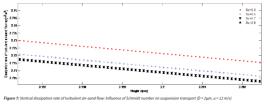
The average diameter of aerosol particles emitted from the combustion of premium gasoline (PG) and unleaded gasoline (UG) were 12.86 and 72.32 μm, respectively. It is worth noting that the particle size is finer in the case of Diesel, making them dangerous once inhaled, as they can reach deep inside the respiratory tract and get incorporated into the blood stream further damaging other viscera (Kim et al., 2015; Maricq and Xu, 2004; Mathis et al., 2005; Oh et al., 2011; Chiatti et al., 2016; Sahu et al., 2016).
Interestingly, it is important to highlight that analysis resulted from laser granulometry matched those very well performed by the SEM.
Thermal analysis (TGA and DSC)
TGA /DSC analyses were applied to determine the fraction of volatility and oxidation properties of the particles produced by the three types of engines. Figures 8 and 9 show the typical weight loss curves and DSC signal of the three types of particles, respectively.
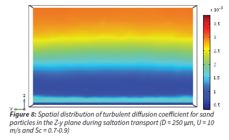
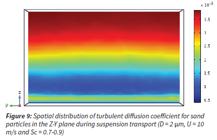
As it can be noted from Figure 8, comparative thermogravimetry of particles shows a loss of mass between [100-1000°C], corresponding to hydrocarbon desorption (evaporable organic matter of 51.7%) for diesel (Simão et al., 2006). As it was also seen in the associated heat release curve (DSC) depicted in Figure 9, the increase in the released heat started at about 250 °C to 432 °C with an enthalpy of 9853 J/g. This can be explained by the endothermic evaporation of the volatile organic fraction (VOF). This implies that light hydrocarbons on the soot will evaporate above 200 °C (Oh et al., 2011).
For PG, the TGA curves show a loss of mass (53.65%) with the formation of two bearings. The first reached 16% in the range of [100-350 °C] which corresponds to the evaporation of water (Müller et al., 2006), and the 2nd level reached 37.5 % in the range of [350-900 °C] which corresponds to the removal of organic matter.
For UG, ATG curves show a total percentage of evaporable organic matter of 21% to 49.5% in the range of [100-550 °C] and 18% in the range of [550-950 °C]. This evaporable organic material corresponds to the non-burned hydrocarbon fraction (piled up) by the engines of the vehicles.
The residual part of the particles corresponds to the oxides detected by XRF (SiO2, CaO, P2O5, Fe2O3, etc.) (Simão et al., 2006).
The DSC curves of UG compared to that of PG, show the formation of a new endothermic peak at about 812 °C with enthalpy equal to 209J/g (from the rest of the organic matter) (Oh et al., 2011).
Conclusions
The microscopic and chemical characterizations of the particles emitted by the diesel engines, and petrol engines utilising premium and unleaded gasoline have allowed a comprehensive determination of their physicochemical properties with regards to the morphologies, the elemental compositions, the organic/ inorganic contents and the particle size and structure.
The XRD and XFR analyses have proven to be powerful in providing useful insights about the microscopic structures of different fuels. They showed, in the case of particles generated by diesel engines, that many organic and inorganic compounds presented an amorphous structure with the appearance of two well-distinguished peaks, the first was the most intense at 24.76° (002), and the second at 43.15° (101). This can be attributed to carbonic (graphite) as the major phase, which was confirmed by XRF (85.9% of carbon). Unlike diesel (D), the unleaded gasoline (UG) and premium gasoline (PG) diffractograms showed a well-crystalline phase amorphous with greater intensities in the range [20° to 50°]; the identification of these peaks revealed silicates (quartz: SiO2), oxides (Fe2O3), sulfates (PbSO4), phosphates (BPO4, AlPO4), carbonates (CaCO3), and others.
The chemical composition of diesel, premium gasoline, and unleaded gasoline particles was dominated by aliphatic CH groups in alkanes with relatively low C=O groups in carboxylic acids, ketones, aldehydes, esters, lactones, and sulphate inorganic salts.
Based on laser particle size analysis, it was found that the particle size was the finest in diesel, which makes them dangerous once inhaled, as they can reach deep inside the respiratory tract and get incorporated with the blood stream, thus damaging other viscera. Prolonged exposure to these fine particles and highly toxic pollutants is likely to have a significant impact on health, resulting in symptoms of cancer, bronchitis, emphysema, and cardiovascular and pulmonary disease, as widely documented in the literature.
Declarations
Conflict of interest: The authors declare no competing interests.
About data availability statements
The datasets generated during and/or analysed during the current study are available from the corresponding author on reasonable request.
References
-
Alves, C., Evtyugina, M., Vicente, E., Vicente, A., Rienda, I. C., De La Campa, A. S., Tomé, M., & Duarte, I. (2023). PM2.5 chemical composition and health risks by inhalation near a chemical complex. Journal of Environmental Sciences, 124, 860-874. https://doi.org/10.1016/j.jes.2022.02.013
» https://doi.org/10.1016/j.jes.2022.02.013 -
Boughedaoui, M., Kerbachi, R., Kessali, D., & Joumard, R. (2004). Mesure de la pollution plombifère dans l'air ambiant d'Alger. Pollution atmosphérique, N°181. https://doi.org/10.4267/pollution-atmospherique.1602
» https://doi.org/10.4267/pollution-atmospherique.1602 -
Chernyshev, V. V., Zakharenko, A. M., Ugay, S. M., Hien, T. T., Hai, L. H., Kholodov, A. S., Burykina, T. I., Stratidakis, A. K., Mezhuev, Ya. O., Tsatsakis, A. M., & Golokhvast, K. S. (2018). Morphologic and chemical composition of particulate matter in motorcycle engine exhaust. Toxicology Reports, 5, 224-230. https://doi.org/10.1016/j.toxrep.2018.01.003
» https://doi.org/10.1016/j.toxrep.2018.01.003 -
Chernyshev, V. V., Zakharenko, A. M., Ugay, S. M., Hien, T. T., Hai, L. H., Olesik, S. M., Kholodov, A. S., Zubko, E., Kokkinakis, M., Burykina, T. I., Stratidakis, A. K., Mezhuev, Ya. O., Sarigiannis, D. A., Tsatsakis, A., & Golokhvast, K. S. (2019). Morphological and chemical composition of particulate matter in buses exhaust. Toxicology Reports, 6, 120-125. https://doi.org/10.1016/j.toxrep.2018.12.002
» https://doi.org/10.1016/j.toxrep.2018.12.002 -
Chiatti, G., Chiavola, O., Recco, E., & Palmieri, F. (2016). Soot Particles Experimental Characterization During Cold Start of a Micro Car Engine. Energy Procedia, 101, 662-669. https://doi.org/10.1016/j.egypro.2016.11.084
» https://doi.org/10.1016/j.egypro.2016.11.084 -
Guerrero, A., Anguebes, F., Castelán, M., Morales, V., García, R., Córdova, A. V., & Zavala, J. C. (2013). FTIR-ATR and Multivariate Calibration for the Prediction of Biodiesel Concentration in Petrodiesel Blends. American Journal of Analytical Chemistry, 04(07), 343-347. https://doi.org/10.4236/ajac.2013.47043
» https://doi.org/10.4236/ajac.2013.47043 -
Guo, M., Cai, Z., Zhang, Z., & Zhu, M. (2015). Characterization and lubrication performance of diesel soot nanoparticles as oil lubricant additives. RSC Advances, 5(123), 101965-101974. https://doi.org/10.1039/C5RA19522E
» https://doi.org/10.1039/C5RA19522E -
Kerbachi, R., Boughedaoui, M., Bounoua, L., & Keddam, M. (2006). Ambient air pollution by aromatic hydrocarbons in Algiers. Atmospheric Environment, 40(21), 3995-4003. https://doi.org/10.1016/j.atmosenv.2006.02.033
» https://doi.org/10.1016/j.atmosenv.2006.02.033 -
Kim, K.-H., Kabir, E., & Kabir, S. (2015). A review on the human health impact of airborne particulate matter. Environment International, 74, 136-143. https://doi.org/10.1016/j.envint.2014.10.005
» https://doi.org/10.1016/j.envint.2014.10.005 -
Ladji, R., Yassaa, N., Balducci, C., Cecinato, A., & Meklati, B. Y. (2009a). Annual variation of particulate organic compounds in PM10 in the urban atmosphere of Algiers. Atmospheric Research, 92(2), 258-269. https://doi.org/10.1016/j.atmosres.2008.12.002
» https://doi.org/10.1016/j.atmosres.2008.12.002 - Ladji, R., Yassaa, N., Balducci, C., Cecinato, A., & Meklati, B. Y. (2009b). Distribution of the solvent-extractable organic compounds in fine (PM1) and coarse (PM1-10) particles in urban, industrial and forest atmospheres of Northern Algeria. Science of the Total Environment, 10.
- Lemou, A., Rabhi, L., Cherifi, N., Ladji, R., & Yassaa, N. (2020). Temporal variation of PM10, PM2.5 and gaseous pollutants (NOx, SO2) particles suspended in the atmosphere of an urban sit in Bou-Ismail. Algerian Journal of Environmental Science and Technology, 5.
-
Lemou, A., Rabhi, L., Merabet, H., Ladji, R., Nicolas, J. B., Bonnaire, N., Mustapha, M. A., Dilmi, R., Sciare, J., Mihalopoulos, N., & Yassaa, N. (2020). Chemical characterization of fine particles (PM2.5) at a coastal site in the South Western Mediterranean during the ChArMex experiment. Environmental Science and Pollution Research, 27(16), 20427-20445. https://doi.org/10.1007/s11356-020-08168-7
» https://doi.org/10.1007/s11356-020-08168-7 -
Manisalidis, I., Stavropoulou, E., Stavropoulos, A., & Bezirtzoglou, E. (2020). Environmental and Health Impacts of Air Pollution: A Review. Frontiers in Public Health, 8, 14. https://doi.org/10.3389/fpubh.2020.00014
» https://doi.org/10.3389/fpubh.2020.00014 - Manoj, B., Sreelaksmi, S., Mohan, A. N., & Kunjomana, A. G. (2012). Characterization of Diesel Soot from the Combustion in Engine by X-ray and Spectroscopic techniques. Int. J. Electrochem. Sci., 7, 8.
-
Maricq, M. M., & Xu, N. (2004). The effective density and fractal dimension of soot particles from premixed flames and motor vehicle exhaust. Journal of Aerosol Science, 35(10), 1251-1274. https://doi.org/10.1016/j.jaerosci.2004.05.002
» https://doi.org/10.1016/j.jaerosci.2004.05.002 -
Mathis, U., Mohr, M., Kaegi, R., Bertola, A., & Boulouchos, K. (2005). Influence of Diesel Engine Combustion Parameters on Primary Soot Particle Diameter. Environmental Science & Technology, 39(6), 1887-1892. https://doi.org/10.1021/es049578p
» https://doi.org/10.1021/es049578p - Mico, S., Tsaousi, E., Deda, A., & Pomonis, P. (2015). Characterization of Airborne Particles and Source Identification Using SEM/EDS. Eur. Chem. Bull, 6.
-
Müller, J.-O., Su, D. S., Jentoft, R. E., Wild, U., & Schlögl, R. (2006). Diesel Engine Exhaust Emission : Oxidative Behavior and Microstructure of Black Smoke Soot Particulate. Environmental Science & Technology, 40(4), 1231-1236. https://doi.org/10.1021/es0512069
» https://doi.org/10.1021/es0512069 -
Oh, K. C., Lee, C. B., & Lee, E. J. (2011). Characteristics of soot particles formed by diesel pyrolysis. Journal of Analytical and Applied Pyrolysis, 92(2), 456-462. https://doi.org/10.1016/j.jaap.2011.08.009
» https://doi.org/10.1016/j.jaap.2011.08.009 -
ONS. (2020). National Office of Statistics of Algiers, http://www.ons.dz.
» http://www.ons.dz -
Popovicheva, O. B. (2014). Microstructure and Chemical Composition of Diesel and Biodiesel Particle Exhaust. Aerosol and Air Quality Research. https://doi.org/10.4209/aaqr.2013.11.0336
» https://doi.org/10.4209/aaqr.2013.11.0336 -
Popovicheva, O. B., Kireeva, E. D., Steiner, S., Rothen-Rutishauser, B., Persiantseva, N. M., Timofeev, M. A., Shonija, N. K., Comte, P., & Czerwinski, J. (2014). Microstructure and Chemical Composition of Diesel and Biodiesel Particle Exhaust. Aerosol and Air Quality Research, 14(5), 1392-1401. https://doi.org/10.4209/aaqr.2013.11.0336
» https://doi.org/10.4209/aaqr.2013.11.0336 -
Rabhi, L., Lemou, A., Cecinato, A., Balducci, C., Cherifi, N., Ladji, R., & Yassaa, N. (2018). Polycyclic aromatic hydrocarbons, phthalates, parabens and other environmental contaminants in dust and suspended particulates of Algiers, Algeria. Environmental Science and Pollution Research, 25(24), 24253-24265. https://doi.org/10.1007/s11356-018-2496-y
» https://doi.org/10.1007/s11356-018-2496-y - Sahu, R., Adak, P., & Elumalai, S. P. (2016). Characterization of hazardous solid waste (soot) accumulated in tailpipe of typical Indian share autos. Current Science, 111(3), 560-564.
-
Sarıkoç, S. (2020). Fuels of the Diesel-Gasoline Engines and Their Properties. In R. Viskup (Éd.), Diesel and Gasoline Engines. IntechOpen. https://doi.org/10.5772/intechopen.89044
» https://doi.org/10.5772/intechopen.89044 -
Satsangi, P. G., & Yadav, S. (2014). Characterization of PM2.5 by X-ray diffraction and scanning electron microscopy-energy dispersive spectrometer: Its relation with different pollution sources. International Journal of Environmental Science and Technology, 11(1), 217-232. https://doi.org/10.1007/s13762-012-0173-0
» https://doi.org/10.1007/s13762-012-0173-0 -
Simão, J., Ruiz-Agudo, E., & Rodriguez-Navarro, C. (2006). Effects of particulate matter from gasoline and diesel vehicle exhaust emissions on silicate stones sulfation. Atmospheric Environment, 40(36), 6905-6917. https://doi.org/10.1016/j.atmosenv.2006.06.016
» https://doi.org/10.1016/j.atmosenv.2006.06.016 - Taunton, A. E., Gunter, M. E., Nolan, R. P., & Phillips, J. I. (2011). Characterization of minerals in pleural plaques from lung tissue of non- human primates. An International Journal of Mineralogy, Crystallography, Geochemistry, Ore Deposits, Petrology, Volcanology and Applied Topics on Environment, Archeometry and Cultural Heritage, 13.
-
Toner, S. M., Sodeman, D. A., & Prather, K. A. (2006). Single Particle Characterization of Ultrafine and Accumulation Mode Particles from Heavy Duty Diesel Vehicles Using Aerosol Time-of-Flight Mass Spectrometry. Environmental Science & Technology, 40(12), 3912-3921. https://doi.org/10.1021/es051455x
» https://doi.org/10.1021/es051455x -
Uy, D., Ford, M. A., Jayne, D. T., O'Neill, A. E., Haack, L. P., Hangas, J., Jagner, M. J., Sammut, A., & Gangopadhyay, A. K. (2014). Characterization of gasoline soot and comparison to diesel soot : Morphology, chemistry, and wear. Tribology International, 80, 198-209. https://doi.org/10.1016/j.triboint.2014.06.009
» https://doi.org/10.1016/j.triboint.2014.06.009 -
Yassaa, N., Meklati, B. Y., Brancaleoni, E., Frattoni, M., & Ciccioli, P. (2001). Polar and non-polar volatile organic compounds (VOCs) in urban Algiers and saharian sites of Algeria. Atmospheric Environment, 35(4), 787-801. https://doi.org/10.1016/S1352-2310(00)00238-7
» https://doi.org/10.1016/S1352-2310(00)00238-7 -
Yassaa, N., Youcef Meklati, B., Cecinato, A., & Marino, F. (2001). Particulate n-alkanes, n-alkanoic acids and polycyclic aromatic hydrocarbons in the atmosphere of Algiers City Area. Atmospheric Environment, 35(10), 1843-1851. https://doi.org/10.1016/S1352-2310(00)00514-8
» https://doi.org/10.1016/S1352-2310(00)00514-8 -
Yusuf, A. A., Dankwa Ampah, J., Soudagar, M. E. M., Veza, I., Kingsley, U., Afrane, S., Jin, C., Liu, H., Elfasakhany, A., & Buyondo, K. A. (2022). Effects of hybrid nanoparticle additives in n-butanol/ waste plastic oil/diesel blends on combustion, particulate and gaseous emissions from diesel engine evaluated with entropy-weighted PROMETHEE II and TOPSIS : Environmental and health risks of plastic waste. Energy Conversion and Management, 264, 115758. https://doi.org/10.1016/j.enconman.2022.115758
» https://doi.org/10.1016/j.enconman.2022.115758 -
Yusuf, A. A., Inambao, F. L., & Ampah, J. D. (2022). Evaluation of biodiesel on speciated PM2.5, organic compound, ultrafine particle and gaseous emissions from a low-speed EPA Tier II marine diesel engine coupled with DPF, DEP and SCR filter at various loads. Energy, 239, 121837. https://doi.org/10.1016/j.energy.2021.121837
» https://doi.org/10.1016/j.energy.2021.121837 -
Yusuf, A. A., Yusuf, D. A., Jie, Z., Bello, T. Y., Tambaya, M., Abdullahi, B., Muhammed-Dabo, I. A., Yahuza, I., & Dandakouta, H. (2022). Influence of waste oil-biodiesel on toxic pollutants from marine engine coupled with emission reduction measures at various loads. Atmospheric Pollution Research, 13(1), 101258. https://doi.org/10.1016/j.apr.2021.101258
» https://doi.org/10.1016/j.apr.2021.101258
Reviewed: 6 July 2023
Accepted: 2 November 2023