An automated workflow to standardise taxon names for South African alien species lists
Abstract
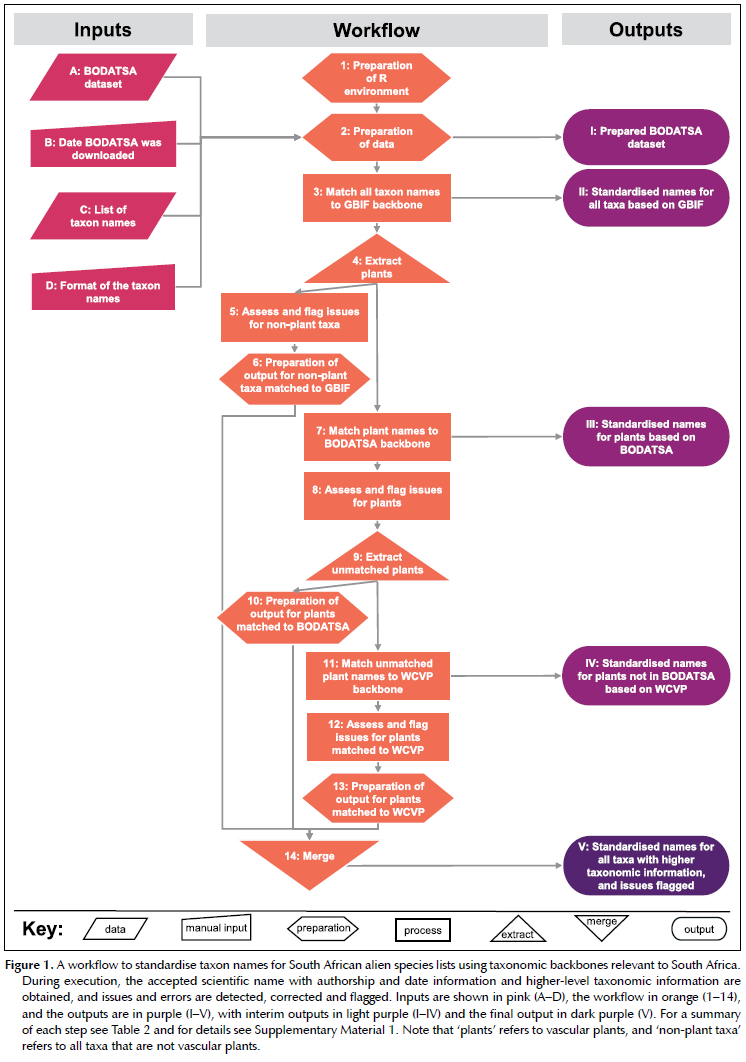
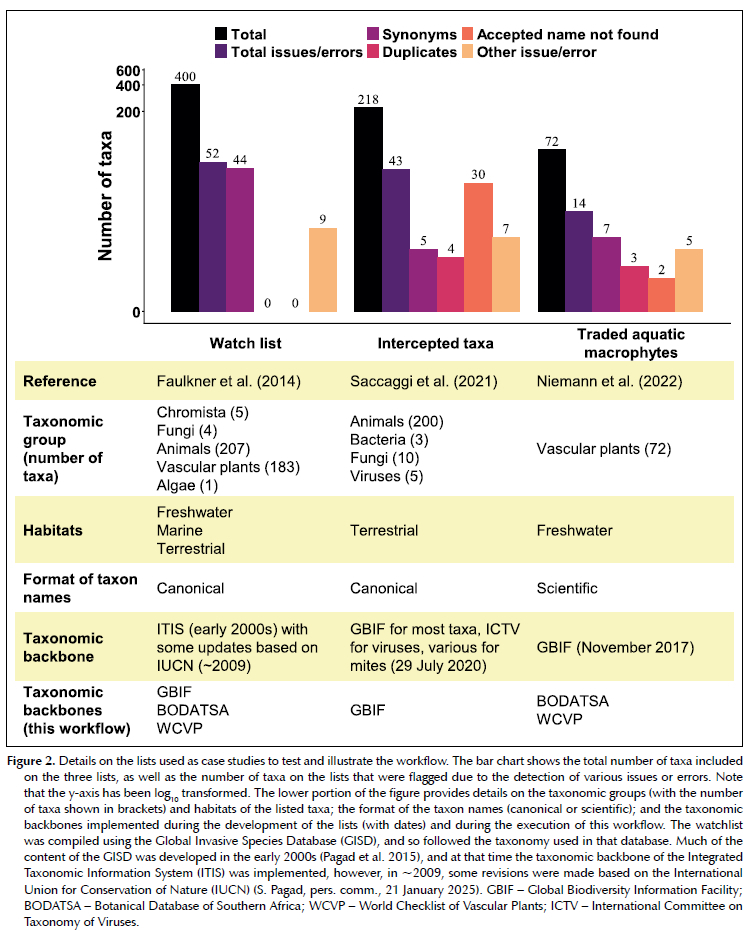
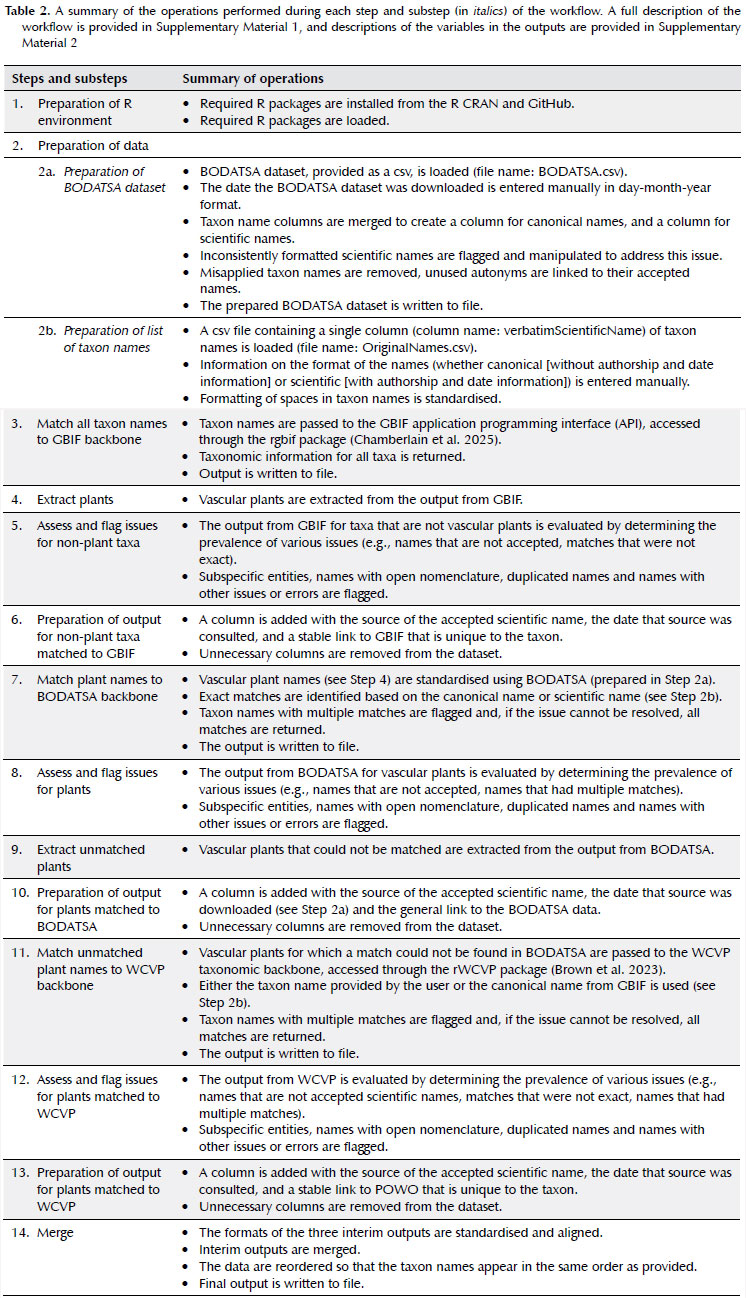
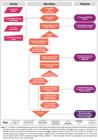
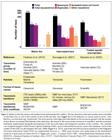
Accurate, up-to-date and interoperable alien species lists are required if South Africa is to estimate the status of biological invasions, effectively manage the problem, and meet its international obligations under the Global Biodiversity Framework. A plethora of South African alien species lists have been developed; but these have been standardised using different taxonomic backbones that change over time, and what has been done taxonomically is often not transparent or repeatable. Consequently, the lists are not interoperable, and the names of the listed taxa are often out-of-date and contain errors. Here a workflow to standardise taxon names for South African alien species lists is introduced. The workflow is open, has been automated and uses taxonomic backbones that are relevant to the South African context. The final output includes accepted scientific names, higher taxonomic information and details on taxonomic sources; and issues and errors are detected, corrected and flagged, including synonyms and duplicated taxa. Three lists of alien taxa, with error rates of 13-20%, and which differ in their taxonomic focus and backbones, serve as case studies. The case studies illustrate that the workflow can automatically standardise hundreds of taxon names in minutes, leaving a few (0-14%) for which manual work would be required. The workflow is a step-by-step guide of the processes required, will reduce error rates and facilitate the transparent and repeatable taxonomic standardisation of the names of alien taxa. In so doing, it will increase the interoperability and utility of South African alien species lists.
alien species databases; alien species lists; biological invasions; R software environment; taxonomic backbones
 Thumbnail
 Thumbnail