Endemic plants and animals are susceptible to extinction in an imperilled alpine hotspot in southern Africa
Abstract
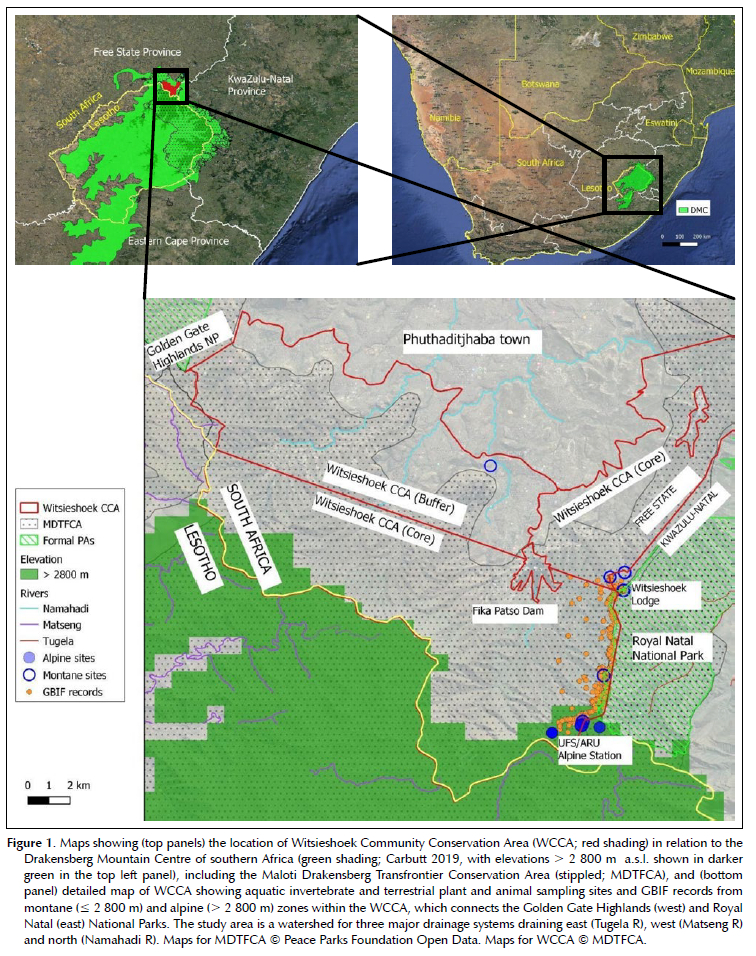
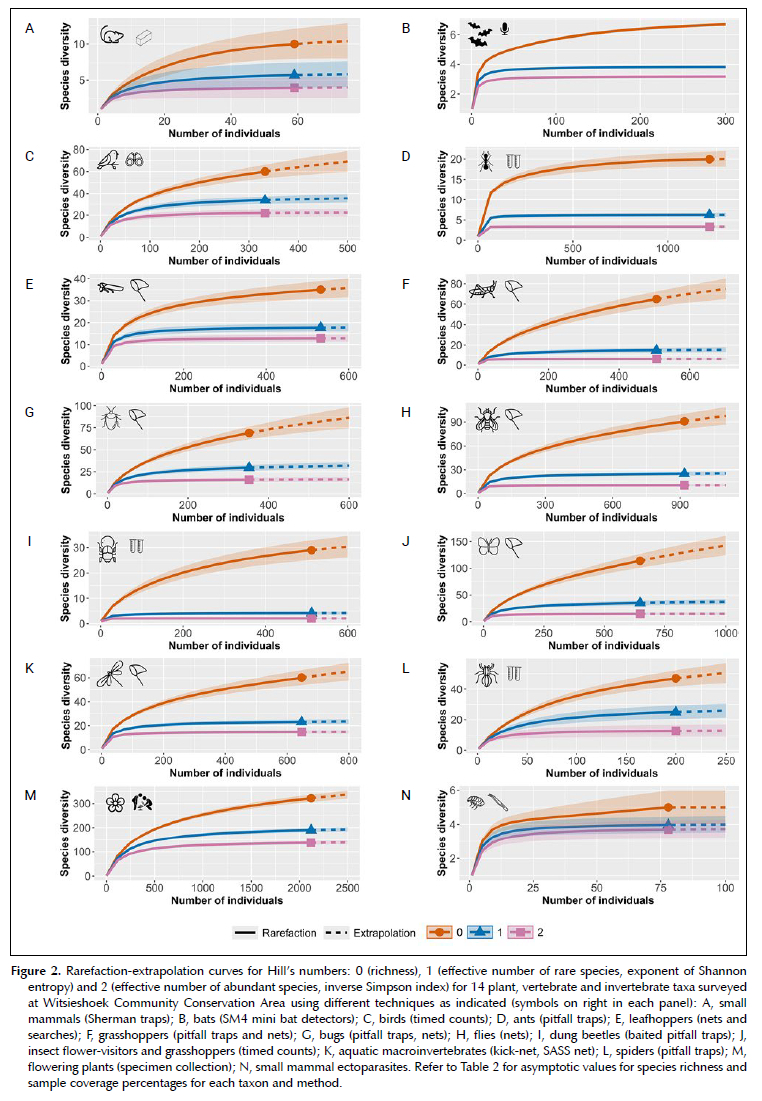
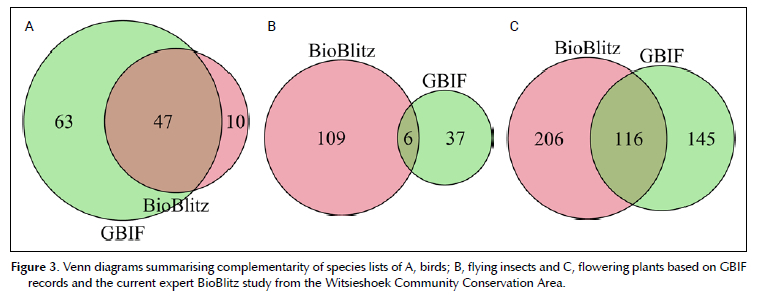
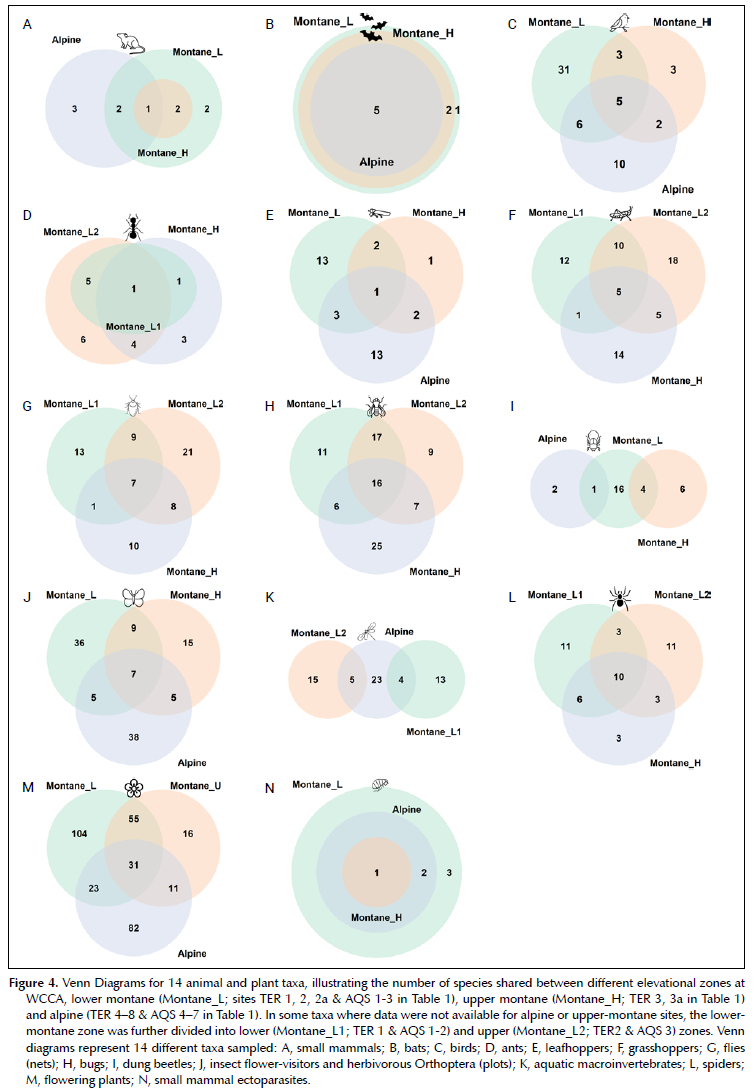
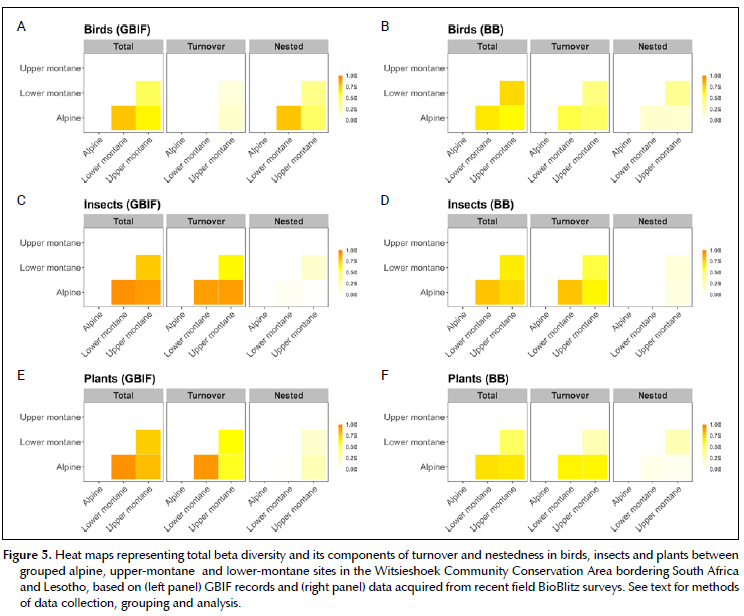
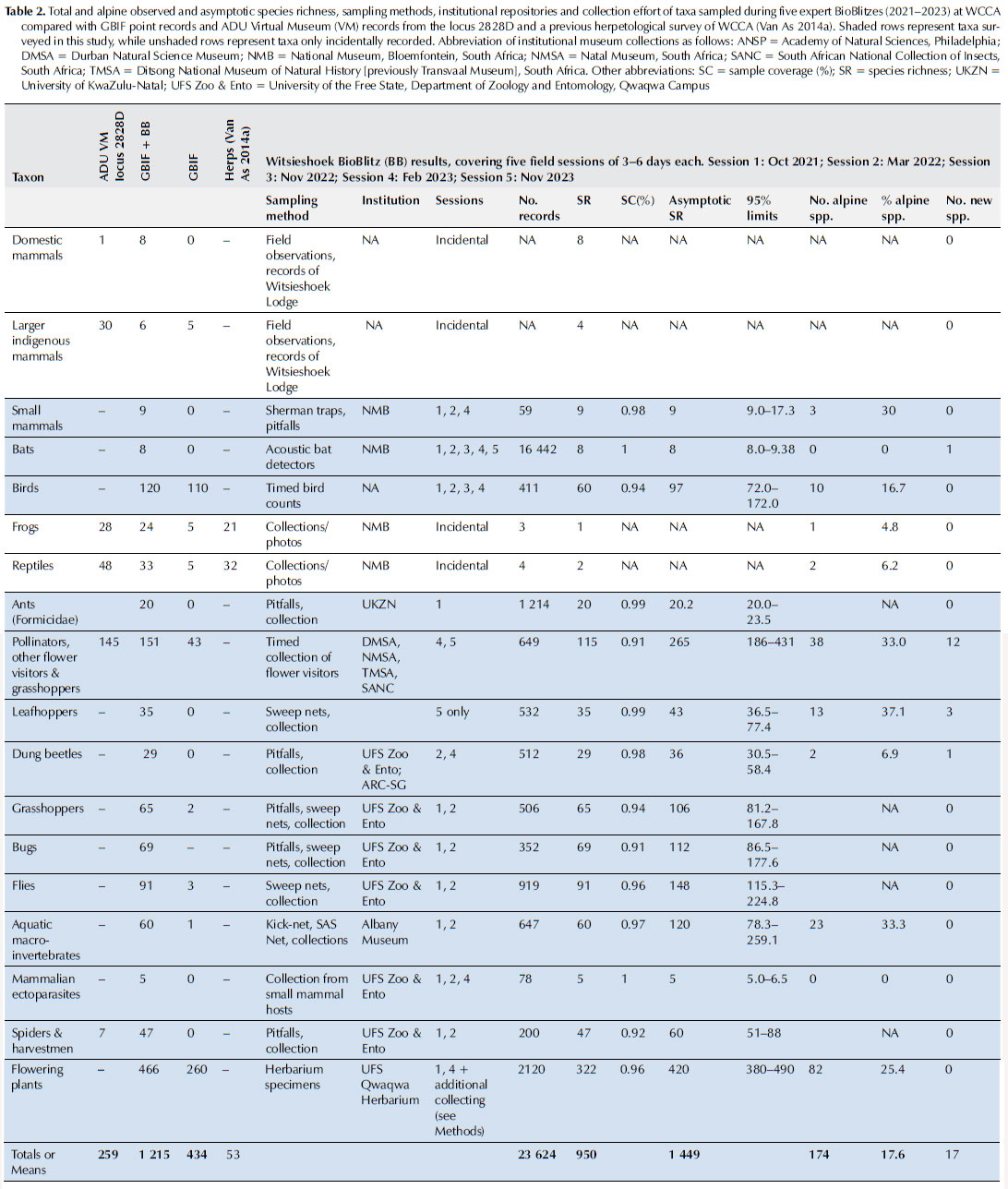
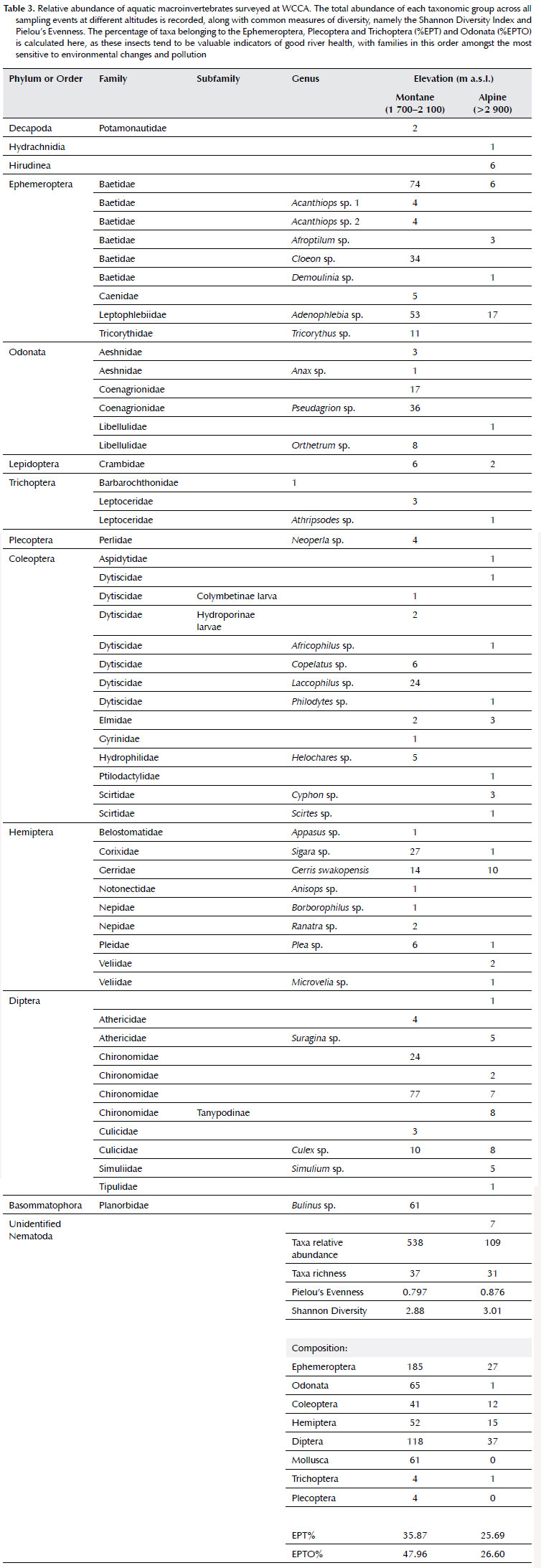
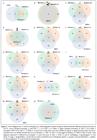
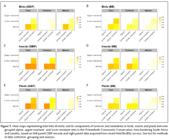
BACKGROUND: As global temperatures rise, alpine species at the upper limit of their distribution are at risk of decline and extinction due to shrinking habitats downslope. The alpine (> 2 800 m a.s.l.) biodiversity of the Maloti-Drakensberg is poorly known but may be threatened by climate change OBJECTIVES: Using expert BioBlitzes, we documented species richness and ele-vational patterns of distribution in 14 plant and animal higher taxa from alpine and upper-montane zones in an unexplored corner of the Maloti-Drakensberg METHODS: Using standardised methods such as Sherman traps, acoustic monitoring, bird timed counts, pitfall traps, sweep nets, aquatic SASS5 kick-nets, timed searches and herbarium collections, we assessed elevational zonation of flowering plant and selected invertebrate and vertebrate diversity in the Witsieshoek Community Conservation Area (WCCA RESULTS: GBIF records complemented expert BioBlitz data, together enumerating 1 216 plant, vertebrate and invertebrate species along an elevation gradient from 1 760 m to 3 145 m at WCCA. Birds, insects and plants showed concordant beta diversity patterns from BioBlitz and GBIF data: high turnover compared to nest-edness in more sedentary insects and plants, and the opposite in more mobile birds (GBIF data not available for bats). Although identifications are ongoing, 17% of species or morphospecies were exclusively recorded in the alpine zone, including 82 species of plants and 92 of animals CONCLUSION: Alpine endemics are vulnerable to the 'escalator to extinction' process due to climate change. Surveys of under-explored alpine hotspots should be prioritised, drawing on mountain tourism-based citizen science. We advocate an ecotourism- and community-centred, restoration and rewilding approach for this strategic and biodiverse community conservation area
Drakensberg Mountains; climate change; ecology; escalator to extinction; GBIF
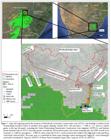 Thumbnail
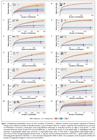 Thumbnail
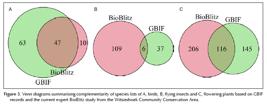 Thumbnail
 Thumbnail
 Thumbnail
 Thumbnail