"I will open my mouth in a parable": "History" and "metaphor" in the Psalms
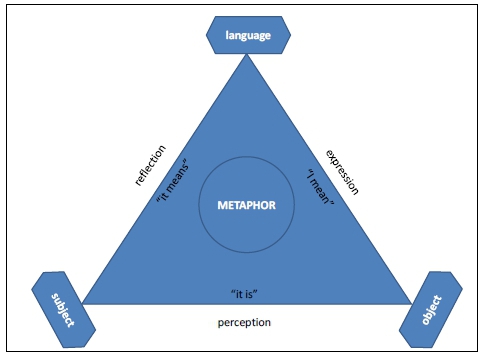
Metaphorical expression is profoundly transformative, both cognitively and theologically. However, not all metaphors are created equal, nor simplistically metaphorical in the strictest sense. Wheelwright (1962) identified two distinctive semantic movements in metaphor: epiphor and diaphor. Epiphor is the transference of a name to some other object, while diaphor works differently, creating meaning by juxtaposing the particulars of an old experience with new experiences, in order to transform despair to hope, lament to praise, complaint to trust. This article explores the semantic depth of the two ways in which metaphor functions, by investigating several historical references in the psalms with a view to understanding when history is history, when history is plainly metaphorical, and when history is best understood diaphorically.
Metaphor; Epiphor; Diaphor; Psalms; Metafoor; Epifoor; Diafoor; Psalms
 Thumbnail