Eternal bonds: Families as divine stewardship beyond the world
Abstract
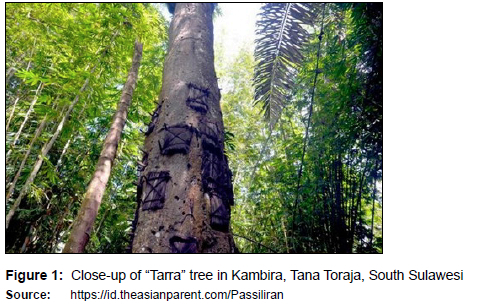
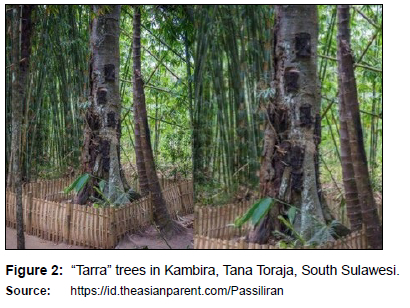
The parent-child relationship is characterised by an enduring bond that transcends conventional familial dynamics, reflecting a deep sense of intimacy and permanence. While the dissolution of spousal relationships is societally normalised, the notion of "ex-parent" or "ex-child" remains anomalous, highlighting the unique nature of this connection. However, the rise in familial violence in Indonesia, often influenced by socio-economic disparities, exposes a critical breakdown in this sacred relationship. This article examines the theological construction of the parent-child relationship by way of the stewardship framework, drawing on the Christian tradition. Anchored in the Torajan cultural practice of Passiliran - a funerary ritual that symbolises the burial of infants in trees as an act of eternal care - the article reinterprets the theological significance of stewardship as extending beyond familial roles to encompass a reciprocal and interconnected relationship with God and creation. Engaging Michael W. Austin's conceptualisation of stewardship, this article offers a reimagined theological perspective on familial relationships as synergistic, sustainable, and reflective of divine interrelatedness, providing a pathway toward restoring harmony within family systems.
Divine stewardship; Parent-child relationship; Passiliran ritual; Cultural theology; Christian ethics
 Thumbnail
 Thumbnail