Landscape values and place dependence within the urban parkettes of Kigali city, Rwanda
Abstract
Cities often lack accessible green spaces, limiting opportunities for residents to connect with their surroundings. Urban parkettes - mini or pocket parks -provide small but vital spaces that deliver recreational, aesthetic, biodiversity, and environmental benefits, while supporting place dependence among users. Yet, few studies in the African context examine how landscape values shape place dependence within these spaces. This exploratory study investigates parkettes in the Central Business District of Kigali City. It analyses user perceptions of landscape values, examines relationships between these values and place dependence, identifies the most influential values, and reviews key constructs of place dependence alongside spatial attributes of the parkettes. A mixed-methods approach was used, combining surveys of 185 on-site respondents, 13 interviews, and field investigations through photography and mapping. Findings reveal varying landscape spatial attributes with sizes ranging from 382 m2 to 6,034 m2, with total parkette green network of 11,124 m2. Regression analysis identified air quality, recreational, and therapeutic values as significant predictors of place dependence, while economic value was least important. Correlation analysis revealed moderate positive associations between landscape values and place dependence. The study recommends enhancing place quality through parkette naming, signage, shade trees, bollards, and small shops to improve user satisfaction and place dependence outcomes. A conceptual framework linking principles, place quality, place expectations, and outcomes is proposed to guide future research. Findings offer actionable insights for policymakers and urban planners to create people-centred urban green spaces that strengthen attachment and encourage regular use.
Abstract
Stede het dikwels 'n tekort aan toeganklike groen ruimtes, wat die geleentheid vir inwoners om met hul omgewing te skakel, beperk. Stedelike parkette - mini- of sakparke - bied klein maar belangrike ruimtes wat ontspannings-, estetiese, biodiversiteits- en omgewingsvoordele lewer, terwyl dit plekafhanklikheid onder gebruikers ondersteun. Tog is daar min studies binne die Afrika-konteks wat ondersoek hoe landskapwaardes plekafhanklikheid binne hierdie ruimtes vorm. Hierdie verkennende studie ondersoek parkette in die Sakesentrum van Kigali Stad. Dit ontleed gebruikerspersepsies van landskapwaardes, ondersoek die verhoudings tussen hierdie waardes en plekafhanklikheid, identifiseer die invloedrykste waardes, en evalueer sleutelkonsepte van plekafhanklikheid saam met die ruimtelike eienskappe van die parkette. 'n Gemengde-metodebenadering is gebruik, wat opnames van 185 respondente op die terrein, 13 onderhoude en veldondersoeke deur fotografie en kartering insluit. Bevindings toon verskillende ruimtelike eienskappe met groottes wat wissel van 382m2 tot 6,034m2, en 'n totale groen netwerk van 11,124m2. Regressie-analise het luggehalte-, ontspannings- en terapeutiese waardes as beduidende voorspellers van plekafhanklikheid geïdentifiseer, terwyl ekonomiese waarde die minste belangrik was. Korrelasie-analise het sterk positiewe assosiasies tussen landskapwaardes en plekafhanklikheid getoon. Die studie beveel aan dat plekgehalte verbeter word deur parketname, naamborde, skadubome, paaltjies en klein winkels om gebruikersbevrediging en plekafhanklikheid te versterk. 'n Konseptuele raamwerk wat beginsels, plekgehalte, verwagtinge en uitkomste verbind, word voorgestel om toekomstige navorsing te rig. Die bevindings bied praktiese insigte vir beleidmakers en stedelike beplanners om mensgesentreerde stedelike groen ruimtes te skep wat plekgehegtheid versterk en gereelde gebruik aanmoedig.
1. INTRODUCTION
Pocket parks - often referred to as mini-parks or parkettes - are small green spaces that are distinguished by their compact size, accessibility, flexible designs, and low maintenance requirements (Zhang & Han, 2021; Egerer et al., 2024). These spaces have gained attention for their environmental and social benefits and are increasingly recognised as a significant feature of urban planning and design (Duan, Niu & Wang, 2024; Egerer et al., 2024; Cilliers, 2023; Sangwan et al., 2022). Egerer et al. (2024) argue that urban green spaces, even those smaller than one hectare, provide a range of environmental and social advantages. Sanga and Mbisso (2020) highlight that urban open spaces offer both active and passive recreational opportunities, contributing to physical and mental well-being. However, in many African cities, including Kigali, urban green spaces face acute pressures from rapid urbanisation, high population density, and limited municipal resources (Mensah, 2014; Zhang & Han, 2021). The United Nations (2015) Sustainable Development Goal (SDG) 11 aims to create cities that are inclusive, safe, resilient, and sustainable, with Target 11.7 specifically calling for universal access to safe, inclusive, and accessible green and public spaces, particularly for women, children, older persons, and people with disabilities. This study situates Kigali's parkettes within these broader urban planning challenges, where limited space, competing land uses, and governance constraints make small urban green spaces particularly critical for residents' well-being.
This study addresses the challenges faced by urban green spaces, particularly parkettes, which are part of a broad typology that includes parks, small parks, and gardens. Rapid urbanisation poses a significant threat to the survival of parkettes, as these green spaces are frequently replaced by other land uses such as housing, thereby reducing public access (Zhang & Han, 2021; Mensah, 2014). Other challenges include informal activities, landownership disputes, insufficient attention from relevant authorities, uncooperative public behaviour, and poor maintenance (Sanga & Mbisso, 2020; Mensah, 2014). Zong et al. (2025) emphasise that densely populated cities face a shortage of space for urban parks, which leads to a decline in public participation in park activities. Egerer et al. (2024) also note the importance of stakeholder engagement and participatory processes in governance, highlighting the need for community involvement in the planning and management of these spaces. Further, Lee, Jordan and Horley (2015) raise questions about the amount of green space required to satisfy users' needs, the types of features that encourage use, and the extent of enhancements necessary to achieve maximum benefits. Lee et al. (2015) also note the challenge of encouraging the use of urban green spaces, underscoring the need for a case study on Kigali's parkettes.
Kigali, Rwanda's capital city, has a limited number of public open spaces within its central business district (CBD). The car-free zone is the largest and most central. In contrast, the Nyandugu Urban Wetland Park, a rehabilitated wetland located outside the CBD, may face limitations in terms of accessibility for residents, who are more likely to frequent parks within the city core. The role of rehabilitated urban wetlands in expanding green networks for public use in Kigali City is supported by studies such as Tafahomi and Nadi (2021) and REMA (2012). This study argues that, due to limited space, road islands and roundabouts play a crucial role in providing small but essential green spaces that contribute to the public realm. Sangwan et al. (2022) describe parkettes as "vegetation pockets" that are often associated with roads and random green spaces, highlighting their importance in urban environments. Rapid urbanisation and population growth in Kigali City increase the demand for accessible public spaces, highlighting a gap in understanding how pocket parks are used and valued (Gubic & Baloi, 2020). The gap in existing literature lies in the lack of studies addressing the use of parkettes in terms of their landscape values and the associated place dependence (PD), which can inform better policy and practice in landscape planning and design for Kigali City.
While global research has examined the benefits of pocket parks, few studies in Africa have investigated PD - the functional reliance of users on these spaces - and its relationship with landscape values (Zhang & Han, 2021). This study aims to fill this research gap by addressing four specific objectives, namely analysing user perceptions of landscape values; examining the relationship between landscape values and PD; identifying the landscape values most predictive of PD, and reviewing the main constructs of PD in the context of Kigali City's parkettes. By investigating PD in Kigali City's parkettes, this research contributes to urban planning and landscape design in African cities, offering insights into functional reliance, attachment, and sustainable management of small urban green spaces.
2.1 Place dependence and place identity
Place dependence (PD) refers to individuals' functional reliance on a location to satisfy specific goals and needs, based on the resources, facilities, and conditions the place provides (Jayakody, Adams & Lester, 2024; Wu et al., 2023). PD is considered a key dimension of place attachment (PA) and is closely related to sense of place (SOP) (Li et al., 2023; Adewale et al., 2020; Liu et al., 2020; Alrobaee & Al-Kinani, 2019). While PD has been widely studied globally, research within the African context, particularly in relation to small urban parks, remains limited.
Place identity (PI) represents the emotional, social, and cognitive meanings individuals associate with a location (Proshansky et al., 1983). PI reflects a sense of belonging and self-identification, shaped by experiences, memories, and cultural associations. PD and PI are distinct yet interrelated: PD emphasises functional reliance on a place to meet practical needs, whereas PI captures the emotional and identity-based connections that individuals develop over time (Brown & Raymond, 2007; Williams & Vaske, 2003). Both dimensions provide complementary insights into how people interact with urban landscapes.
Foundational studies such as Brown and Raymond (2007) highlight how landscape values inform both PD and PI, providing a framework for understanding how users interact with urban green spaces. Williams and Vaske (2003) further show that functional attachment arises not only from the availability of amenities, but also from the perceived lack of substitutes, reinforcing the importance of PD in shaping behaviour and attachment.
Empirical studies show these relationships in diverse contexts. Chen, Sun & Seo (2022) found that public open spaces enhance social cohesion and PD, while Wu et al. (2023) highlight attachment to wetlands as linked to pro-environmental behaviours. Jayakody et al. (2024) mapped landscape values to illustrate how PD and PI mediate relationships between individuals and landscapes. Brown, Reed and Raymond (2020) examine the influence of physical landscape features on place values, and White et al. (2008) emphasise how historical and experiential perceptions shape PD and PI in recreational natural areas.
2.2 Principles and determinants of place dependence
PD emerges from the capacity of a place to meet user needs through its environmental and functional qualities (Jayakody et al., 2024; Wu et al., 2023). Physical characteristics, amenities, and activity-supporting features are critical determinants, as they allow individuals to rely on a location for specific purposes (Williams & Vaske, 2003; Ujang, 2017; Alrobaee & Al-Kinani, 2019). Williams and Vaske (2003) and Qian et al. (2011) demonstrate that PD strongly contributes to PI and overall PA, particularly when alternative locations fail to satisfy the same functional requirements. Similarly, Brown and Raymond (2007) identify critical landscape values that influence both PD and PI, providing a foundational framework for studying how people interact with landscapes.
Physical characteristics and user expectations are key determinants of PD. Ujang (2017) and Alrobaee & Al-Kinani (2019) argue that the alignment of a place's features with user goals supports functional reliance. Aguspriyanti (2022) notes that repeated interactions between users and the environment reinforce attachment, encouraging people to revisit locations that meet their needs. PD is thus shaped by both the quality of amenities and the capacity of the place to support meaningful activities and experiences.
2.3 Place quality and user expectations
Functional attachment is closely linked to the physical and social qualities of a place (Williams & Vaske, 2003; Ujang, 2017). Lee and Blackford (2020) emphasise that urban design integrating PD and PI strengthens residents' sense of ownership and promotes active place-making. Chen, Sun and Seo (2022) highlight that public open spaces featuring greenery, diverse amenities, safety, accessibility, and scenic appeal enhance PD, by supporting social interactions and rich landscape experiences. Zong et al. (2025) further demonstrate that participatory events and improved park facilities increase user satisfaction, visitation frequency, and attachment.
The influence of place quality extends to emotional and cognitive responses. Alrobaee and Al-Kinani (2019) conclude that physical characteristics strengthen attachment when places meet individuals' aspirations, enhancing continuity and vitality. However, changes to either the physical or social environment can reduce PD and PI. Studies by Bott (2018), Hmoud & Almodhafar (2022), and K'oyoo (2023) show that modifications to familiar environments may weaken attachment, highlighting the importance of maintaining the distinctiveness and identity of urban green spaces (K'oyoo & Breed, 2024). This article, therefore, argues that effective place-making should intentionally incorporate the meanings and memories that underpin attachment and sense of place.
2.4 Place dependence in urban parkettes
Pocket parks, despite their limited size, contribute significantly to urban well-being and social cohesion (Zhang & Han, 2021). Chen et al. (2022) emphasise that these spaces are more than physical amenities - they support community interaction and strengthen PD. Li et al. (2023) also note the restorative benefits of interaction with green spaces, although these remain underexplored in the context of small urban parks.
PD in parkettes produces multiple outcomes, including stronger emotional attachment, engagement with landscape values, and opportunities for social interaction. Zong et al. (2025) found that community activities such as gatherings, fairs, and social events enhance resident interaction and deepen attachment to urban parks. Williams and Vaske (2003) similarly observe that functional attachment is stronger when parks are accessible for frequent use. Recent studies such as Chung (2025) and Liu et al. (2021) link PD and PI to psychological ownership, increasing residents' loyalty to green spaces. Noel and Dardenne (2024) as well as Xie and Wang (2024) further demonstrate that psychological ownership encourages pro-environmental behaviour and strengthens place attachment.
The foundational studies of Brown and Raymond (2007) as well as Williams and Vaske (2003) remain central to understanding PD and PI. Brown and Raymond (2007) combine psychometric and map-based measures to assess landscape values, PD and PI, demonstrating how people's interactions with the physical environment inform attachment. Williams and Vaske (2003) highlight the measurement of PD and PI in natural landscapes, showing that both dimensions can be reliably quantified with as few as four questionnaire items. These studies provide the theoretical and methodological basis for examining PD within Kigali City"s parkettes.
Despite growing research on urban green spaces, few studies in Africa or the Global South examine PD in small urban parks. The vast majority of existing studies focus on amenities and benefits rather than user evaluations of functional reliance (Zhang & Han, 2021; Mensah, 2014). This study addresses this study gap, by examining PD in Kigali City's parkettes and exploring how landscape attributes and perceived values shape functional reliance and user dependence. The study addresses the following research questions:
1. What are the landscape spatial attributes of the six parkettes?
2. What are the key functions and values of the parkettes?
3. Which factors most strongly influence PD within the parkettes?
4. How do respondent characteristics relate to PD?
5. How does PD relate to perceived landscape values and functions of the parkettes?
By investigating PD in Kigali City's parkettes, this research contributes to knowledge on urban landscape design, planning, and place-making in African cities.
6. STUDY AREA
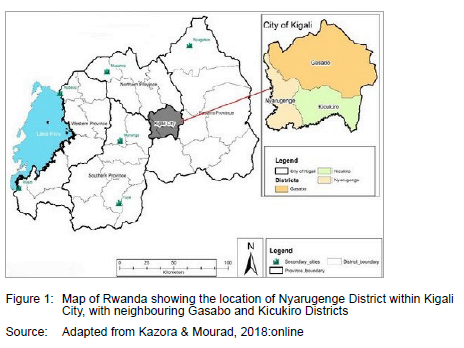
The City of Kigali, Rwanda, comprises three districts, namely Gasabo, Nyarugenge, and Kicukiro. Gasabo is the largest and located in the northern part, with Nyarugenge on the south-west, and Kicukiro on the south-east. PD investigations were based in the parkettes within the CBD of Kigali City in the Nyarugenge District (see Figure 1). Kigali City has distinct natural features that consist of hilly land form, valleys, gardens, and wetlands (Tafahomi & Nadi, 2021).
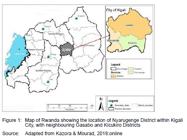
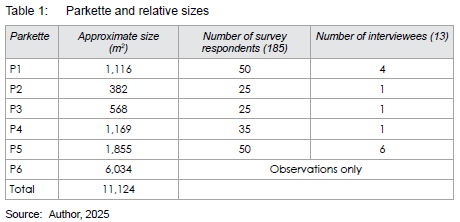
The six parkettes were investigated for various landscape spatial attributes with the approximate area from ArcGIS noted and the number of survey respondents and interviewees as shown in Table 1.
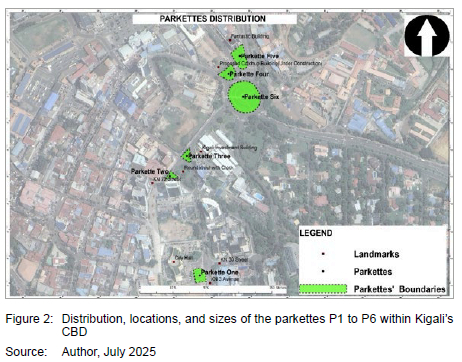
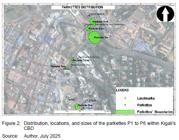
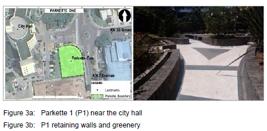
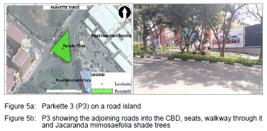
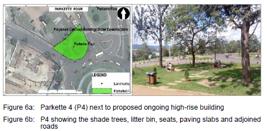
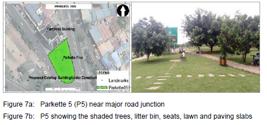
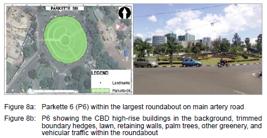
Mapping the six parkettes in ArcGIS, according to Figure 2, is important in revealing their relative sizes (see Table 1). The map clearly indicates that the largest parkettes are P6 and P5, with the small ones being P2 and P3. Figure 2 clearly shows the proximity of the six parks, with P4, P5, and P6 being very close to one another within the junctions of major arteries into the CBD. P4 and P5 are separated by a road and thus form a network that is easy to access for users' convenience. P1 is evidently created within part of the city hall building in order to create a public space. Table 1 shows that the six parkettes account for a total of 11,124 m2 of urban green space for public use.
4. METHODOLOGY
4.1 Research design
This study employed a mixed-methods approach, integrating quantitative and qualitative techniques to provide a comprehensive assessment of user perceptions and PD across six urban parkettes in Kigali's central business district (CBD). Mixed-methods designs have been widely applied in related research contexts (Onwuegbuzie et al., 2023) to triangulate the research findings. Data collection involved three main components, namely an on-site survey using structured questionnaires, semi-structured interviews with parkette users, and systematic field investigations. Quantitative methods have been used extensively to examine PD (Ujang, 2017; Liu et al., 2020; Adewale et al., 2020; Li et al., 2023). Recent questionnaire-based studies include Huo et al. (2025), who explored recreation specialisation and leisure satisfaction, and Chen et al. (2022), who investigated public open spaces in relation to social cohesion and PD. In this study, the quantitative survey component captured respondents' choice/considerations of the parkettes' values in terms of the functions, while the qualitative interviews provided deeper insights into residents' emotional and functional attachments to these spaces. Field investigations recorded the range of activities and documented key landscape spatial attributes for each parkette. Descriptive statistics were used to summarise perceptions of the parkettes' values and functions, while inferential statistics tested differences in PD in relation to users' demographic and behavioural characteristics across the six locations. The results of these analyses were used to suggest a conceptual framework for analysing landscape dependency within public open spaces.
4.2 Sampling
4.2.1 Sampling of parkettes
The six parkettes were purposively selected based on the following criteria: Location within the CBD; small physical size; presence of amenities that attract public use (e.g., seating) and observable usage by the public at varying times (Palinkas et al., 2015). Interviews were conducted in five parkettes (P1-P5). Parkette P6 was excluded from the interview phase, due to low daytime user activity, which was limited to evenings.
4.2.2 Sampling of respondents
The convenience sampling method involves the selection of the most accessible subjects and is less costly to the researcher (Marshall, 1996). This sampling method was employed to sample the 185 survey respondents within the parkettes and 13 interview respondents.
The questionnaire respondents and interviewees were selected based on the following inclusion criteria: on-site presence during data collection, willingness to participate, age 18 years or older, and the ability to communicate in English. Verbal consent was obtained from all the participants, who were briefed about the study's purpose and assured of anonymity. A total of 185 respondents completed questionnaires, providing a statistically significant sample.
Guest, Bunce and Johnson (2006) as well as Loeffler (2004) found that thematic saturation often occurs by the twelfth interview, with core themes emerging by the sixth, which supports the adequacy of the sample size.
4.3 Data collection
The primary data collection was done in April and May 2025 after the author conceived the research idea and had visited the parkettes several times in the earlier months from 2024. The field visits for reconnaissance and subsequent data collection were conducted prior to the interviews and questionnaire responses, ensuring that the researcher had a comprehensive understanding of the parkettes before embarking on the research. The author collected all the data from the various methods.
4.3.1 Field visits
Observation, note-taking, mapping, and photography were used to document the spatial characteristics, on-site activities, and environmental features for the parkettes. GPS coordinates were collected and used in GIS to map the parkettes and analyse their distribution and proximity along key CBD road arteries. Observations were conducted daily between 10:00 AM and 5:00 PM, with each parkette visited for approximately one hour. Notes on landscape features and public use patterns were recorded. Each parkette was photographed from at least three fixed vantage points per observation to capture key physical features, usage patterns, and temporary changes, creating a systematic visual record that complemented observational notes and supported later verification (Rose, 2016).
4.3.2 On-site interviews
Thirteen face-to-face interviews were conducted with purposively selected users across the five accessible parkettes. Interviews followed a semi-structured guide, allowing for in-depth exploration of themes on the landscape values and PD of the parkettes. The participants were asked their reasons for visiting the small parks, how often, the main purpose/ reasons for visitation to draw dependence, while allowing them to discuss freely, without restrictions, the main questions posed to them. Participants were encouraged to elaborate on responses, and probing questions were used as needed. Interviews lasted approximately 15-30 minutes, were audio-recorded with consent, and notes were also taken. Direct quotations from participants are included in the findings to illustrate key points.
4.3.3 On-site survey
The questionnaire was developed in three sections. Section one collected data on the demographics of the participants about age, gender, and nationality. Private data such as education level and residential neighbourhood were intentionally excluded. Sections two and three used Likert-scale items. Respondents were requested to rate their perceptions on a 5-point scale (1 = strongly disagree/low value to 5 = strongly agree/ high value).
Section two investigated landscape/place values using eight Likert-scale items adapted from Brown and Raymond (2007). The values assessed were economic value (commercial and income-generating uses), aesthetic/ scenic value (sensory and visual appeal), recreation value (opportunities for relaxation and play), biological diversity value (plant and animal variety), learning value (educational potential), therapeutic value (physical and mental well-being), and air quality value (environmental and health impact).
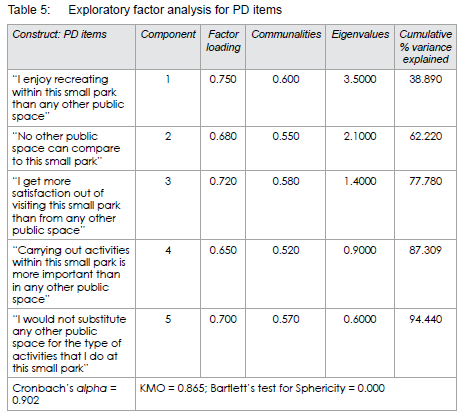
Section three measured PD, using five Likert-scale statements based on Williams and Vaske (2003) and subsequent studies (Butu et al., 2018; Chen et al., 2022; Huo et al., 2025). PD captured functional attachment to the parkette and the perceived irreplaceability of the space for specific activities. Rather than listing all items in the text, the scale reliability and contribution of each statement are summarised in Table 5.
4.4 Data analysis
4.4.1 Field visit
GIS mapping was undertaken using GPS coordinates collected during site visits to visualise parkette locations and analyse their spatial distribution and proximity along major CBD road arteries. This spatial data was processed
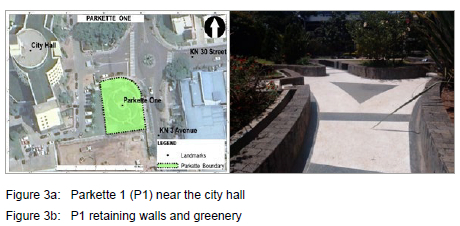
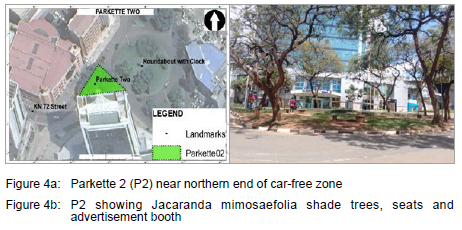
in ArcGIS Pro 3.2, enabling the identification of locational relationships between parkettes and surrounding urban features. Photographs taken during field visits were systematically analysed to identify recurring patterns and relationships. Each image was coded into thematic categories -amenities and infrastructure, vegetation and environmental quality, user activities, and temporary or seasonal changes - and cross-referenced with field notes and GIS data. This process allowed for validation of observed behaviours, detection of spatial usage patterns, and assessment of how physical features may shape PD (see Figures 3 to 8). Observational notes were analysed qualitatively to contextualise survey findings, particularly in interpreting how physical attributes and spatial layouts might influence user experiences and attachment to urban green spaces (see Table 1). The integration of GIS mapping with observational data is consistent with urban open space studies (Sanga & Mbisso, 2020; Duan et al., 2024).
4.4.2 Interview responses
All interviews were transcribed verbatim, and thematic analysis was applied to systematically identify patterns of meaning across the dataset (Christou, 2022). Thematic analysis was chosen for its flexibility in exploring lived experiences and its extensive application in environmental perception studies (Braun & Clarke, 2021). No specialised qualitative software was employed; coding was conducted manually. Three overarching themes emerged, aligned with the study's research focus: perceived values of the parkettes; functional and emotional dimensions of PD, and perceived constraints and opportunities for parkette use. These themes were further organised into seven subcategories, enabling nuanced interpretation of user experiences in relation to physical settings and PD.
4.4.3 Survey responses
Survey data were entered and analysed in IBM SPSS Statistics Version 25. Descriptive statistics was used to summarise respondent demographics, park-usage patterns, and ratings of parkette values and functions. Cross-tabulations examined demographic characteristics by parkette location, while importance ranking of landscape/place values identified the most salient attributes for users. Principal axis factoring with varimax rotation was also conducted to assess construct validity for PD items, in line with earlier methodological applications (Brown & Raymond, 2007; Williams & Vaske, 2003). This analysis tested whether the five items formed a coherent construct and allowed assessment of their dimensionality. Cronbach's alpha values, Kaiser-Meyer-Olkin (KMO), and Bartlett's test were used for PD construct internal consistency. Inferential statistical tests were conducted to assess relationships between PD (dependent variable) and both demographic/behavioural variables and landscape value scores (independent variables). These included Chi-square tests for associations between categorical variables, Pearson and Spearman correlations to measure the strength of relationships, and multiple regression analysis to determine which values best predicted PD scores, following the approach of Brown and Raymond (2007) and that of Williams and Vaske (2003). The predictive strength of each variable was assessed through the magnitude of standardised beta coefficients, consistent with methods in more recent PD research (Dasgupta et al., 2022; Xie & Wang, 2024). Bivariate correlations were used to further explore the strength and direction of relationships between PD and specific value dimensions, consistent with both pioneer and contemporary studies (Brown & Raymond, 2007; Williams & Vaske, 2003; Chen et al., 2022).
5. RESULTS
5.1 General overview of the parkettes
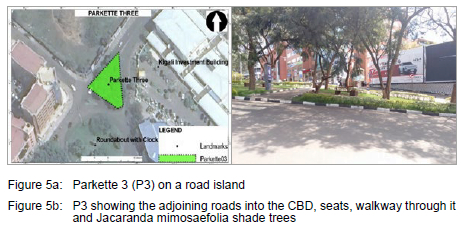
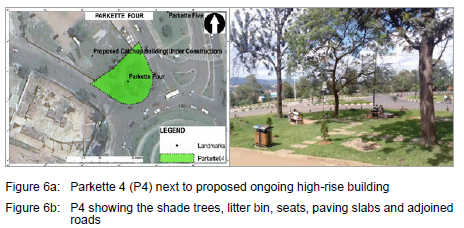
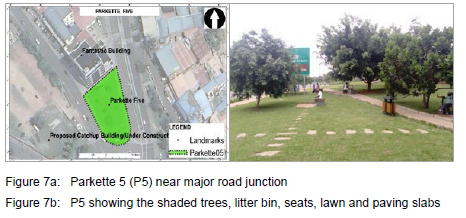
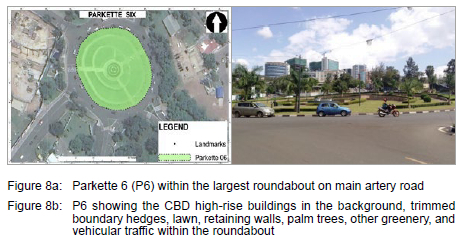
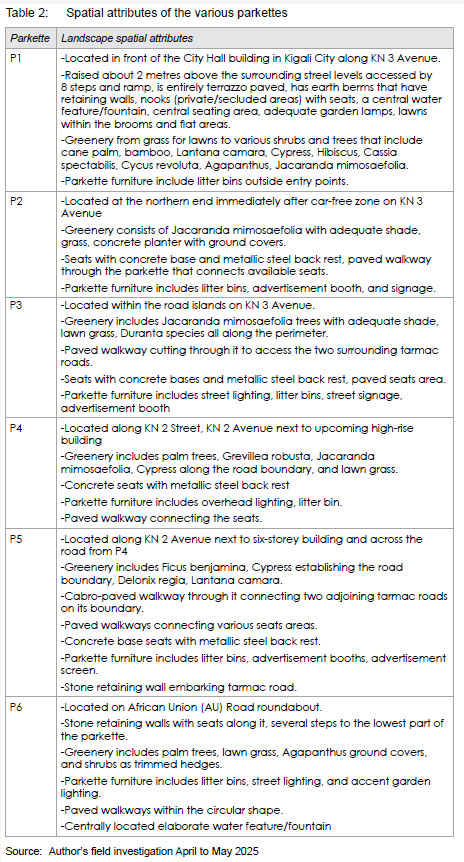
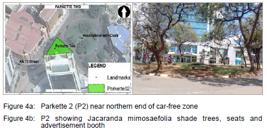
Field investigation was conducted to assess parkette activities and landscape spatial attributes, revealing generally well-maintained spaces with good cleanliness and safety, as summarised in Table 2. Figures 3 to 8 show the GIS and visual presentation of the various parkettes.
The locations of the small parks as shown in Figures 2 to 8 is evidence of the prime locations within the CBD where they are sited. The maps show that they are within major high-rise buildings that are offices and business spaces. The locations show high vehicle and human traffic towards the core of the city that inform the importance as the urban open and green spaces that are available to the city dwellers and visitors alike. The close proximity between the six parkettes shows that they are an important network of public open spaces within the major access roads into the CBD, thus making their presence and use highly relevant.
5.2 Respondents' demographics and parkette visitation
5.2.1 Survey respondents
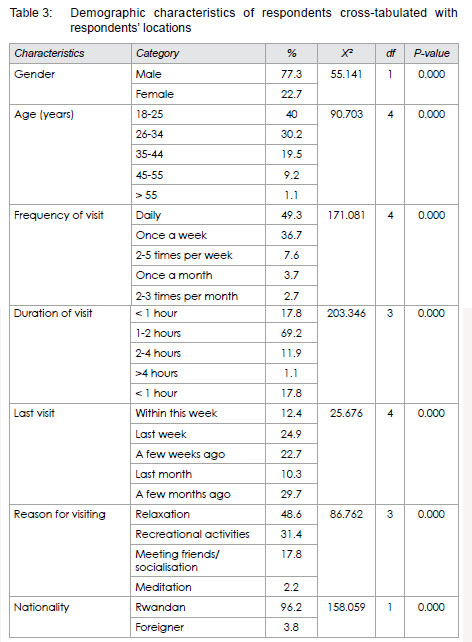
To understand respondents' perceptions of small park values and place dependence, their demographic profiles and visitation patterns were analysed. Table 3 presents data from 185 respondents, including Chi-square (χ2) statistics, degrees of freedom (df), and associated p-values, all indicating that the distribution of these characteristics are significantly different across the various locations/parkettes from which respondents were drawn.
The sample is predominantly male, with 77.3% male respondents and 22.7% female. The highly significant result (χ2 = 55.141, df = 1, p < 0.001) indicates a strong association between gender distribution and the parkettes. This suggests notable differences in gender composition across locations in Kigali CBD (e.g., certain parkettes might attract more male or female visitors), possibly influenced by variations in perceived safety, accessibility, or available activities that appeal differently to males and females.
The vast majority of the respondents are young adults: 40% are aged 18-25 years, and 30.2% are aged 26-34 years. Older age groups make up smaller shares (35-44 years: 19.5%; 45-55 years: 9.2%; over 55 years: 1.1%). The significant association between age and location (χ2 = 90.703, df = 4, p < 0.001) suggests that younger individuals frequent certain parkettes more than others, or that location-based sampling captured this demographic skew. This indicates that the study's insights into parkette values and PD are largely shaped by the perspectives of younger users, which may influence planning, design and policy recommendations to better serve this age group. The author believes that the time of the day can influence the sample composition.
In terms of visitation frequency, 49.3% of the respondents visit small parks daily and 36.7% of them weekly. Less frequent visits (2-5 times/ week: 7.6%; once/month: 3.7%; 2-3 times/month: 2.7%) are minimal. The strong association (χ2 = 171.081, df = 4, p < 0.001) between visit frequency and location implies that park usage patterns vary depending on where respondents are situated, likely due to differences in proximity, accessibility, or park features. The high proportion of frequent visits highlights the essential role of small parks in users' daily and weekly routines, reflecting a high degree of PD. Locational differences in usage frequency underscore the importance of accessibility in encouraging regular park use.
Regarding duration, most respondents (69.2%) stay 1-2 hours per visit. Shorter stays (<1 hour: 17.8%) and longer visits (2-4 hours: 11.9%; >4 hours: 1.1%) are less common. The significant association (χ2 = 203.346, df = 3, p < 0.001) between visit duration and location suggests that factors like park size, available amenities, or activity types influence how long users remain. The typical 1-2 hour stay reflects sustained engagement and opportunities for meaningful interaction with the space and its features -conditions that support PD.
For recency of visit, the most common responses were "A few months ago" (29.7%), followed by "Last week" (24.9%) and "A few weeks ago" (22.7%). Visits "Within this week" (12.4%) and "Last month" (10.3%) were less frequent. The significant result (χ2 = 25.676, df = 4, p < 0.001) indicates variation in last visit timing across locations, potentially due to seasonal factors, events, or the differing appeal and accessibility of specific parkettes. While a significant proportion of respondents had visited recently, the notable percentage citing "a few months ago" suggests some seasonal or irregular usage patterns. Nevertheless, small parks maintain relevance for a broad segment of users.
When asked about their primary reason for visiting, most respondents cited "Relaxation" (48.6%), followed by "Recreational activities" (31.4%), and "Meeting friends/socializing" (17.8%). "Meditation" was the least common reason (2.2%). A strong association (χ2 = 86.762, df = 3, p < 0.001) between visit purpose and location indicates that the dominant functions of small parks vary spatially within the CBD, likely influenced by amenities or surrounding land uses. These findings emphasise the multifunctional role of small parks in providing spaces for rest, activity, and social interaction - key components of PD.
In terms of nationality, the sample is overwhelmingly Rwandan (96.2%), with only 3.8% identifying as foreigners. A significant association (χ2 = 158.059, df = 1, p < 0.001) between nationality and location suggests spatial variation in the presence of foreign users, possibly tied to areas more frequented by non-residents. As such, while the findings reflect local perspectives regarding park values and PD, generalisations to the broader or foreign resident population in Kigali CBD should be approached with caution.
5.2.2 Interview respondents
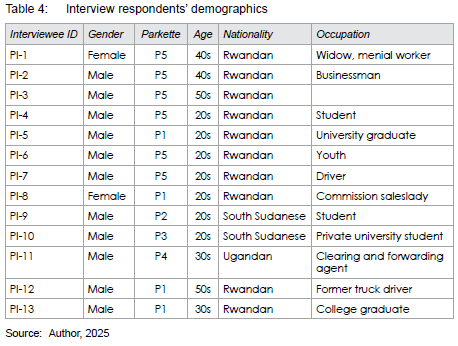
The demographic characteristics for the thirteen on-site interviewees are presented in Table 4.
5.3 Place dependence construct validation
Principal axis factoring with varimax rotation confirmed that the five PD items formed a coherent and internally consistent construct (Table 5). The Kaiser-Meyer-Olkin (KMO) measure of sampling adequacy was 0.865, and Bartlett's Test of Sphericity was statistically significant (p < 0.001), indicating suitability for factor analysis.
Three components had eigenvalues greater than 1 (3.50, 2.10, 1.40), jointly explaining 77.78% of the total variance. The first factor alone accounted for 38.89% of the variance, making it the dominant component. Factor loadings ranged from 0.65 to 0.75, with communalities between 0.52 and 0.60, indicating moderate-to-strong associations between items and underlying factors.
The Cronbach's alpha score (0.902) demonstrated excellent internal consistency, confirming that the PD items function well as a cohesive subscale. This validated PD construct was subsequently used in correlation analyses (see Sections 5.5 and 5.6) to explore links between functional attachment to parkettes and specific perceived landscape values.
5.4 Relative importance/ranking of parkette values/ functions/importance
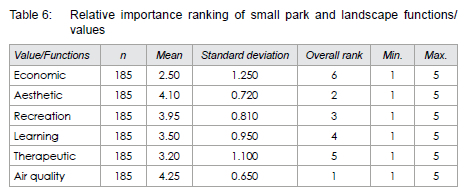
The relative importance of six small park functions was assessed, using descriptive statistics - mean, standard deviation, and range - based on Likert-scale responses from 185 participants (Table 6).
Air quality emerged as the most important function, with the highest mean (4.25) and lowest standard deviation (0.65), indicating strong agreement among respondents regarding its value. Aesthetic value ranked second (mean = 4.10, SD = 0.72), showing slightly more variation in perceived importance. Recreation was also highly valued (mean = 3.95, SD = 0.81), reflecting general consensus with minor differences in individual perception.
Learning (mean = 3.50, SD = 0.95) was considered moderately important, while therapeutic value (mean = 3.20, SD = 1.10) displayed greater diversity of opinion, suggesting that well-being and healing functions are recognised but perceived differently across the respondents. Economic value was ranked lowest (mean = 2.50, SD = 1.25), reflecting the most divergent views on its relevance to small parks.
Qualitative insights from participants reinforced these findings. PI-1, a widow who occasionally performs menial jobs, described Parkette 5 as her preferred space for rest, relaxation, and social interaction:
"The small park is a good place for solace, fresh air and relaxation. The small park is important in Kigali because it is used by many people, some people are running away from family issues to rest at the park, meet friends" (PI-1 interviewee).
Her reflections confirm the survey results, highlighting the importance of air quality and recreation as key functions of small parks, and emphasising their social and restorative roles within the city.
5.5 Relationship between place dependence and respondent's variable
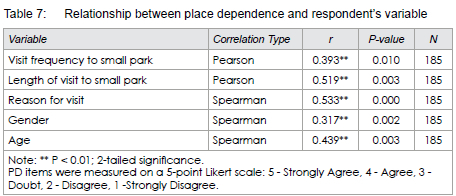
Bivariate correlation analysis was performed to examine the relationship between PD and selected respondent variables, including frequency and duration of park visits, reason for visitation, gender, and age. Table 7 presents the correlation coefficients for these associations (N = 185). Pearson correlations (r) were used for continuous variables, while Spearman rank correlations were applied to ordinal or non-normally distributed data.
All examined variables were significantly associated with PD. Specifically, a moderate, positive Pearson correlation was found between visit frequency and PD (r = 0.393, p = 0.01), indicating that more frequent park visitors tend to report higher dependence on these spaces. Similarly, a moderately strong, positive correlation was observed between length of visit and PD (r = 0.519, p = 0.003), suggesting that individuals who spend longer periods in parks per visit tend to show greater reliance on them. The role of visitation experience (first vs subsequent visits) is illustrated by PI-4, a young male student, who stated:
"I did not want to visit this small park until one day I had to wait for a friend within it. I always wondered what those within it were doing. I did not know it was such a nice place with good air quality and good for relaxation. I have since been a regular visitor to it to relax and meditate while browsing on my phone" (PI-4).
A statistically significant Spearman rank correlation was also found between reason for visit and PD (r = 0.533, p = 0.013), highlighting that motivations for visiting small parks influence the level of dependence expressed. Regarding gender, a weak to moderate, positive correlation (r = 0.317, p = 0.004) suggests some variation in PD across genders. A moderate, positive correlation between age and PD (r = 0.439, p = 0.003) indicates that older respondents may exhibit slightly higher reliance on small parks for specific functions.
5.6 Association between place dependence and parkette values/functions
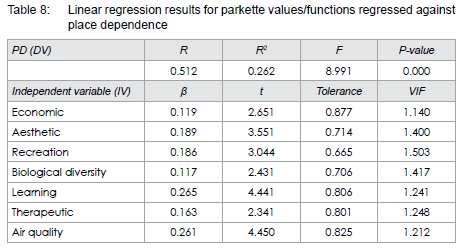
The relationship between PD and perceived values/functions of small parks was assessed, using multiple linear regression analysis. Table 8 presents the results of the model, with PD as the dependent variable (DV) and various park values/functions - economic, aesthetic, recreational, biodiversity, educational, therapeutic, and air quality benefits - as independent variables (IVs).
The model produced a multiple correlation coefficient (R) of 0.512, indicating a moderate positive relationship between the set of independent variables and PD. The coefficient of determination (R2 = 0.262) suggests that approximately 26.2% of the variance in PD is explained by the combined influence of the park value variables. Although modest, this demonstrates the model's meaningful explanatory power. The overall model is statistically significant (F = 8.991, p < 0.001), indicating that the collective contribution of the independent variables reliably predicts PD.
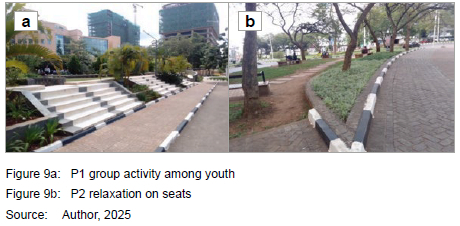
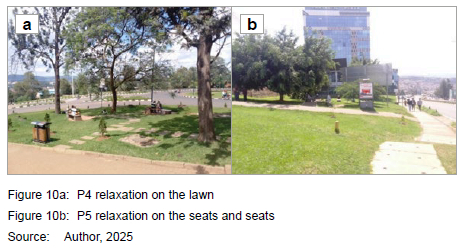
Qualitative data supports these findings. For example, participant PI-9, a foreign student, reported using P3 due to its convenient location within the road island in the CBD, appreciating the seating for resting while waiting for friends. Similarly, PI-10, a resident of Kigali City, preferred P2 for its central location, seating, and scenic views. These accounts align with the quantitative findings, highlighting the importance of accessibility, recreational amenities, and aesthetic appeal in shaping PD. On-site observations within the parks revealed several activities within the parkettes that include meditation and relaxation within the nook seats of P1, taking of individual and group photos and videos mostly within P1 and P6. Relaxation within the lawns of P4 and P5 was common amongst users of various age groups from the youth to the elderly. P2 and P3 were frequented by users who sat relaxing individually or story telling in groups of two or more within the few exiting seats. Hawking, although not openly allowed within the CBD was evident at times within P4 and P5. Figures 9a, 9b, 10a and 10b depict the various activities observed.
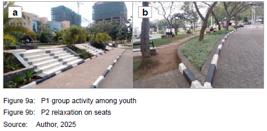
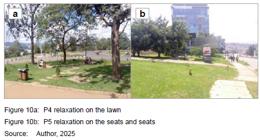
Table 7 also presents the standardised regression coefficients (β) and t-values for each independent variable predicting PD. Several small park values/functions emerged as statistically significant positive predictors.
The economic function shows a significant positive association with PD (β = 0.119, t = 2.651), suggesting that greater perceived economic value is linked to stronger PD. Similarly, the recreational function is positively associated (β = 0.186, t = 3.044), indicating that individuals who value the recreational aspects of small parks tend to rely on them more. Qualitative data supports these findings. For example, PI-5, a male university graduate at Parkette 1 near the city hall, reported using the park due to its central location, free Wi-Fi, and shaded areas that provide privacy for meditation, socialising, and relaxation during the day. These observations align with survey results, which rated air quality, recreation, and therapeutic values as particularly important.
The learning function is a strong, positive predictor (β = 0.265, t = 4.441), implying that perceived educational benefits are associated with greater park dependence. Air quality similarly demonstrates a strong positive relationship (β = 0.261, t = 4.450), highlighting the importance of cleaner air in influencing reliance on small parks. Other significant predictors include aesthetic value (β = 0.189, t = 3.551), biological diversity (β = 0.117, t = 2.431), and therapeutic function (β = 0.163, t = 2.341).
Additional participant insights illustrate the emotional and functional attachment to small parks. PI-13 noted that a quiet park provides relaxation, meditation, and opportunities to meet friends, while PI-6 described how Parkette 5 has gradually become part of his routine for relaxation and socialising. A driver (PI-7) highlighted that proximity, free access, and the availability of fresh air contribute to his daily use of P5. These accounts reinforce the role of small parks in supporting PD across multiple landscape values. This indicates that, as perceptions of these functions increase, individuals' emotional attachment to, and reliance on small parks tend to strengthen. Collinearity diagnostics indicated acceptable levels of multicollinearity among independent variables, with all Variance Inflation Factor (VIF) values below 10, suggesting the model is statistically stable and reliable.
5.7 Potential expansion of CBD parkette network
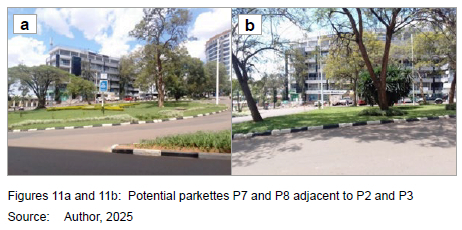
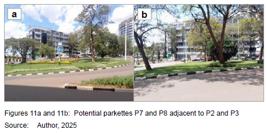
Field investigations identified two additional road islands adjacent to parkettes P2 and P3 that present viable opportunities for inclusion in Kigali's CBD green space network. These sites were excluded from the formal study, due to their lack of user amenities such as seating and the absence of observable human activity during the data-collection period.
Figures 11a and 11b illustrate the locations and physical characteristics of these potential parkettes, which have estimated areas of 1,378m2 and 453m2, respectively. If equipped with appropriate public amenities to support user engagement, these spaces could contribute an additional 1,831m2 to the existing urban green infrastructure. Their strategic positioning near existing parkettes suggests potential for spatial continuity and enhanced accessibility, reinforcing the CBD's green space network and supporting broader goals of urban liveability and place-making.
6. DISCUSSION
The four specific objectives of this study were to analyse user perceptions on landscape values, examine the relationship between landscape values and PD, determine which values are most predictive of PD, and review the main constructs that constitute, alongside the spatial attributes of the parkettes.
The findings revealed statistically significant differences in both frequency and duration of visits to the small parks. Respondents rated air quality, recreation, and therapeutic values as the most important landscape attributes. These findings align with Brown and Raymond (2007), who also ranked recreation and therapeutic values highly, following aesthetic values. Conversely, economic value received the lowest importance score, suggesting that it is the least relevant function of small parks for on-site users.
Survey results were reinforced by interviews, which emphasised the parkettes' role in recreation, relaxation, meditation, and social interaction, as well as their contribution to air quality. Landscape values or functions, as described by Biedenweg et al. (2019), Gerber and Hess (2017), and Brown and Raymond (2007), encompass a range of functions including therapeutic, wilderness, heritage, intrinsic, spiritual, biological, learning, life-sustaining, recreational, economic, and aesthetic values. These values contribute to the development of PD and attachment. Gerber and Hess (2017) propose a 'circular landscape evaluation' based on three concepts: landscape use value (aesthetic), existence value, and intrinsic value.
The regression analysis confirmed that all landscape values examined -economic, aesthetic, recreation, biological diversity, learning, therapeutic, and air quality - were statistically significant positive predictors of PD. This is consistent with both Brown and Raymond (2007) and Williams and Vaske (2003), who found that PD is shaped by several interconnected factors, although these factors explain less variation than those influencing PI.
Multicollinearity diagnostics showed acceptable VIF values, confirming tolerable levels of inter-correlation among predictors. Exploratory factor analysis demonstrated a good fit for PD items, with varying factor loadings indicating that some values had stronger associations with PD than others consistent with Brown and Raymond (2007).
Field observations revealed that parkettes serve as hubs for social interaction, urban aesthetic enhancement, and biodiversity support. They transform underutilised road islands into attractive spaces, improving environmental quality in Kigali's CBD. This resonates with Chen et al. (2022), who linked public open spaces to social cohesion and quality relationships, and Huo et al. (2025), who highlighted PD's indirect role in enhancing life satisfaction through recreation.
The results also align with Butu et al. (2018), who showed that satisfying users' needs supports strong place attachment and PD. In the Kigali parkettes, repeated use for relaxation, meditation, and air quality enjoyment contributed to a reluctance to seek alternative spaces. The influence of activities - as per Butu et al. (2018) - was evident in the variety of uses across parkettes, from social gatherings to waiting areas, each reinforcing PA.
Parkette maintenance, security, and amenities were also key determinants of PD. As Zong et al. (2025) argue, elements such as seating, greenery, accessibility, and perceived safety are critical for user satisfaction. Observations during fieldwork confirmed the importance of place keeping - sustaining both the physical quality and social vibrancy of spaces - to encourage ongoing use and deepened PD. All parkettes within Kigali's CBD were observed to be well-maintained, with regular cleaning and visible security presence. No evidence of street vagrancy or illegal dumping -factors known to negatively affect PD and user attachment - was recorded during the study period.
7. PROPOSED CONCEPTUAL FRAMEWORK FOR PD
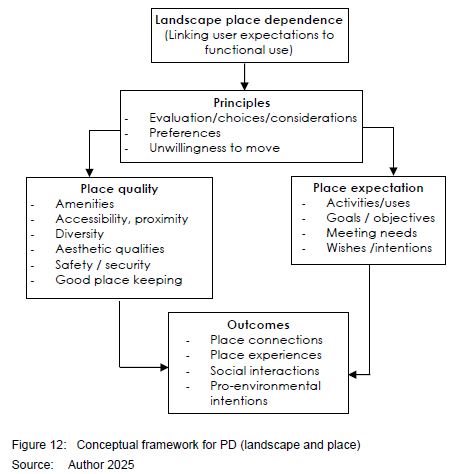
Based on the literature review, field investigations of Kigali CBD parkettes, and on-site responses regarding landscape values and PD, this study proposes a conceptual framework for PD that identifies key constructs and their interrelationships. The main constructs include place quality, place expectations, user evaluations (users' choices/considerations) and preferences, principles, and outcomes, which together inform functional attachment to parkettes and the unwillingness to move to alternative spaces (see Figure 12).
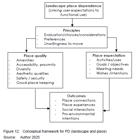
Parkette place dependence. PD develops when users perceive a parkette as fulfilling their functional and experiential needs. Huo et al. (2025) show that meeting recreation and environmental expectations strengthens PD and contributes to life satisfaction. Butu et al. (2018) as well as Shamsuddin and Ujang (2008) highlight that repeated engagement, familiarity, and activity intensity reinforce attachments. In Kigali CBD, some parkette users, the authors noticed, repeatedly visited spaces for relaxation, meditation, and social interaction, reflecting strong functional attachment. This finding diverges from that of Zong et al. (2025) who noted a decline in participation of park activities.
Principles. Users evaluate spaces and form preferences based on the extent to which parkettes satisfy their needs, which support unwillingness to move. Brown and Raymond (2007) as well as Williams and Vaske (2003) emphasise that user choice/consideration and preference are core determinants of PD. Observations in Kigali showed consistent user choices for specific parkettes, demonstrating enduring attachment. This finding supports that of Lee et al. (2025) in terms of characteristics that influence use of urban green spaces, foster their functionality and the outcomes derived from them.
Place quality. High-quality parkettes support PD, by providing functional, safe, and aesthetically appealing environments. Lee et al. (2015); Chen et al. (2022), and Zong et al. (2025) emphasise that attractive natural elements, cleanliness, diverse amenities, and accessibility enhance social interactions, satisfaction, and repeated use. Field investigations in Kigali confirm that parkettes with good maintenance, seating, shade, and security encourage longer and more frequent visitation.
Place expectation. PD is strengthened when parkettes facilitate meaningful activities that align with users' goals and intentions. Butu et al. (2018) as well as Shamsuddin and Ujang (2008) indicate that activity intensity, visibility, and engagement duration influence attachment. Kigali parkettes support a variety of activities - meditation, socialising, recreation - that met user expectations and reinforced functional dependence.
Outcomes. Strong PD leads to positive outcomes such as deep social and environmental connections. Williams and Vaske (2003), Lee et al. (2015) and Chen et al. (2022) show that well-used public spaces support social interactions, physical and psychological health benefits, experiential richness, and pro-environmental behaviours. In Kigali, repeated use of parkettes resulted in sustained attachment, enhanced social interactions, and appreciation of environmental qualities.
The literature validates that user choices/considerations and preferences drive functional attachment, which is shaped by place quality and expectation fulfilment, producing positive outcomes. Accordingly, the following design and management principles are recommended for parkettes:
• Landscape place-making and -keeping should consider user choices/ considerations and preferences, as these influence attachment and discourage relocation to alternative spaces.
• Parkette quality should be enhanced through adequate amenities, accessibility, diverse uses, aesthetics, and safety to encourage sustained use.
• Parkettes should support a variety of activities to meet user goals, expectations, and intentions for regular and prolonged visitation.
• PD outcomes should be fostered to strengthen user connections, experiences, social interactions, and pro-environmental behaviours.
This integrated framework demonstrates that place quality and expectations act together to inform use through user choices/considerations and preferences, ultimately producing functional attachment, dependency, and enduring engagement with urban parkettes.
8. CONCLUSIONS AND RECOMMENDATIONS
This study highlights a significant gap in research on PD within the Global South, particularly in African contexts, where most of the prior studies originate from Western countries. This study underscores the need for expanded research on place-people relationships, specifically focusing on PD, place identity, and the resulting constructs of place attachment and sense of place. Such investigations hold significant potential to inform scholarly discourse, policy development, and practical applications in landscape place-making aimed at enhancing user satisfaction.
By exploring parkettes in Kigali CBD, this research provides an empirical foundation that contributes to urban landscape design and open space planning, emphasising the role of landscape values and PD in public spaces. The study advances conventional research approaches, typically quantitative, by adopting a mixed-methods approach, combining surveys, interviews, and field observations to gain nuanced insights into on-site users' perceptions of landscape values and PD. It represents a pioneering study in Rwanda, where hardly any prior work has examined urban parkettes as spaces supporting place-people relationships.
Several limitations should be acknowledged to guide future research. First, no key informants from the City of Kigali's planning department were interviewed, which could have provided insights into municipal strategies for parkette management and user engagement. Secondly, the survey did not capture respondents' education levels, which may influence visitation patterns and PD. Thirdly, Parkette 6 was studied solely through observation, due to lack of users during data collection, limiting survey insights for this site. Finally, the study did not collect information on the respondents' neighbourhoods, which could inform relationships between proximity and PD. Despite these limitations, the study provides valuable findings that can inform policy, management, and design of Kigali's parkettes, demonstrating the benefits of integrating qualitative insights into PD research.
This study fills knowledge gaps on PD in African urban contexts. It demonstrates the importance of landscape values in supporting user attachment to small urban parks and provides a mixed-methods approach that captures both quantitative patterns and qualitative nuances of user perceptions. Therefore, the following is recommended to inform research, policy, and practice, by improving landscape place-making:
• Increase the number of public urban green spaces, including parkettes at road junctions and islands, incorporating greenery and diverse activities.
• Enhance user safety through measures such as installing bollards along Parkette 3 and Parkette 5 boundaries adjacent to busy roads.
• Assign names and install place signage for all parkettes to improve urban legibility, orientation, and ease of access.
• Introduce shade trees, particularly in Parkette 6, to encourage use during hot periods.
• Provide amenities such as seating, small kiosks, and urban furniture to enhance user comfort and satisfaction.
• Designate additional pedestrian crossing points to improve access to parkette 6, the largest urban open space within the CBD.
• Organise community participatory events to support user engagement, satisfaction, and stronger attachments to parkettes.
The findings show that well-designed, accessible, and maintained parkettes promote PD, social interaction, positive user experiences, and pro-environmental behaviour. Urban policymakers and planners should integrate these principles into future public open space development to enhance quality of life within Kigali's CBD and similar urban contexts.
REFERENCES
2. LITERATURE REVIEW
-
Adewale, B.A., Ibem, E.O., Amole, S.A. & Adeboye, A.B. 2020. Place attachment in Nigerian urban slums: Evidence from inner-city Ibadan. Cities, 107, article 102902. https://doi.org/10.1016/j.cities.2020.102902
» https://doi.org/10.1016/j.cities.2020.102902 -
Aguspriyanti, C.D. 2022. Understanding place attachment in temporary public space through noematic-noetic synthesis. Jurnal Teknik Arsitektur, 7(2), pp. 197-204. https://doi.org/10.30822/arteks.v7i2.1402
» https://doi.org/10.30822/arteks.v7i2.1402 -
Alrobaee, T.R. & Al-Kinani, A.S. 2019. Place dependence as the physical environment role function in the place attachment. iOP Conference series: Materials Science and Engineering 698, article 033014. https://doi.org/10.1088/1757-899X/698/3/033014
» https://doi.org/10.1088/1757-899X/698/3/033014 -
Biedenweg, K., Williams, K., Cerveny, L. & Styers, D. 2019. Is recreation a landscape value? Exploring underlying values in landscape values mapping. Landscape and Urban Planning, 185, pp. 24-27. https://doi.org/10.1016/j.landurbplan.2018.12.005
» https://doi.org/10.1016/j.landurbplan.2018.12.005 -
Bott, S.E. 2018. The measurement of meaning - Psychometrics and sense of place. In: Wells, J. & Stiefel, B. (Eds). Human-centered built environment heritage preservation. New York, NY: Routledge, pp. 45-66. https://doi.org/10.4324/9780429506352-3
» https://doi.org/10.4324/9780429506352-3 -
Braun, V. & Clarke, V. 2021. One size fits all? What counts as quality practice in (reflexive) thematic analysis? Qualitative Research in Psychology, 18(3), pp. 328-352. https://doi.org/10.1080/14780887.2020.1769238
» https://doi.org/10.1080/14780887.2020.1769238 -
Brown, G. & Raymond, C. 2007. The relationship between place attachment and landscape values: Toward mapping place attachment. Applied Geography, 27, pp. 89-111. https://doi.org/10.1016/j.apgeog.2006.11.002
» https://doi.org/10.1016/j.apgeog.2006.11.002 -
Brown, G., Reed, P. & Raymond, C.M. 2020. Mapping place values: Ten lessons from two decades of public participation GIS empirical research. Applied Geography, 116, article 102156. https://doi.org/10.1016/j.apgeog.2020.102156
» https://doi.org/10.1016/j.apgeog.2020.102156 -
Butu, H.M., Hashim, A.H.B. & Ahmad, N. 2018. Influence of place identity and place dependence on resilience towards Boko Haram insurgency among Maiduguri residents in Borno State, Nigeria. IOSR Journal of Environmental Science, Toxicology and Food Technology, 12(7), pp. 12-20. https://doi.org/10.9790/2402-1207011220
» https://doi.org/10.9790/2402-1207011220 -
Chen, S., Sun, Y. & Seo, B.K. 2022. The effects of public open space on older people's well-being: From neighborhood social cohesion to place dependence. International Journal of Environmental Research and Public Health, 19, article 16170. https://doi.org/10.3390/ijerph192316170
» https://doi.org/10.3390/ijerph192316170 -
Christou, P.A. 2022. How to use thematic analysis in qualitative research. Journal of Qualitative Research in Tourism, 3(2), pp. 79-95. https://doi.org/10.4337/jqrt.2023.0006
» https://doi.org/10.4337/jqrt.2023.0006 -
Chung, M. 2025. Our park, our community: Exploring psychological ownership in public open spaces. Leisure Sciences, 12, pp. 1-15. https://doi.org/10.1080/01490400.2025.2464571
» https://doi.org/10.1080/01490400.2025.2464571 -
Cilliers, E.J. 2023. Social perceptions of the value of green spaces: A view from the South. Front. Sustain. Cities 4:1037123, pp. 1-11. https://doi.org/10.3389/frsc.2022.1037123
» https://doi.org/10.3389/frsc.2022.1037123 -
Dasgupta, R., Basu, M., Hashimoto, S., Estoque, R.C. & Kumar, P. 2022. Residents' place attachment to urban green spaces in Greater Tokyo region: An empirical assessment of dimensionality and influencing socio-demographic factors. Urban Forestry & Urban Greening, 67, article 127438. https://doi.org/10.1016/j.ufug.2021.127438
» https://doi.org/10.1016/j.ufug.2021.127438 -
Duan, L., Niu, X. & Wang, B. 2024. The urban park green spaces landscape premium functional value accounting system: Construction and application. Sustainability, 16, article 10612. https://doi.org/10.3390/su162310612
» https://doi.org/10.3390/su162310612 -
Egerer, M., Annighöfer, P., Arzberger, S., Burger, S. & Hecher, Y. et al. 2024. Urban oases: The social-ecological importance of small urban green spaces. Ecosystems and People, 20(1), article 2315991. https://doi.org/10.1080/26395916.2024.2315991
» https://doi.org/10.1080/26395916.2024.2315991 -
Gerber, J.D. & Hess, G. 2017. From landscape resources to landscape commons: Focusing on the non-utility values of landscape. International Journal of the Commons, 11(2), pp. 708-732. https://doi.org/10.18352/ijc.745
» https://doi.org/10.18352/ijc.745 -
Gubic, I. & Baloi, O. 2020. Public open space initiatives for healthier cities in Rwanda. The Journal of Public Space, 5(2), pp. 129-146. https://doi.org/10.32891/jps.v5i2.1287
» https://doi.org/10.32891/jps.v5i2.1287 -
Guest, G., Bunce, A. & Johnson, L. 2006. How many interviews are enough? An experiment with data saturation and variability. Field Methods, 18(1), pp. 59-82. https://doi.org/10.1177/1525822X05279903
» https://doi.org/10.1177/1525822X05279903 -
Hmoud, S.M. & Almodhafar, S.S. 2022. Recasting the urban memory of Al-Tahrir Square, Baghdad, Iraq. International Journal on Sustainable Tropical Design Research and Practice, 15(2), pp. 12-23. https://doi.org/10.47836/AC.15.2.PAPER02
» https://doi.org/10.47836/AC.15.2.PAPER02 -
Huo, X., Tian, H., Wang, Z., Xu, J. & Tang, Z. 2025. Recreation specialization and leisure satisfaction among long-distance running: An examination of the mediating role of place dependence and place identity. Frontiers Psychology, 16, article 1543861. https://doi.org10.3389/fpsyg.2025.1543861
» https://doi.org10.3389/fpsyg.2025.1543861 -
Jayakody, D.Y, Adams, V.M. & Lester, E. 2024. What makes a place special? Understanding drivers and the nature of place attachment. Applied Geography, 163, article 10317. https://doi.org/10.1016/j.apgeog.2023.103177
» https://doi.org/10.1016/j.apgeog.2023.103177 -
Kazora, A.S. & Mourad, K.A. 2018. Assessing the sustainability of decentralized wastewater treatment systems in Rwanda. Sustainability (Switzerland), 10, article 4617. https://doi.org/10.3390/su10124617
» https://doi.org/10.3390/su10124617 -
K'oyoo, E. 2023. Use of photo-elicitation interviews to explore urban landscape identity in the context of urban renewal changes: A case of Kisumu City, Kenya. Acta Structilia, 30(2), pp. 35-60. https://doi.org/10.38140/as.v30i2.7477
» https://doi.org/10.38140/as.v30i2.7477 -
K'oyoo, E. & Breed, C. 2024. Urban memory and identity weighed against economic investment in urban renewal projects: A case of Kisumu City, Kenya. Acta Structilia, 31(1), pp. 84-119. https://doi.org/10.38140/as.v31i1.7930
» https://doi.org/10.38140/as.v31i1.7930 -
Lee, J. & Blackford, B. 2020. Does placemaking lead to a resident's greater place dependence and place identity in rural communities? Empirical evidence in Indiana. State and Local Government Review, 52(2), pp. 71-88. https://doi.org/10.1177/0160323X20979698
» https://doi.org/10.1177/0160323X20979698 -
Lee, A.C.K., Jordan, H.C. & Horley, J. 2015. Value of urban green spaces in promoting healthy living and well-being: Prospects for planning. Risk Management and Healthcare Policy, 8, pp. 131-137. http://dx.doi.org/10.2147/RMHP.S61654
» http://dx.doi.org/10.2147/RMHP.S61654 -
Li, J., Luo, J., Deng, T., Tian, J. & Wang, H. 2023. Exploring perceived restoration, landscape perception, and place attachment in historical districts: Insights from diverse visitors. Frontiers Psychology, 14, article 1156207. https://doi.org/10.3389/fpsyg.2023.1156207
» https://doi.org/10.3389/fpsyg.2023.1156207 -
Liu, Q., Wu, Y., Xiao, Y., Fu, W. & Zhuo, Z. et al. 2020. More meaningful, more restorative? Linking local landscape characteristics and place attachment to restorative perceptions of urban park visitors. Landscape and Urban Planning, 197, article 103763. https://doi.org/10.1016/j.landurbplan.2020.103763
» https://doi.org/10.1016/j.landurbplan.2020.103763 -
Liu, Q., Zhu, Z., Zhuo, Z., Huang, S., Zhang, C. & Shen, X. 2021. Relationships between residents' ratings of place attachment and the restorative potential of natural and urban park settings. Urban Forestry & Urban Greening, 62, article 127188. https://doi.org/10.1016/j.ufug.2021.127188
» https://doi.org/10.1016/j.ufug.2021.127188 -
Loeffler, T.A. 2004. A photo-elicitation study of meanings of outdoor adventure experiences. Journal of Leisure Research, 36(4), pp. 536-556. https://doi.org/10.1080/00222216.2004.11950035
» https://doi.org/10.1080/00222216.2004.11950035 -
Marshall, M.N. 1996. Sampling for qualitative research. Family Practice, 13(6), pp. 522-525. https://doi.org/10.1093/fampra/13.6.522
» https://doi.org/10.1093/fampra/13.6.522 -
Mensah, C.A. 2014. Destruction of urban green spaces: A problem beyond urbanization in Kumasi City, Ghana. American Journal of Environmental Protection, 3(1), pp. 1-9. https://doi.org/10.11648/j.ajep.20140301.11
» https://doi.org/10.11648/j.ajep.20140301.11 -
Noel, T. & Dardenne, B. 2024. Psychological ownership to enhance public green space loyalty. Cities, 151, article 105088. https://doi.org/10.1016/j.cities.2024.105088
» https://doi.org/10.1016/j.cities.2024.105088 -
Onwuegbuzie, A., Forzani, E. & Corrigan, J. 2023. A Fully Integrated Systematic Review of Mixed Methods Design-Based Research. Journal of Mixed Methods Studies, 8, pp. 24-51. https://doi.org/10.59455/jomes.34
» https://doi.org/10.59455/jomes.34 -
Palinkas, L.A., Horwitz, S.M., Green, C.A., Wisdom, J.P., Duan, N. & Hoagwood, K. 2015. Purposeful sampling for qualitative data collection and analysis in mixed method implementation research. Administration and Policy in Mental Health, 42(5), pp. 533-544. https://doi.org/10.1007/s10488-013-0528-y
» https://doi.org/10.1007/s10488-013-0528-y -
Proshansky, H.M., Fabian, A.K. & Kaminoff, R. 1983. Place-identity: Physical world socialization of the self. Journal of Environmental Psychology, 3(1), pp. 57-83. https://doi.org/10.1016/S0272-4944(83)80021-8
» https://doi.org/10.1016/S0272-4944(83)80021-8 -
Qian, J., Zhu, H. & Liu, Y. 2011. Investigating urban migrants' sense of place through a multi-scalar perspective. Journal of Environmental Psychology, 31(2), pp. 170-183. https://doi.org/10.1016/j.jenvp.2011.01.002
» https://doi.org/10.1016/j.jenvp.2011.01.002 - Rose, G. 2016. Visual methodologies: An introduction to researching with visual materials. 4th edition. London: Sage.
- REMA (Rwanda Environment Management Authority). 2012. Study for establishing urban wetland recreation and eco-tourism park in Nyandungu Valley, Kigali City (Rwanda). Final report.
-
Sanga, E.E. & Mbisso, D.A. 2020. Sense of place and placelessness of urban open spaces in Dar es Salaam. Journal of Sustainable Development, 13(4), article 191. https://doi.org/10.5539/jsd.v13n4p191
» https://doi.org/10.5539/jsd.v13n4p191 -
Sangwan, A., Saraswat, A., Kumar, N., Pipralia, S. & Kumar, A. 2022. Urban green spaces prospects and retrospects. In: Castanho, R. & Fernández, J (Eds.). Urban green spaces. London, UK: IntechOpen. https://doi.org/10.5772/intechopen.102857
» https://doi.org/10.5772/intechopen.102857 -
Tafahomi, R. & Nadi, R. 2021. Protection of natural wetlands through landscape design in Kigali City, Rwanda Journal of Engineering, Science, Technology and Environment, 4(1), pp. 1-16. https://doi.org//10.4314/rjeste.v4i1.11
» https://doi.org//10.4314/rjeste.v4i1.11 -
Ujang, N. 2017. Place attachment and continuity of urban place identity. Asian Journal of Environment Behaviour Studies, 2(2), pp.117-132. https://doi.org/10.21834/aje-bs.v2i2.182
» https://doi.org/10.21834/aje-bs.v2i2.182 -
White, D., Virden, R. & van Riper, C. 2008. Effects of place identity, place dependence, and experience-use history on perceptions of recreation impacts in a natural setting. Environmental Management, 42(4), pp. 647-657. https://doi.org/10.1007/s00267-008-9143-1
» https://doi.org/10.1007/s00267-008-9143-1 -
Williams, D.R. & Vaske, J.J. 2003. The measurement of place attachment: Validity and generalizability of a psychometric approach. Forest Science, 49(6), pp. 830-840. https://doi.org/10.1093/forestscience/49.6.830
» https://doi.org/10.1093/forestscience/49.6.830 -
Wu, S.J, Ng, E., ILin, K.B., Cheng, Y.H., Lepage, B.A. & Fang, W.T. 2023. Influence of landscape preference and place attachment on responsible environmental behavior - A study of Taipei's Guandu Nature Park Wetlands, Taiwan. Land, 12, article 2036. https://doi.org/10.3390/land12112036
» https://doi.org/10.3390/land12112036 -
Xie, X. & Wang, Z. 2024. The impact of place attachment on the environmentally responsible behaviour of residents in national park gateway communities and the mediating effect of environmental commitment: A case of China National Park. Frontiers in Psychology, 15, article 1386337. https://doi.org/10.3389/fpsyg.2024.1386337
» https://doi.org/10.3389/fpsyg.2024.1386337 -
Zhang, H. & Han, M. 2021. Pocket parks in English and Chinese literature: A review. Urban Forestry & Urban Greening, 61, article 127080. https://doi.org/10.1016/j.ufug.2021.127080
» https://doi.org/10.1016/j.ufug.2021.127080 -
Zong, M., Yanai, S. & Wang, R. 2025. Exploring the use and perceptions of community parks with engagement activities: a case study of Tokyo, Japan. Frontiers in Sustainable Cities, 7, article 1599193. https://doi.org/10.3389/frsc.2025.1599193
» https://doi.org/10.3389/frsc.2025.1599193