Litema artivism: community-engaged scholarship with international online learning
Abstract
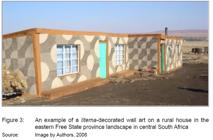
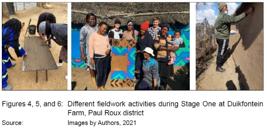
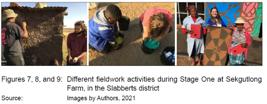
The misconception that online learning and teaching for the building sciences is ineffective has been proven wrong. A blended learning technique, combining service-learning activities and research (community-engaged scholarship) with Collaborative Online International Learning (COIL), has shown great learning and teaching possibilities on an international digital platform. This article considers how community-engaged scholarship and COIL can support an international learning experience celebrating rural art and architecture in central parts of South Africa. The research used a qualitative participatory action research approach and social learning theory framework. Combining practical outcomes in service-learning activities with collaborative international desk research provided a new perspective of litema wall-decorating art in rural parts of the eastern Free State province. These activities developed into a collaboration opportunity as a COIL exchange. A novel conceptual service-learning approach requires good communication and networking, clear agendas, as well as dedicated staff and students. The study merged service-learning activities by South African architecture students at the University of the Free State with literature from American art history students from Colorado State University through COIL that resulted in a collaborative exhibition of research findings. The study follows the United Nations' Sustainable Development Goals (SDGs) of quality education and gender equality, as well as the "Art-Lab for Human Rights and Dialogue" that intervenes ethically for human rights as "activist" acts of care for rural domestic art.
Architecture; community engagement; Collaborative Online International Learning; COIL; litema art; service learning; sustainable development goals
 Thumbnail
 Thumbnail
 Thumbnail
 Thumbnail
 Thumbnail
 Thumbnail
 Thumbnail
 Thumbnail
 Thumbnail
 Thumbnail