City beautification through corporate social responsibility landscape branding in enhancing urban landscape identity in Kisumu City, Kenya
Abstract
City identity and branding have traditionally been shaped by iconic architecture, including monumental buildings and landmarks. However, recent studies have begun to explore city branding through corporate social responsibility (CSR) initiatives, particularly from a landscape perspective. There is limited research, particularly in the Global South, examining the role of CSR in the enhancement of open green spaces and its contribution to shaping urban landscape identity. This study investigates CSR-driven beautification projects in Kisumu City, Kenya, where corporate-funded initiatives have sought to improve urban landscapes through the landscaping of road islands and roundabouts, alongside broader urban renewal efforts. The article aims to document the spatial attributes of these CSR projects; assess their current status in terms of cleanliness, safety, and maintenance, as well as identify the challenges faced in implementing CSR-driven beautification efforts. The aim of these projects is not only to promote the city's unique urban identity, but also to enhance the corporate image through landscape branding. A qualitative research methodology is employed, involving field observations, GIS mapping, and photography, complemented by purposive interviews. The findings reveal not only diverse landscape designs, including water features and sculptures, but also highlight significant issues with upkeep, safety concerns from street urchins, and the overall deterioration of some sites. These results are valuable for policymakers in city governments and corporations involved in CSR projects, offering insights into how such initiatives can better contribute to urban landscape identity, city branding, and the sustainability of urban beautification efforts.
city beautification; corporate social responsibility; corporate brand advertising; landscape branding; landscaping; public open spaces; sustainability; urban landscape identity
1. INTRODUCTION
Ayeni and Olalusi (2011) highlight the rapid urbanisation in Nigeria, as viewed globally, which has led to urban sprawl and inadequate planning for beautification through landscaping. Bhardwaj and Bara (2024) support this view, arguing that effective landscaping is crucial for creating aesthetically pleasing and pleasant urban environments. Such projects rejuvenate public spaces and enhance visual appeal. Gill and Kathuria (2014) further emphasise that well-planned crossings, greenery, and preserved monuments are key attractions of a beautiful town, often facilitated by local governments and sometimes in collaboration with corporate social responsibility (CSR) initiatives. This view is corroborated by Adeyanju (2012) and Ayeni and Olalusi (2011), who assert that city beautification has become increasingly popular as a means of improving urban environments.
As defined by Respati et al. (2020), Adeyanju (2012), Purnamawati (2023), as well as Wentzel, Fapohunda and Haldenwang (2024), CSR refers to a company's commitment to allocate resources toward addressing economic, social, and environmental concerns. Adeyanju (2012) further argues that socially responsible initiatives enhance a company's goodwill, increasing its financial value and market competitiveness. Purnamawati et al. (2023) stress that CSR acknowledges the socio-economic and environmental dimensions of stakeholder engagement.
Hussain (2023) observe that urban parks are key in tourism development and city branding, as they contribute to shaping a positive urban image. They argue that green spaces offer a unique opportunity for cities to create a 'green brand', although research in this area remains limited. Private sector involvement in the planning, design, and funding of these projects, particularly through CSR contributions, is essential (Respati et al., 2020). Bhardwaj and Bara (2024) also emphasise the importance of community-centric design in CSR-driven beautification projects, advocating for a participatory approach that empowers local residents in the decision-making process.
Traditionally, city identity and branding have been constructed through iconic architecture such as monumental buildings and structures, which serve as symbols of a city's uniqueness (Yong, Ng & Poh, 2023; Chan, Surayadipura & Kostini, 2021; Tokat, 2018; Riza, Doratli & Mukaddes, 2012). Riza et al. (2012) identify image, uniqueness, and authenticity as key attributes of city branding. Some iconic buildings such as the Eiffel Tower in Paris transcend their local significance to become global symbols (Tokat, 2018). While existing literature has predominantly focused on architectural landmarks as tools for urban branding, this study seeks to expand the scope, by examining the role of public open spaces in shaping city identity and image through landscape design - A perspective that has been underexplored.
Kisumu City (2020-2021) undertook several upgrading and beautification projects, including the landscaping of public open spaces such as road islands and roundabouts, as part of a broader city-renewal initiative aimed at addressing infrastructure decay. These projects, funded through CSR, involved design, implementation, and maintenance components. Despite the growing importance of CSR in urban beautification, few studies explore its role in promoting landscape identity in the Global South (Sheijani et al., 2022). To address this gap, this study investigates the role of CSR in financing, implementing, and maintaining urban beautification projects, with a specific focus on their contribution to urban landscape identity. The study aims to document the spatial attributes of these projects; assess the current status of cleanliness, safety, and maintenance, and identify challenges faced in CSR-driven beautification efforts. The findings will be valuable to policymakers, local authorities, and CSR stakeholders engaged in urban improvement initiatives.
2.1 Importance of beautification of urban open spaces
The United Nations (2018) Sustainable Development Goal (SDG) 11 emphasises the need to make cities and human settlements inclusive, safe, resilient, and sustainable. Goal 11.7 states that, by 2030, there should be universal access to safe, inclusive, and accessible green and public spaces. Hussain (2023) argue that the provision of green spaces such as gardens, parks, and recreational areas plays a critical role in enhancing the attractiveness of cities and in improving residents' quality of life. Despite their potential, these green spaces are often undervalued as contributors to urban branding, even though they offer a range of factors that shape the identity and image of a city (Hussain, 2023). This view is supported by Bhardwaj and Bara (2024), who contend that visually appealing urban spaces not only improve property values, but also promote positive psychological outcomes, which directly influence residents' well-being and contribute to the liveliness of cities. They assert that the attractiveness of a city plays a key role in building its distinctive identity and brand, to which residents feel connected (Bhardwaj & Bara, 2024).
Stewart et al. (2019) explored urban greening initiatives from a resident-led perspective, finding that community-driven beautification efforts support a sense of place and promote place attachment. Bhardwaj and Bara (2024) extend this argument, by asserting that city beautification should move beyond mere visual appeal to incorporate elements of social cohesion, inclusivity, environmental sustainability, and cultural vibrancy. They advocate for a multidimensional approach to urban beautification, one that combines aesthetic enhancement, social development, environmental restoration, and economic progress. Aesthetic development, they explain, involves visibly improving public spaces through landscaping, greening, and additional features such as fencing and lighting. However, beautification should also encourage social development by ensuring participation from marginalised groups, which helps build a sense of connection with the environment and cultivates shared responsibility among residents. Bhardwaj and Bara (2024) highlight the wide-ranging benefits of sustainable beautification projects, emphasising how such initiatives can significantly enhance the overall quality of urban life.
2.2 Corporate social responsibility in branding of open spaces through beautification
Respati et al. (2020) highlight the role of CSR in enhancing the ecological and socio-cultural functions of urban open spaces. They argue that CSR-driven beautification efforts such as the incorporation of diverse plant species and water features such as fountains improve the visual quality of urban areas. Similarly, Wentzel, Fapohunda and Haldenwang (2022) contend that CSR benefits both businesses and society: businesses, large and small, enhance their reputation among stakeholders, while society gains through economic and environmental benefits from social initiatives (Adeyanju, 2012).
The lack of sufficient funding for urban green space development has prompted city governments to seek CSR partnerships with the private sector (Respati et al., 2020). In this context, the role of governments is to ensure transparency and accountability in the implementation and maintenance of CSR projects. Wentzel et al. (2024) further emphasise that financial constraints hinder CSR implementation, particularly among small and microenterprises (SMEs) in the construction industry.
While much of the literature on city branding focuses on iconic buildings as symbols of urban identity (Riza et al., 2012; Tokat, 2018; Yong et al., 2023), there is growing recognition of the potential of public green spaces in shaping a city's image. Chan et al. (2021) suggest that integrating regional natural, cultural, and architectural elements is crucial for effective city branding. Sheijani et al. (2022) extend this argument, by examining landscape as a critical but underexplored element in branding research. Their study identifies eight key dimensions, namely physical, cultural, political, economic, social, historical, environmental, and media, that influence landscape branding. Supporting this, Lorincz et al. (2021) highlight the importance of 'green branding' and advocate for well-maintained urban green spaces as key to enhancing the city's attractiveness and sustainability. Maessen, Wilms and Walters (2008) also support the role of regional landscape branding in contributing to a sense of local identity, awareness of the existing natural and cultural qualities, as well as regional competitiveness in the face of globalisation.
Vela, Nogue and Govers (2017) further argue that landscapes play a crucial role in place branding, not only symbolically, but also in terms of their aesthetic and social significance. They emphasise that landscapes are valuable for branding strategies at various scales. However, Tobias and Wahl (2019) caution that effective place branding relies on the abundance and uniqueness of the landscape, suggesting that, for a landscape to function as a brand, it must be distinctive and noteworthy.
Hussain (2023) argue that urban parks and other green open spaces play a significant role in enhancing city marketing and in shaping a city's brand image. Chan et al. (2021) emphasise the close relationship between a city's image and its identity, proposing that effective city branding emerges at the intersection of these two concepts. They advocate for exploiting regional potential as well as natural, cultural, and architectural assets to strengthen the city's brand and positively influence its image. K'oyoo and Breed (2023) argue that urban landscape identity is shaped by residents' perceptions of the distinctive physical forms, social-cultural functions, and symbolic meanings of their environment, which together encourages a sense of attachment and belonging and contributs to the formation of lasting memories. Sabouri, Yousefi and Yousefii (2015) advocate for the inclusion of public art such as sculptures, in city beautification efforts. They argue that sculptures not only enhance the aesthetic appeal of urban spaces but also serve to build identity, communicate cultural and historical narratives, and shape collective mental images. Vela et al. (2017) support this perspective, asserting that landscape branding is an identity-focused approach that highlights the importance of aligning the perceived and actual qualities of a place. They conclude that successful place branding must be linked to policymaking, infrastructure development, and public events, ensuring that branding efforts are coherent and sustainable across different scales.
3. STUDY AREA
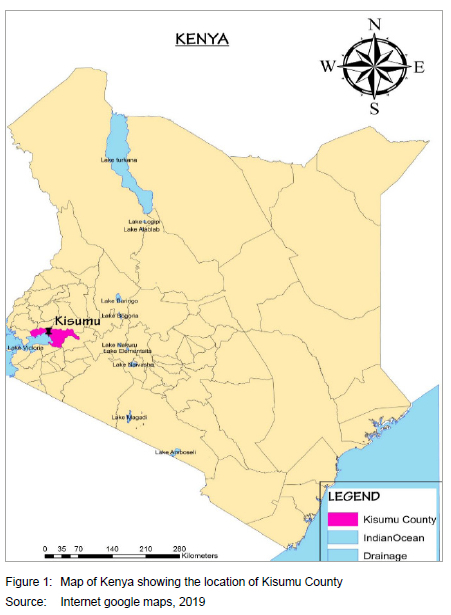
The study was conducted in Kisumu City, the third largest urban area in Kenya in terms of population at the national level (COK KUP, 2019). Kisumu City is the main administrative centre and headquarters of Kisumu County and is 265 kilometers north-west of Nairobi (see Figures 1 and 2). It lies on the northeastern shores of Lake Victoria, the continent's largest freshwater lake and source of the Nile. Kisumu is 1,146 meters above sea level and located 0o6' South of the Equator and 34o45' East (AFD, 2013).
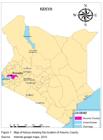
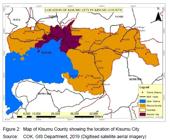
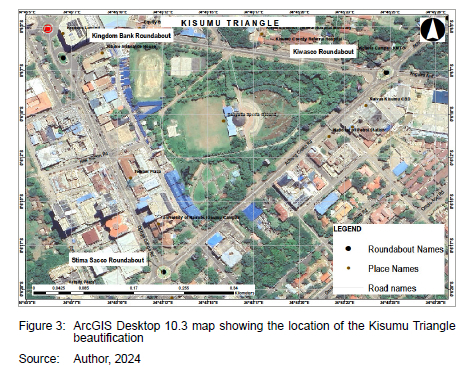
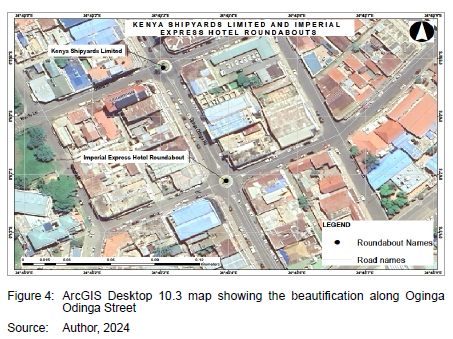
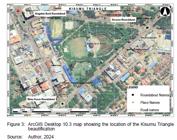
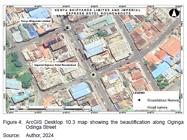
According to K'oyoo (2023c) and K'oyoo and Breed (2023), COK launched a beautification programme aimed at transforming its urban landscape. The initiative sought to enhance urban landmarks and create more vibrant nodes, by increasing green spaces along major trunk areas and in peri-urban areas. This plan was designed to improve the city's aesthetics, while also addressing environmental concerns, particularly by reducing carbon emissions. The programme led to the redevelopment of key streets and highways, including Oginga Odinga Street, Anga'awa Avenue, and Jomo Kenyatta Avenue, which together form the Kisumu Triangle (see Figure 3). Through a CSR partnership with the COK, coordinated by the Environment Department, multiple stakeholders, including the business community, government agencies, and NGOs, contributed to the beautification efforts, which included the enhancement of several road roundabouts (see Figure 4) (K'oyoo, 2023c).
4. METHODOLOGY
4.1 Research design
Using a qualitative research approach, this case study made use of diverse data-capturing methods to investigate the various CSR beautification projects within Kisumu City, Kenya, in terms of the landscape design elements used, the cleanliness, safety, and general maintenance. The challenges faced with management were also investigated and recommendations suggested. According to Merriam and Tisdell (2016), the use of different data-collection methods allows for testing validity, by combining information from different sources. This study used three data-capturing methods, interviews with seven residents, a key informant interview with 1 CoK official, a field investigation through mapping to locate the various beautification projects, and photography to capture the various aspects in terms of design layouts and landscape elements used.
4.2 Interview sampling
To gain insights into the 2024 status of roundabout beautifications in terms of cleanliness, safety, maintenance, and associated challenges, this study purposively selected seven interviewees from the residents of Kisumu City. The sample included both experts in the built environment and non-experts.
Guest, Bunce and Johnson (2006) found that data saturation occurred within the first twelve interviews, with key thematic elements emerging as early as the sixth interview. Similarly, variability in the data followed consistent patterns (Guest et al., 2006). Scholars such as Mason (2010) and Morse (2000) emphasise that saturation is a critical consideration for determining sample size in qualitative research. In a related study, Wentzel et al. (2024) conducted follow-up interviews with only four respondents after an initial questionnaire survey.
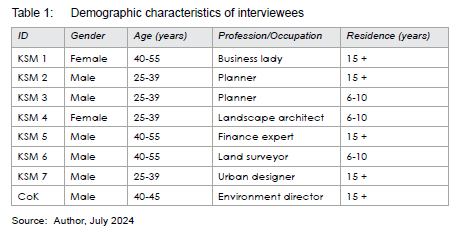
The profiles of the seven interviewees, labelled KSM 1 to KSM 7, are summarised in Table 1. The Director of Environment at the City of Kisumu (CoK) served as the key informant, as this department was responsible for the planning, implementation, and current oversight of the beautification projects under study, particularly in relation to CSR-driven maintenance. As Yin (2003) suggests, key informants are essential in case study research, providing in-depth, context-specific insights that enrich the investigation.
4.3 Data collection
The primary data-collection process began in March 2024. Initially, the researcher conducted a reconnaissance visit to several of the beautification sites following an interview with the CoK official, who provided an overview of the CSR-driven beautification projects. This visit allowed for a firsthand assessment of the project sites. Subsequently, the researcher initiated a literature review to gather secondary data on city beautification efforts and CSR implementation, drawing on journal articles and online books primarily accessed through open access platforms such as Google Scholar. The field visits for reconnaissance and subsequent data collection were conducted prior to the interviews, ensuring that the researcher had a comprehensive understanding of the sites before engaging with interviewees.
4.3.1 Field investigation
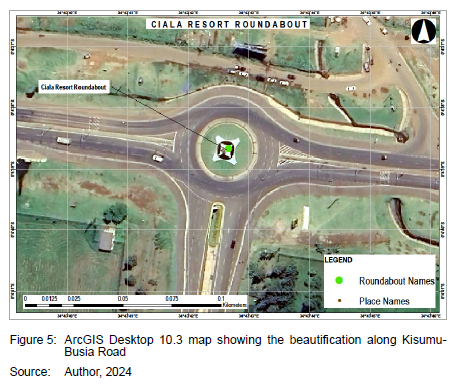
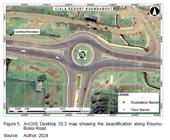
The field investigation for this study involved the documentation of various CSR-driven beautification projects in Kisumu City through photography. These photographs served as qualitative data and were integral to the data-collection process. The researcher took the photographs between 9:00 a.m. and 5:00 p.m. in March 2024, with follow-up visits in July. Observational techniques were also employed to assess the implementation of these projects, focusing on design layouts and the landscape elements used. To accurately locate the projects within the city, aerial images from Google Maps were used in ArcGIS (see Figures 3, 4, 5, 7, 8). Mapping of the project sites via ArcGIS was conducted in July, alongside photography that captured the current status of the projects under CSR management, and in some instances, maintenance oversight by the CoK Department of Environment. These visual materials were supplemented with descriptions from interview responses, as well as detailed observations of the layout designs and landscape elements incorporated in the projects.
On-site observations were carried out to assess the cleanliness, safety, and general maintenance of the beautification projects. These visits took place between Monday and Saturday, from 8:00 a.m. to 6:00 p.m., over the course of one week in July, with consideration of additional site visits made during the reconnaissance phase in March 2024. A structured observation checklist was used to guide the field investigation. The first section of the checklist recorded the name and location of the roundabouts under examination. The second section focused on evaluating aspects such as cleanliness, maintenance, safety, and the landscape elements employed, alongside a description of the overall design layout. Non-participant observation was used to assess safety, specifically by noting the presence or absence of street vendors or other individuals occupying the roundabout spaces. Cleanliness was evaluated by observing littering levels across various areas of the sites, while maintenance was assessed through the inspection of both soft and hard landscape elements for signs of wear, tear, breakdowns, and vandalism. This comprehensive observational data provided crucial qualitative insights into the current condition of the roundabout beautification projects.
4.3.2 Interviews
In July 2024, seven interviews were conducted with purposively selected participants (see Table 1). These participants were chosen based on their willingness to contribute to the study. The interviews were structured, using an interview schedule, with both structured and semi-structured questions. In addition, a key informant interview was conducted with a CoK official, who provided insights into the ongoing CSR initiatives and the city's management of the beautification projects. The interview with the CoK official also explored challenges related to the projects, which informed the study's recommendations.
The first part of the interview focused on gathering demographic information from the interviewees, including age, gender, profession, and duration of residence. In the second part, participants were shown four photographs representing selected beautification projects that the researcher had purposively chosen from the broader set of projects under study. These roundabouts were selected based on several criteria, including cleanliness, safety, general maintenance, and the extent of ongoing CSR maintenance. The selection was also influenced by the researcher's assessment of the aesthetic value of the projects, particularly in terms of artistic elements such as sculptures and water features. The four roundabouts selected for the interviews were the STIMA Sacco roundabout, the KIWASCO roundabout, the Imperial Express roundabout, and the CIALA Resort roundabout.
During the interviews, participants were asked to rank the four roundabouts on a scale from 1 to 4, based on how well the beautification efforts represented the city and its people. The ranking was based on five key aspects, namely physical, cultural, economic, social, and symbolic meaning - dimensions aligned with the concept of urban landscape identity (K'oyoo & Breed, 2023). The researcher encouraged participants to elaborate on their choices, probing for further clarification when necessary. Interviews were recorded with the participants' consent using a mobile phone, while notes were simultaneously taken. Direct quotes from key informants were included to highlight important insights. Each interview lasted between 10 to 20 minutes.
4.4 Data analysis
4.4.1 Interview responses
The interview responses were transcribed verbatim, and no specialised software was employed for the analysis. The researcher manually analysed the data, identifying key themes that aligned with the study's broad research questions. Using content analysis, as outlined by Drisko and Maschi (2016), the responses were categorised and examined in relation to the core aspects of the study: cleanliness, safety, general maintenance, and aesthetic appeal. These themes were further analysed through a frequency count based on the structured observation checklist. This process allowed for a systematic analysis of the data, highlighting recurring patterns and key insights related to the current status of the beautification projects.
4.4.2 Field investigation mapping
Mapping was conducted to document the locations of various beautification projects implemented under the CSR and CoK collaboration, following an expression of interest. The locations of roundabouts within the central business district (CBD) were mapped using ArcGIS software, with coordinates collected during field investigations. Figures 3 and 4 illustrate the mapped roundabouts, which were selected based on their relevance to the study. Mapping the locations was crucial for understanding how spatial factors such as site placement might influence key aspects of the projects, including cleanliness, safety, and the need for regular maintenance. The mapping process was heavily informed by data provided by the CoK official, who served as a key informant and facilitated reconnaissance visits to the roundabouts.
4.4.3 Observations
The observational data were analysed, by assessing the presence and frequency of key indicators, as outlined in the observation checklist. Specific aspects under study included cleanliness, safety, and maintenance of both hard and soft landscape elements. Cleanliness was evaluated based on the presence or absence of litter. Safety was assessed, by noting the presence of street urchins or other potential hazards at the roundabouts. Maintenance of hard landscape elements was analysed, by identifying signs of wear and tear, while the condition of soft landscape elements was evaluated with a focus on overall appearance, particularly regarding placekeeping (i.e., whether the area appeared tidy/kempt or untidy/unkempt). These indicators provided insights into the regularity and effectiveness of maintenance efforts at the roundabouts.
Observations were analysed in terms of presence and frequency count on the checklist for the aspects that were under study. This included cleanliness in terms of presence of littering or not, safety in terms of presence of street urchins or not, evidence of wear and tear on the hard landscape elements used. Soft landscape was analysed in terms of the overall look, with emphasis on placekeeping (tidy/kempt or untidy/unkempt). All these indicated whether the roundabouts were regularly well maintained or not.
5. RESULTS
5.1 Interviewees demographics
The demographic characteristics of the interviewees (KSM), presented in Table 1, reveal that the majority (57.1%) of the interviewees were aged between 25 and 39 years and had resided in Kisumu City for 15 years or more (57.1%). This suggests that the participants were sufficiently mature and had lived in the city long enough to provide informed responses regarding the beautification projects implemented between 2020 and 2021 as part of the urban renewal initiatives. By the time of this study, the respondents had had ample opportunity to observe and experience these beautification projects, which were situated along major transit routes, including bus streets, roads leading into the city, and within the city's central business district (CBD).
5.2 General overview of the CSR beautification projects
According to the CoK official, the CSR beautification projects were initiated through an expression of interest (EOI) advertised by the CoK. The EOI targeted corporate entities and focused on five thematic areas, namely beautification, street lighting, tree planting, drainage unclogging, and waste management. The urban spaces selected for these initiatives included roundabouts, road islands, and parks. The CoK official noted that the EOI attracted considerable interest, making the selection process highly competitive. Successful applicants were awarded contracts for a three-year term, with the option for renewal. The final designs for the projects were approved by the CoK before implementation at the various designated locations.
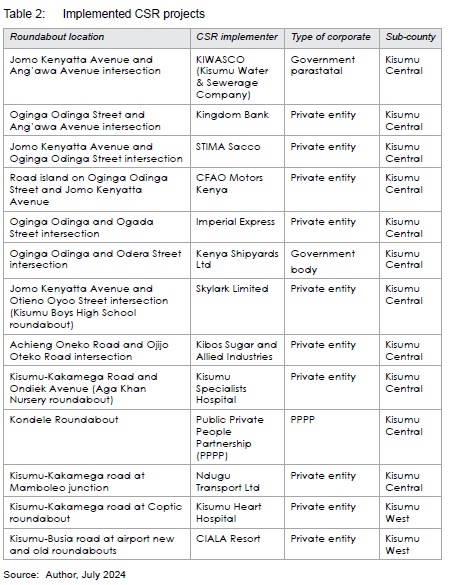
The CSR beautification projects were implemented across Kisumu Central and Kisumu West sub-counties. In Kisumu Central, the CSR initiatives were carried out at multiple sites, including three roundabouts within the Kisumu Triangle, two roundabouts on Oginga Odinga Street, the Milimani Estate road island, several road islands on Jomo Kenyatta Avenue and Oginga Odinga Street, as well as the roundabouts at Kisumu Boys High School, Aga Khan Nursery, Kondele, and Mamboleo Junction. In Kisumu West, beautification efforts focused on the Kiboswa roundabout, the Old Kisumu Airport roundabout, and the New International roundabout. Table 2 provides a summary of the project locations and implementing entities.
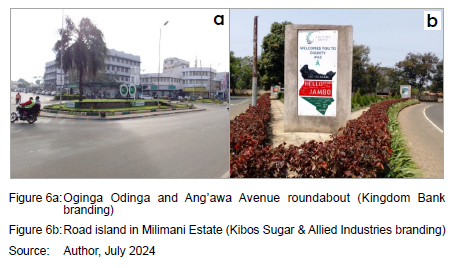
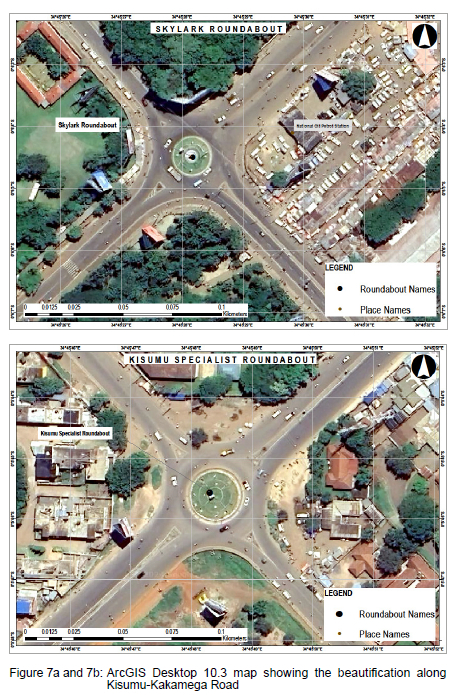
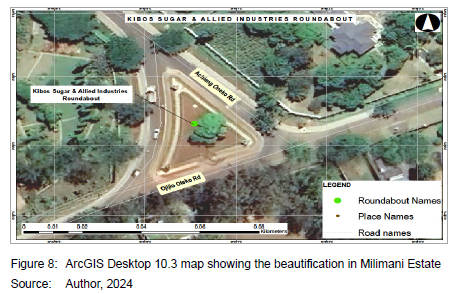
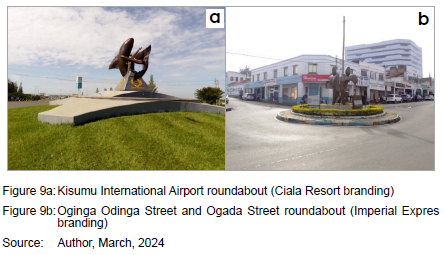
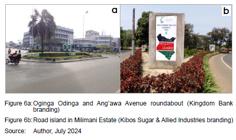
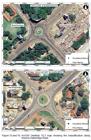
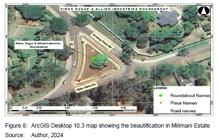
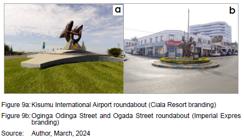
The CSR projects are distributed across both the CBD and two major arterial roads leading into the city. These locations are strategically chosen to benefit not only the core urban area, but also a broader segment of the city's population, ensuring that the projects have a wider impact across Kisumu. Figure 5 illustrates the location of the CIALA roundabout branding at both the entry and exit points of Kisumu International Airport on Kisumu-Busia Road. Figures 6a and 6b display selected roundabout beautifications as highlighted in the study. Figures 7a and 7b and Figure 8 maps the locations of beautifications at two roundabouts along Kakamega Road, while Figure 9 shows the beautification of a triangular road island within Milimani Estate.
5.3 Field investigation of landscape design and the elements used in beautification
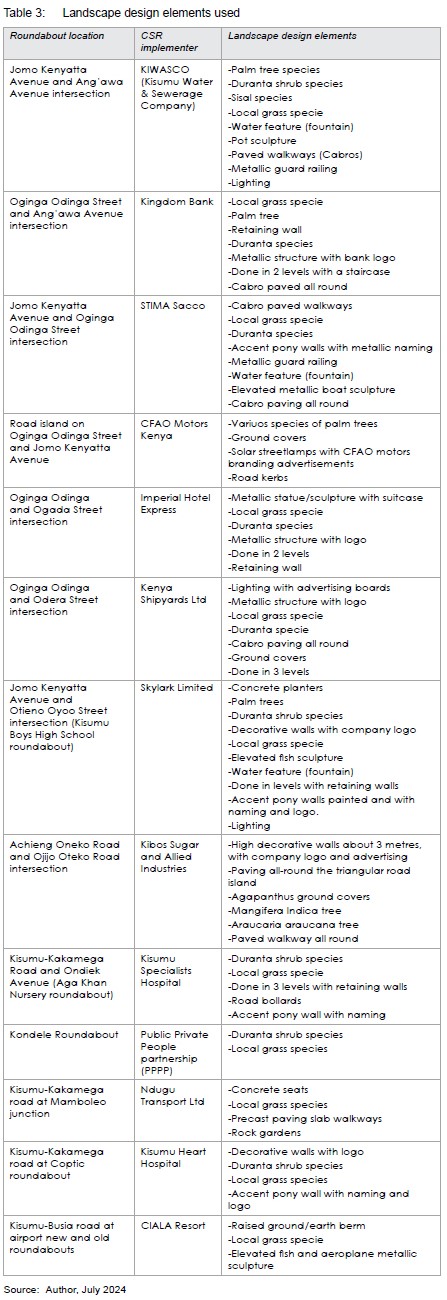
The researcher conducted on-site visits to a selection of roundabouts and open green spaces within the COK that were landscaped as part of CSR initiatives. During these visits, the design features and landscaping elements utilised in the beautification efforts were systematically documented. The study employed a field observation schedule to assess the design of the roundabouts and surrounding green spaces, with particular attention paid to both soft and hard landscaping elements. Soft landscaping features observed included a variety of plant species such as trees, shrubs, ground covers, and grass, which contributed to the aesthetic and ecological value of the spaces. The researcher noted several hard landscaping elements, including retaining walls, paving, water features, sculptures, lighting, railings, and planters, all of which enhance the visual appeal and functionality of the areas. Table 3 provides a summary of the specific roundabouts and their associated landscape design elements.
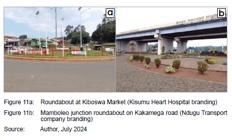
Field investigation through photography as revealed in Figures 9, 10, and 11 represent the various images of the beautification projects at the various locations.
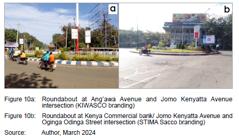
5.4 Field investigation results on cleanliness, safety, and beauty
According to the CoK official, the selected CSR project implementers responsible for the beautification initiatives were required to carry out regular maintenance in compliance with CoK standards. A designated oversight committee was tasked with supervising the implementation and ensuring the maintenance of the projects during their operational phase. In addition, the CSR project implementers were responsible for securing the beautified infrastructure, particularly sculptures and water features, which required frequent monitoring to prevent theft or vandalism. The researcher investigated the condition of the roundabouts and other green spaces to assess the effectiveness of the agreed-upon maintenance, security, and cleanliness measures between the implementing corporations and the CoK.
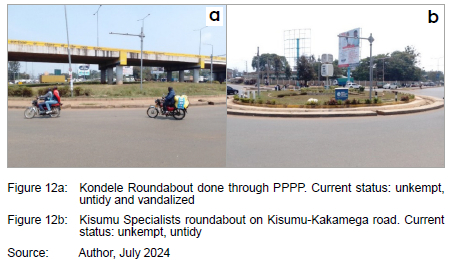
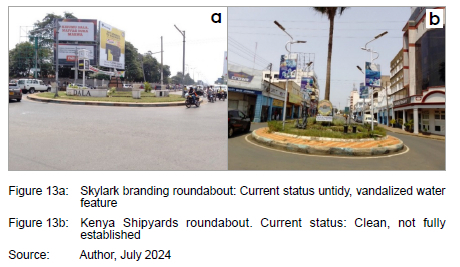
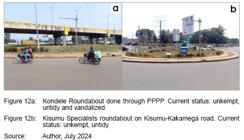
Observations at the Kondele Roundabout (Figure 12a), which had been well landscaped in 2021, revealed a neglected, untidy site. The roundabout had become a gathering place for street urchins, posing a security risk to potential users. The area was littered with waste and frequently used for open urination, suggesting a lack of regular cleaning and maintenance. The roundabout's location in a politically volatile area, prone to demonstrations and vandalism, further complicated its upkeep. Similar issues were observed at the Kisumu Specialists Roundabout (Figure 12b) and the Skylark Roundabout (Figure 13a), where neglect, wear and tear, and the presence of street urchins was apparent.
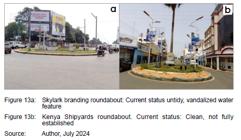
The Kenya Shipyards Roundabout (Figure 13b), although not yet fully landscaped with ground covers, was generally clean and well-maintained. By contrast, the beautifications along the road islands on Oginga Odinga Street and Jomo Kenyatta Avenue, sponsored by CFAO Motors, were consistently well-maintained. The company had also incorporated promotional images of their vehicles on the solar streetlamps that were part of the beautification efforts, which the CoK official confirmed were regularly maintained, contributing to a positive image in the CBD.
Among the four purposively selected roundabouts, the Kisumu Heart Hospital Roundabout was notably clean, with no signs of wear and tear, suggesting effective maintenance of both hard and soft landscaping elements. A chain-link fence around the roundabout helped prevent public access, preserving its condition. Similarly, the Ndugu Transport Roundabout at Mamboleo Junction was well-maintained, with the site clean and free from litter. On three separate visits, the author observed public use of the area, where people relaxed on concrete benches surrounded by well-trimmed lawns, indicating a well-maintained and functional public space.
5.5 Interview responses on cleanliness, safety, maintenance, and beauty
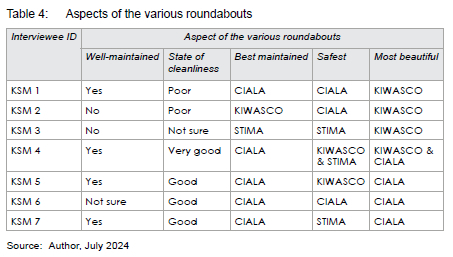
The interviewees were asked about the maintenance and cleanliness of the roundabouts since their implementation in 2020/2021. The vast majority of the respondents opined that the roundabouts were generally well maintained through regular cleaning. When asked to rate the current state of cleanliness, the majority of the participants rated the roundabouts as 'Good' on a scale ranging from 'Very Good' to 'Very Poor' (see Table 4).
Regarding cleanliness, the CIALA branding roundabout was identified as the best-maintained site. One urban designer, KSM 7, explained the choice: "The built form at the center of the roundabout, with the fish sculpture at the top, is characterized by clean paint with no visible signs of unusual dirt. The structure is surrounded by well-maintained lush greenery, with no signs of foreign materials such as improperly disposed waste like paper bags, plastic, etc." (KSM 7).
Respondents were also asked to identify the roundabout they considered the safest. The majority of the respondents selected the CIALA branding roundabout, followed by the KIWASCO and STIMA branding roundabouts. In response to why they selected a particular roundabout, one participant, KSM 7, noted:
"The STIMA Sacco roundabout feels safest for me as a pedestrian because of its location. It is located within CBD, next to building that serve/attract many people hence high pedestrian traffic around. The adjacent uses include banks and supermarkets which promote surveillance or eyes on the street making it safer for users. Also, the location within the inner CBD means that motorized transport including cars and motorbikes approach and exit the roundabout at considerably lowers speeds making it safer for both drivers and riders as well as to non-motorized transport users" (KSM 7).
When asked to rate the beauty appeal of the roundabouts, based on the landscaping elements used in their beautification, respondents identified the CIALA and KIWASCO branding roundabouts as the most beautiful. Each roundabout was selected by three respondents, with a fourth respondent suggesting both as the best examples of beautification (see Table 4).
5.6 Interview responses on the meaning of the various landscape elements used in the beatifications
Field observations, summarised in Table 5, reveal that a variety of landscape elements were used to implement the roundabout beautifications. Respondents were asked to interpret the meaning behind these elements, particularly for the four purposively selected roundabout projects.
Regarding the KIWASCO branding roundabout, KSM 7, an urban designer, explained the symbolism of the pot and water fountain:
"The pot is a treasured item among the Luo community who are historically known for making beautiful pots used for various purposes including cooking, storing water, storing food and cooling water among other uses. The inclusion of the pot and water fountains at the roundabout symbolizes the relevance of pot among the Luo community. Also, the inclusion of the water fountain signifies the role of KIWASCO as the entity mandated with provision of water in the County of Kisumu. The short railing/balustrade surrounding the roundabout is meant to keep off intruders from accessing the lush greenery, water fountain and the pot within the roundabout" (KSM 7).
KSM 5 also highlighted the significance of the pot, stating:
"The pot at the roundabout depicts the traditional cooking methods of the African community especially the Luo community. The pot is also representing a store for water" (KSM 5).
KSM 8, a female landscape architect with 6-10 years' experience in Kisumu, interpreted the pot and water fountain as a source of life for the residents of Kisumu. KSM 3 echoed the idea that the pot represents the local Luo (African) culture, while KSM 2 and KSM 1 supported this interpretation, with KSM 2 also praising the cooling effect of the water fountain at the roundabout.
On the CIALA branding roundabout, KSM 1 explained that the fish sculpture represents the staple fish of the Luo people, a sentiment shared by KSM 2 and KSM 3. KSM 3 also noted that the fish symbolises Ashing as a key economic activity for the locals. KSM 1 further mentioned that the airplane sculpture represents one of the primary modes of transport in and out of the city, noting that its proximity to the airport enhances this symbolism. KSM 2 and KSM 3 agreed with this interpretation.
KSM 7 elaborated on the meaning of the CIALA Resort branding roundabout:
"The fish sculptures represent the fish from Lake Victoria which the region and Kisumu is known for. The concrete pedestal is used to hold the fish sculptures and provide a surface to market Ciala Resort which is the business entity responsible for the beatification and maintenance of the roundabout. The green grass is used to compliment the hardscape and to make the roundabout visually appealing" (KSM 7).
Regarding the STIMA Sacco roundabout, KSM 4 explained that the boat sculpture symbolises fishing, which is the primary economic activity of the Luo people, particularly around Lake Victoria. This sentiment was shared by KSM 1, KSM 2, and KSM 5 adding fish as staple food of the Luo people. KSM 3 added that the boat sculpture could also represent the Kisumu Port, a significant part of Kisumu's economic identity.
When asked about the sculpture at the Imperial Express roundabout, KSM 3 seemed unsure of its meaning, admitting that he had never fully understood it despite regularly passing by it. KSM 4 interpreted the sculpture of two people holding hands as a symbol of Kisumu's welcoming nature. KSM 7 offered a more detailed interpretation:
"The sculptures of two people holding suitcase/travelling bags signify welcoming of travelers into Kisumu. The sculptures also act as a marketing tool for Imperial Express which is a business establishment that offers accommodation on the Lakeside COK. Most probably the sculptures of the travelers are meant to communicate to locals and visitors the existence of Imperial Express up the street, about five hundred meters away" (KSM 7).
These interpretations highlight the diverse ways in which landscape elements are used to convey cultural, economic, and functional meanings in the roundabout beautifications of Kisumu.
5.7 Interview responses on best representation of urban landscape identity
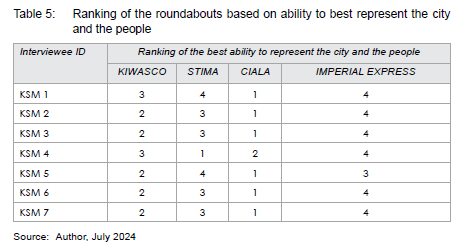
Based on a ranking scale from 1=the best, and 4=the least, CIALA branding roundabout is the best in representing the urban landscape identity and image of Kisumu City (see Table 5).
The interviewees were asked to explain their reasons for ranking a roundabout as number 1. The selected responses were as follows:
KSM 4 believes that urban identity and theimage of Kisumu City are best represented by STIMA Sacco roundabout. She elucidates by stating that:
"It expresses what the city is known for in terms of economic aspects; fishing, proximity to a water body (Lake Victoria) and the culture of the Luos as fish lovers" (KSM 4).
KSM 5 believes the urban landscape identity and image of Kisumu City is best represented by CIALA roundabout beautification. He states that:
"The statue of the fish shows the main staple food for the local people today and from time immemorial" (KSM 5).
KSM 7 believes that the urban landscape identity and image of Kisumu City is best represented by CIALA roundabout beautification. He elucidates by stating that:
"The Ciala Resort branding roundabout has a wider diameter hence more area that could be used to integrate diverse aspects. Luos, who are the native ethnic community of Kisumu are known for fishing which is well captured at the roundabout through the fish sculptures erected at the center of the roundabout. Also, the location of the roundabout, that is, near the lake, on a highway and close to the airport exit, makes it ideal for demonstrating Kisumu's cultural, economic and social aspects" (KSM 7).
From the researcher's field investigation and the responses from the seven interview respondents, it is evident that the four roundabouts that were purposively selected have various sculptures, water features, and other landscape elements that represent the urban landscape identity in terms of physical aspects, socio-economic aspects and meaning aspects. The researcher argues that landscape branding can create a mutually beneficial situation, where corporations gain exposure through brand placement while the city and its residents benefit from more attractive, visually appealing public spaces that promote the urban landscape identity and image of the city.
6. DISCUSSION
6.1 CSR landscape branding projects and its challenges
A study by K'oyoo (2023b) in Kisumu City found that, following the installation of sculptures and other artistic elements within roundabouts and road islands, respondents perceived the city as more visually appealing, noting the enhanced physical beauty and artistic value of these landscape elements. The study suggested that these beautification initiatives had a positive impact on the city's vegetation, monuments, and sculptures, contributing to the overall aesthetic improvement of the urban environment. Vela et al. (2017) argue that landscape branding in attractive urban environments may convince public awareness and appreciation, encouraging the preservation of such spaces and contributing to sustainability and improved quality of life. This optimistic view contrasts with the reality in Kisumu, where public green spaces, rather than being protected, are increasingly targeted by vandalism, mainly by the very communities that are supposed to preserve them.
Numerous and complex challenges are associated with these CSR projects, as reported by the CoK official. Several projects, despite initial enthusiasm, failed to achieve their intended beautification goals, due to unsuitable locations, particularly those prone to road accidents. An example is the Coptic roundabout on Kisumu-Kakamega Road, where the proposed beautification project was never fully implemented. Although a private entity had been nominated to carry out the work, the frequent accidents in the area, caused by vehicles losing control on the downhill slope, make the beautification efforts unsustainable. At the time of the study, the roundabout remained devoid of any beautification elements (CoK, 2019).
Another significant challenge noted by a CoK official concerns the Kondele roundabout, where landscape branding efforts were frequently undermined by public demonstrations and vandalism. The initial private partner's involvement faced strong resistance from the local population, which led to a shift in CSR implementation strategies. At the time of the study, the CoK was in the process of selecting a new CSR implementer, hoping to avoid further public opposition (CoK, 2019). On-site observations revealed a deteriorating roundabout, plagued by littering, open urination, and ongoing vandalism of the soft landscaping elements that had been carefully established and maintained in the past. In addition, the roundabout's green spaces were compromised by the extensive shading from an overhanging road flyover, limiting sunlight and hindering the growth of lawns.
Another key issue identified by the CoK official was the turnover of CSR implementers, which disrupted the continuity of maintenance efforts. A particular case involved a roundabout where management changes led to inconsistent upkeep, resulting in a neglected urban space. During site visits, the researcher observed a rundown, untidy environment, with visible signs of neglect, including litter, vandalised landscaping, and the presence of street urchins from nearby informal settlements. The CoK official corroborated these findings, noting that the site was frequently targeted by vandals, particularly street children. Furthermore, the landscape design remained incomplete, with significant features such as a water fountain left unfinished since the project's inception in 2020.
The lack of security was also highlighted as a critical barrier to effective place-keeping. The Skylark roundabout, located near Kisumu's main bus station, faced persistent vandalism, especially during times of political unrest. Despite high-quality implementation, including the installation of a water feature and fish sculpture, these elements were repeatedly damaged or stolen. Notably, the sculpture was vandalised during a public demonstration, showing the lack of public awareness of the value and importance of these beautification efforts for Kisumu's image and identity.
These challenges point to a broader issue of urban space management in Kisumu, where initial investments in beautification have not been supported by adequate maintenance or long-term care. The researcher argues that regular maintenance is critical to ensuring the sustainability of these projects and preventing a return to urban decay. A more robust framework for ongoing care, including cleanliness, landscaping upkeep, and protection against vandalism, is essential to preserving the visual appeal and functionality of these urban spaces.
6.2 Sustainability in CSR projects and public participation
This article posits that the sustainability of CSR initiatives hinges on the development of clear and robust maintenance plans by both corporate entities and local governments. Ayeni and Olalusi (2011) examined the allocation of funds for the maintenance of landscaping and beautification projects in Nigeria, revealing a significant gap in the planning for long-term sustainability. The study found that, despite the initial implementation of such projects, no strategic frameworks for maintenance were in place, which undermined the sustainability of the landscaping efforts. Effective management strategies for both natural and man-made elements of these projects are critical to ensuring their longevity. One example of a sustainable CSR initiative is the Schools Connect Project by the MTN Foundation in Nigeria, as highlighted by Adeyanju (2012). This project involved the beautification of a football pitch, one of the city's green open spaces, with the aim of generating revenue through its rental. This revenue model provided an economic incentive to maintain the facility, thereby ensuring the project's sustainability. This approach emphasises the importance of integrating financial sustainability into CSR projects, particularly in urban development initiatives.
By contrast, Wentzel et al. (2024) identified several challenges faced by SMEs in South Africa, particularly within the construction industry, when implementing CSR projects. These challenges included a lack of integration between CSR initiatives and business objectives, limited financial resources, inadequate CSR skills and knowledge, and the volatile economic environment. These factors often hindered the successful implementation and sustainability of CSR programmes.
Respati et al. (2020) argue that enhancing the quality of green open spaces through CSR should be framed as a city policy mechanism, requiring a model that incorporates sustainable development principles. They advocate for a community involvement model, which includes negotiation, planning, implementation, and ongoing maintenance of green spaces. This approach aligns with Stewart et al. (2019), who assert that CSR beautification projects driven by a people-led approach tend to encourage greater ownership and commitment among local communities. When local residents are involved in the planning and execution of such projects, they are more likely to take responsibility for the upkeep and long-term sustainability of these spaces.
Bhardwaj and Bara (2024) further emphasise the importance of community-centric design in beautification projects, arguing that such an approach not only enhances the quality of urban spaces but also strengthens civic engagement and stewardship.
In Kisumu, a study by K'oyoo (2022) found that the vast majority of residents were neither aware of nor involved in the public consultations related to the roundabout beautification projects and other public green spaces in the road islands as part of the city's renewal initiatives. This lack of public participation during the initiation and implementation phases raises concerns about the long-term sustainability of these projects. However, in the case of the Kondele roundabout landscaping project, the public was engaged through a Public-Private-People Partnership (PPPP) model (K'oyoo, 2023c). According to a City of Kisumu (CGK) official, part of the agreement was that the public would take on responsibility for the regular maintenance of the project after its completion. Despite this, the official noted that challenges in public participation such as unclear agreements on roles and responsibilities could hinder the effectiveness of the initiative and slow down implementation.
K'oyoo (2022 as well as Bhardwaj and Bara (2024) support the idea that public involvement in the caretaking of urban spaces encourages a sense of attachment and responsibility, which can lead to greater community engagement in urban issues. They argue that beauty in public spaces should not only serve aesthetic purposes but should also cultivate civic responsibility and a shared sense of ownership and pride within communities.
6.3 Promoting and enhancing urban landscape identity through beautification
Four roundabouts as part of the open green spaces that underwent beautification through CSR as part of the city's upgrading during the renewal were purposively selected to be analysed in terms of design that promotes the urban landscape identity of the city. Key landscaping features analysed include both soft elements (such as trees, shrubs, ground covers, and grass) and hard elements (including retaining walls, paving, water features, sculptures, lighting, railings, and planters). This approach aligns with contemporary research emphasising the role of green spaces in urban branding, as noted by Hussain (2023). However, it diverges from studies that often focus solely on iconic architecture as a branding tool, instead highlighting the broader significance of public open spaces in shaping urban identity. This perspective is supported by recent literature advocating for a multidimensional approach to urban beautification, which encompasses social, environmental, and economic factors.
Sabouri et al. (2015) argue that sculptures, as integral elements of public space, can have a positive impact on urban environments by enhancing citizens' visual culture and encouraging a stronger sense of place. Sculptures, as memorable landmarks, not only serve to beautify but also to imbue spaces with identity and character, contributing to a special 'spirit of place'. Ziyaee (2018) suggests that the physical elements that form landscape identity are both natural and human-made, with public spaces such as parks adorned with artistic sculptures or fountains playing a critical role in shaping urban landscapes.
K'oyoo (2023b) explored the impact of urban renewal on Kisumu City's landscape identity, finding that both natural and man-made elements significantly contributed to the city's evolving urban image. As part of the renewal efforts, the transformation of public green spaces within the CBD emerged as a key factor in reshaping Kisumu's visual identity. The integration of street features, which are crucial elements of the built environment, also played a pivotal role in influencing the city's landscape identity and overall image (K'oyoo & Breed, 2023).
While Kisumu City had a distinctive identity prior to the renewal project, K'oyoo and Breed (2023) concluded that the various urban renewal efforts resulted in the creation of a new urban identity. The physical alterations to public spaces, along with improvements in safety and organisation, positively impact on the city's landscape identity, creating a more structured and visually appealing urban environment. These changes were seen as vital in enhancing Kisumu's overall image, as they provided a clearer sense of order and urban functionality.
K'oyoo and Breed (2023) emphasised the importance of vegetation and monuments in contributing to the city's image. Monuments, in particular, carried strong symbolic value and were associated with both individual and collective memories that played a significant role in shaping the city's identity. This aligns with Sheijani et al.'s (2022) framework for landscape branding, which includes eight key dimensions. In applying this framework, the present study highlights the historical dimension of urban memory and identity, as explored in a recent case study by K'oyoo and Breed (2024) in Kisumu. Their research revealed that, while respondents primarily focused on built structures to reflect historical developments and urban memory, there was little emphasis placed on the city's open spaces, such as Lake Victoria, street landscaping, or the beautified roundabouts and urban parks. Moreover, upgrading efforts and economic investments - improving urban functionality - were prioritised over aspects of memory and identity that create a sense of belonging among residents.
This showed that urban residents were not only concerned with memory and identity but also supported the physical functions and socio-economic benefits that urban renewal brings. The authors concluded that this is a phenomenon of developing countries where globalisation often influences urban development priorities (K'oyoo & Breed, 2024).
7. CONCLUSIONS AND RECOMMENDATIONS
The aim of this study was to examine the spatial attributes of beautification projects in Kisumu City, assess their current status in terms of cleanliness, safety, and maintenance, and identify the challenges encountered in implementing these CSR initiatives. This research is particularly timely, as there is a limited body of literature addressing city branding through CSR, particularly from a landscape perspective. The study argues that CSR-led beautification projects have the potential to significantly enhance urban landscape identity and corporate branding; however, their success is contingent on effective maintenance, community involvement, and the resolution of safety-related issues. The findings are valuable for policymakers in Kenya's devolved government, particularly as the 47 counties seek to enhance their economies and promote the image of their expanding cities. By elevating the value of 'landscape' in urban development, nature stands to benefit, as increased investment in the protection and preservation of open green spaces becomes more critical, given the rapid urbanisation in many African cities.
The study contributes to the theoretical body of knowledge on urban beautification and landscape identity, with particular emphasis on the role of CSR in the development of public open green spaces. While there is a paucity of research on this subject in the Global South, especially in Africa, the findings from Kisumu provide valuable insights into the potential of CSR-driven beautification projects to influence urban identity. Moreover, this research shows the importance of maintaining the uniqueness and distinctiveness of cities through the strategic use of sculptures and other landscape elements in urban beautification efforts.
The study also offers practical implications for the future development of urban landscape identity. It highlights the need for continued research on the role of CSR in promoting and enhancing urban landscapes through beautification projects. The findings from Kisumu can serve as a reference for future studies, Alling a gap in the literature on landscape identity in the context of the Global South.
Based on the findings, the following recommendations are proposed for enhancing the effectiveness and sustainability of CSR-driven urban beautification projects:
1. Planned beautification of urban spaces: There should be a strategic and intentional beautification of public open spaces along key urban paths and nodes that are currently underutilised, particularly those identified as 'urban voids'. This will contribute to the enhancement of urban landscape identity across the city.
2. Recognising the symbolic value of landscape: Policymakers and urban planners should better understand the symbolic value of landscape elements within the city. This includes adopting place branding strategies that incorporate landscape beautification in both public and private spaces as a means of promoting urban identity.
3. Adherence to CSR implementation standards: CSR implementers must ensure that they adhere to established agreements with local authorities, such as the CoK, to ensure that both soft and hard landscaping elements are properly established and maintained. High-quality workmanship in the installation of landscaping features is essential for creating an attractive and well-maintained urban environment.
4. Collaboration for security and protection: There should be greater collaboration between CSR implementers and local authorities, particularly the CoK, to ensure the protection of beautified urban spaces. Joint efforts should focus on preventing vandalism and safeguarding infrastructure, which will help to sustain the improvements and prevent the deterioration of public open spaces.
5. Stakeholder engagement for environmental stewardship: Local authorities such as the CoK should facilitate and promote meaningful engagement with a broad range of stakeholders, including the general public, local community groups, and NGOs to encourage environmental stewardship and ensure the protection of urban public assets. This collaborative approach will help safeguard the integrity of beautified urban spaces and improve the city's image.
6. Promoting environmental education and awareness: CoK should support environmental education and awareness programmes that emphasise the importance of CSR in urban place-making. Such programs should highlight how beautification efforts contribute to the enhancement of urban landscape identity and the overall branding of the city.
7. Encouraging public participation in urban landscaping: Engaging the community in the planning, implementation, and maintenance of green spaces such as parks, road islands, and other urban green infrastructure is crucial for creating a sense of ownership and pride in the city's landscape.
While this study provides valuable qualitative insights into CSR-driven urban beautification, further research using quantitative methods is recommended to substantiate claims regarding the impact of these projects on urban landscape identity and community well-being. Future studies could explore the economic implications of CSR-led beautification projects, including cost-benefit analyses and potential economic returns for the corporate entities involved. Additionally, research into the socio-political dynamics that influence the success and sustainability of CSR initiatives in urban contexts would provide a deeper understanding of the factors that shape the effectiveness of such projects.
REFERENCES
2. LITERATURE REVIEW
- Adeyanju, D.O. 2012. An assessment of the impact of corporate social responsibility on Nigerian society: The examples of banking and communication industries. Universal Journal of Marketing and Business Research, 1(1), pp. 017-043.
- AFD (Agence Française de Développement). 2013. Kisumu: ISUD-Plan: Part 1. Integrated Strategic Urban Development Plan: Understanding Kisumu. Kisumu: AFD.
- Ayeni, D.A. & Olalusi, C.A. 2011. Sustained beautification of Nigerian cities through landscaping: The case of Akure. In: Laryea, S. (Ed.). Proceedings 4th West Africa Built Environment Research (WABER) Conference, 24-26 July, Abuja, Nigeria, pp. 345-354.
- Bhardwaj, S. & Bara, A.H. 2024. Beyond visual appeal: A multidimensional approach to city beautification in India. Journal of Advanced Research in Humanities and Social Sciences, 11(1), pp. 1-5.
- Chan, A., Surayadipura, D. & Kostini, N. 2021. City image: City branding and city identity strategies. Review of Integrative Business and Economics Research, 10(1), pp. 330-341.
- COK (City of Kisumu), Kisumu Urban Project. 2019. Situational Analysis Report. Preparation of local physical development plans for Kisumu City.
-
Drisko, J.W. & Maschi, T. 2016. Content analysis. Oxford, UK: Oxford University Press. https://doi.org/10.1093/acprofioso/9780190215491.001.0001
» https://doi.org/10.1093/acprofioso/9780190215491.001.0001 -
Gill, D. & Kathuria, I. 2014. Corporate social responsibility: A case study on Sahara India Pariwar. International Research Journal of Management Sociology and Humanities, 5(6), pp. 17-26. https://doi.org/10.32804/IRJMSH
» https://doi.org/10.32804/IRJMSH -
Guest, G., Bunce, A. & Johnson, L. 2006. How many interviews are enough? An experiment with data saturation and variability. Field Methods, 18(1), pp. 59-82. https://doi.org/10.1177/1525822X05279903
» https://doi.org/10.1177/1525822X05279903 -
Hussain, M. 2023. Chief executive officer ability and corporate environmental sustainability information disclosure. Business Ethics, 32(1), pp. 24-39. https://doi.org/10.1111/beer.12485
» https://doi.org/10.1111/beer.12485 -
K'oyoo, E.O. 2022. The influence of public participation on preservation of urban landscape identity in the context of urban renewal: A case study of Kisumu City, Kenya. Landscape Architecture and Regional Planning, 7(4), pp. 57-69. doi=10.11648/j.larp.20220704.13
» https://doi.org/10.11648/j.larp.20220704.13 -
K'oyoo, E.O. 2023a. Use of photo-elicitation interviews to explore urban landscape identity in the context of urban renewal changes: A case of Kisumu City, Kenya. Acta Structilia, 30(2), pp. 35-60. DOI: https://doi.org/10.38140/as.v30i2.7477
» https://doi.org/10.38140/as.v30i2.7477 -
K'oyoo, E.O. 2023b. Impact of urban renewal changes on urban landscape identity: Case study of Kisumu City, Kenya. Acta Structilia, 30(1), pp. 156-185. https://doi.org/10.38140/as.v30i1.7036
» https://doi.org/10.38140/as.v30i1.7036 -
K'oyoo, E.O. 2023c. Exploring and documenting urban renewal projects in Kisumu City, Kenya, with emphasis on preservation of urban landscape identity. East African Journal of Engineering, 6(1), pp. 188-215. https://doi.org/10.37284/eaje.6.1.1609
» https://doi.org/10.37284/eaje.6.1.1609 -
K'oyoo, E.O. & Breed, C.A. 2023. Capturing landscape identity in the context of urban renewal: The case study of Kisumu City, Kenya. Town and Regional Planning Journal no. 83, pp. 18-32. https://doi.org/10.38140/trp.v83i.7469
» https://doi.org/10.38140/trp.v83i.7469 -
K'oyoo, E.O. & Breed, C.A. 2024. Urban memory and identity weighed against economic investment in urban renewal projects: A case of Kisumu City, Kenya. Acta Structilia, 31(1), pp. 84-119. https://doi.org/10.38140/as.v31i1.7930
» https://doi.org/10.38140/as.v31i1.7930 -
Lorincz, K., Jakab, E.K., Szabo, R. & Csapo, J. 2021. Green branding as a tool and future potential for destination marketing: Implications from a case study in Veszprem, Hungary. Society and Economy, 43(3), pp. 253-269. https://doi.org/10.1556/204.2021.00010
» https://doi.org/10.1556/204.2021.00010 - Maessen, R., Wilms, G. & Walters, L. 2008. Branding our landscapes: Some practical experiences from the lifescape project. 6th European IFSA Symposium, 6-10 July, Clermont-Ferrand, France, pp. 551-561.
-
Mason, M. 2010. Sample size and saturation in PhD studies using qualitative interviews. Qualitative Social Research, 11(3), pp. 1-19. https://doi.org/10.17169/fqs-11.3.1428
» https://doi.org/10.17169/fqs-11.3.1428 - Merriam, S.B. & Tisdell, E.J. 2016. Qualitative research: A guide to design and implementation. San Francisco, CA: Jossey-Bass.
-
Morse, J.M. 2000. Determining sample size. Qualitative Health Research, 10(1), pp. 3-5. https://doi.org/10.1177/104973200129118183
» https://doi.org/10.1177/104973200129118183 -
Purnamawati, I. 2023. Strengthening the role of corporate social responsibility in the dimensions of sustainable village economic development. Heliyon, 9(4), article e15115, https://doi.org/10.1016/j.heliyon.2023.e15115
» https://doi.org/10.1016/j.heliyon.2023.e15115 -
Respati, W., Suhartono, T., Sulaksono, A. & Wikananda, T. 2020. Corporate social responsibility (CSR) model in improving the quality of green open space (GOS) to create a livable city. In: Orlando, B. (Ed.). Corporate social responsibility. Ebook. https://doi.org/10.5772/intechopen.94481
» https://doi.org/10.5772/intechopen.94481 -
Riza, M., Doratli, N. & Mukaddes, F. 2012. City branding and identity. Asia Pacific International Conference on Environment-Behaviour Studies, 7-9 December, Famagusta, North Cyprus. Procedia - Social and Behavioral Sciences, 35, pp. 293-300. https://doi.org/10.1016/j.sbspro.2012.02.091
» https://doi.org/10.1016/j.sbspro.2012.02.091 - Sabouri, M., Yousefi, M.S. & Yousefii, F.S. 2015. Role of urban sculptures in beautification and improvement of quality of urban spaces (Case study: Fuman County). Science Journal, 36(3), pp. 4070-4082.
-
Sheijani, S.S., Bemanian. M.R., Rafieian, M. & Yeganeh, M. 2022. Determining landscape branding indicators at two levels of dimensions and components. Journal of Geographical Urban Planning Research, 10(4), pp. 197-210. http://doi.org/10.22059/JURBANGEO.2022.344082.1703
» http://doi.org/10.22059/JURBANGEO.2022.344082.1703 -
Stewart, W.P., Gobster, P.H., Rigolon, A., Strauser, J., Williams, D.A. & Riper, C.J. 2019. Resident-led beautification of vacant lots that connects place to community. Landscape and Urban Planning, 185, pp. 200-209. https://doi.org/10.1016/j.landurbplan.2019.02.011
» https://doi.org/10.1016/j.landurbplan.2019.02.011 -
Tobias, S. & Wahl, P.M. 2019. Can place branding support landscape conservation in city-regions? A case study from Switzerland. Land, 30(1), pp. 266-275. https://doi.org/10.1016/j.landusepol.2012.03.021
» https://doi.org/10.1016/j.landusepol.2012.03.021 -
Tokat, E. 2018. Iconic structures in the context of urban identity and branding. Atlas International Referred Journal on Social Sciences, 4(9), pp. 421-426. https://doi.org/10.31568/atlas.92
» https://doi.org/10.31568/atlas.92 -
United Nations. 2018. Sustainable development goals. [Online]. Available at: www.un.org/sustainabledevelopment [Accessed: 16 August 2024].
» www.un.org/sustainabledevelopment -
Vela, J.S.E., Nogue, J. & Govers, R. 2017. Visual landscape as a key element of place branding. Journal of Place Management and Development, 10(1), pp. 23-24. https://doi.org/10.1108/JPMD-09-2016-0060
» https://doi.org/10.1108/JPMD-09-2016-0060 -
Wentzel, L., Fapohunda, J.A. & Haldenwang, R. 2022. The relationship between the integration of CSR and sustainable business performance: Perceptions of SMEs in the South African construction industry. Sustainability, 14(1049), pp. 1-22. https://doi.org/10.3390/su14031049
» https://doi.org/10.3390/su14031049 -
Wentzel, L., Fapohunda, J. & Haldenwang, R. 2024. Challenges in implementing corporate social responsibility: A study of SMES in South Africa's construction industry. Acta Structilia, 31(1), pp. 159-193. https://doi.org/10.38140/as.v31i1.7826
» https://doi.org/10.38140/as.v31i1.7826 - Yin, R.K. 2003. Case study research design. London: Sage.
-
Yong, S., Ng, D.C.W. & Poh, W.S. 2023. Visual representation for city branding and identity. International Journal for Multidisciplinary Research, 5(3), pp. 1-8. https://doi.org/10.36948/ijfmr.2023.v05i03.4159
» https://doi.org/10.36948/ijfmr.2023.v05i03.4159 -
Ziyaee, M. 2018. Assessment of urban identity through a matrix of cultural landscapes Cities, 74, pp. 21-31. https://doi.org/10.1016/j.cities.2017.10.021
» https://doi.org/10.1016/j.cities.2017.10.021
Peer reviewed and revised: October 2024
Published: December 2024