User satisfaction in temporary housing units: the case of Diyarbakir container city, Turkey
Abstract
The evaluation of user satisfaction in temporary housing units, particularly in the container city established in Diyarbakir following the Kahramanmaraş earthquake on 6 February 2023, presents a critical area of study in post-disaster recovery efforts. The aftermath of natural disasters often necessitates the rapid deployment of temporary housing solutions such as container cities. However, there is a significant gap in the comprehensive and timely evaluation of user satisfaction in these newly established settlements, particularly in the context of the recent Kahramanmaraş earthquake in Turkey. This research aims to address this knowledge gap, by assessing user satisfaction levels across various aspects of the container city in Diyarbakir, including social amenities, technical infrastructure, housing units, and sociocultural relations. By examining these factors, the study seeks to provide valuable insights for disaster management authorities, urban planners, and policymakers involved in post-disaster recovery. The study seeks to identify specific areas of high and low satisfaction among residents, analyse the relationship between physical design elements and user satisfaction and explore the sociocultural factors influencing residents' experiences. The flndings of this research are expected to contribute to the improvement of future temporary housing solutions, emphasising the importance of considering both physical and sociocultural aspects in disaster recovery planning. Through this comprehensive evaluation, the study aims to enhance the overall effectiveness and user experience of temporary housing initiatives in post-disaster scenarios.
container city; disaster management; disaster recovery planning; earthquake; post-disaster recovery; post-disaster housing; prefabricated housing; user satisfaction; temporary housing units
Abstract
Die evaluering van gebruikerstevredenheid in tydelike wooneenhede, veral in die houerstad wat in Diyarbakir gevestig is na die aardbewing in Kahramanmaraş op 6 Februarie 2023, bied 'n kritieke studiegebied in herstelpogings na rampe. Die nasleep van natuurlike rampe vereis dikwels die vinnige implementering van tydelike behuisingsoplossings, soos houerstede. Daar is egter 'n beduidende gaping in die omvattende en tydige evaluering van gebruikerstevredenheid in hierdie nuutgestigte nedersettings, veral in die konteks van die onlangse aardbewing in Kahramanmaraş in Turkye. Hierdie navorsing poog om hierdie kennisgaping aan te spreek deur gebruikerstevredenheidsvlakke oor verskeie aspekte van die houerstad in Diyarbakir te bepaal, insluitend sosiale geriewe, tegniese infrastruktuur, wooneenhede en sosiokulturele verhoudings. Deur hierdie faktore te ondersoek, poog die studie om waardevolle insigte te bied vir rampbestuursowerhede, stedelike beplanners en beleidmakers wat betrokke is by die herstel na rampe. Die studie poog om spesifieke areas van hoë en lae tevredenheid onder inwoners te identifiseer, die verband tussen fisiese ontwerpelemente en gebruikerstevredenheid te analiseer en die sosiokulturele faktore wat inwoners se ervarings beïnvloed, te ondersoek. Die bevindings van hierdie navorsing behoort by te dra tot die verbetering van toekomstige tydelike behuisingsoplossings en beklemtoon die belangrikheid daarvan om sowel fisiese as sosio-kulturele aspekte in rampherstelbeplanning in ag te neem. Deur hierdie omvattende evaluering is die doel van die studie om die algehele doeltreffendheid en gebruikerservaring van tydelike behuisingsinisiatiewe in na-ramp scenario's te verbeter.
1. INTRODUCTION
Similar to many other nations, Turkey has experienced both natural and anthropogenic disasters. The country's geological characteristics contribute to frequent seismic events, which often result in significant loss of life and property. In the aftermath of such natural disasters, both domestically and globally, various forms of temporary housing are employed until permanent accommodation can be established (Abanoz & Vural, 2023). Container cities, which are swiftly constructed to address the immediate need for temporary housing post-disaster, facilitate communal living for a substantial number of individuals. These temporary housing units provide essential shelter for disaster victims, addressing both their physical and psychological needs (Abanoz & Vural, 2023). When designing temporary housing areas, it is imperative to consider factors such as protection, security, privacy, comfort, living standards, adequate size, location, thermal and acoustic performance, lighting, ventilation, and durability (Felix et al., 2013; Avlar, Limoncu & Tizman, 2022). However, many existing implementations fall short in meeting these standards, often prioritising speed and cost over quality of life, resulting in environments that lack adequate privacy, comfort and long-term habitability.
Emergency shelters are integral to post-disaster recovery, offering essential life support and facilitating the recovery process. The planning of these shelters entails complex considerations, including location selection, evacuee allocation, and time-varying shelter demands (Zhao et al., 2017). Post-disaster emergency housing and sheltering encompass various stages and approaches ranging from immediate and short-term refuge to extended stays in temporary housing (Quarantelli, 1995). The post-disaster housing reconstruction process typically involves multiple stages, including emergency shelters, temporary shelters, temporary housing, and permanent housing (Sutley & Hamideh, 2020). However, recent research has challenged this traditional four-stage typology, suggesting that the process is more complex and unequal. Some households may fail to reach stable housing, underscoring the need for a more nuanced understanding of the recovery process (Sutley & Hamideh, 2020).
The severe impact of disasters, particularly earthquakes, in Türkiye compels numerous families to reside in temporary housing units for an average of three to five years (Ergünay, 2017; AFAD, 2023). Following natural disasters, many individuals lose their homes and living spaces, where they have previously felt secure. Furthermore, the transition to permanent housing spans several years. These challenges extend the normalisation process for disaster victims, complicating their adaptation. Consequently, it is imperative to design spaces that address both the psychological and physical needs of disaster victims through effective and well-conceived temporary housing units (Abanoz & Vural, 2023). In post-disaster reconstruction, the utilisation of "container" temporary housing units is frequently observed because of their robust structure, modular application, and cellular nature (Ayvaz & Arpacioğlu, 2024). Following the 6 February 2023 earthquake, temporary container housing was established in Diyarbakir to shelter displaced residents. Despite the near-completion of permanent housing, these temporary units remain in use, indicating possible challenges in relocation and recovery processes. This study aims to evaluate satisfaction with temporary housing units, by focusing on the human experience, including residents' comfort, privacy, habits, and sense of belonging, which are often overlooked but critical for recovery. Unlike many evaluations of post-disaster housing that concentrate solely on technical or logistical issues, this research examines users' perspectives on social facilities, technical infrastructure, spatial needs, and sociocultural aspects. In addition, the study seeks to identify challenges residents face and propose solutions, emphasising the importance of understanding the holistic experience of those living in temporary housing. The primary research question is: What are the satisfaction levels for different aspects of the container city?
The originality of this study lies in providing a comprehensive assessment of a recently established container city and offering current insights into user experience and needs in post-disaster temporary housing. It examines multiple aspects of user satisfaction, including social amenities, technical infrastructure, housing units, and sociocultural relations. The study identifies specific challenges faced by residents in adapting to life in a container city and emphasises the importance of considering both physical and sociocultural aspects in post-disaster recovery planning. The study provides critical insights for future disaster planning, by assessing the effectiveness of current container cities and offering evidence-based recommendations to improve the design, planning, and policy of temporary housing, particularly in seismically active regions such as Türkiye. The findings hold substantial policy relevance, presenting practical recommendations for municipal authorities, urban planners, disaster relief agencies such as AFAD (Disaster and Emergency Management Presidency) and NGOs (non-governmental organisations). These insights contribute to the development of more responsive and adaptive shelter solutions, ultimately enhancing the quality of life for individuals displaced by natural disasters.
2.1 Planning of temporary housing units
Planning temporary housing must account not only for the units themselves but also for their spatial and social context. It is important to consider structures together with their surroundings, as well as an adequately sized, locally integrated, sustainable, and economical unit that is suitable for users' needs and cultural structures (Avlar et al., 2022). The location of units and the design of public spaces such as squares, parks, and gardens are decisive in providing socialisation opportunities for disaster victims (Avlar et al., 2022).
Ayvaz and Arpacioğlu (2024) emphasise context-sensitive design, aimed to improve the spatial quality of life in terms of quality and usability, by developing container models based on user characteristics and family size informed by past earthquake experiences. Süzer and Yamaçli (2024) examined the concept of temporary housing and sustainability after disasters, developing recommendations for temporary housing based on evaluations of the 1999 Marmara and 2023 Kahramanmaraş earthquakes.
Equity in recovery is another central concern. Case studies have revealed different approaches to reconstruction, emphasising the importance of considering both immediate housing needs and long-term urban planning in post-disaster recovery (Tumini et al., 2017). The recovery process can be uneven across different neighborhoods, with rental units and homes in low-income and minority areas often recovering more slowly (Zhang & Peacock, 2009). This disparity highlights the need for equitable disaster recovery planning that addresses the needs of all community members, particularly those who may be more vulnerable or marginalised.
Social factors significantly influence the provision of emergency shelter and housing services, with differential access based on social class, ethnicity, and other demographic characteristics (Bolin & Stanford, 1991). Past disasters such as Hurricane Katrina have exposed significant gaps in planning and implementation, highlighting coordination failures in intergovernmental planning and execution of shelter and housing solutions (Nigg, Barnshaw & Torres, 2006). These experiences highlight the need for improved coordination and communication between different levels of government and various stakeholders involved in disaster response and recovery.
2.2 Constructing temporary housing units
Prefabricated modular structures have emerged as time-efficient solutions for post-earthquake emergency housing and shelters. These structures can significantly reduce the time required to provide permanent housing, which is crucial for restoring livelihoods as quickly as possible (Gunawardena et al., 2014). The use of prefabricated structures allows for rapid deployment and assembly, potentially reducing the time families spend in temporary shelters and expediting their return to normalcy.
However, studies have also revealed the complexities in implementing post-disaster housing solutions. Research on post-disaster housing in Sri Lanka and other contexts has revealed that shelter policies and programmes often prioritise the provision of physical structures, while overlooking higher order objectives such as community cohesion, psychosocial well-being, livelihood restoration, and cultural continuity (Duyne Barenstein & Pittet, 2020; Johnson, Lizarralde & Davidson, 2022). These higher order dimensions are essential for facilitating long-term resilience and ensuring that housing reconstruction supports not only survival but also social recovery and a renewed sense of belonging.
Effective emergency shelter planning should consider factors such as accessibility, capacity, and the specific needs of different population groups to ensure equitable and efficient recovery. This may include considerations for individuals with disabilities, the elderly population, families with young children, and other vulnerable groups. A multi-stakeholder collaborative approach involving full resident participation across all stages of reconstruction is essential (Xu, Xu & Lu, 2016).
Empirical studies have critically assessed the efficacy of temporary and transitional housing in post-disaster contexts, revealing both achievements and persistent shortcomings. Through a survey of residents in the container city established in the Beydaği Neighborhood of Malatya following the Kahramanmaraş earthquake on 6 February 2023, Düzleme and Demircan (2024) found that, while the units met minimum structural and safety standards, they often fell short in thermal comfort, privacy, and accessibility, underscoring the gap between regulatory compliance and actual livability. Gün (2023) analysed the spatial conditions of post-disaster temporary housing and concluded that layouts frequently failed to support social interaction, psychological comfort, and everyday functionality, revealing the limitations of one-size-fits-all spatial planning in diverse sociocultural contexts. Abanoz and Vural (2023) examined the structural, performance, and usage characteristics of temporary housing and developed a performance-based model for future projects; their findings highlight the need for modular, adaptable designs that can evolve over time and better respond to user feedback.
In an international context, Sanderson et al. (2014) evaluated the transitional shelters (T-shelters) deployed after the 2010 Haiti earthquake and reported that, although they provided rapid relief and improved safety compared to tents, many were unsuitable for long-term habitation, due to poor durability, inadequate maintenance, and lack of integration with permanent reconstruction plans. Similarly, based on field studies of post-earthquake housing in China, Yu et al. (2016) identified cost-effective interior improvements such as better insulation, ventilation and spatial organization, that significantly enhanced occupant satisfaction and energy performance without major financial investment.
Across these studies, a consistent lesson emerges that temporary housing must move beyond the minimum threshold of shelter provision toward adaptive, human-centred design frameworks that account for social needs, climatic conditions, cultural practices, and long-term usability. The success of post-disaster housing thus depends not merely on speed and cost efficiency, but also on the integration of spatial, social and psychological dimensions into planning and design.
2.3 Psychological and thermal comfort of temporary housing units
The psychological impact of prolonged residence in temporary housing is an important consideration in post-disaster recovery planning. A study following the Great East Japan earthquake found that extended stays in prefabricated temporary housing were associated with higher psychological distress among disaster survivors (Tanji et al., 2018). Similarly, in the aftermath of the 2023 Kahramanmaraş earthquakes, residents of container settlements in Hatay exhibited significant symptoms of post-traumatic stress disorder (PTSD) and depression one year after the disaster, underscoring the need for early psychosocial interventions in temporary housing environments (Yilmaz & Erdem, 2025). However, social support plays a protective role. Among the survivors of the Great East Japan earthquake and tsunami relocated to temporary housing, those receiving or providing social support experienced reduced psychological distress (Koyama et al., 2014).
In addition to psychological well-being, thermal comfort is a critical determinant of residents' overall satisfaction and health in temporary shelters. Container-type temporary housing, widely used after the 2023 earthquakes in Türkiye, typically consists of prefabricated steel modules with thin insulation layers, metal exterior cladding, and limited natural ventilation. Their rectilinear form, small internal volume (generally 212-8 per unit), and high thermal conductivity of steel create significant challenges for maintaining indoor comfort in both hot and cold climates. In summer, inadequate shading and insufficient roof insulation often lead to indoor overheating, while in winter, rapid heat loss causes discomfort and reliance on inefficient heating solutions (Afshari & Ramirez, 2021). Moreover, the limited number and size of openings constrain daylight access and air circulation, which can exacerbate feelings of confinement and stress among residents, thereby linking physical design constraints with psychological distress.
Thapa et al. (2019) conducted field measurements in Nepal following the 2015 earthquake and emphasised that thermal comfort must be treated as a design priority in post-disaster housing, not an afterthought. Their findings suggest that design factors such as insulation quality, ventilation, and spatial layout directly affect both physical and psychological well-being. Similarly, improving the environmental performance of container housing through passive ventilation, better insulation materials, and flexible spatial arrangements could enhance the livability and resilience of temporary settlements in disaster-affected regions.
2.4 Sustainability, climate adaptation, and sociocultural factors
Integrating sustainability and climate adaptation principles into temporary housing is critical to strengthening both immediate post-disaster recovery and long-term community resilience. Sustainable shelter design should not only provide rapid, safe accommodation, but also minimise environmental impact through the use of locally sourced, recyclable materials, energy-efficient systems, and climate-responsive architecture (Arslan & Coşkun, 2008). Such approaches align with the 'Build Back Better (BBB)' paradigm, which redefines reconstruction as an opportunity to embed sustainability, resilience, and social equity into the rebuilding process.
Originally introduced by William Clinton in 2006 and institutionalised in the 2015-2030 Sendai Framework for Disaster Risk Reduction, the BBB principle encourages rebuilding that goes beyond restoring what was lost to actively improving safety, quality, and inclusivity (Fernandez & Ahmed, 2019). Within the context of temporary housing, this means designing units and settlements that can be reused, reconfigured or integrated into permanent housing, thus reducing material waste and contributing to sustainable urban development. Mannakkara and Wilkinson (2014) identify four key dimensions of BBB, namelyrisk reduction, community recovery, implementation, and monitoring, all of which are applicable to post-disaster shelter strategies in Türkiye. For example, after the 2023 Kahramanmaraş earthquakes, the container settlements established in Hatay and Malatya incorporated risk-reduction measures such as elevated platforms and modular drainage systems, while NGOs and municipalities implemented participatory recovery programmes aimed at strengthening community cohesion within the temporary settlements.
As climate change intensifies the frequency and severity of disasters, adaptive design becomes essential for resilient temporary housing. Türkiye's diverse climatic conditions, from the humid Black Sea to the arid Central Anatolian plateau, underscore the need for regionally adaptive shelter typologies. Following the 1999 Düzce earthquake, research by Arslan and Coşkun (2008) showed the potential of reusing and recycling prefabricated unit components to reduce environmental impact and production costs. Similarly, recent designs introduced after the 2023 earthquakes have experimented with passive cooling systems, insulated panels, and solar-supported energy units, reflecting an increased awareness of both climatic and sustainability imperatives.
The UNDRR (2020) highlights that resilience-building should begin from the earliest stages of recovery, a principle highly relevant to Türkiye, where the transition from emergency tents to container units often extends over months or years. Integrating climate adaptation measures early in the shelter planning process not only enhances comfort, but it also reduces the vulnerability of displaced populations to future hazards such as heatwaves or flooding.
Sociocultural alignment remains another critical factor shaping the success of temporary housing. Studies consistently show that culturally insensitive shelter layouts can hinder residents' adaptation and exacerbate psychological distress. Ünal and Akin (2017) observe that, after the 2011 Van earthquake, many residents reported discomfort, due to confined interior spaces and the absence of private outdoor areas, in sharp contrast to traditional housing patterns that emphasise semi-private courtyards and extended family living. In contrast, designs that reflect local architectural traditions and social organisation tend to support a stronger sense of belonging and community recovery. The Hatay container settlements established after the 2023 earthquakes, for instance, integrated shared courtyards and communal kitchens, allowing residents to sustain familiar social interactions and cultural routines.
Public-private partnerships (PPPs) have also emerged as an important mechanism for supporting large-scale post-disaster housing efforts in Türkiye. When effectively regulated, PPPs enable resource-sharing and rapid implementation, while maintaining accountability to community needs. Chen et al. (2013) and Auzzir, Haigh and Amaratunga (2014) emphasise that PPPs must balance efficiency with inclusivity - a balance illustrated in Türkiye's case, where collaborations between TOKi (the Housing Development Administration), private contractors, and municipal authorities have accelerated the production of modular and sustainable shelter units. However, challenges remain in ensuring that these partnerships incorporate community participation and respect cultural diversity, particularly in multiethnic regions such as Hatay.
Linking sustainability, BBB principles, climate adaptation, and sociocultural responsiveness offers a comprehensive framework for the design and governance of temporary housing in Türkiye. Lessons from recent disasters indicate that, when environmental, technical, and cultural dimensions are integrated from the outset, temporary settlements can evolve into resilient and adaptive communities, bridging the gap between emergency relief and sustainable reconstruction.
2.5 Examples of temporary housing units
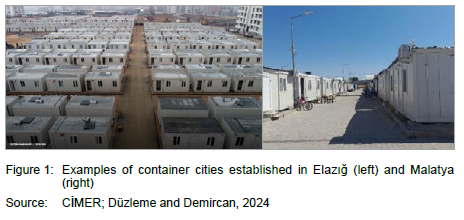
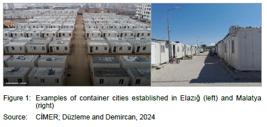
Various forms of temporary housing have been established in response to disasters globally and nationally. In Turkey, container cities are typically constructed at designated urban locations, particularly after earthquakes. For example, following the 6.8 magnitude Elaziğ earthquake on 24 January 2020, a container city was established for approximately 5,000 families (CiMER). Similarly, after the 6 February 2023 Kahramanmaraş earthquake, container cities were built in numerous cities (Figure 1).
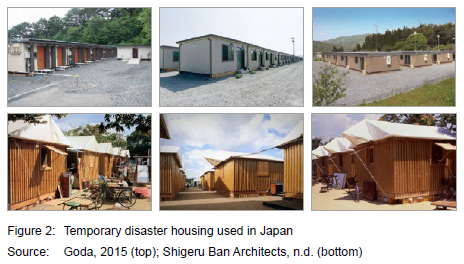
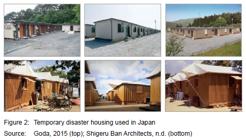
In Japan, various forms of temporary housing were developed following the Hanshin Awaji (Kobe) earthquake and the eruption of the Usu Volcano in 1995 (Goda, 2015). Paper tube units, designed by Shigeru Ban Architects, were used after the Kobe earthquake (Shigeru Ban ArchitectsUrl-1) (Figure 2). Similar systems were implemented in Turkey after the 1999 Marmara earthquake (Ilhan, 2010).
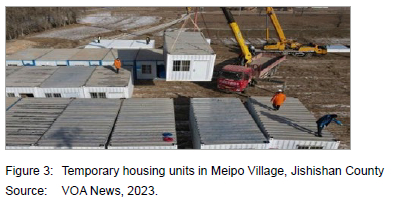
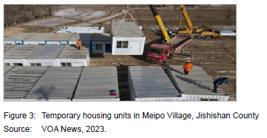
Following the 5.9-6.2 magnitude earthquake in Jishishan County, Gansu Province, China, on 18 December 2023, numerous single-room temporary units were built for survivors (VOA News, 2023) (Figure 3).
With technological advances, the production of temporary housing units is evolving, and their use is increasing in response to disaster severity and impacts. In Turkey, container cities, manufactured in small, serial units and easily assembled, are particularly favoured after earthquakes.
3. STUDY AREA
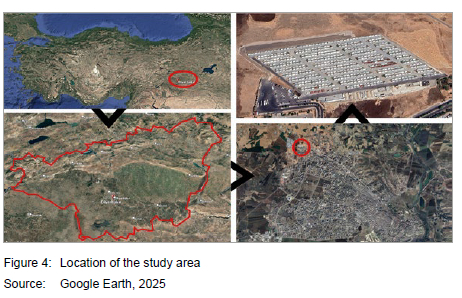
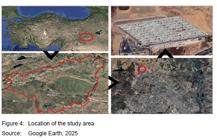
Diyarbakir, located in Turkey's South-eastern Anatolia Region, has served as a cradle for various civilisations throughout its long history, profoundly impacting its sociocultural and economic landscape (Koç, Eren & Suna-Gider, 2025). The focus of the study is the container city positioned to the north of both the Diyarbakir Oral and Dental Health Hospital and the Gazi Yaşargil Training and Research Hospital, as well as to the east of the Elazig road (Figure 4).
On 6 February 2023, an earthquake with a magnitude (Mw) of 7.7 occurred near Pazarcik (Kahramanmaraş), followed by a second significant earthquake approximately nine hours later near Elbistan (Kahramanmaraş) with a magnitude (Mw) of 7.6 (Ünlügeç et al., 2023). This subsequent earthquake affected 11 provinces, including Diyarbakir. The seismic event was strongly felt in Kahramanmaraş, Hatay, Adiyaman, Gaziantep, Malatya, Kilis, Diyarbakir, Adana, Osmaniye, Şanliurfa, and Elazig, resulting in 47,932 fatalities (Ünlügeç et al., 2023). In response to the earthquake, a container city was established under the coordination of AFAD, comprising 621 containers, spanning approximately 55,000m2, and organised into 10 streets (Koç et al., 2025). The container city includes facilities such as a registration and reception point, citizen service point, health centre, hairdresser, kindergarten, special education centre, study halls-library, public education centre, Quran course, mosque, psychosocial support centre, spiritual counselling centre, laundry, mobile charging unit, two sports fields, three children's playgrounds, fire department, mobile market, and emergency assembly areas (Koç et al., 2025).
4. RESEARCH METHODS
4.1 Research design
This study adopts a mixed-methods research design to comprehensively evaluate user satisfaction in a post-disaster temporary housing environment. By integrating quantitative survey data with qualitative field observations and photographic documentation, the research provides both statistical and contextual insight into resident experiences (Creswell & Plano Clark, 2018). The study is structured around descriptive and exploratory research strategies aimed at capturing the perceptions, preferences, and challenges faced by users of the Diyarbakir container city. The combination of quantitative and qualitative methods allows for triangulation of findings and strengthens the validity of conclusions regarding social, physical, and infrastructural dimensions of temporary housing (Fetters, Curry & Creswell, 2013)
4.2 Population, sample, and response rate
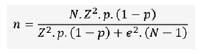
The study was conducted in the container city established in Diyarbakir following the February 2023 Kahramanmaraş earthquake. Comprising 621 housing units and serving approximately 2,000 residents, the target population included all adults (18 years and older) currently residing in the container city. A simple random sampling method was employed to ensure representativeness and minimise bias (Kish, 1965; Cochran, 1977). According to Krejcie and Morgan's (1970) sample size formula, a population of 2,000 would require 323 responses for statistical validity. However, due to the study's qualitative focus on obtaining in-depth, context-specific insights, a sample size of 40 was chosen. This decision was based on resource limitations and the goal of generating rich data that would be difficult with a larger sample. A finite population correction was applied to adjust for the smaller population of 621 residents.
Using the formula:
Where:
• N = 621 (population size),
• Z = 1.96 (Z-value for 95% confidence),
• p = 0.5 (population proportion, assumed conservative),
• e = 0.15 (margin of error, 15% - this value is higher than usual to balance precision with resource constraints),
the calculation yielded a sample size of 40, which was deemed sufficient for the study's exploratory objectives.
To further validate the adequacy of the sample size, a power analysis was conducted using G*Power (Faul et al., 2009). The results indicated that the minimum required sample size to achieve 80% power with a medium effect size (Cohen's d = 0.5) at a 95% confidence level is 32 participants. The response rate for the study was 100%, with all 40 participants completing the survey, enhancing data reliability and minimising non-response bias. With a minimum required sample size of 32 to achieve 80% power, the chosen sample size of 40 is justified.
4.3 Data collection
Data collection was carried out through a combination of quantitative surveys, field observations, and photographic documentation. The data collection phase was completed over 15 July-21 July to ensure consistency in environmental and social conditions during survey administration.
For the survey, a structured questionnaire containing 31 questions was administered during face-to-face interviews with 40 randomly selected individuals. The survey consisted of two parts: demographic data (8 questions) and satisfaction evaluation (23 questions). The first eight questions collected general demographic information about the users (e.g., age, gender, education, income, occupation), while 23 questions focused on the container city. Of these, 22 questions used a 5-point Likert scale to measure satisfaction levels, with respondents selecting from "very satisfied, satisfied, neutral, dissatisfied, very dissatisfied", covering topics such as social facilities, infrastructure and transportation, structures, and sociocultural relations in the container city. This method allows for the quantification of satisfaction levels and the identification of patterns and correlations within the data (Koo & Yang, 2025).
On-site observations were conducted to contextualise and validate survey responses, focusing on the spatial organisation, accessibility, and functionality of the built environment. These observations provided qualitative insights into how residents interact with their surroundings and the practical challenges they encounter, enriching the quantitative data and enhancing the overall validity of the findings (Creswell & Poth, 2018).
Photographs were captured to record physical infrastructure, social spaces, and environmental conditions. These images served as a supplementary data source, offering visual evidence that supports qualitative insights and provides a richer understanding of the residents' lived experiences (Ong, 2020).
4.4 Data analysis and interpretation
Survey data were entered and analysed using SPSS 24 software (Pallant, 2020). Descriptive statistical methods, including frequency (F) and percentage (%) distributions, were used to summarise demographic characteristics (gender, age, education, income, occupation) and satisfaction levels across multiple domains (Pallant, 2020). Satisfaction responses were categorised into thematic areas such as social facilities, infrastructure and transportation, structures, and sociocultural adaptability. This approach allowed identification of patterns, strengths, and deficiencies in the container city, informing targeted recommendations for improvement. Although Likert-scale data are ordinal and could, in principle, be analysed using non-parametric tests (e.g., Mann-Whitney U or Kruskal-Wallis) to explore relationships between variables, the present study focuses on descriptive statistics to summarise satisfaction patterns (Eiselen & Van Huyssteen, 2023).
Field observational data were analysed using thematic content analysis, which involved coding field notes to identify recurring spatial, functional, and social patterns within the built environment (Braun & Clarke, 2021). Observations contextualised the survey findings and allowed the research team to cross-validate residents' reported experiences on social facilities, infrastructure and transportation, structures, and sociocultural adaptability with actual environmental and spatial conditions.
Photographs were analysed using visual content analysis, systematically categorising images according to physical infrastructure, social spaces, and environmental conditions (Bengtsson, 2016). This visual analysis complemented survey and observational data, providing qualitative depth and enabling triangulation to strengthen the credibility and validity of findings.
4.5 Limitations
The study on user satisfaction in temporary housing offers valuable insights but is subject to several limitations. The temporal scope of data collection during a specific period limits the understanding of how user satisfaction may evolve over time as adaptation progresses or infrastructure changes. Self-reported data, based on subjective perceptions, may be influenced by personal, psychological, or situational factors. The findings are specific to the Diyarbakir container city and may not be generalisable to other post-disaster contexts with different cultural, geographic, or socio-economic conditions. The analysis also focused on descriptive statistics, without conducting inferential testing such as correlations or regression analysis in this study phase. These limitations prompt the need for further research to enhance the comprehensiveness and generalisability of the findings in temporary housing satisfaction studies.
5. RESULTS
5.1 Participant profile
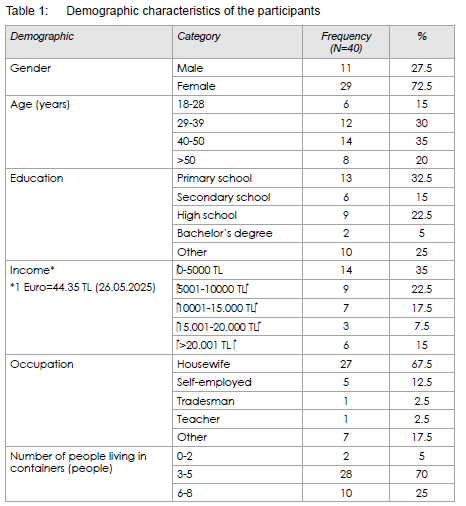
The study sample consisted of 40 participants residing in temporary housing units within Diyarbakir Container City (Table 1). Females comprised 72.5% (n=29) of the sample, while males accounted for 27.5% (n=11), indicating a gender imbalance that may affect the generalisability of findings to male residents. The participants' ages ranged from 18 to over 50 years, with 35% (n=14) aged 40-50 years, 30% (n=12) aged 29-39 years, 20% (n=8) over 50 years, and 15% (n=6) between 18-28 years, suggesting a broad age representation that supports diverse perspectives on housing satisfaction.
Educational attainment varied, with 32.5% (n=13) having completed primary school, 22.5% (n=9) high school, 15% (n=6) secondary school, 5% (n=2) holding a bachelor's degree, and 25% (n=10) reporting other education levels. Income levels showed diversity, with 35% (n=14) earning between 0-5,000 TL, 22.5% (n=9) between 5,001-10,000 TL, 17.5% (n=7) between 10,001-15,000 TL, 7.5% (n=3) between 15,001-20,000 TL, and 15% (n=6) above 20,001 TL monthly (1 Euro = 44.35 TL as of 26 May 2025). This variation strengthens the socio-economic validity of the findings.
In terms of occupation, 67.5% (n=27) identified as housewives, 12.5% (n=5) self-employed, and smaller proportions were tradesmen (2.5%, n=1), teachers (2.5%, n=1), or other occupations (17.5%, n=7). The heavy concentration of housewives may limit the applicability of results to those employed outside the home. Household sizes were mostly between 3 to 5 members (70%, n=28), followed by 6 to 8 members (25%, n=10), with a minority living in smaller households of 0 to 2 people (5%, n=2), reflecting typical living arrangements that support the ecological validity of the study. Despite their compact size, the container units accommodate relatively large household groups, which is an important contextual factor for understanding user satisfaction. The average household size in a container house is 4.9, which is above the average household size in Diyarbakir, which is 4.11 (TUiK, 2025).
5.2 Social facilities
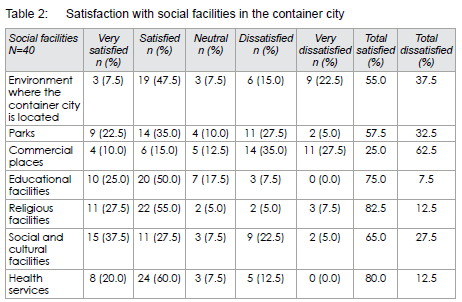
Table 2 presents residents' satisfaction levels with various social facilities in the container city (N=40). Satisfaction varied considerably across the types of facility.
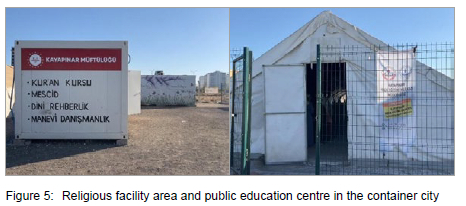
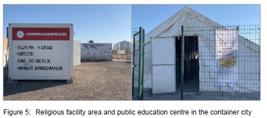
Religious facilities recorded the highest satisfaction, with 82.5% of the respondents reporting that they were either very satisfied (27.5%) or satisfied (55.0%), while only 12.5% expressed dissatisfaction. Observational and photographic data confirmed the presence of diverse religious units, including Quran courses, mosques, and a spiritual counselling centre within the container city (Figure 5), which likely contributes to this high satisfaction level.
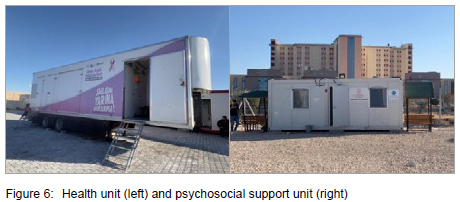
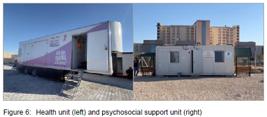
Health services followed closely, achieving 80.0% satisfaction and 12.5% dissatisfaction. The container city hosts a mobile health unit and a psychosocial support unit (Figure 6), addressing residents' physical and mental health needs.
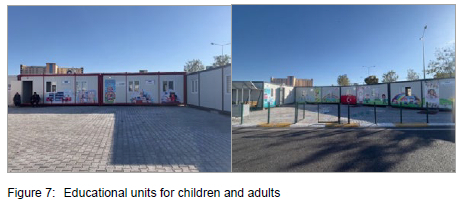
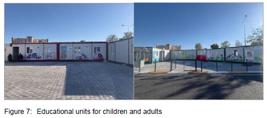
Educational facilities also performed well, with 75.0% satisfaction (25.0% very satisfied, 50.0% satisfied) and only 7.5% dissatisfaction. Educational units include kindergartens, special education centres, study halls, libraries, and public education centres (Figure 7), reflecting the community's prioritisation of learning resources.
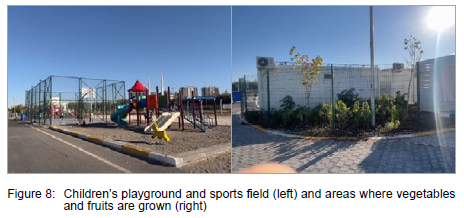
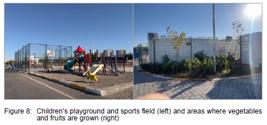
The satisfaction level for social and cultural facilities is 65.0% satisfied, 27.5% dissatisfied, and 7.5% neutral, and the satisfaction level for parks is 57.5% satisfied, 32.5% dissatisfied, and 10% neutral.Photographic evidence highlights the presence of children's playgrounds, sports areas, and intensively used park spaces, especially by children (Figure 8). Furthermore, the spaces between container units have been creatively transformed into vegetable and fruit gardens, contributing to residents' access to green areas and reinforcing social cohesion (Figure 8). The presence of sociocultural facilities and open and green spaces constitutes a significant advantage in container cities, as they positively affect the physical and mental health of the individual.
The satisfaction rate with the environment of the container city is 55.0% satisfied, 37.5% dissatisfied, and 7.5% neutral. Observations indicated environmental challenges that might explain this lower satisfaction.
The lowest satisfaction was reported for commercial places, with 12.5% neutral, and only 25.0% satisfied compared to 62.5% dissatisfied (35.0% dissatisfied and 27.5% very dissatisfied). Although no commercial units exist within the container city, a market has been established just outside its entrance to meet daily needs. Monthly aid provision also partially offsets this shortcoming. These findings point to a clear need for improved retail and marketplace facilities within the container city to enhance resident satisfaction.
5.3 Infrastructure and transportation
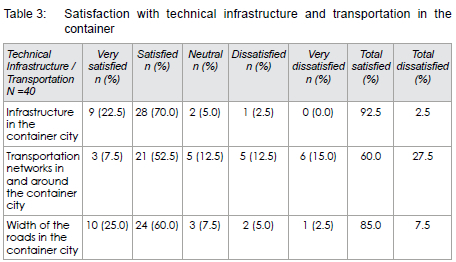
Table 3 summarises residents' satisfaction with technical infrastructure and transportation in the container city (N=40).
Residents expressed high satisfaction with the infrastructure in the container city, with 92.5% indicating that they were either very satisfied (22.5%) or satisfied (70.0%), and only 2.5% expressing dissatisfaction. This suggests that the basic technical facilities are generally perceived as adequate to support daily life within the settlement.
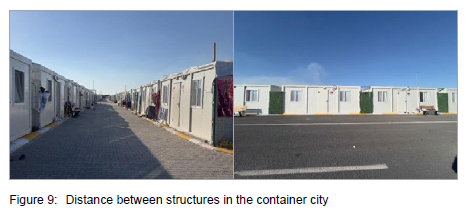
In contrast, satisfaction with transportation networks in and around the container city was notably lower. While 60.0% of the respondents reported satisfaction (very satisfied 7.5%, satisfied 52.5%), a considerable share (27.5%) expressed dissatisfaction (12.5% dissatisfied and 15.0% very dissatisfied), and 12.5% remained neutral. These results point to ongoing challenges related to accessibility and transport connectivity. Observational data provide context for these findings. Although the container city is located at a considerable distance from the city centre, the nearby Diyarbakir Oral and Dental Health Hospital and Gazi Yaşargil Education and Research Hospital have stimulated the development of a public transportation system. Frequent minibuses and other public transport vehicles connect residents to various city points. Main transportation routes run predominantly in the north-south direction around the container city, with roads designed to be 8.5-9 metres wide (Figure 9). In contrast, side roads that provide access to individual container units are narrower, typically 4.5-5 metres wide (Figure 9).
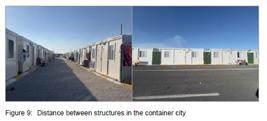
Regarding the width of roads within the container city, satisfaction was relatively high: 85.0% of the respondents reported being "very satisfied" (25.0%) or "satisfied" (60.0%), with only 7.5% dissatisfied, and another 7.5% neutral. This indicates that most of the residents find the road widths adequate for their needs, although some concerns remain.
5.4 Structures in the container city
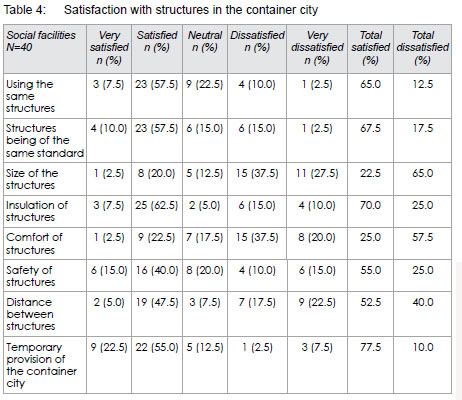
Table 4 presents residents' satisfaction with various aspects of the structures in the container city (N=40).
Residents expressed the highest satisfaction with the temporary provision of the container city, with 77.5% indicating that they were very satisfied (22.5%) or satisfied (55.0%), and only 10.0% dissatisfied. This suggests a general acceptance of the provisional nature of their housing.
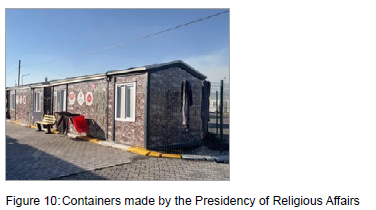
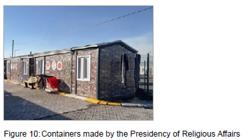
Satisfaction with the uniformity of structures - both regarding the use of the same structures and their standardisation - also received relatively high approval (65.0% and 67.5% satisfied, respectively), with moderate dissatisfaction levels (12.5% and 17.5%). Observational data confirm that the container city primarily consists of two types of containers, mostly white and identical in appearance (Figure 10). A smaller number of units were provided by the Presidency of Religious Affairs, distinguished by their design (Figure 8). These findings indicate a general acceptance of housing uniformity, albeit with some concerns.
Conversely, satisfaction was notably lower for the comfort and size of the structures. Only 25.0% were satisfied with comfort, while 57.5% were dissatisfied. Similarly, satisfaction with the size of the units was only 22.5%, with 65.0% expressing dissatisfaction. Observations show that each housing unit measures approximately 21 m2, with entrances facing each other but not directly opposite. There is a 1-metre gap between containers, separated by wire fencing, limiting access between units (Figure 9). These conditions likely contribute to residents' concerns about the adequacy and livability of their homes.
Regarding insulation, 70.0% of the respondents reported satisfaction, although 25.0% expressed dissatisfaction, suggesting opportunities to improve thermal and acoustic conditions within the units.
Satisfaction with the safety of structures was moderate, with 55.0% satisfied and 25.0% dissatisfied, reflecting mixed perceptions of structural security.
Satisfaction with the distance between structures was relatively low, with 52.5% satisfied and 40.0% dissatisfied. Observations show approximately a 1.5-metre gap between paired containers and a mutual distance of 4.5 to 5 metres between separate units (Figure 9). This spacing may be perceived as cramped, contributing to concerns about privacy and overall spatial adequacy.
5.5 Sociocultural relations
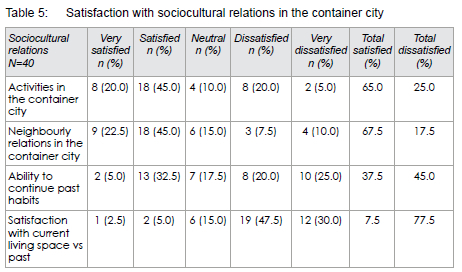
Table 5 presents residents' satisfaction with sociocultural relations within the container city (N=). Overall, satisfaction was relatively high regarding activities in the container city, with 65.0% of the respondents reporting satisfaction (very satisfied 20.0%, satisfied 45.0%), while 25.0% expressed dissatisfaction. This suggests that organised activities contribute positively to residents' social experience. Satisfaction with neighbourly relations was also moderately strong, with 67.5% satisfied (very satisfied 22.5%, satisfied 45.0%) and 17.5% dissatisfied. This indicates that community bonds are generally well maintained, despite the challenges of container living.
However, residents reported lower satisfaction with their ability to continue past habits, with only 37.5% satisfied and a notable 45.0% dissatisfied. This points to difficulties in maintaining previous lifestyles and routines within the container city environment.
Satisfaction with current living space compared to past living space was very low, with just 7.5% satisfied and a substantial 77.5% dissatisfied. This emphasises significant dissatisfaction with the spatial adequacy and quality of the container city housing relative to prior living conditions.
Despite the container city's peripheral location, the fact that it fulfilled key functions and needs for its residents appears to have positively influenced overall satisfaction levels. This functional relevance may help explain the moderate satisfaction observed with social activities and neighbourly relations. These findings highlight the importance of social activities and neighbourly relations in supportig community wellbeing, while revealing considerable challenges related to adapting previous lifestyles and living space constraints.
6. DISCUSSION
Findings from the study investigating the satisfaction levels of individuals living in the Diyarbakir container city reveal that, while the settlement successfully meets basic physical and infrastructural needs, important gaps remain that affect quality of life, adaptation and long-term recovery. High levels of satisfaction with religious (82.5%), health (80%) and educational facilities (75%) indicate that essential social infrastructure was effectively provided, supporting residents' psychological and physical well-being after the disaster. These results demonstrate progress in the institutional response to temporary housing design in Turkye and align with the "Build Back Better" (BBB) approach, which emphasises resilience and community recovery beyond mere physical reconstruction (Mannakkara & Wilkinson, 2014; Fernandez & Ahmed, 2019). However, dissatisfaction with commercial spaces (62.5%) and housing size (65%) points to limitations in supporting daily economic and social activities. Limited economic infrastructure restricts access to basic goods and employment opportunities, reducing residents' capacity for self-sufficiency and integration. Issues also highlighted in post-disaster housing studies in Van and Malatya (Ünal & Akin, 2017; Düzleme & Demircan, 2024).
The study findings also provide important insights into residents' perceptions of their transition from pre-disaster homes to temporary container housing. The high level of dissatisfaction with current living spaces compared to pre-disaster homes (77.5%) shows that temporary housing often fails to replicate the spatial and social qualities of previous environments. In Diyarbakir, where traditional courtyard houses and multigenerational living arrangements have historically shaped social life, the compact, standardised container units disrupt established domestic routines and social hierarchies. This spatial and cultural discontinuity makes adaptation more difficult and reinforces feelings of displacement and loss of identity. These observations are consistent with previous research emphasising that design mismatches between pre- and post-disaster living environments can hinder adaptation and psychosocial recovery (Lines, Walker & Yore, 2022; Ortega et al., 2017). The inability to maintain past habits and the inadequacy of current living spaces underline the importance of designing temporary housing that respects local cultural practices, domestic layouts, and traditional spatial organisation.
In terms of adaptation and community dynamics, the results suggest that, while residents have developed positive social relations, broader adaptation challenges persist. Satisfaction with neighbourly relations (67.5%) and community activities (65%) reflects social resilience and the persistence of communal practices, even in constrained conditions. Nevertheless, many residents experience psychological fatigue, a sense of monotony and discomfort associated with small living spaces and limited privacy. Similar challenges were observed among residents of post-earthquake temporary housing in Japan and Hatay, where extended residence in prefabricated units was linked to psychological distress (Tanji et al., 2018; Yilmaz & Erdem, 2025). In Diyarbakir, these adaptation difficulties are exacerbated by the peripheral location of the settlement, which restricts access to urban amenities and employment. Such spatial isolation reduces interaction with the wider urban community, weakening both social integration and economic resilience. These findings are consistent with earlier research showing that livelihood recovery and spatial connectivity are critical components of successful adaptation in post-disaster housing (Boano, 2009; Sanderson et al., 2014).
The physical uniformity and limited capacity of the container units also raise questions about inclusivity and adaptability. Families with children or elderly members often find the units too small or uncomfortable, despite high satisfaction with infrastructure and safety. This outcome reflects a broader issue in temporary housing policy where technical adequacy is prioritised over spatial flexibility and user diversity. Studies in Turkey and other contexts (Abanoz & Vural, 2023; Gün, 2023) have similarly emphasized that post-disaster housing should evolve from a purely technical solution into a human-centred system capable of responding to psychological, social and cultural needs. The Diyarbakir findings reinforce the importance of designing adaptable modular units that can accommodate different household sizes and enable incremental improvement over time.
The findings correspond closely with theoretical discussions on sustainability and governance in temporary housing. The integration of sustainable materials, local construction techniques, and participatory processes could significantly improve comfort and satisfaction levels. PPPs offer opportunities to accelerate construction and enhance material quality, yet their success depends on prioritizing community participation and cultural sensitivity over profit motives (Chen et al., 2013; Auzzir et al., 2014). In Turkey, partnerships between TOKi, private contractors, and municipal authorities have proven effective for large-scale production but often remain top-down. The Diyarbakir case illustrates the need to embed participatory frameworks into these partnerships so that residents' feedback informs design and policy decisions from the early stages of reconstruction.
Overall, the results demonstrate that, while physical infrastructure in the container city has been successfully established, sociocultural and psychological dimensions remain under-addressed. The findings bridge the gap between the literature on physical satisfaction and the more complex realities of adaptation and cultural continuity in temporary housing. They confirm that recovery cannot be achieved only through the provision of standardized units; it also requires restoring community identity, enabling livelihood opportunities and ensuring sociocultural coherence. These outcomes echo Duyne Barenstein and Pittet's (2020) assertion that post-disaster housing should foster not only survival, but also dignity, participation, and a renewed sense of belonging.
In this context, satisfaction in temporary housing should be understood as a dynamic process shaped by evolving perceptions of place, habitability, and community life. Residents' experiences in Diyarbakir reveal that effective adaptation requires more than technical adequacy. It demands spatial flexibility, cultural sensitivity and psychological support. By integrating sustainability principles, inclusive governance and community participation, temporary housing can evolve from an emergency response tool into a catalyst for long-term resilience and urban regeneration in post-disaster Türkiye.
7. CONCLUSION
This study highlights key insights into the satisfaction levels and adaptation challenges faced by residents in the Diyarbakir container city, following the February 2023 Kahramanmaraş earthquake. While the settlement successfully meets basic physical and infrastructural needs, the findings reveal significant gaps in sociocultural and psychological dimensions of recovery.
To enhance the effectiveness of post-disaster housing and support longterm recovery, several recommendations are proposed, directly addressing the specific challenges identified in the research.
The high dissatisfaction with commercial spaces (62.5% dissatisfied) points to a crucial gap in the container city's infrastructure. Despite the establishment of a market outside the city, the lack of commercial units within the settlement restricts residents' access to daily goods and services, thereby hindering economic self-sufficiency and integration. To improve daily living conditions and support a sense of community, it is essential to incorporate commercial units into the container city, allowing for a more comprehensive recovery process.
With 65% of the residents dissatisfied with the size of the 21m2 container units, particularly given the average household size of 4.9, it is evident that the current accommodation design fails to meet the needs of larger households. Larger and more adaptable accommodation units would not only enhance comfort, but also reduce the sense of displacement felt by families who have been forced to adjust to the compact, standardised container units.
While infrastructure satisfaction was generally high, the study also identified that comfort and adaptability remain significant issues. The integration of high-quality, locally sourced materials in the construction of the units would greatly improve the thermal comfort, durability, and overall satisfaction of residents. Materials such as environmentally friendly composites, recycled wood products, and prefabricated panels would not only enhance the physical comfort of the units but also contribute to the sustainability and resilience of the container city in the long term.
Dissatisfaction with the spatial layout of the container units revealed the cultural disconnect that many residents experience. Traditional housing designs in the region, including courtyard houses and multigenerational living arrangements, have shaped local social life. The standardised design of container units does not support these traditional living structures, leading to difficulties in adaptation and a loss of social cohesion. To mitigate this, it is crucial that future housing designs respect local cultural practices and domestic layouts, enabling residents to maintain their traditional routines and social networks. This cultural sensitivity in housing design will help residents maintain a sense of identity and improve adaptation to temporary housing conditions.
The findings also highlighted challenges with social and community integration, particularly due to the peripheral location of the container city. While there was moderate satisfaction with neighbourly relations (67.5%) and community activities (65%), residents expressed feelings of isolation and social fatigue, exacerbated by limited access to urban amenities and employment opportunities. Creating more community-centred spaces within the container city and improving accessibility to the surrounding urban areas would facilitate greater social integration and economic resilience, thereby supporting a more holistic recovery process.
This study demonstrated that effective post-disaster housing requires a holistic approach that addresses not only physical infrastructure, but also the sociocultural and psychological needs of displaced populations. The recommendations presented emphasise the importance of designing adaptable, culturally sensitive, and inclusive housing solutions that go beyond mere functionality. By incorporating these insights into future post-disaster housing policies and designs, temporary shelters can evolve into more resilient, sustainable, and community-oriented environments. Ultimately, this approach will not only support physical recovery, but also restore dignity, social cohesion, and community identity, enabling disaster-affected populations to rebuild their lives with a renewed sense of belonging and well-being.
REFERENCES
2. LITERATURE REVIEW
-
Abanoz, F.B. & Vural, N. 2023. A comparative analysis and model proposal of temporary disaster housing in the world and in Turkey. Eksen Journal of Dokuz Eylul University Faculty of Architecture, 4(1), pp.132-153. https://doi.org/10.58317/eksen.1225999
» https://doi.org/10.58317/eksen.1225999 - AFAD. 2023. Türkiye Afet Müdahale Plani (TAMP) ve Afet Sonrasi Barinma Stratejileri Raporu. Ankara: Afet ve Acil Durum Yönetimi Başkanliği.
-
Afshari, A. & Ramirez, N. 2021. Improving the accuracy of simplified urban canopy models for arid regions using site-specific prior information. Urban Climate, 35, article 100722. https://doi.org/10.1016/j.uclim.2020.100722
» https://doi.org/10.1016/j.uclim.2020.100722 -
Arslan, H. & Cosgun, N. 2008. Reuse and recycle potentials of the temporary houses after occupancy: Example of Duzce, Turkey. Building and Environment, 43, pp. 702-709. https://doi.org/10.1016/j.buildenv.2007.01.051
» https://doi.org/10.1016/j.buildenv.2007.01.051 -
Auzzir, Z.A., Haigh, R.P. & Amaratunga, D. 2014. Public-private partnerships (PPP) in disaster management in developing countries: A conceptual framework. Procedia Economics and Finance, 18, pp. 807-814. https://doi.org/10.1016/S2212-5671(14)01006-5
» https://doi.org/10.1016/S2212-5671(14)01006-5 -
Avlar, E., Limoncu, S. & Tizman, D. 2022. Deprem sonrasi geçici barinma birimi: CLT E-BOX. Gazi Üniversitesi Mühendislik Mimarlik Fakültesi Dergisi, 38(1), pp. 471-482. https://doi.org/10.17341/gazimmfd.1027894
» https://doi.org/10.17341/gazimmfd.1027894 -
Ayvaz, E. & Arpacioğlu, Ü. 2024. Afet Sonrasi Geçici Barinma Alanlari için Konteyner Model Önerilerinin Geliştirilmesi. Mimariik Ve Yaşam, 9(1), pp. 169-193. https://doi.org/10.26835/my.1396352
» https://doi.org/10.26835/my.1396352 -
Bengtsson, M. 2016. How to plan and perform a qualitative study using content analysis. Nursing Plus Open, 2, pp. 8-14. https://doi.org/10.1016/j.npls.2016.01.001
» https://doi.org/10.1016/j.npls.2016.01.001 -
Boano, C. 2009. Housing anxiety and multiple geographies in post-tsunami Sri Lanka. Disasters, 33(4), pp. 762-785. https://doi.org/10.1111/j.1467-7717.2009.01108.x
» https://doi.org/10.1111/j.1467-7717.2009.01108.x -
Bolin, R. & Stanford, L. 1991. Shelter, housing and recovery: A comparison of U.S. disasters. Disasters, 15(1), pp. 24-34. https://doi.org/10.1111/j.1467-7717.1991.tb00424.x
» https://doi.org/10.1111/j.1467-7717.1991.tb00424.x - Braun, V. & Clarke, V. 2021. Thematic analysis: A practical guide. 2nd edition. London: Sage.
-
Chen, J., Chen, T.H.Y., Vertinsky, I., Yumagulova, L. & Park, C. 2013. Public-private partnerships for the development of disaster resilient communities. Journal of Contingencies and Crisis Management, 21(3), pp. 130-143. https://doi.org/10.1111/1468-5973.12021
» https://doi.org/10.1111/1468-5973.12021 -
Chen, Z., Chen, X., Li, Q. & Chen, J. 2013. The temporal hierarchy of shelters: A hierarchical location model for earthquake-shelter planning. International Journal of Geographical Information Science, 27(8), pp. 1612-1630. https://doi.org/10.1080/13658816.2013.763944
» https://doi.org/10.1080/13658816.2013.763944 - Creswell, J.W. & Plano Clark, V.L. 2018. Designing and conducting mixed methods research. 3rd edition. Thousand Oaks, CA: Sage.
- Creswell, J.W. & Poth, C.N. 2018. Qualitative inquiry and research design: Choosing among five approaches. 4th edition. Thousand Oaks, CA: Sage.
-
CiMER (Presidential Communications Center of the Republic of Turkey). 2020. Container city construction work continues in Elazig. Dailysabah.com [Accessed: 20 April 2025].
» Dailysabah.com - Cochran, W.G. 1977. Sampling techniques. 3rd edition. New York: John Wiley & Sons.
-
Duyne Barenstein, J. & Pittet, D. 2020. Beyond housing: Post-disaster reconstruction and the social production of habitat. International Journal of Disaster Resilience in the Built Environment, 11(2), pp. 205-219. https://doi.org/10.1108/IJDRBE-09-2019-0061
» https://doi.org/10.1108/IJDRBE-09-2019-0061 -
Düzleme, H.P. & Demircan, N. 2024. Afet Sonrasi Konteyner Kent Tasarim ve Planlama ilkelerinin incelenmesi: Malatya Beydaği Konteyner Kent Örnegi. In: Proceedings of the 6th International Symposium on Innovation in Architecture, Planning and Design, 9-10 November, Ankara, Turkey, pp. 63-80. https://doi.org/10.36287/setsci.20.9.063
» https://doi.org/10.36287/setsci.20.9.063 -
Eiselen, R. & Van Huyssteen, G.B. 2023. A comparison of statistical tests for Likert-dype Data: The case of swear words. Journal of Open Humanities Data, 9(1), article 18. https://doi.org/10.5334/johd.132
» https://doi.org/10.5334/johd.132 - Ergünay, O. 2017. Afet Yönetimi: Türkiye Uygulamalari ve Kurumsal Yapi. Ankara: Afet ve Acil Durum Yönetimi Başkanliği Yayinlari.
-
Faul, F., Erdfelder, E., Buchner, A. & Lang, A.G. 2009. Statistical power analyses using GPower 3.1: Tests for correlation and regression analyses. Behavior Research Methods, 41(4), pp. 1149-1160. https://doi.org/10.3758/BRM.41.4.1149
» https://doi.org/10.3758/BRM.41.4.1149 -
Felix, D., Feio, A., Branco, J.M. & Machado, J.S. 2013. Temporary housing after disasters: A state-of-the-art survey. Habitat International, 40, pp. 136-141. https://doi.org/10.1016/j.habitatint.2013.03.006
» https://doi.org/10.1016/j.habitatint.2013.03.006 -
Fernandez, G. & Ahmed, I. 2019. "Build back better" approach to disaster recovery: Research trends since 2006. Progress in Disaster Science, 1, article 100003. https://doi.org/10.1016/j.pdisas.2019.100003
» https://doi.org/10.1016/j.pdisas.2019.100003 -
Fetters, M.D., Curry, L.A. & Creswell, J.W. 2013. Achieving integration in mixed methods designs - Principles and practices. Health Services Research, 48(6 Pt 2), pp. 2134-2156. https://doi.org/10.1111/1475-6773.12117
» https://doi.org/10.1111/1475-6773.12117 - Goda, J. 2015. Overview of prefabricated housing in Japan. Japan Federation of Housing Organization, [PPT], pp. 1-29.
- Gün, A. 2023. Deprem Sonrasi Geçici Yaşam Alanlarindaki Mekansal Koşullarin Araştirilmasi. Mimarlik Planlama Ve Tasarim Alaninda Uluslararasi Teori. Araştirma ve Derlemeler 2. Serüven YayinevI, pp. 157-176.
-
Gunawardena, T., Aye, L., Ngo, T., Crawford, R. & Mendis, P. 2014. Time-efficient post-disaster housing reconstruction with prefabricated modular structures. Open House International, 39(3), pp. 59-69. https://doi.org/10.1108/ohi-03-2014-b0007
» https://doi.org/10.1108/ohi-03-2014-b0007 - ilhan, H.B. 2010. Afet sonrasi rehabilitasyon aşamasinda barinma uygulamalarinin sürdürülebilirlik dogrultusunda irdelenmesi. (Yayimlanmamiş Yüksek Lisans Tezi). Yildiz Teknik Üniversitesi, Fen Bilimleri Enstitüsü, istanbul.
-
Johnson, C., Lizarralde, G. & Davidson, C.H. 2022. Rebuilding after disasters: Transforming housing policy for resilience and equity. Habitat International, 120, article 102512. https://doi.org/10.1016/j.habitatint.2022.102512
» https://doi.org/10.1016/j.habitatint.2022.102512 - Kish, L. 1965. Survey sampling. New York: John Wiley & Sons.
- Koç, C., Eren, B. & Suna Gider, K. 2025. Deprem sonrasi yerslzleşme olgusu Dlyarbakir Örneği. Türkiye: Serüven Yayinevi.
-
Koca, G. 2024. Earthquakes, sustainable settlements and traditional construction techniques. Journal of Design for Resilience In Architecture and Planning, 4(3), pp. 117-140. https://doi.org/10.47818/DRArch.2023.v4si114
» https://doi.org/10.47818/DRArch.2023.v4si114 -
Koo, M. & Yang, S.-W. 2025. Likert-type scale. Encyclopedia, 5(1), article 18. https://doi.org/10.3390/encyclopedia5010018
» https://doi.org/10.3390/encyclopedia5010018 -
Koyama, S., Aida, J., Kawachi, I., Kondo, N., Subramanian, S.V. et al. 2014. Social support improves mental health among the victims relocated to temporary housing following the Great East Japan earthquake and tsunami. Tohoku Journal of Experimental Medicine, 234(3), pp. 241-247. https://doi.org/10.1620/tjem.234.241
» https://doi.org/10.1620/tjem.234.241 -
Krejcie, R.V. & Morgan, D.W. 1970. Determining sample size for research activities. Educational and Psychological Measurement, 30(3), pp. 607-610. https://doi.org/10.1177/001316447003000308
» https://doi.org/10.1177/001316447003000308 -
Lines R., Walker J.P.F. & Yore R. 2022. Progression through emergency and temporary shelter, transitional housing and permanent housing: A longitudinal case study from the 2018 Lombok earthquake, Indonesia. International Journal of Disaster Risk Reduction, 75, article 102959. https://doi.org/10.1016/j.ijdrr.2022.102959
» https://doi.org/10.1016/j.ijdrr.2022.102959 -
Mannakkara, S. & Wilkinson, S. 2014. Re-conceptualising "Building Back Better" to improve post-disaster recovery. International Journal of Managing Projects in Business, 7(3), pp. 327-341. https://doi.org/10.1108/IJMPB-10-2013-0054
» https://doi.org/10.1108/IJMPB-10-2013-0054 -
Nigg, J.M., Barnshaw, J. & Torres, M.R. 2006. Hurricane Katrina and the flooding of New Orleans: Emergent issues in sheltering and temporary housing. The Annals of the American Academy of Political and Social Science, 604(1), pp. 113-128. https://doi.org/10.1177/0002716205285889
» https://doi.org/10.1177/0002716205285889 -
Ong, P. 2020. Visual research methods: Qualifying and quantifying the visual. Beijing International Review of Education, 2, pp. 35-53. https://doi.org/10.1163/25902539-00201004
» https://doi.org/10.1163/25902539-00201004 -
Ortega, J., Vasconcelos, G., Rodrigues, H., Correia, M. & Lourenço, P.B. 2017. Traditional earthquake-resistant techniques for vernacular architecture and local seismic cultures: A literature review. Journal of Cultural Heritage, 27, pp. 181-196. https://doi.org/10.1016/j.culher.2017.02.015
» https://doi.org/10.1016/j.culher.2017.02.015 -
Pallant, J. 2020. SPSS survival manual: A step-by-step guide to data analysis using IBM SPSS. 7th edition. London: Routledge. https://doi.org/10.4324/9781003117445
» https://doi.org/10.4324/9781003117445 -
Quarantelli, E.L. 1995. Patterns of sheltering and housing in US disasters. Disaster Prevention and Management: An International Journal, 4(3), pp. 43-53. https://doi.org/10.1108/09653569510088069
» https://doi.org/10.1108/09653569510088069 -
Sanderson, D., Sharma, A., Kennedy, J. & Burnell, J. 2014. Principles, practice and lessons from Haiti for urban post-disaster shelter recovery programs. Asian Journal of Environment and Disaster Management, 6(2), pp. 131-151. https://doi.org/10.3850/S1793924014000362
» https://doi.org/10.3850/S1793924014000362 -
Shigeru Ban Architects (n.d.). Paper Log House - Kobe. Shigeru Ban Architects. Shigerubanarchitects.com [Accessed: 20 April 2025].
» Shigerubanarchitects.com -
Sutley, E.J. & Hamideh, S. 2020. Postdisaster housing stages: A Markov chain approach to model sequences and duration based on social vulnerability. Risk Analysis, 40(12), pp. 2675-2695. https://doi.org/10.1111/risa.13576
» https://doi.org/10.1111/risa.13576 -
Süzer, A. & Yamaçli, R. 2024. Afet Sonrasi Sürdürülebilir Geçici Konut Tasarimi, Analiz ve Öneriler. YDÜ Mimarlik Fakültesi Dergisi - NEU Journal of Architecture Faculty, 6(1), pp. 68-85. https://doi.org/10.32955/neujfa202461850
» https://doi.org/10.32955/neujfa202461850 -
Tanji, F., Sekiguchi, T., Tomata, Y. & Tsuji, I. 2018. Period of residence in prefabricated temporary housing and psychological distress after the Great East Japan earthquake: A longitudinal study. BMJ Open, 8(5), e018211. https://doi.org/10.1136/bmjopen-2017-018211
» https://doi.org/10.1136/bmjopen-2017-018211 -
Thapa, R., Rijal, H.B., Shukuya, M. & Imagawa H. 2019. Study on the wintry thermal improvement of makeshift shelters built after Nepal earthquake 2015. Energy and Buildings, 199(15), pp. 62-71. https://doi.org/10.1016/j.enbuild.2019.06.031
» https://doi.org/10.1016/j.enbuild.2019.06.031 -
TUiK, 2025. Ortalama Hanehalki Büyüklüğü. Cip.tuik.gov.tr [Accessed: 28 October 2025].
» Cip.tuik.gov.tr -
Tumini, I., Villagra, P. & Herrmann-Lunecke, G. 2017. Evaluating reconstruction effects on urban resilience: A comparison between two Chilean tsunami-prone cities, Natural Hazards, 85(3), pp. 1363-1392. https://doi.org/10.1007/s11069-016-2630-4
» https://doi.org/10.1007/s11069-016-2630-4 - Ünal, B. & Akin, E. 2017. Geçici Afet Konutlarinin Kullanici Açisindan Degerlendirilmesi: Van Depremi Konteyner Konutlari. Online Journal of Art and Design, 5(4), pp. 71-88.
-
UNDRR (United Nations Office for Disaster Risk Reduction). 2020. Monitoring the implementation of the Sendai Framework for Disaster Risk Reduction 2015-2030: A snapshot of reporting for 2018. Undrr.org [Accessed: 28 October 2025].
» Undrr.org -
Ünlügenç, U.C., Turkmen, S., Çetin, H., Güneyli, H., Nurlu, N. & Akinci, A.C. 2023. 06 Şubat 2023 Kahramanmaraş depremleri (Mw 7,8-Mw 7,6): Değerlendirme ve saha gözlem raporu. [pdf] Çukurova Üniversitesi, Jeoloji Mühendisligi Bölümü. Jeoloji.cu.edu [Accessed: 27 May 2025].
» Jeoloji.cu.edu -
VOA News. 2023. China starts erecting temporary housing after deadly earthquake. Voice of America. voanews.com [Accessed: 20 April 2025].
» voanews.com -
Xu, J., Xu, D. & Lu, Y. 2016. Resident participation in post-Lushan earthquake housing reconstruction: A multi-stage field research method-based inquiry. Environmental Hazards, 15(2), pp. 128-147. https://doi.org/10.1080/17477891.2016.1142417
» https://doi.org/10.1080/17477891.2016.1142417 -
Yilmaz, E. & Erdem, M. 2025. Post-traumatic stress disorder in earthquake survivors living in temporary shelter areas in Hatay central districts: A cross-sectional study. BMC Psychiatry, 25, article 461. https://doi.org/10.1186/s12888-025-06919-9
» https://doi.org/10.1186/s12888-025-06919-9 -
Yu, Y., Long, E., Shen, Y. & Yang, H. 2016. Assessing the thermal performance of temporary shelters. Procedia Engineering, 159, pp. 174-178. https://doi.org/10.1016/j.proeng.2016.08.152
» https://doi.org/10.1016/j.proeng.2016.08.152 -
Zhang, Y. & Peacock, W.G. 2009. Planning for housing recovery? Lessons learned from hurricane Andrew. Journal of the American Planning Association, 76(1), pp. 5-24. https://doi.org/10.1080/01944360903294556
» https://doi.org/10.1080/01944360903294556 -
Zhao, L., Hu, Q., Gao, F., Sun, Y., Wang, J., Li, H. & Huang, R. 2017. Planning emergency shelters for urban disaster resilience: An integrated location-allocation modeling approach. Sustainability, 9(11), article 2098. https://doi.org/10.3390/su9112098
» https://doi.org/10.3390/su9112098
Peer reviewed and revised: October 2025
Published: December 2025