Prediction Techniques for Power Plant Failure and Availability: A Concise Systematic Review
Abstract
Electricity demand continues to exceed supply in many sub-Saharan countries like South Africa, and frequent plant failures further reduce energy availability. To address this issue, it is essential to proactively predict plant failures and inform decisions on when to plan for outages. Given a myriad of prediction techniques, this study systematically analyzed various literature to provide a collective view of prediction approaches, their use cases, and context. Following the PRISMA guideline, relevant literature was searched using the Scopus database, and retrieved from the corresponding publisher sites. The selected studies focused on predicting the unplanned capability loss factor or the availability of power plants within the electricity industry domain. A thematic analysis was performed to identify emerging patterns related to current knowledge. Results revealed that prediction studies focus more on predicting availability than failure in coal-fired plants. The prediction horizon is mainly short-term, mostly in renewable plant. Artificial neural network, Bayesian analysis, and fuzzy rules are the prevalent technique found in most studies. Scholars and researchers can benefit from this study as it provided a simplified summary of power plant prediction techniques in a consolidated view. OPEN LICENSE: CC-BY
Artificial Intelligence; Availability; Outages; Plant Failures; Power Plant; Predictions; Systematic Literature Review
I. Introduction
The world is facing a global energy crisis caused by population growth, increased energy demand, and dependence on fossil fuels. The term "global energy crisis" is a subject of several recent publications [1], [2], [3], [4], [5], [6], and [7]. In South Africa, the country is faced with permacrisis regarding electricity, and that has also become a subject of recent research [8], [9], [10], [11], and [12]. Plant failures result in unplanned outages, which reduce the Energy Availability Factor (EAF), subsequently leading to a power shortage. This is a concern, especially in a capacity-constrained electricity industry, where the demand for electricity easily exceeds supply. Hence, it is crucial to predict plant failures before they occur in order to improve the availability of power stations. However, with a myriad of approaches, models, algorithms, features, and methods, it remains a challenge to select the best ones to effectively solve the complex problem of prediction. Various systematic literature reviews have been conducted on prediction topics. However, there does not seem to be a collective or consolidated view of the current prediction techniques used in power plants. For instance, some studies have focused solely on machine learning approaches [13], [14], [15], [16], and [17], while others have focused on deep learning [18], [19], [20], [21], and [22]. On the other hand, some studies have only focused on photovoltaic (PV) [23], [24], and [25], while others have focused on wind prediction [26] and [27]. As Kuster et al. [28] pointed out, choosing the best prediction technique can be a difficult task with many options available. To address this gap, this study systematically reviews the literature following the Preferred Reporting Items for Systematic Reviews and Meta-Analyses (PRISMA) [29] guideline to provide an overview of the prediction approaches that exist, their use cases, and context. The key objectives are to:
1. explore how widespread the prediction approaches have been used,
2. establish the extent to which the existing literature explains the application of prediction approaches in power plants, and
3. gain an understanding of the most suitable approaches for prediction in power plants.
Through a systematic review, we sought to answer the following Research Questions (RQ):
RQ1: What is the historical trend of predictive application in power plants?
RQ2: In which context are prediction studies of power plant conducted?
RQ3 : What are the prevalent prediction techniques used in power plants?
Our contribution is to present a uniform picture that clarifies the prediction approaches used by power plants in the electricity industry. In addition, we seek to identify the gaps in prediction approaches and recommend direction for future research to address these gaps.
The remainder of this paper is organized as follows: in section 2, we outline the methodology used to conduct the Systematic Literature Review (SLR). The results of this study are presented in section 3. Section 4 discusses the synthesis of the literature using thematic analysis. Finally, in section 5, a conclusion is drawn, gaps are identified, and directions for future research are highlighted.
II. Methodology
A. Procedure
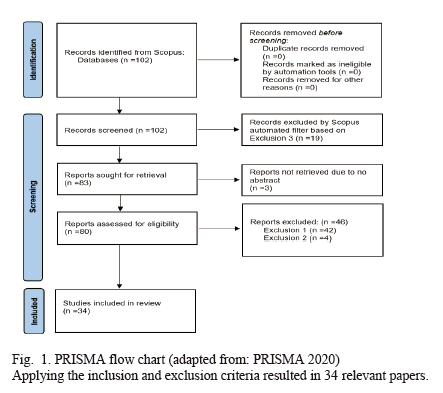
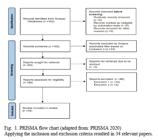
As mentioned in the introduction, a PRISMA [29] guideline was used to identify, select, appraise, and synthesize literature for review as indicated in Fig. 1. The point of departure for developing the scope of the search was guided by the Problem, Interest, Context, Outcome (PICO) [30] framework in terms of determining the problem, interest, context, and outcome to be addressed in this study.
1) Problem
Although there are several studies on the prediction topic, there is no consolidated view of the current prediction techniques used in power plants, their application, and used cases.
2) Interest
In order to address the problem, the basis of this study is to:
• understand what approaches are available to conduct prediction.
• discover the extent of the prediction approaches used worldwide.
• determine the trend across the countries, how the approaches have evolved over the years, the most common techniques used, and in which applications are they being used, and for which functions.
3) Context
This study is mainly concerned with prediction approaches relevant for power plant in the electricity industry.
4) Outcome
In this paper, a uniform picture is presented to clarify, which approaches are suitable for power plant. Gaps are identified with recommendations for future research.
B. Literature Identification
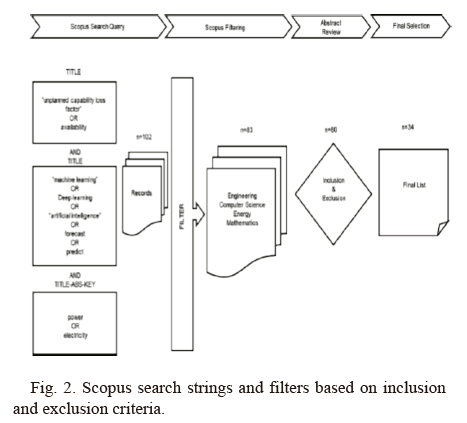
Scopus was used to identify and extract relevant literature, since it is a well-known, largest, and trusted literature search engine for studies from peer-reviewed sources. To eliminate bias, we searched for papers regardless of their publication status. The literature search was conducted from March 10 to 08 April 2023 using specific search strings applied to the Scopus search engine as shown in Fig. 2.
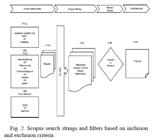
The search string was constructed as follows:
String 1 AND String 2 AND String 3, where String 1 to 3 are defined as.
String 1 : "unplanned capability loss factor" OR availability
String 2: "machine learning" OR "deep learning" OR "artificial intelligence" OR forecast* OR predict*
String 3 : power OR electricity
For searching string 1 in the title, we used the search terms "unplanned capability loss factor" OR availability.
Because the study is interested in the literature concerned with forecasting or predicting using Machine Learning (ML) or Deep Learning (DL), or Artificial Intelligence (AI), these search terms were included in string 2 in the title using the OR logic.
The domain of application of this study is the power plant and electricity industry. For this reason, using OR logic, the researchers used the search terms power or electricity in the title, abstract, and keywords for search string 3.
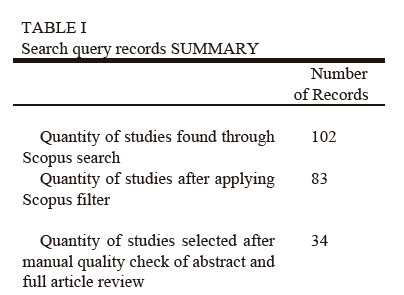
Since the historical trends and types of documents were part of the research questions, we considered all types of papers, irrespective of the year they were published. Using the above-mentioned method, the search yielded 102 records.
Following the suggestion of [32], four inclusion (I) and four exclusion (E) criteria were established, which helped to screen the literature and to identify the most relevant papers for this study.
The following inclusion criteria was used to select studies, irrespective of their publication status:
I1: Studies with a title of unplanned losses and availability of the electrical plant.
I2: Studies focused on prediction or forecasting plant failures or availability.
I3 : Studies that have an English version.
Similarly, we developed the following exclusion criteria to guide the elimination of literature that did not meet the scope of this study. However, none of the papers were excluded on the basis of their publication status.
E1: Studies unrelated to electricity or power plant.
E2: Studies not focused on prediction or forecasting plant failures or availability.
E3 : Studies that do not have an English version.
C. Literature Screening
The first iteration of screening was performed by applying the Scopus filter to the 102 identified records to include only those papers that were in the subject area of energy, engineering, mathematics, and computer science as per inclusion criteria 3. This inclusion was applied because, by its nature, the power plant and electricity industry are within the energy, and engineering domains, whereas the prediction and forecasting focus is within mathematics and computer science. The filter resulted in the rejection of 19 and the inclusion of 83 records.
In the next step of screening, three more records that did not have abstracts were rejected as they could not be verified to ascertain their eligibility based on the mentioned criteria. An attempt was made to elicit the full text of these records from ScienceDirect, Google Scholar, and other publication sites; however, none was available. This stage of screening resulted in 80 records.
The next iteration of screening encompassed reading the abstracts of the remaining 80 papers. This step resulted in the rejection of additional 42 records based on Exclusion 1 (E1).
The remaining 38 papers were further subjected to a quality assessment by reading the full text, which resulted in the rejection of four more papers based on Exclusion 2 (E2).
The screening iteration resulted in a final selection of 34 papers as shown in Fig. 1, Fig. 2, and Table 1.
To prevent the risk of bias, upon completion of the screening, we assessed the quality of the selected and excluded papers using the Scottish Intercollegiate Guidelines Network (SIGN) [31] checklist. We analyzed the data using thematic synthesis from ATLAS.ti software.
III. RESULTS
In this section, the selected literature is analyzed from various perspectives to answer the research questions. The study used figures, tables, and graphs to support the discussion and visually present the analysis.
A. What is the historical trend of predictive application in power plants?
To uncover the historical trend of predictive studies, we used various graphical displays such as the document type distribution per year, publisher common indexed words, distribution by document type, distribution by subject area, and distribution by country.
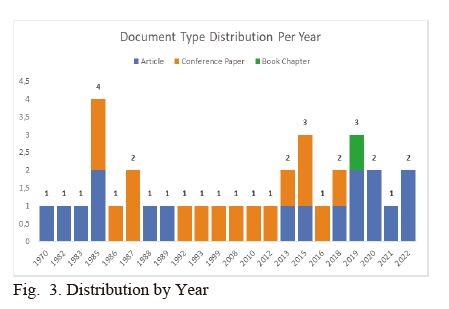
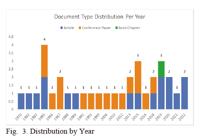
Fig. 3 shows that prediction studies have been conducted and published since 1970. More studies have been published in 1985. No studies were published from 1994 to 1998, after which the studies were published every second year. Since 2018 at least one study was published annually.
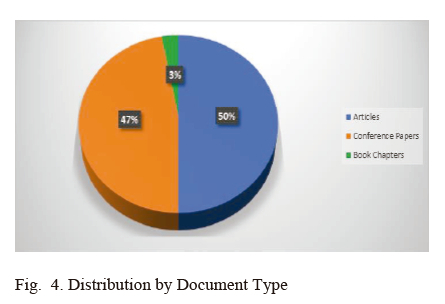
The pie chart in Fig. 4 reveals that articles and conference papers have contributed to a wide variety of literature in this domain. The book chapters and reports were insignificant.
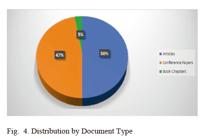
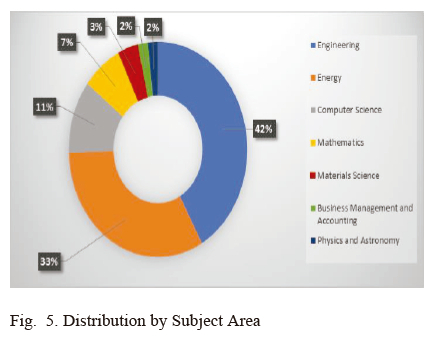
Fig. 5 shows that the top subject areas in which prediction studies have been published are engineering, energy, and computer science.
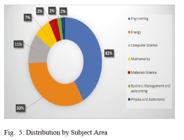
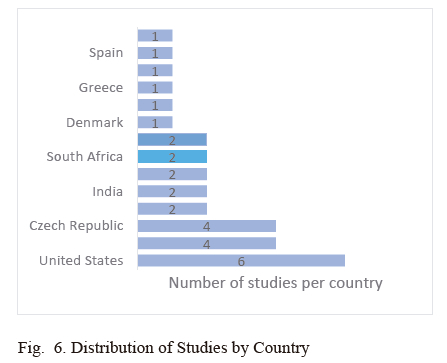
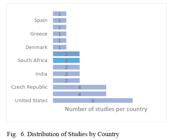
Fig. 6 shows the countries in which the literature is mainly published and the number of studies in each country. Most prediction studies have been published in the United States, followed by China and the Czech Republic.
B. In which context are prediction studies of power plant conducted?
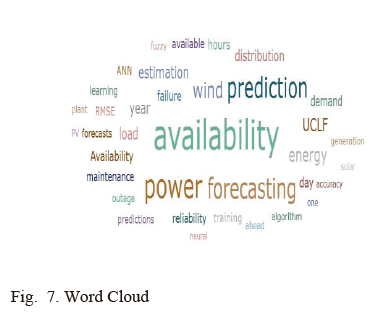
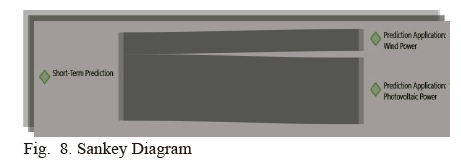
The contextual application of predictive studies is dominant for the availability prediction or forecasting of power as shown in Fig. 7, as well as for short-term prediction of renewable power as indicated in Fig. 8.
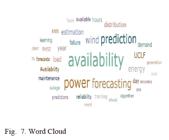
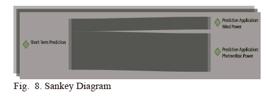
Fig. 7 shows that in most studies the availability, forecasting of power are the most referenced key words.
Based on Fig. 8, most studies applied short-term horizon prediction for the prediction of wind power and photovoltaic power.
C. What are the prevalent prediction techniques used in power plants?
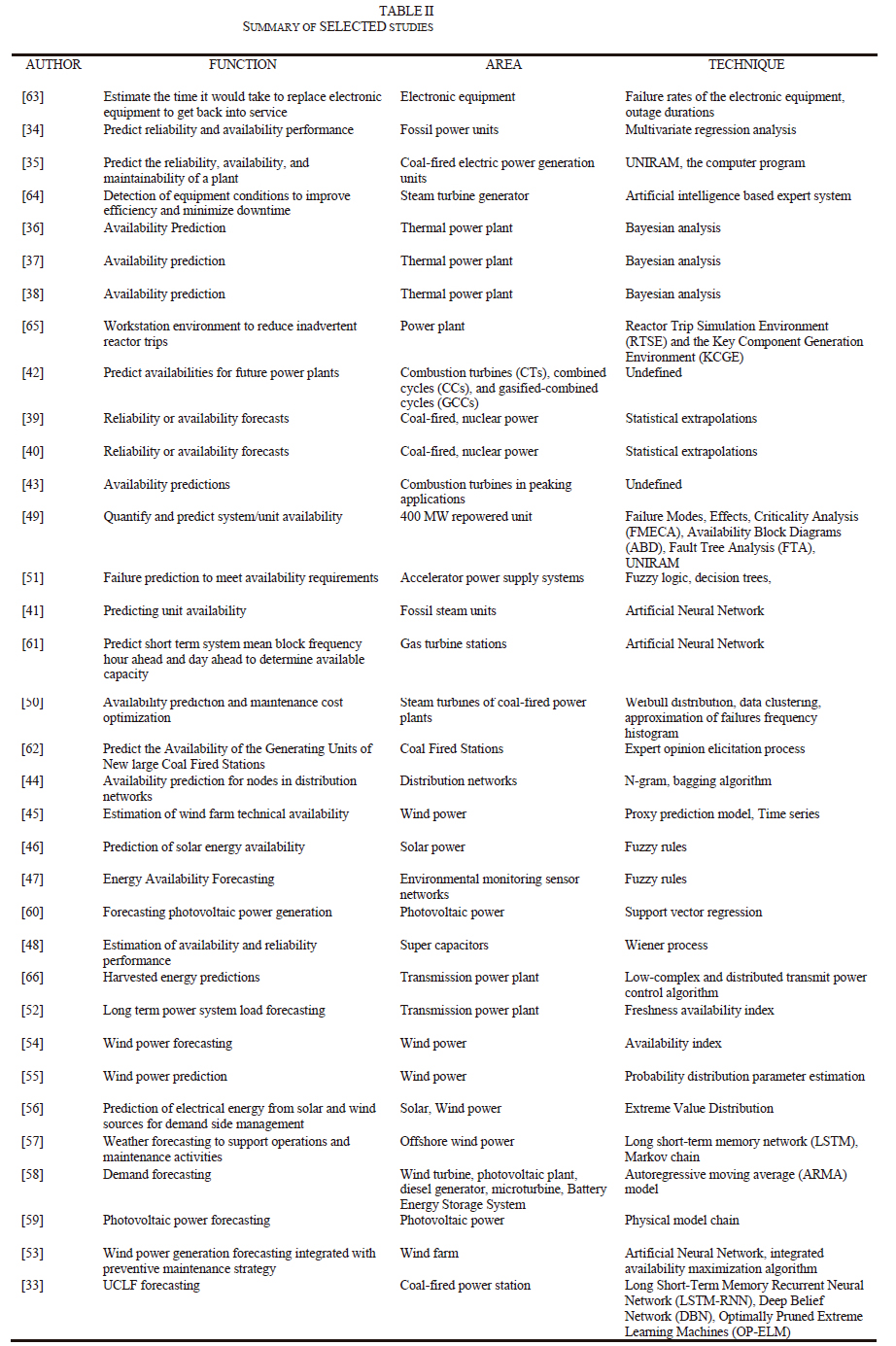
Table 2 shows that the prevalent techniques based on the studies conducted are Artificial Neural Network (ANN), Bayesian analysis, and fuzzy rules.
IV. DISCUSSION
According to Fig. 3, there has been a noticeable increase in interest regarding predicting power plant outcomes. This trend suggests that there is still scope for extensive research in this area, and there is no indication that the research has reached a saturation point. This gap presents an exciting opportunity to delve deeper into this field and to explore new avenues.
Regarding study distribution by country, the prevalence of studies is mainly in the US, China, and the Czech Republic, as indicated in Fig. 6. This clearly shows the paucity of studies in African countries, including South Africa. There is a significant gap in the literature on countries like South Africa, with only two studies identified. Considering the dominance of power stations in the electricity industry of South Africa and the frequent power failures encountered, this presents a unique opportunity for further research to fill these gaps.
As already mentioned, countries such as South Africa still produce most of their electricity from power stations. The paucity of medium-term horizon predictions of plant failures in power stations is yet another promising avenue for future research.
Regarding failure prediction, the word 'cloud' in Fig. 8 indicates that the term 'failure' is not frequently indexed, suggesting room for further research in this area. Despite this revelation, we noted that some authors interchangeably use the terms 'failure' and 'UCLF' (Unplanned Capability Loss Factor), where UCLF denotes the quantification of unexpected disruption in plant operations [33].
A. Context of Prediction for Power Plant
Most of the studies are concerned with prediction or forecasting of availability, mainly in coal-fired plant [34], [35], [36], [37], [38], [39], [40], and [41]. Other used cases are for availability of Gasified-Combined Cycles [42], Peaking Stations [43], Distribution plant [44], renewables [45] and [46], as well as for other plant equipment [47], [48], [49], and [50]. Only two of the papers mentioned the used case of failure prediction [33] and [51].
In terms of prediction horizon, there is no evidence of a medium-term prediction, instead the studies used short and long-term prediction. For example, [33] and [52] applied a long-term prediction, while most papers in the renewable space used short-term prediction as shown in Fig. 8. The renewable energy predictions are mainly for wind [53], [45], [54], [55], [56], [57], [58] and PV [59], [46], [60], [56], [58]. Renewable power is susceptible to uncertainty, which can disrupt the power grid dispatching plans, hence the short-term interval predictions. Singh et al. [56] concurs to this argument and added that accurate energy availability predictions are essential for effective demand-side management. By the same notion, [59] argued that precise photovoltaic power forecasts are crucial for the seamless integration into the grid.
B. Prediction Approach
Our analysis found a range of techniques available for prediction, including AI and non-AI. Notwithstanding the aforementioned, ANN, Bayesian analysis, and fuzzy rules were noted to be the most prevalent. To better understand these approaches, we will briefly discuss them.
a) ANN
ANN is an AI computational model that mimics the brain's interconnected network, learning to associate input data with corresponding outputs through weighted connections between processing units, and it achieves success when it accurately predicts outputs for both training and non-training data [41]. The ability of the ANN to discover hidden patterns in data, even without human knowledge combined with their ease of construction, training, and quick response time, has led to their widespread use [61].
b) Bayesian Analysis
Bayesian analysis is a statistical technique used to update probabilities based on new evidence, which in the context of power plants [36], [37], and [38] used it to anticipate forced outage hours for a power station. This approach is a valuable tool for identifying which generating units require attention to improve overall availability.
c) Fuzzy Rules
A fuzzy rule is an expression that can be depicted as a tree-like structure containing nodes and leaves, with information retrieval that uses expanded Boolean queries, which include search terms, operators, weights, and assesses them against an internal representation of a document collection [46].
d) Other Approaches
As we have pointed out, a range of approaches were highlighted in literature, other than the prevalent ones discussed above. A summary of these approaches is provided in Table 2. Some of these approaches are non-AI. For instance, a study by [49] presented a program for a fossil plant by applying multiple techniques such as Failure Modes, Effects, Criticality Analysis (FMECA), Availability Block Diagrams (ABD), Fault Tree Analysis (FTA), and Unified Reliability, Availability, and Maintainability (UNIRAM) to predict and quantify system and unit availability.
FMECA can identify potential failure modes, their effects, and their criticality, hence it is used to predict and quantify system and unit availability in power plants [49]. In the same study by [49], a graphical technique that represents the flow of availability in a system by using blocks to represent components or subsystems and arrows to represent the flow of availability between them, known as ABD is discussed. Linares [49] also analyzed FTA to break down system failures into lower-level events and logical gates to predict probabilities and identify combinations of events that can lead to failures. Linares [49] further used UNIRAM to combine reliability, availability, and maintainability analysis to predict and quantify system performance, considering factors such as failure rates, repair times, and maintenance policies, and using mathematical models and simulation to identify areas for improvement.
While these techniques are indeed effective in identifying potential failure modes, it's crucial to acknowledge their limitations. They do not account for combined failures and can be prone to inaccuracy due to their reliance on human intervention and the availability of sufficient data.
Addressing the challenge of limited previous data for predictions, [62] proposed the use of expert opinions to derive the EAF of new power stations. While this approach may be convenient, it might not be suitable for highly complex scenarios where quick decisions are necessary. However, the key takeaway is the importance of leveraging past data and gaining a comprehensive understanding of parameters such as future designs, operation, and maintenance policies, as advocated by [34]. Norman [39] and [40] underscored that meeting these requirements can significantly enhance future availability through the process of learning from experience.
An interesting discovery by [33] is the use of ensemble of method by combining multiple prediction models, including the Long Short-Term Memory Recurrent Neural Network (LSTM-RNN), Optimally Pruned Extreme Learning Machines (OPELM), and Deep Belief Network (DBN). Motepe et al. [33] argue that the ensemble models can potentially enhance the UCLF forecasting performance compared to a single technique. Although their approach indicates high accuracies, it has the limitation of not focusing on the model training performance, a gap that can be explored by future research. Another gap in their study is that the forecast period is one year and thus does not research the performance of the models in medium-term forecast windows, such as monthly.
Although various techniques have been presented in the existing literature, no evidence of literature deals with techniques such as Temporal Convolutional Networks (TCN), Gated Recurrent Units (GRU), and Quasi-Recurrent Neural Networks (QRNN).
V. CONCLUSION
A review of literature on prediction techniques used in power plant was conducted as a SLR to explore how widespread the prediction approaches have been used, establish the extent to which the existing literature explains the application of prediction approaches in power plants, and to gain an understanding of the most suitable approaches for predicting power plant failures. The study found that despite the prevalence of techniques such as ANN, Bayesian analysis, and fuzzy rules, limited literature explored prediction techniques in South Africa as most of these studies are conducted mainly in the USA. Thus, there is still significant room for research in this area as the existing research has not reached saturation. Hence, this gap presents an opportunity for further research, particularly considering the importance of power stations in South Africa's electricity industry and the frequent power failures experienced. The study also revealed a need for mediumterm horizon predictions of plant failures, as evidenced by the scarcity of indexing of the term 'failure' in relation to power plant prediction, suggesting a need for further research in this area.
The findings of this SLR can serve as a compass for future research in predicting power plant failures. The focus can be on AI techniques, particularly TCN, GRU, and QRNN, which were not extensively explored in the reviewed studies. Researchers can also delve into model training performance to enhance prediction accuracy and develop and evaluate models with a medium-term forecast window. These efforts can deepen our understanding of plant failure prediction, aiding power stations in reducing unplanned outages and improving plant availability.
To realize the benefits of this research, a structured framework is proposed to guide power plants in ensuring the accuracy and reliability of their models. The academic implication is for future researchers to explore frameworks that can assist power plants in implementing and evaluating AI-based prediction techniques. For the electricity industry, such a framework can facilitate the integration of AI technologies into existing plant operations, enhancing decision-making and plant reliability.
This study offered an overview of the prediction techniques employed in power plants. Such contribution can serve as a dependable reference for scholars and researchers who wish to avoid the arduous task of sifting through many individual research papers and enhance the electricity industry.
References
- [1] F. Belaïd, A. Al-Sarihi, and R. Al-Mestneer, "Balancing climate mitigation and energy security goals amid converging global energy crises: The role of green investments," Renewable Energy, vol. 205, pp. 534-542, 2023.
- [2] W. Grebski and A. Kuzior, "Opportunities and challenges in addressing the global energy crisis," Rynek Energii, 2022.
- [3] Y. Guan et al., "Burden of the global energy price crisis on households," Nature Energy, vol. 8, no. 3, pp. 304-316, 2023.
- [5] T. Smal and J. Wieprow, "Energy security in the context of global energy crisis: economic and financial conditions," Energies, vol. 16, no. 4, p. 1605, 2023.
- [6] A. Vaughan, "The first global energy crisis," ed: Elsevier, 2022.
- [7] B. Zakeri et al., "Pandemic, war, and global energy transitions. Energies 2022, 15, 6114," ed: s Note: MDPI stays neutral with regard to jurisdictional claims in published 2022.
- [8] O. Analytica, "Eskom questions will overshadow South Africa budget," Emerald Expert Briefings, no. oxan-es, 2023.
- [9] O. Analytica, "Power and reform woes will slow South Africa's growth," Emerald Expert Briefings, no. oxan-db, 2023.
- [10] O. Analytica, "Reform challenge may extend South Africa energy crisis," Emerald Expert Briefings, no. oxan-db, 2023.
- [11] N. Benenson, "Power Crisis as an Impetus of the Green Transition: an Empirical Study on South Africa's Mining Industry," 2023.
- [12] N. W. Hlongwane and O. D. Daw, "Assessing the possibility of medupi and kusile providing enough electricity running at full capacity in South Africa," International Journal of Energy Economics and Policy, vol. 13, no. 4, pp. 28-39, 2023.
- [13] T. P. Carvalho, F. A. Soares, R. Vita, R. d. P. Francisco, J. P. Basto, and S. G. Alcalá, "A systematic literature review of machine learning methods applied to predictive maintenance," Computers & Industrial Engineering, vol. 137, p. 106024, 2019.
- [14] A. Hernandez-Matheus et al., "A systematic review of machine learning techniques related to local energy communities," Renewable and Sustainable Energy Reviews, vol. 170, p. 112651, 2022.
- [15] A. Mosavi, M. Salimi, S. Faizollahzadeh Ardabili, T. Rabczuk, S. Shamshirband, and A. R. Varkonyi-Koczy, "State of the art of machine learning models in energy systems, a systematic review," Energies, vol. 12, no. 7, p. 1301, 2019.
- [16] N. S. M. Salleh, A. Suliman, and B. N. Jorgensen, "A Systematic Literature Review of electricity load forecasting using Long Short-Term Memory," in Proceedings of the 8th International Conference on Computational Science and Technology, 2022: Springer, pp. 765-776.
- [17] E. Vivas, H. Allende-Cid, and R. Salas, "A systematic review of statistical and machine learning methods for electrical power forecasting with reported mape score," Entropy, vol. 22, no. 12, p. 1412, 2020.
-
[18] J. Breitenbach et al., "A systematic literature review of deep learning approaches in smart meter data analytics," in 2022 IEEE 46th Annual Computers, Software, and Applications Conference (COMPSAC), 2022: IEEE, pp. 1337-1342.
» https://doi.org/10.1016/0951-8320(88)90056-7 - [25] A. Qazi et al., "Towards sustainable energy: a systematic review of renewable energy sources, technologies, and public opinions," IEEE access, vol. 7, pp. 63837-63851, 2019.
- [26] W.-Y. Chang, "A literature review of wind forecasting methods," Journal of Power and Energy Engineering, vol. 2, no. 04, p. 161, 2014.
- [27] J. Maldonado-Correa, J. Solano, and M. Rojas-Moncayo, "Wind power forecasting: A systematic literature review," Wind Engineering, vol. 45, no. 2, pp. 413-426, 2021.
- [28] C. Kuster, Y. Rezgui, and M. Mourshed, "Electrical load forecasting models: A critical systematic review," Sustainable cities and society, vol. 35, pp. 257-270, 2017.
- [29] M. J. Page et al., "The PRISMA 2020 statement: an updated guideline for reporting systematic reviews," Bmj, vol. 372, 2021.
- [30] C. Schardt, M. B. Adams, T. Owens, S. Keitz, and P. Fontelo, "Utilization of the PICO framework to improve searching PubMed for clinical questions," BMC medical informatics and decision making, vol. 7, pp. 1-6, 2007.
- [31] R. Harbour, G. Lowe, and S. Twaddle, "Scottish Intercollegiate Guidelines Network: the first 15 years (1993-2008)," The journal of the Royal College of Physicians of Edinburgh, vol. 41, no. 2, pp. 163-168, 2011.
- [32] M. Hammersley, "On 'systematic'reviews of research literatures: a 'narrative'response to Evans & Benefield," British educational research journal, vol. 27, no. 5, pp. 543-554, 2001.
- [34] D. Berkey and H. Balaban, "Role of design complexity in forecasting reliability and availability for electric-power-generating units. Final report," Arinc Research Corp., Annapolis, MD (USA), 1982.
- [35] M. Neely and N. Gardner, "Reliability and availability analyses of coal-fired units: Validation of a predictive methodology," (in English), Electr Power Res Inst Adv Power Syst Div Rep EPRI AP, Article 1983. [Online]. Available: https://www.scopus.com/inward/record.uri?eid=2-s2.0-85040293142&partnerID=40&md5=7f7635c36ebfeb14582de88de23c58b7.
-
[36] E. M. Gulachenski and W. K. Tsai, "Power Plant Availability Prediction Using Standard Bayesian Analysis of Nerc/Gads Component Cause Code Failure Data," (in English), IEEE Power Eng. Rev., Article vol. PER-5, no. 7, pp. 21-22, 1985, doi: 10.1109/MPER.1985.5528447.
» https://doi.org/10.1109/MPER.1985.5528447 - [37] E. M. Gulachenski and W. K. Tsai, "Power Plant Availability Prediction Using Standard Bayesian Analysis of Nerc/Gads Component Cause Code Failure Data," 1985: IEEE. [Online]. Available: https://www.scopus.com/inward/record.uri?eid=2-s2.0-0021817010&partnerID=40&md5=2a24fb9a4ff9e0f617615f46f610e09a. [Online]. Available: https://www.scopus.com/inward/record.uri?eid=2-s2.0-0021817010&partnerID=40&md5=2a24fb9a4ff9e0f617615f46f610e09a
-
[38] E. M. Gulachenski and W. K. Tsai, "Power Plant Availability Prediction Using Standard Bayesian Analysis of Nerc/Gads Component Cause Code Failure Data," (in English), IEEE transactions on power apparatus and systems, Article vol. PAS-104, no. 7, pp. 1593-1601, 1985, doi: 10.1109/tpas.1985.319187.
» https://doi.org/10.1109/tpas.1985.319187 - [40] D. Norman, "Incorporating operational experience and design changes in availability forecasts," 1987. [Online]. Available: https://www.scopus.com/inward/record.uri?eid=2-s2.0-0023545102&partnerID=40&md5=caa3254c2a764e3f75399db518945bd7. [Online]. Available: https://www.scopus.com/inward/record.uri?eid=2-s2.0-0023545102&partnerID=40&md5=caa3254c2a764e3f75399db518945bd7
- [41] C. E. Romero, M. Laichalk, and L. Kielasa, "A neural network approach fo predicting unit availability," 1999.
- [42] J. J. Lofe, J. L. Pourciau, and R. R. Richwine, "Availability predictions for combustion turbines, combined cycle, and gasification-combined cycle power plants," in American Society of Mechanical Engineers (Paper), 1987: ASME, USA,pap 87-JPGC-PWR-64. [Online]. Available: https://www.scopus.com/inward/record.uri?eid=2-s2.0-0023590130&partnerID=40&md5=c7431610a48fd332c2b9a2dda1b8de2a. [Online]. Available: https://www.scopus.com/inward/record.uri?eid=2-s2.0-0023590130&partnerID=40&md5=c7431610a48fd332c2b9a2dda1b8de2a
- [43] A. Jenkins and J. Lofe, "Availability predictions for combustion turbines in peaking applications," Turbomachinery International;(United States), vol. 30, no. 7, 1989.
- [44] J. You, J. Xue, and J. Wang, "A behavior cluster based availability prediction approach for nodes in distribution networks," in 2013 IEEE International Conference on Acoustics, Speech and Signal Processing, 2013: IEEE, pp. 2810-2814.
- [45] J. Kaldellis and D. Zafirakis, "The influence of technical availability on the energy performance of wind farms: Overview of critical factors and development of a proxy prediction model," Journal of Wind Engineering and Industrial Aerodynamics, vol. 115, pp. 65-81, 2013.
- [46] P. Musilek, P. Krömer, J. Rodway, and M. Prauzek, "Pressure-based forecasting of next-day solar energy availability using evolutionary fuzzy rules," in 2015 IEEE International Conference on Fuzzy Systems (FUZZ-IEEE), 2015: IEEE, pp. 1-8.
- [47] M. Prauzek, P. Musilek, P. Krömer, J. Rodway, M. Stankus, and J. Hlavica, "Energy availability forecasting for harvesting-aware wireless sensor networks: Analysis of energy demand of a predictor based on evolutionary fuzzy rules," in 2015 International Conference on Intelligent Networking and Collaborative Systems, 2015: IEEE, pp. 200-203.
- [48] D. Valis, O. Novacek, and J. Chaloupka, "Suitability of Wiener process based model for prediction of temperature dependent super capacitor availability," in 2016 IEEE International Conference on Industrial Engineering and Engineering Management (IEEM), 2016, vol. 2016-January: IEEE Computer Society, pp. 782-786, doi: 10.1109/IEEM.2015.7385754. [Online]. Available: https://www.scopus.com/inward/record.uri?eid=2-s2.0-84962032898&doi=10.1109%2fIEEM.2015.7385754&partnerID=40&md5=dd729501af7a79a628483f6b09c9bc3b
- [49] E. Linares, "Predicting design availability of a 400 MW repowered unit," in International Power Generation Conference, Atlanta, GA, USA, 10/18-22/92, 1992, pp. 1-10.
- [50] L. Houdova, L. Houdova, L. Jelinek, and E. Janecek, "Approach to solving the task of availability prediction and cost optimization of a steam turbine," in Proceedings of the ITI 2010, 32nd International Conference on Information Technology Interfaces, 2010: IEEE, pp. 629-634.
- [51] S. Sarkar, W. Merz, and F. Meyer, "Proposal to use failure prediction as a means of meeting availability requirements at the SSC," in Proceedings of International Conference on Particle Accelerators, 1993: IEEE, pp. 1841-1843.
- [52] X. Wenbo, S. Jia, X. Weidong, Y. Dawei, L. Zheng, and Z. Jin, "The model combination method of power system load forecasting based on freshness availability index," 2018: Institute of Electrical and Electronics Engineers Inc., pp. 585-588, doi: 10.1109/ICPRE.2017.8390602. [Online]. Available: https://www.scopus.com/inward/record.uri?eid=2-s2.0-85050334411&doi=10.1109%2fICPRE.2017.8390602&partnerID=40&md5=73be81f2eaff6ab85ea23fbc5bd46dcb
- [53] A. Sa'ad, A. C. Nyoungue, and Z. Hajej, "An integrated maintenance and power generation forecast by ANN approach based on availability maximization of a wind farm," (in English), Energy Reports, Article vol. 8, pp. 282-301, 2022, doi: 10.1016/j.egyr.2022.06.120.
- [54] Y. Teng, Q. Hui, Y. Li, O. Leng, and Z. Chen, "Availability estimation of wind power forecasting and optimization of day-ahead unit commitment," Journal of Modern Power Systems and Clean Energy, vol. 7, no. 6, pp. 1675-1683, 2019.
-
[55] W. Ge, P. Sun, J. Li, Q. Hui, and X. Kong, "Robust estimation model of wind power prediction availability in the period of power system peak load," (in Chinese), Gaodianya Jishu, Article vol. 45, no. 4, pp. 1281-1288, 2019, doi: 10.13336/j.1003-6520.hve.20180822015.
» https://doi.org/10.13336/j.1003-6520.hve.20180822015 - [56] M. Singh, R. Jha, and M. Hasan, "Prediction of Energy Availability from Solar and Wind for Demand Side Management," in Applications of Artificial Intelligence Techniques in Engineering: SIGMA 2018, Volume 1, 2019: Springer, pp. 303-311.
-
[57] R. K. Pandit, A. Kolios, and D. Infield, "Data-driven weather forecasting models performance comparison for improving offshore wind turbine availability and maintenance," (in English), IET Renewable Power Generation, Article vol. 14, no. 13, pp. 2386-2394, 2020, doi: 10.1049/iet-rpg.2019.0941.
» https://doi.org/10.1049/iet-rpg.2019.0941 -
[58] L. Alvarado-Barrios, Á. Rodríguez del Nozal, J. Boza Valerino, I. García Vera, and J. L. Martínez-Ramos, "Stochastic unit commitment in microgrids: Influence of the load forecasting error and the availability of energy storage," (in English), Renewable Energy, Article vol. 146, pp. 2060-2069, 2020, doi: 10.1016/j.renene.2019.08.032.
» https://doi.org/10.1016/j.renene.2019.08.032 - [59] M. J. Mayer, "Influence of design data availability on the accuracy of physical photovoltaic power forecasts," Solar Energy, vol. 227, pp. 532-540, 2021.
- [60] J. G. d. S. F. Junior, T. OozekI, H. Ohtake, T. Takashima, and K. Ogimoto, "Regional forecasts of photovoltaic power generation according to different data availability scenarios: A study of four methods," 2015.
- [61] A. K. Gupta, R. Balasubramanian, and N. Vaitheeswaran, "ANN-based block frequency prediction in ABT regime and optimal availability declaration," in 2008 IEEE Power and Energy Society General Meeting-Conversion and Delivery of Electrical Energy in the 21st Century, 2008: IEEE, pp. 1-8.
- [62] V. Micali, "Prediction of availability for new power plant in the absence of data," in 2012 Proceedings of the 9th Industrial and Commercial Use of Energy Conference, 2012: IEEE, pp. 1-8.
- [63] C. R. Heising and R. J. Ringlee, "Prediction of reliability and availability of HVDC valve and HVDC terminal," IEEE Transactions on Power Apparatus and Systems, no. 4, pp. 619-624, 1970.
- [64] R. Osborne, A. Gonzalez, F. Emery, M. Hurwitz, T. McCloskey, and J. Edmonds, "Increased power plant availability and reliability through on-line diagnostics based on artificial intelligence," in Proceedings of the American Power Conference, 1985, vol. 47, pp. 539-543.
- [65] M. V. Frank and S. A. Epstein, "Application of artificial intelligence to improve plant availability," San Diego, CA, USA, 1986, vol. 17: Soc for Computer Simulation, 1 ed., pp. 92-97. [Online]. Available: https://www.scopus.com/inward/record.uri?eid=2-s2.0-0022555003&partnerID=40&md5=54143187a87f190f4195baae9586cca8. [Online]. Available: https://www.scopus.com/inward/record.uri?eid=2-s2.0-0022555003&partnerID=40&md5=54143187a87f190f4195baae9586cca8
-
[66] K. Suto, H. Nishiyama, N. Kato, and T. Kuri, "Model predictive joint transmit power control for improving system availability in energy-harvesting wireless mesh networks," (in English), IEEE Communications Letters, Article vol. 22, no. 10, pp. 2112-2115, 2018, Art no. 8421207, doi: 10.1109/LCOMM.2018.2860005.
» https://doi.org/10.1109/LCOMM.2018.2860005