Energy efficient statistical cooperative spectrum sensing in cognitive radio networks
Abstract
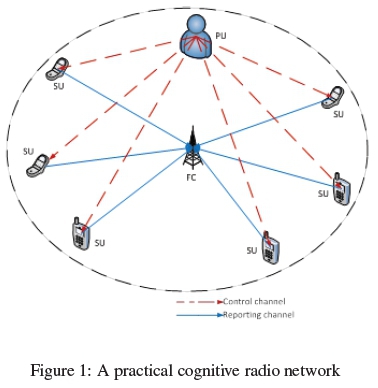
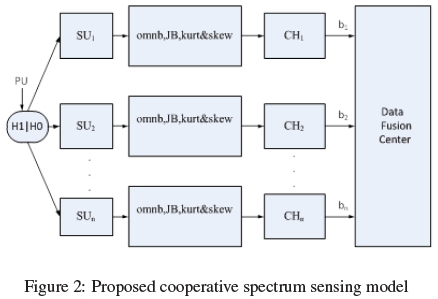
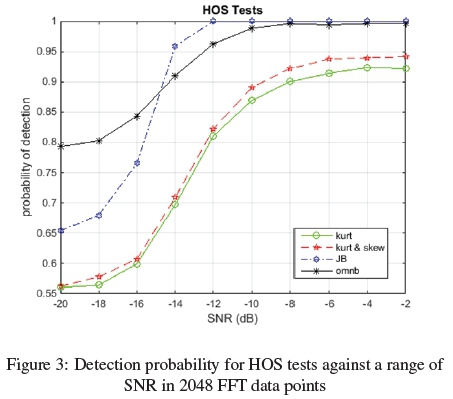
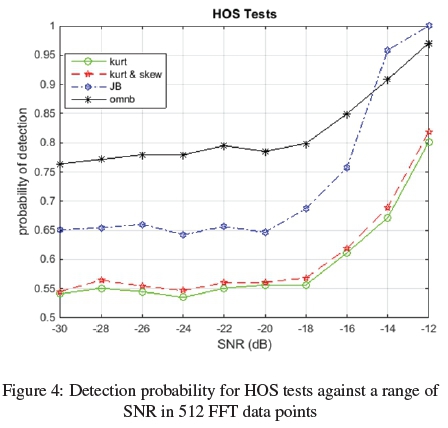
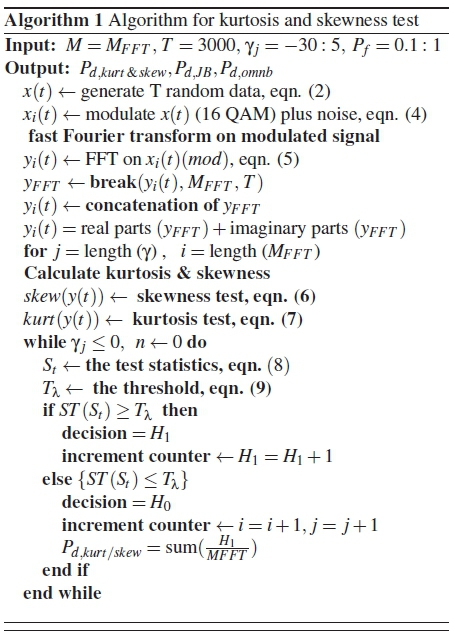
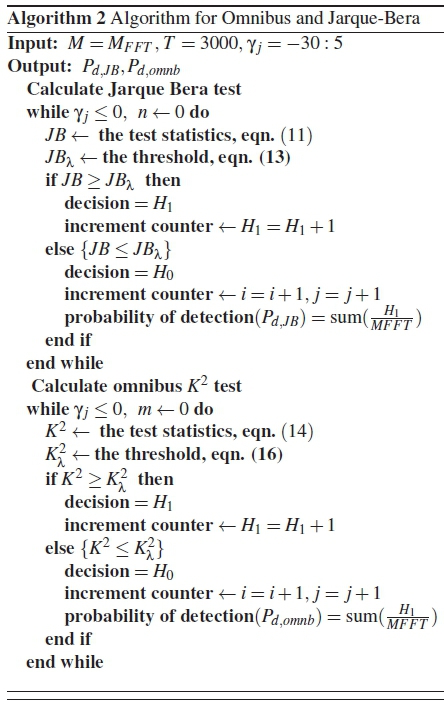
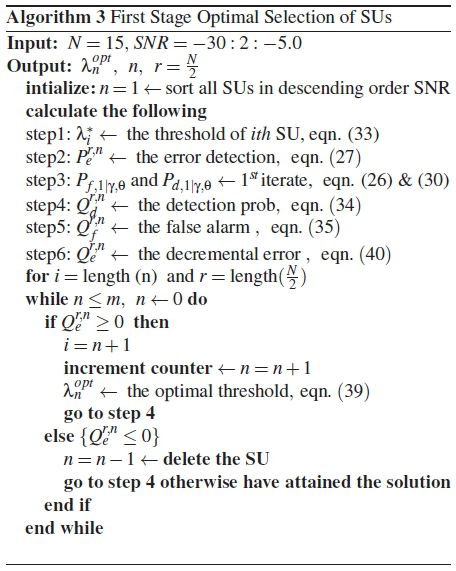
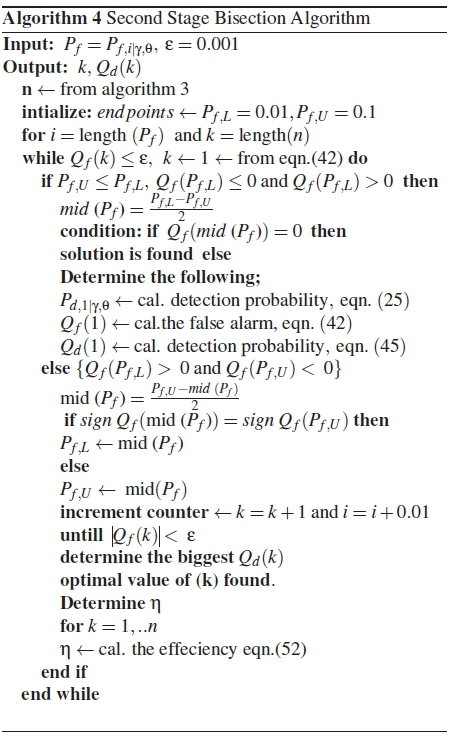
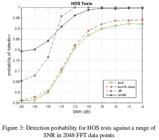
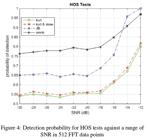
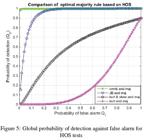
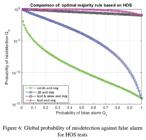
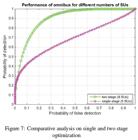
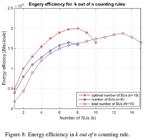
Cooperative spectrum sensing (CSS) alleviates the problem of imperfect detection of primary users (PU)s in cognitive radio (CR) networks by exploiting spatial diversity of the different secondary users (SUs). The efficiency of CSS depends on the accuracy of the SUs in detecting the PU and accurate decision making at the fusion center (FC). This work exploits the higher order statistical (HOS) tests of the PU signal for blind detection by the SUs and combination of their decision statistics to make a global decision at the FC. To minimize energy, a two stage optimization paradigm is carried out, firstly by optimal iterative selection of SUs in the network using Lagrange criterion and secondly optimized fusion techniques achieved by Neyman Pearson. The probability of detecting the PU based on HOS and hard fusion schemes is investigated. The results indicate that the Omnibus HOS test based detection and optimized majority fusion rule greatly increases the probability of detecting the PU and reduces the overall system energy consumption.
Cognitive radio; cooperative spectrum sensing; fusion techniques; higher order statistics; primary user; secondary user
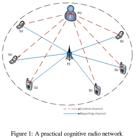 Thumbnail
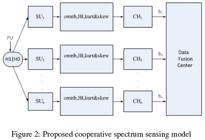 Thumbnail
 Thumbnail
 Thumbnail
 Thumbnail
 Thumbnail
 Thumbnail
 Thumbnail