Measuring working memory in contexts of high adversity: Using the digit span in North Kivu
Abstract
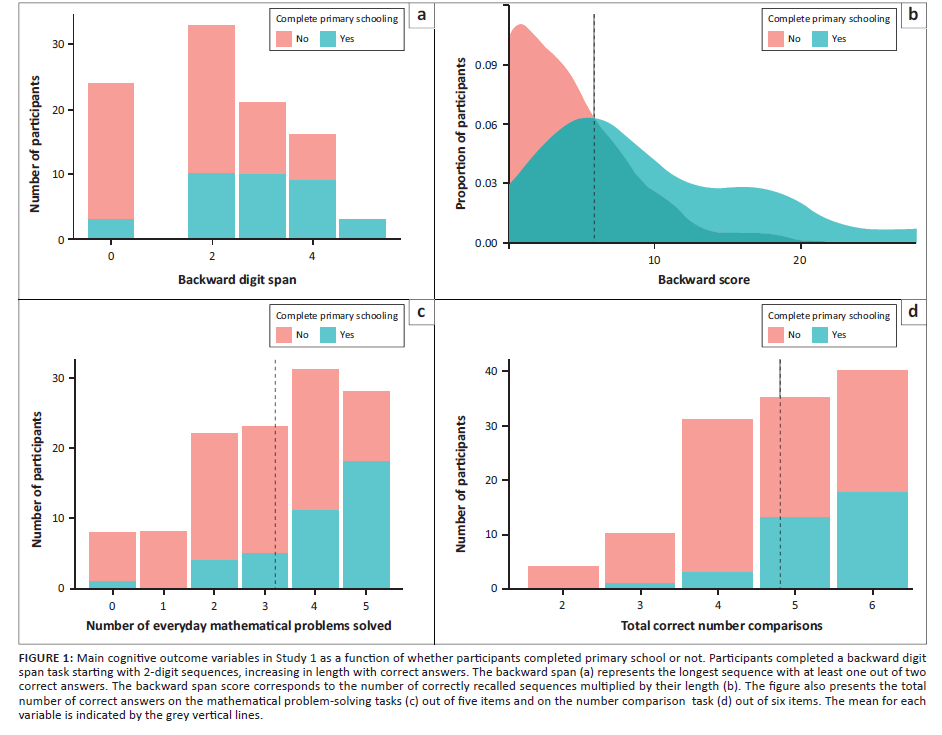
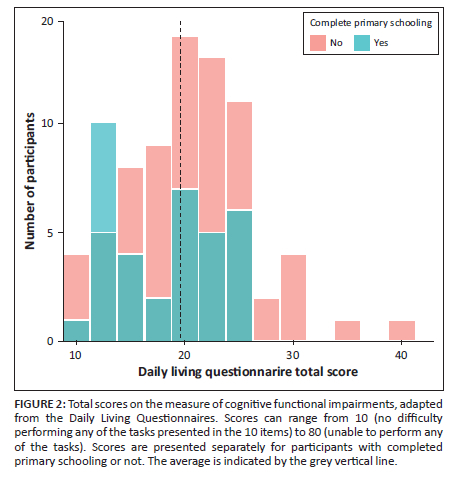
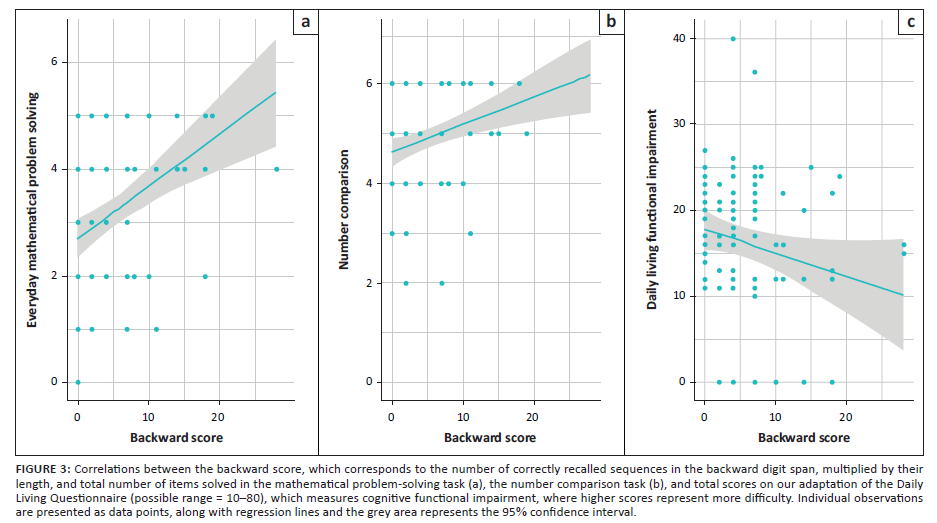
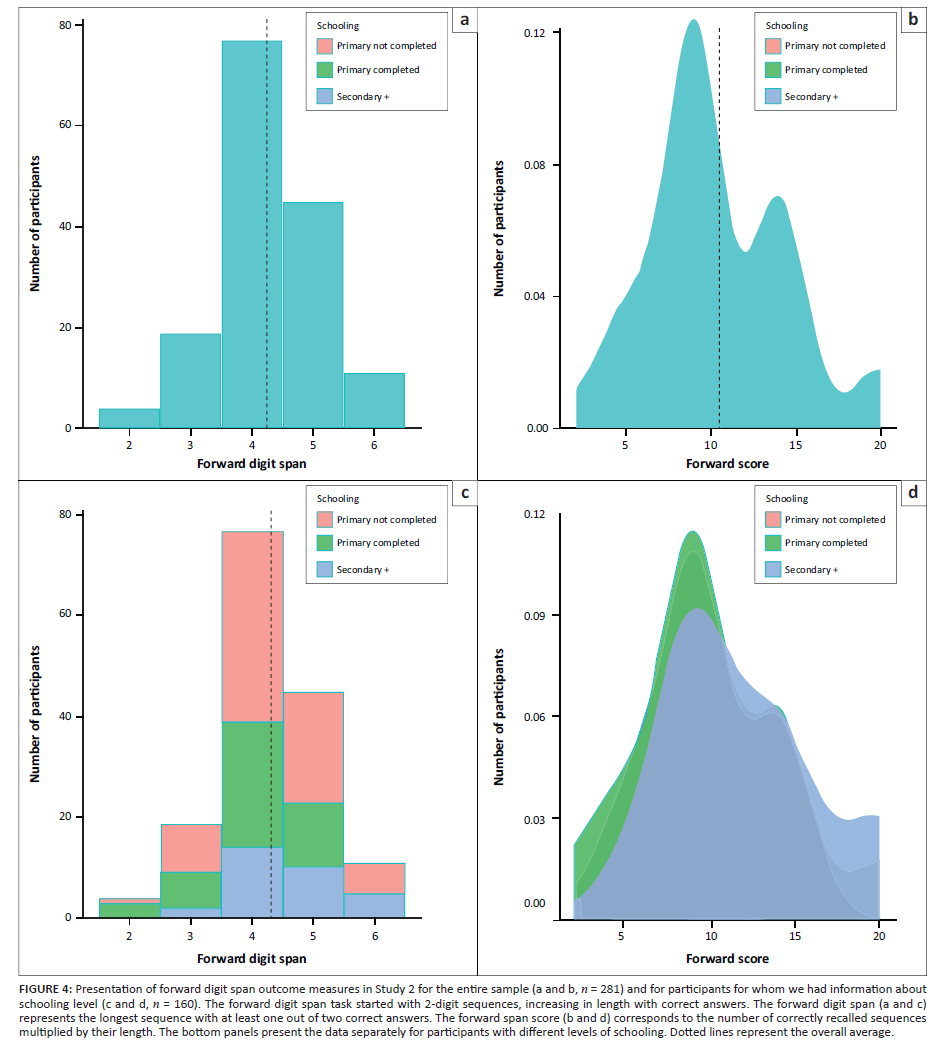
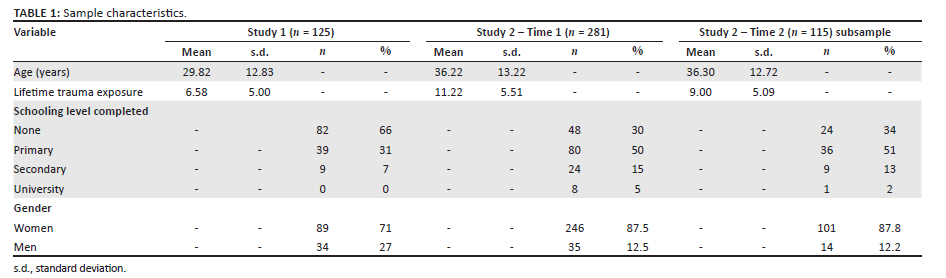
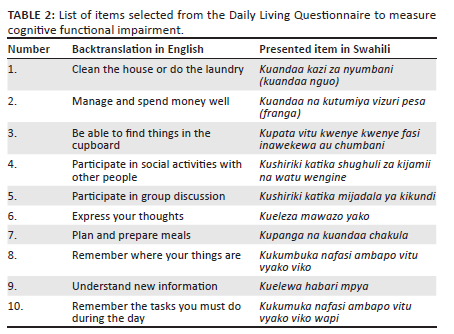
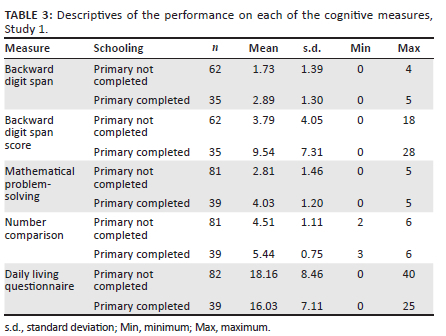
Having good measures of executive functions in general and of working memory (WM) in particular is very important, as these cognitive functions are associated with numerous consequential outcomes. Because few studies have examined WM in underprivileged populations exposed to high levels of adversity, including chronic armed conflicts and frequent natural disasters, the relevance of WM assessments in this context is still unknown. Our general objective was to examine the usefulness and usability of simple digit span measures of WM in contexts of high adversity, in North Kivu, in the eastern Democratic Republic of Congo, specifically by investigating links with formal schooling and other cognitive measures, as well as test-retest reliability. We conducted two studies. The first study included 97 internally displaced participants recently exposed to an upsurge in armed conflicts. In the second study, 281 participants were tested shortly after the eruption of the Nyaragongo volcano, and 115 of them were tested again 8 weeks after. We used the forward digit span, backward digit span and instruments measuring functional impairments and everyday cognitive skills. Performance on the digit span was associated with the level of schooling as well as everyday mathematical problem-solving and self-reported functional cognitive impairments. The results also showed a relatively strong stability of the forward digit span scores over an 8-week period. CONTRIBUTION: Results of these studies support the usefulness of a simple digit span measure to study one important aspect of executive function in contexts of high adversity.
executive function; short-term memory; democratic Republic of Congo; cognition; armed conflicts; natural disasters
 Thumbnail
 Thumbnail
 Thumbnail
 Thumbnail