Frameworks used to evaluate community-based rehabilitation interventions: A scoping review
Abstract
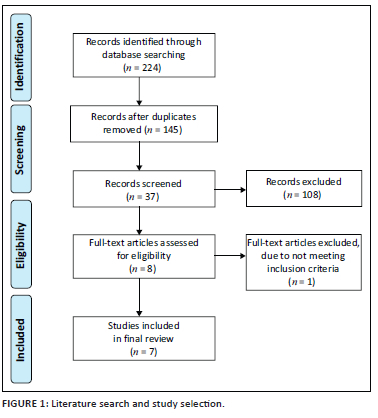
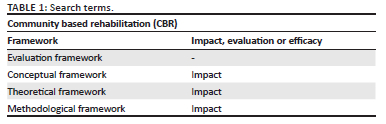
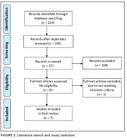
BACKGROUND: Community-based rehabilitation (CBR) interventions are important for improving the well-being of people with disabilities. However, there is no universally accepted framework for evaluating these interventions, which limits their effectiveness and integration into policy OBJECTIVES: To explore theoretical frameworks used in evaluating CBR interventions, assessing their suitability, context-specific applicability and cultural relevance METHOD: A scoping review methodology was employed to examine the literature. Databases searched included PubMed, CINAHL, EBSCOhost and Web of Science. Broad search terms and keywords used were CBR, analytical and/or methodological and/or theoretical and/or conceptual and/or evaluation framework, impact and evaluation. Only full-text articles written in English and published between 2000 and 2020 were included. Data were analysed using a narrative synthesis method RESULTS: No single framework has been widely recognised as the superior or most effective standard for evaluating CBR interventions. Instead, a combination of the CBR matrix and CBR guidelines was frequently used and adapted to be context-specific CONCLUSION: While cultural relevance and context specificity are recognised as essential to the evaluation process - and measuring outcomes at the individual level is viewed as most appropriate - there remains a need for a certain level of standardisation CONTRIBUTION: The study highlights the need for context-specific and culturally relevant evaluation frameworks for CBR interventions, including appropriate outcome measures and/or evaluation instruments
community-based rehabilitation; evaluation; framework; scoping review; theoretical framework; impact assessment; rehabilitation evaluation
 Thumbnail