Key success factors for the implementation of quality management systems in developing countries
Abstract
BACKGROUND: Despite the tremendous progress made in advancing laboratory medicine in low- and middle-income countries (LMICs), inadequate quality management systems (QMSs) remain a problem and barrier to provision of reliable laboratory services in resource-limited settings. Therefore, it is useful to study the experience of medical laboratories in LMICs that have successfully implemented QMS AIM: This review identified key success factors (KSFs) for medical laboratories in LMICs implementing QMS in accordance with the International Organization for Standardization standard 15189 as a pathway to improving laboratory quality METHODS: Applying Preferred Reporting Items for Systematic Reviews procedures, we conducted a targeted search of studies from LMICs published between 2012 and 2022 to identify KSFs. Thirty-two out of 952 references retrieved were considered relevant and included in this review. Grounded theory was used to extract key features of the included studies to derive KSFs RESULTS: Ten KSFs for medical laboratories striving to implement QMS were identified and described. These KSFs were integrated to create a model of success for laboratory QMS implementation. The model consists of three underlying factors, namely preparing for change, resource availability, and effective project management, each comprising three separate KSFs. Institutional commitment was identified as the core of the model and is integral to ensuring the quality of laboratory services CONCLUSION: Laboratories planning to implement a QMS can benefit from understanding the KSFs demonstrated in this study as this would help them to identify the necessary changes to implement and set realistic expectations about the outcomes of QMS implementation
laboratory quality; accreditation of medical laboratories; ISO 15189; strengthening laboratory quality management systems; quality improvement
Introduction
Healthcare systems around the world are tasked with improving the quality of medical care and patient safety. High-quality laboratory services are critical to achieving this goal, considering the significance of laboratory testing results in physicians' decision-making processes.1,2,3
Currently, the International Organization for Standardization (ISO) 15189:2012 'Medical laboratories - Requirements for quality and competence' standard4561,7,8,9,10,11,12,13
At the same time, it is noteworthy that implementation of the standard is not an easy task, and preparation for accreditation is typically considered a multi-year, expensive, and labour-intensive project, even in developed countries.7,8,9,12,14 Establishing and maintaining the standard's requirements presents significant and often insurmountable challenges in resource-poor settings.3,7,15,16,17
Starting with the Maputo declaration in 2008, global efforts to strengthen laboratory medicine in low- and middle-income countries (LMICs) and the unprecedented increase in international funding for these initiatives has made it possible to significantly improve the quality of laboratory services in LMICs.18,19 However, despite these tremendous advances in laboratory medicine, inadequate QMSs remain a problem and one of the barriers to the provision of reliable laboratory services in many LMICs.3,15,16 Therefore, it is useful to study the experience of medical laboratories in LMICs that have successfully implemented QMS and improved laboratory quality.
Awareness of the factors that affect the success of a QMS implementation would help identify the main steps that medical laboratories or their parent organisations (hereinafter referred to as 'the implementers') need to take in implementing necessary changes. These factors are actively discussed in the literature. However, the respective studies are predominantly focused on individual laboratories, or a small number of laboratories located in specific countries. A systematic review would provide a balanced and unbiased summary of the accumulated studies.
Consequently, this research aimed to identify the key success factors (KSFs) for medical laboratories in LMICs striving to implement QMS in accordance with ISO 15189 as a pathway to improving laboratory quality.
Methods
Reporting guidelines
The Preferred Reporting Items for Systematic Reviews (PRISMA) was used to guide the reporting of this review.20
For this systematic review, we searched Medline (i.e., PubMed), Web of Science, and Google Scholar in June 2022. The terms 'ISO 15189 accreditation', 'laboratory quality management system', and 'medical laboratories' were used in various combinations with the following words: 'success', 'strengthening', 'improvement', and 'implementation'. Additional search terms, namely 'Africa', 'Asia', 'low-income countries', and 'countries with limited resources' were used to narrow down the search results. The results were cross-referenced with the World Bank's 2022 list of low-, lower-middle-, and upper-middle-income countries.21
Study selection and data extraction
Two reviewers screened the titles and abstracts against the eligibility criteria. All the potentially relevant articles were accessed in full-text format. Both reviewers independently made the final decision on whether to include each of the articles in this review, and conflicting decisions were discussed and resolved. The articles were subjected to content analysis by two reviewers, each of whom extracted and documented the key findings of the included studies.
Inclusion сriteria
Articles that were published in English between 2012 and 2022 and contained primary data that demonstrated the results of QMS implementation in medical laboratories in LMICs according to the standard's requirements were included in the review. No restrictions were placed on the research design.
Exclusion сriteria
We excluded studies without a direct focus on the implementation of the standard's requirements, as well as studies whose reports of such implementation did not include information about the immediate evidence of improvement in the quality of laboratory services. We also excluded studies conducted in non-medical laboratories (forensic, research, etc.).
Data synthesis
We used the grounded theory to identify the KSFs, with the data analysed using a multistage procedure of open, axial and selective coding.22
Assessment of the study quality
One reviewer critically evaluated the methodological quality of the papers using the critical appraisal tool described by Hawker et al.2323
Results
Literature search results
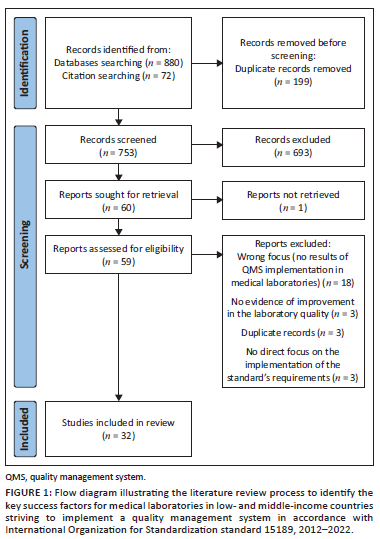
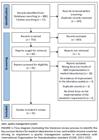
A total of 952 records were identified through databases (n = 880) and citation (n = 72) searching. After removing the duplicates, 753 abstracts were retrieved and screened. After applying the inclusion and exclusion criteria, two independent reviewers narrowed down the references to 59 full-text versions of articles. The analysis of those articles led to 32 of them being included in the final analysis (Figure 1).
Characteristics of the identified studies
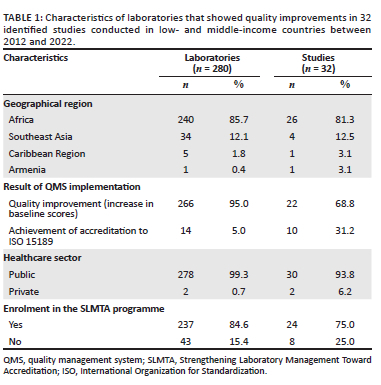
Most of the studies included in this review were conducted in Africa: Ethiopia (n = 6), Kenya (n = 4), Tanzania (n = 3), Lesotho (n = 3), Botswana (n = 2), Nigeria (n = 2), Cameroon (n = 2), Mozambique (n = 2), Rwanda (n = 1), Zambia (n = 1), Ghana (n = 1), Zimbabwe (n = 1), and Benin (n = 1).24,25,26,27,28,29,30,31,32,33,34,35,36,37,38,39,40,41,42,43,44,45,46,47,48,49 Studies reporting data from the Southeastern Asian countries (Cambodia [n = 2], Vietnam [n = 2]),50,51,52,53 the Caribbean Region (n = 1),54n = 1)55
The 32 studies included in this review demonstrated the results of successful QMS implementation in 280 medical laboratories; 266 showed quality improvement and 14 met the standard's requirements and achieved accreditation (Table 1). Two hundred and seventy-eight out of the 280 laboratories were in the public sector. Most (n = 237) of the studies were conducted in laboratories enrolled in the Strengthening Laboratory Management Toward Accreditation programme.
Study quality
The included studies varied in their methodological quality: two studies received the highest attainable score - 36 points, 13 scored between 33 and 35 points, 16 scored between 29 and 32 points, and just one scored 25 points. Studies lost points mostly due to insufficient presentation of the methods of research (n = 5; 16%) and result bias (n = 22; 69%).
Model of success for laboratory quality management system implementation
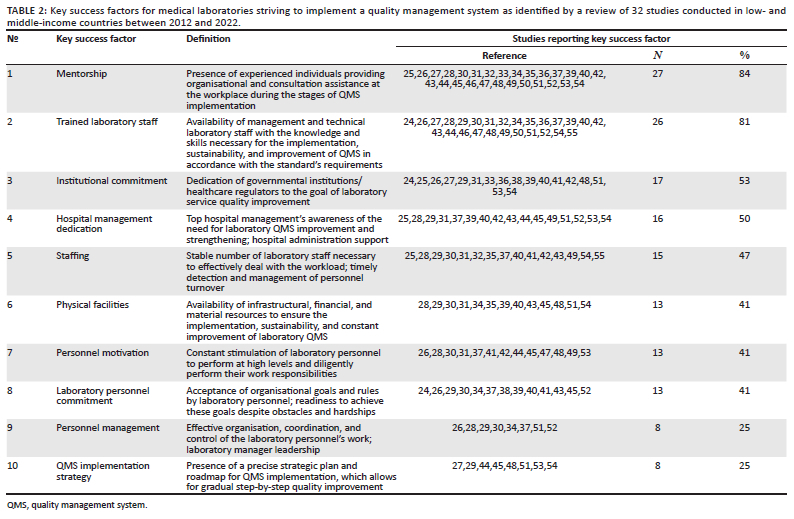
The use of open and axial coding techniques22Table 2). Across the 32 studies, the most frequently identified KSFs were 'mentorship' (n = 27; 84%) and 'trained laboratory staff' (n = 26; 81%), while the least common factors were 'personnel management' (n = 8; 25%) and 'QMS implementation strategy' (n = 8; 25%).
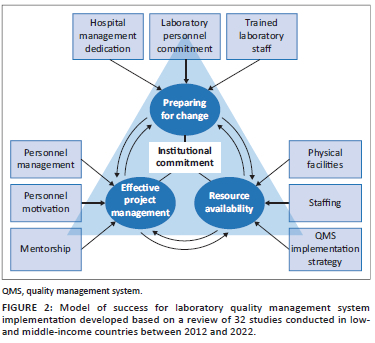
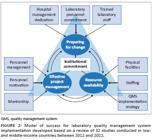
Using the selective coding technique,22Figure 2). This model consists of three underlying factors, namely preparing for change, resource availability, and effective project management, each comprising three separate KSFs. These three underlying factors are united around their own central factor, which serves as a stabilising factor and the core of the model of success, without which other factors are ineffective.
Preparing for change as the first underlying factor in the model of success for laboratory quality management system implementation
Hospital management dedication to laboratory QMS implementation, laboratory personnel commitment to quality improvement, and trained laboratory staff are the three KSFs that ensure readiness for change among the contributing parties.
A high level of readiness for change is crucial to the implementation of any organisational change,5657,58 and medical laboratories are no exception. The starting point of QMS implementation and laboratory quality improvement should be sufficient preparation for the implementation initiative. Sufficient preparation means that all stakeholders involved in the process of QMS implementation must agree that there is a need for change and possess the required theoretical and practical knowledge.
Firstly, the need for change must be recognised at the top management level to ensure the provision of essential financial support25,28,40,45,52 and organisational conditions.29,37,40,44,51,52 Nevertheless, top hospital management can only provide the required assistance when there is a clear understanding of the benefits of effective QMS to the patients and the facility in general.2831
At the same time, the rejection of new standards and resistance to change29,31,39,43 by laboratory personnel could nullify the efforts of senior management aimed at implementing laboratory QMS. Laboratory personnel commitment to quality improvement is thus one of the KSFs for the improvement of laboratory service quality.24,26,29,30,34,37,38,39,40,41,43,45,52 However, one must realise that the implementation of the standard's requirements in medical laboratories often calls for considerable changes in personnel's daily routines. Reorganising the existing processes and introducing new ones during routine laboratory practice often leads to increases in workload.25,29,31,41,42,45,53,55 This could significantly impact personnel's attitude to change, more so when the personnel do not see the need for organisational changes. Involving personnel in the decision-making process and teaching them the basics of QMS could help overcome the reluctance to change and develop personnel commitment.29,30,37,38,40,49
Staff awareness of QMS is another component of the organisational readiness to implement changes and is also one of the two most common KSFs in the selected studies. Implementing laboratory QMS requires ensuring proper theoretical and practical preparation in advance. Managerial and technical laboratory personnel must be conversant with the standard's requirements and practical applications.24,27,28,29,30,31,34,37,39,40,42,43,44,46,47,48,49,50,51,52,54,55 Technical personnel should also be aware of the standard's requirements for technical procedures,22,24 and laboratory management personnel must be familiar with organisational management, leadership, and improvement activities.26,32,50,51
Resource availability as the second underlying factor in the model of success for laboratory quality management system implementation
Physical facilities, staffing and QMS implementation strategy are the three main resources that could either facilitate or inhibit the overall laboratory improvement process.
Physical facilities represented by adequate infrastructure26,29,30,31,39,48 and independent financial28,29,30,34,35,43,45,48,51,54 and material29,31,40,47,48 resources are basic requirements for good laboratory practice. The implementers must understand that substantial investments are necessary to comply with the technical requirements of the standard regarding laboratory and office facilities, environmental conditions, and laboratory equipment, reagents, and consumables.
Adequate staffing is the second valuable resource that greatly affects the QMS implementation process. The lack of human resources25,28,29,37,42,55 and employee turnover30,31,32,40,41,49,54 can hinder the progress of QMS implementation. Laboratory management should keep this in mind and make appropriate management decisions in hiring the laboratory staff needed to efficiently handle the workload and prevent staff turnover.
The QMS implementation strategy is another essential resource that affects the efficiency of the system's implementation. It is very important to choose the type of implementation that best fits the laboratory. Our study shows that the use of a gradual, step-by-step QMS implementation approach, such as the World Health Organization's 'Laboratory Quality Stepwise Implementation' tool5129,44,45,48,54 facilitates a laboratory's success towards accreditation. For laboratory personnel, the unassisted procedure of creating an implementation plan is often problematic and could lead to demotivation and abandonment of the quality improvement project. The aforementioned tools provide a well-structured roadmap for QMS implementation, thus mitigating the lack of personnel experience in planning. The use of the gradual step-by-step approach of QMS implementation is also one way of dealing with the problem of financial and human resource shortage.29,44,45,48,51,54
Effective project management as the third underlying factor in the model of success for laboratory quality management system implementation
Effective project management integrates the KSFs that are directly related to within-laboratory processes of QMS implementation, sustenance, and improvement, including personnel management, personnel motivation, and mentorship.
The implementation of laboratory QMS, as well as any other quality systems, requires effective human resource management and leadership, which requires laboratory leaders to have the appropriate knowledge, skills, and abilities.26,28,29,30,34,37,51,52 The establishment of a managerial infrastructure and delineation of management responsibilities increase the efficiency of personnel management and contribute to the success of change implementation in medical laboratories.28,29,30,34,37
Forty-one percent of the analysed studies revealed personnel motivation as key to successful QMS implementation.26,28,30,31,37,41,42,44,45,47,48,49,53 Our results correspond to the findings of other studies that have recognised the psychological aspect of organisational changes and individual change acceptance as key components of success in healthcare innovation.57,58
Motivating and inspiring the personnel to act towards achieving a common goal is the laboratory managers' responsibility, and this requires strong leadership skills. The problem is that most of the laboratory leaders have not received specific training in this area.5932,52 and demonstrate their commitment to quality by establishing a shared vision and encouraging employees to do their best to improve the quality of laboratory services.24,26,30 The lack of leadership skills among laboratory managers requires appropriate measures to be taken to solve this problem. One of the possible mechanisms to overcome this shortcoming can be mentorship.
In 27 of the 32 studies included in this review, mentorship was identified as one of the KSFs for executing laboratory service quality improvement projects and receiving accreditation.25,26,27,28,30,31,32,33,34,35,36,37,39,40,42,43,44,45,46,47,48,49,50,51,52,53,54 The mentor's duty is not only to ensure the QMS implementation by planning and monitoring quality improvement activities27,32,40,50 and increasing the staff awareness of QMS implementation mechanisms,27,35,36,40,45,46,50,51,54 but also to influence the attitude of laboratory managers to advocate and support all quality improvement efforts.28,32,33,35,46,51,52,54 Thus, the implementers may consider mentorship as one of the additional tools of laboratory QMS implementation, especially when dealing with personnel unpreparedness for change and weak leadership.
Institutional commitment as the central factor in the model of success for laboratory quality management system implementation
Fifty-three percent of the studies included in this review convincingly show that awareness of the essential role of laboratory medicine in a functioning healthcare system at the policy and governmental levels and the appropriate facilitation of the accreditation process of the medical laboratory are crucial factors in improving the quality of laboratory services.24,25,26,27,29,31,33,36,38,39,40,41,42,48,51,53,54
Our study shows that commitment to laboratory quality improvement in LMICs must come from the top down. If the healthcare regulators are not truly dedicated to improving laboratory service quality, any efforts by individual laboratories to achieve ISO 15189 accreditation will fail. Nevertheless, some accreditation requirements could be achieved by the laboratories on their own. For example, all procedures required by the standard can be documented, internal audit processes can be implemented, quality indicators can be established, and the inventory control system for reagents and consumables can be introduced. All of this will undoubtedly lead to some improvements in laboratory quality. However, for full compliance with the standard's requirements, laboratories are dependent on the government.
The medical laboratories in LMICs are faced with common problems such as shortage of robust supply chains for reagents and consumables,26,31 deficit of equipment maintenance providers,29,31,40,47,48 lack of external quality assurance,24,40,48 insufficient workforce capacity,25,29,31,32,37,40,41,42,49,55 limited number of trained laboratory personnel,25,26,29,30,54 etc. These difficulties make it nearly impossible to meet the standard's requirements. It is important to realise that resolving these issues is not under the control or purview of any single laboratory management team and requires governmental intervention. If these problems are far from being resolved, expecting a laboratory to achieve an internationally recognised accreditation will often be an unreasonable initial goal.
Thus, an understanding of the policy environment would allow the implementers to have realistic expectations about the outcomes of QMS implementation. This understanding is also important to guide the choice of an implementation strategy, the development of effective timetables, and the decisions about the involvement of international or local partners.
Discussion
This study shows that tangible laboratory quality improvement is achievable when the implementers can ensure а high level of staff readiness for change, resource availability, and effective project management. These three underlying factors in the model of success for laboratory QMS implementation are attainable even in resource-limited settings. However, for full compliance with the standard's requirements, certain conditions must be guaranteed at the policy and governmental levels. A top-down approach, which implies an initial dedication of governmental institutions, is critical for improving laboratory service quality and achieving ISO 15189 accreditation in LMICs. Thus, institutional commitment is the central factor stabilising the model of success for laboratory QMS implementation and is integral to ensuring the quality of laboratory services.
This study had several limitations, the first of which is the small number of geographical regions included. Most of the studies included were conducted in African countries. No studies from Eastern Europe or Central Asia could be identified. Another limitation was that most of the studies included were on laboratories that had participated in the Strengthening Laboratory Management Toward Accreditation programme, thus making it difficult to assess the success factors for improving laboratory service quality independently of the Strengthening Laboratory Management Toward Accreditation programme. Another limitation was the varying level of methodological quality of the included studies. Studies that scored 'poor' or 'very poor' on any of the nine assessed criteria were not excluded from this review. Due to the large heterogeneity of the design and research outcome of the included studies, we could not conduct a meta-analysis or comparisons across studies.
Despite these limitations, this study has demonstrated that laboratories planning to implement a QMS can benefit from understanding the KSFs identified in this study as this would help to identify the main steps they need to take in implementing the necessary changes and set realistic expectations about the outcomes of QMS implementation.
Competing interests
The authors declare that they have no financial or personal relationships that may have inappropriately influenced them in writing this article.
Authors' contributions
L.N. conceived the presented idea. I.T. designed the study and led the data collection and writing of the results and the manuscript. I.T. and O.K. participated in data collection, analysis and interpretation. I.T. wrote the manuscript with input from all authors.
Ethical considerations
This article followed all ethical standards for research without direct contact with human or animal subjects.
Sources of support
This research received no specific grant from any funding agency in the public, commercial, or not-for-profit sectors.
Data availability
Data sharing is not applicable to this article, as no new data were created or analysed in this study.
Disclaimer
The findings and conclusions in this report are those of the authors and do not necessarily represent the official position of the relevant institutions.
References
Acknowledgements
The authors would like to thank Dana Bortnik for the graphic design of Figure 2.
Literature search
-
1. Plebani M, Sciacovelli L. ISO 15189 accreditation: Navigation between quality management and patient safety. J Med Biochem. 2017 Jul 14;36(3):225-230. https://doi.org/10.1515/jomb-2017-0038
» https://doi.org/10.1515/jomb-2017-0038 -
2. Ngo A, Gandhi P, Miller WG. Frequency that laboratory tests influence medical decisions. J Appl Lab Med. 2017 Jan 1;1(4):410-414. https://doi.org/10.1373/jalm.2016.021634
» https://doi.org/10.1373/jalm.2016.021634 -
3. Wilson ML, Fleming KA, Kuti MA, Looi LM, Lago N, Ru K. Access to pathology and laboratory medicine services: A crucial gap. Lancet. 2018 May 12;391(10133):1927-1938. https://doi.org/10.1016/S0140-6736(18)30458-6
» https://doi.org/10.1016/S0140-6736(18)30458-6 - 4. International Organization for Standardization. Medical laboratories - requirements for quality and competence (ISO Standard No. 15189). Geneva: International Organization for Standardization; 2012.
- 5. International Organization for Standardization. Quality management systems - Requirements (ISO Standard No. 9001). Geneva: International Organization for Standardization; 2008.
- 6. International Organization for Standardization. General requirements for the competence of testing and calibration laboratories (ISO/IEC Standard No. 17025). Geneva: International Organization for Standardization; 2005.
-
7. Plebani M, Lippi G. Uncertainty, quality, safety and accreditation in laboratory medicine. J Lab Precis Med. 2017;2:80. https://doi.org/10.21037/jlpm.2017.09.06
» https://doi.org/10.21037/jlpm.2017.09.06 -
8. Tzankov A, Tornillo L. Hands-on experience: Accreditation of pathology laboratories according to ISO 15189. Pathobiology. 2017;84(3):121-129. https://doi.org/10.1159/000449254
» https://doi.org/10.1159/000449254 -
9. Homolka S, Zallet J, Albert H, Witt AK, Kranzer K. Introduction of quality management in a National Reference Laboratory in Germany. PLoS One. 2019 Oct 15;14(10):e0222925. https://doi.org/10.1371/journal.pone.0222925
» https://doi.org/10.1371/journal.pone.0222925 -
10. Barbe B, Yansouni CP, Affolabi D, Jacobs J. Implementation of quality management for clinical bacteriology in low-resource settings. Clin Microbiol Infect. 2017 Jul;23(7):426-433. https://doi.org/10.1016/j.cmi.2017.05.007
» https://doi.org/10.1016/j.cmi.2017.05.007 -
11. Ombelet S, Ronat JB, Walsh T, et al. Clinical bacteriology in low-resource settings: Today's solutions. Lancet Infect Dis. 2018 Aug;18(8):e248-e258. https://doi.org/10.1016/S1473-3099(18)30093-8
» https://doi.org/10.1016/S1473-3099(18)30093-8 -
12. AbdelWareth LO, Pallinalakam F, Ibrahim F, et al. Fast track to accreditation: An implementation review of College of American Pathologists and International Organization for Standardization 15189 accreditation. Arch Pathol Lab Med. 2018 Sep;142(9):1047-1053. https://doi.org/10.5858/arpa.2016-0567-RA
» https://doi.org/10.5858/arpa.2016-0567-RA -
13. Matovu M, Musiime E, Olak P, Mulindwa M, Namisango E, Songwe K. Impact of accreditation on health care services performance in Kiryandongo district, Uganda: A longitudinal study. BMC Health Serv Res. 2022 Feb 10;22(1):174. https://doi.org/10.1186/s12913-022-07603-4
» https://doi.org/10.1186/s12913-022-07603-4 -
14. Lapić I, Rogić D, Ivić M, et al. Laboratory professionals' attitudes towards ISO 15189:2012 accreditation: An anonymous survey of three Croatian accredited medical laboratories. Biochem Med (Zagreb). 2021 Jun 15;31(2):020712. https://doi.org/10.11613/BM.2021.020712
» https://doi.org/10.11613/BM.2021.020712 -
15. Sayed S, Cherniak W, Lawler M, et al. Improving pathology and laboratory medicine in low-income and middle-income countries: Roadmap to solutions. Lancet. 2018 May 12;391(10133):1939-1952. https://doi.org/10.1016/S0140-6736(18)30459-8
» https://doi.org/10.1016/S0140-6736(18)30459-8 -
16. Ikranbegiin R, Schmid G, Hoos D, et al. Challenges and solutions for instituting an efficient maintenance program for laboratory equipment in Central Asian, and developing world, countries. BMC Public Health. 2019 May 10;19(Suppl. 3):476. https://doi.org/10.1186/s12889-019-6782-5
» https://doi.org/10.1186/s12889-019-6782-5 -
17. Ravaghi H, Abolhassani N. Comparison of laboratories directors' and assessors' opinions on challenges and solutions of standardization in Iran: A qualitative study. Glob J Health Sci. 2015 Jan 26;7(4):358-366. https://doi.org/10.5539/gjhs.v7n4p358
» https://doi.org/10.5539/gjhs.v7n4p358 -
18. Nkengasong JN, Yao K, Onyebujoh P. Laboratory medicine in low-income and middle-income countries: Progress and challenges. Lancet. 2018 May 12;391(10133):1873-1875. https://doi.org/10.1016/S0140-6736(18)30308-8
» https://doi.org/10.1016/S0140-6736(18)30308-8 -
19. Yao K, Maruta T, Luman ET, Nkengasong JN. The SLMTA programme: Transforming the laboratory landscape in developing countries. Afr J Lab Med. 2014;3(1):#194, 1-8. https://doi.org/10.4102/ajlm.v3i2.194
» https://doi.org/10.4102/ajlm.v3i2.194 -
20. Page MJ, McKenzie JE, Bossuyt PM, et al. The PRISMA 2020 statement: An updated guideline for reporting systematic reviews. BMJ. 2021 Mar 29;372:n71. https://doi.org/10.1136/bmj.n71
» https://doi.org/10.1136/bmj.n71 -
21. The World Bank. World Bank country and lending groups [homepage on the Internet]. 2022 [cited 2022 Jun]. Available from: https://datahelpdesk.worldbank.org/knowledgebase/articles/906519-world-bank-country-and-lending-groups
» https://datahelpdesk.worldbank.org/knowledgebase/articles/906519-world-bank-country-and-lending-groups - 22. Strauss A, Corbin J. [Basics of qualitative research: Grounded theory procedures and techniques]. Moscow: Edytoryal URSS; 2001. [Russian].
-
23. Hawker S, Payne S, Kerr C, Hardey M, Powell J. Appraising the evidence: Reviewing disparate data systematically. Qual Health Res. 2002 Nov;12(9):1284-1299. https://doi.org/10.1177/1049732302238251
» https://doi.org/10.1177/1049732302238251 - 24. Abebe N. Successful ISO 15189 accreditation in the Bethzatha Advanced Medical Laboratory in Ethiopia. EJIFCC. 2016 Dec 1;27(4):351-353.
-
25. Albert H, Trollip A, Erni D, Kao K. Developing a customised approach for strengthening tuberculosis laboratory quality management systems toward accreditation. Afr J Lab Med. 2017 Mar 31;6(2):576. https://doi.org/10.4102/ajlm.v6i2.576
» https://doi.org/10.4102/ajlm.v6i2.576 -
26. Andiric LR, Massambu CG. Laboratory quality improvement in Tanzania. Am J Clin Pathol. 2015 Apr;143(4):566-572. https://doi.org/10.1309/AJCPAB4A6WWPYIEN
» https://doi.org/10.1309/AJCPAB4A6WWPYIEN -
27. Audu RA, Onubogu CC, Nwokoye NN, et al. Improving quality in national reference laboratories: The role of SLMTA and mentorship. Afr J Lab Med. 2014 Sep 16;3(2):200. https://doi.org/10.4102/ajlm.v3i2.200
» https://doi.org/10.4102/ajlm.v3i2.200 -
28. Beyanga M, Gerwing-Adima L, Jackson K, et al. Implementation of the laboratory quality management system (ISO 15189): Experience from Bugando Medical Centre Clinical Laboratory - Mwanza, Tanzania. Afr J Lab Med. 2018 Jul 31;7(1):657. https://doi.org/10.4102/ajlm.v7i1.657
» https://doi.org/10.4102/ajlm.v7i1.657 -
29. Desalegn DM, Taddese BD, Yemanebrhane N, et al. Medical laboratory accreditation in a resource-limited district health centre laboratory, Addis Ababa, Ethiopia. Afr J Lab Med. 2019 Sep 19;8(1):793. https://doi.org/10.4102/ajlm.v8i1.793
» https://doi.org/10.4102/ajlm.v8i1.793 -
30. Gachuki T, Sewe R, Mwangi J, et al. Attaining ISO 15189 accreditation through SLMTA: A journey by Kenya's National HIV Reference Laboratory. Afr J Lab Med. 2014;3(2):216. https://doi.org/10.4102/ajlm.v3i2.216
» https://doi.org/10.4102/ajlm.v3i2.216 -
31. Girma M, Desale A, Hassen F, Sisay A, Tsegaye A. Survey-defined and interview-elicited challenges that faced Ethiopian Government Hospital Laboratories as they applied ISO 15189 accreditation standards in resource-constrained settings in 2017. Am J Clin Pathol. 2018 Aug 30;150(4):303-309. https://doi.org/10.1093/ajcp/aqy049
» https://doi.org/10.1093/ajcp/aqy049 -
32. Gopolang F, Zulu-Mwamba F, Nsama D, et al. Improving laboratory quality and capacity through leadership and management training: Lessons from Zambia 2016-2018. Afr J Lab Med. 2021 Apr 30;10(1):1225. https://doi.org/10.4102/ajlm.v10i1.1225
» https://doi.org/10.4102/ajlm.v10i1.1225 -
33. Hiwotu TM, Ayana G, Mulugeta A, et al. Laboratory system strengthening and quality improvement in Ethiopia. Afr J Lab Med. 2014;3(2):228. https://doi.org/10.4102/ajlm.v3i2.228
» https://doi.org/10.4102/ajlm.v3i2.228 -
34. Kibet E, Moloo Z, Ojwang PJ, Sayed S, Mbuthia A, Adam RD. Measurement of improvement achieved by participation in international laboratory accreditation in sub-Saharan Africa: The Aga Khan University Hospital Nairobi experience. Am J Clin Pathol. 2014 Feb;141(2):188-195. https://doi.org/10.1309/AJCPV8A9MRWHGXEF
» https://doi.org/10.1309/AJCPV8A9MRWHGXEF -
35. Makokha EP, Mwalili S, Basiye FL, et al. Using standard and institutional mentorship models to implement SLMTA in Kenya. Afr J Lab Med. 2014 Nov 3;3(2):220. https://doi.org/10.4102/ajlm.v3i2.220
» https://doi.org/10.4102/ajlm.v3i2.220 -
36. Maruta T, Motebang D, Mathabo L, Rotz PJ, Wanyoike J, Peter T. Impact of mentorship on WHO-AFRO Strengthening Laboratory Quality Improvement Process Towards Accreditation (SLIPTA). Afr J Lab Med. 2012 Feb 16;1(1):6. https://doi.org/10.4102/ajlm.v1i1.6
» https://doi.org/10.4102/ajlm.v1i1.6 -
37. Maruti PM, Mulianga EA, Wambani LN, et al. Creating a sustainable culture of quality through the SLMTA programme in a district hospital laboratory in Kenya. Afr J Lab Med. 2014 Sep 16;3(2):201. https://doi.org/10.4102/ajlm.v3i2.201
» https://doi.org/10.4102/ajlm.v3i2.201 -
38. Masamha J, Skaggs B, Pinto I, et al. Working toward a sustainable laboratory quality improvement programme through country ownership: Mozambique's SLMTA story. Afr J Lab Med. 2014 Nov 3;3(2):253. https://doi.org/10.4102/ajlm.v3i2.253
» https://doi.org/10.4102/ajlm.v3i2.253 -
39. Mbah H, Ojo E, Ameh J, et al. Piloting laboratory quality system management in six health facilities in Nigeria. PLoS One. 2014 Dec 26;9(12):e116185. https://doi.org/10.1371/journal.pone.0116185
» https://doi.org/10.1371/journal.pone.0116185 -
40. Mokobela KO, Moatshe MT, Modukanele M. Accelerating the spread of laboratory quality improvement efforts in Botswana. Afr J Lab Med. 2014 Nov 3;3(2):207. https://doi.org/10.4102/ajlm.v3i2.207
» https://doi.org/10.4102/ajlm.v3i2.207 -
41. Mothabeng D, Maruta T, Lebina M, Lewis K, Wanyoike J, Mengstu Y. Strengthening Laboratory Management towards Accreditation: The Lesotho experience. Afr J Lab Med. 2012 May 30;1(1):9. https://doi.org/10.4102/ajlm.v1i1.9
» https://doi.org/10.4102/ajlm.v1i1.9 -
42. Nkrumah B, Van Der Puije B, Bekoe V, et al. Building local human resources to implement SLMTA with limited donor funding: The Ghana experience. Afr J Lab Med. 2014 Nov 3;3(2):214. https://doi.org/10.4102/ajlm.v3i2.214
» https://doi.org/10.4102/ajlm.v3i2.214 -
43. Nkwawir SC, Batumani NN, Maruta T, Awasom CN. From grass to grace: How SLMTA revolutionised the Bamenda Regional Hospital Laboratory in Cameroon. Afr J Lab Med. 2014 Nov 3;3(2):203. https://doi.org/10.4102/ajlm.v3i2.203
» https://doi.org/10.4102/ajlm.v3i2.203 -
44. Ntshambiwa K, Ntabe-Jagwer W, Kefilwe C, Samuel F, Moyo S. Translating a National Laboratory Strategic Plan into action through SLMTA in a district hospital laboratory in Botswana. Afr J Lab Med. 2014 Nov 3;3(2):209. https://doi.org/10.4102/ajlm.v3i2.209
» https://doi.org/10.4102/ajlm.v3i2.209 -
45. Nzabahimana I, Sebasirimu S, Gatabazi JB, et al. Innovative strategies for a successful SLMTA country programme: The Rwanda story. Afr J Lab Med. 2014 Nov 3;3(2):217. https://doi.org/10.4102/ajlm.v3i2.217
» https://doi.org/10.4102/ajlm.v3i2.217 -
46. Nzombe P, Luman ET, Shumba E, et al. Maximising mentorship: Variations in laboratory mentorship models implemented in Zimbabwe. Afr J Lab Med. 2014 Nov 3;3(2):241. https://doi.org/10.4102/ajlm.v3i2.241
» https://doi.org/10.4102/ajlm.v3i2.241 -
47. Sisay A, Mindaye T, Tesfaye A, Abera E, Desale A. Assessing the outcome of Strengthening Laboratory Management Towards Accreditation (SLMTA) on laboratory quality management system in city government of Addis Ababa, Ethiopia. Pan Afr Med J. 2015 Mar 31;20:314. https://doi.org/10.11604/pamj.2015.20.314.5375
» https://doi.org/10.11604/pamj.2015.20.314.5375 -
48. Viegas SO, Azam K, Madeira C, et al. Mozambique's journey toward accreditation of the National Tuberculosis Reference Laboratory. Afr J Lab Med. 2017 Mar 31;6(2):491. https://doi.org/10.4102/ajlm.v6i2.491
» https://doi.org/10.4102/ajlm.v6i2.491 -
49. Zohoun A, Agbodandé TB, Kpadé A, et al. From benchmarking to best practices: Lessons from the laboratory quality improvement programme at the military teaching hospital in Cotonou, Benin. Afr J Lab Med. 2021 Feb 11;10(1):1057. https://doi.org/10.4102/ajlm.v10i1.1057
» https://doi.org/10.4102/ajlm.v10i1.1057 -
50. Donovan G, Ong SK, Song S, et al. Remote mentorship using video conferencing as an effective tool to strengthen laboratory quality management in clinical laboratories: Lessons from Cambodia. Glob Health Sci Pract. 2020 Dec 23;8(4):689-698. https://doi.org/10.9745/GHSP-D-20-00128
» https://doi.org/10.9745/GHSP-D-20-00128 -
51. Perrone LA, Voeurng V, Sek S, et al. Implementation research: A mentoring programme to improve laboratory quality in Cambodia. Bull World Health Organ. 2016 Oct 1;94(10):743-751. https://doi.org/10.2471/BLT.15.163824
» https://doi.org/10.2471/BLT.15.163824 -
52. Robinson C, Johnson J, Yao K, Bui H. Critical success factors for Vietnamese laboratories striving to implement quality management systems. Afr J Lab Med. 2020 Dec 18;9(1):937. https://doi.org/10.4102/ajlm.v9i1.937
» https://doi.org/10.4102/ajlm.v9i1.937 -
53. Gumma V, Bennett DL, Nguyen Thi Phong L, et al. Strengthening quality of tuberculosis laboratories toward accreditation in Viet Nam. Am J Clin Pathol. 2019 Nov 4;152(6):808-817. https://doi.org/10.1093/ajcp/aqz104
» https://doi.org/10.1093/ajcp/aqz104 -
54. Guevara G, Gordon F, Irving Y, et al. The impact of SLMTA in improving laboratory quality systems in the Caribbean Region. Afr J Lab Med. 2014;3(2):199. https://doi.org/10.4102/ajlm.v3i2.199
» https://doi.org/10.4102/ajlm.v3i2.199 -
55. Cholakyans V, Kabasakalyan E, Denisiuk O, et al. Mind the gap: Improving the performance of the reference laboratory to end-tuberculosis in Armenia. J Infect Dev Ctries. 2019 May 16;13(5.1):10S-15S. https://doi.org/10.3855/jidc.10935
» https://doi.org/10.3855/jidc.10935 -
56. Burnes B. The origins of Lewin's three-step model of change. J Appl Behav Sci. 2020;56(1):32-59. https://doi.org/10.1177/0021886319892685
» https://doi.org/10.1177/0021886319892685 -
57. Milella F, Minelli EA, Strozzi F, Croce D. Change and innovation in healthcare: Findings from literature. Clinicoecon Outcomes Res. 2021 May 19;13:395-408. https://doi.org/10.2147/CEOR.S301169
» https://doi.org/10.2147/CEOR.S301169 -
58. Braithwaite J, Marks D, Taylor N. Harnessing implementation science to improve care quality and patient safety: A systematic review of targeted literature. Int J Qual Health Care. 2014 Jun;26(3):321-329. https://doi.org/10.1093/intqhc/mzu047
» https://doi.org/10.1093/intqhc/mzu047 - 59. World Health Organization. Laboratory leadership competency framework. Geneva: World Health Organization; 2019.

Accepted: 17 Nov. 2022
Published: 31 Jan. 2023