Diagnostic adequacy of adult bone marrow biopsies in Malawi: A retrospective cohort study
Abstract
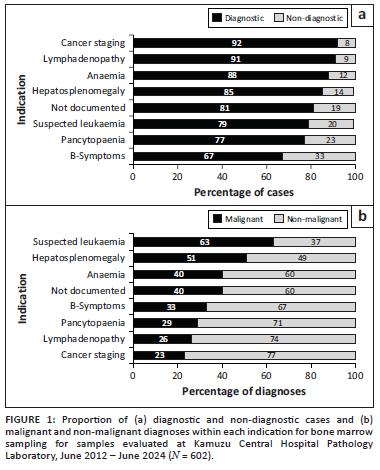
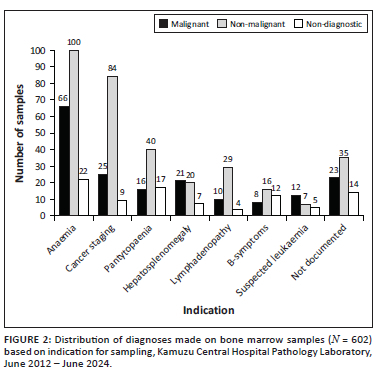
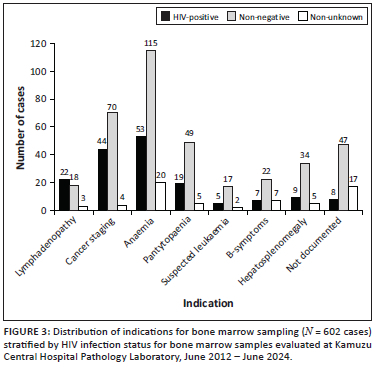
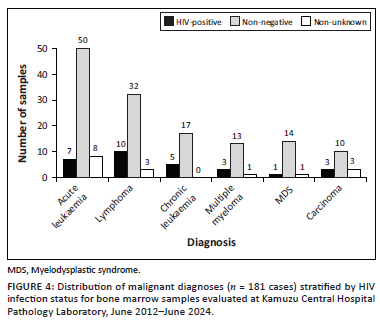
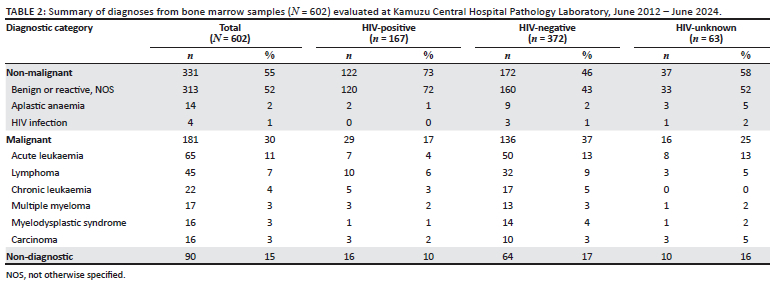
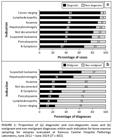
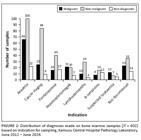
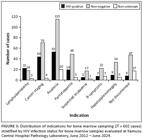
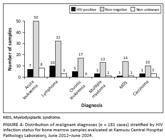
BACKGROUND: Bone marrow (BM) sampling is a critical component of clinical care, informing the diagnosis of benign and malignant haematologic disorders OBJECTIVE: We aimed to assess adequacy and characterise the spectrum of diagnoses rendered for BM samples reviewed at Kamuzu Central Hospital in Lilongwe, Malawi METHODS: We reviewed clinical and pathologic data from all adult BM specimens seen at Kamuzu Central Hospital from 01 June 2012, through 30 June 2024, and utilised R to summarise clinical and diagnostic data RESULTS: We identified 602 BM samples, most of which were biopsy-only specimens (n = 335, 56%). Most patients were male (n = 345, 57%), with a median age of 42 years. Of the 539 (90%) patients with known HIV status, 372 (69%) were HIV-uninfected. The most frequent indications for BM sampling were anaemia (n = 188, 31%) and cancer staging (n = 118, 20%). There was no documented indication for 72 cases (12%). Excluding BM samples obtained for cancer staging (n = 118, 20%), there were 403 (83%) diagnostic samples. Of these, 156 (39%) were malignant, with 50 (32%) acute leukaemias and 38 (24%) lymphomas CONCLUSION: We found a high diagnostic yield (85%) of BM samples in this cohort, along with a considerable proportion of new cancer diagnoses (39%) in diagnostic samples taken for reasons other than cancer staging. Non-malignant diagnoses were predominant, yet resources for subcategorising these are limited in our setting WHAT THIS STUDY ADDS: This study highlights the high diagnostic yield of adult BM samples at Kamuzu Central Hospital and characterises these diagnoses, revealing not only a substantial burden of malignancies but also important gaps in diagnostic capacity
bone marrow biopsy; diagnostic adequacy; haematologic disorders; lymphoproliferative disorders; pathology; Malawi
 Thumbnail
 Thumbnail
 Thumbnail
 Thumbnail
 Thumbnail