E-Government Information Systems (IS) Project Failure in Developing Countries: Lessons from the Literature
Abstract
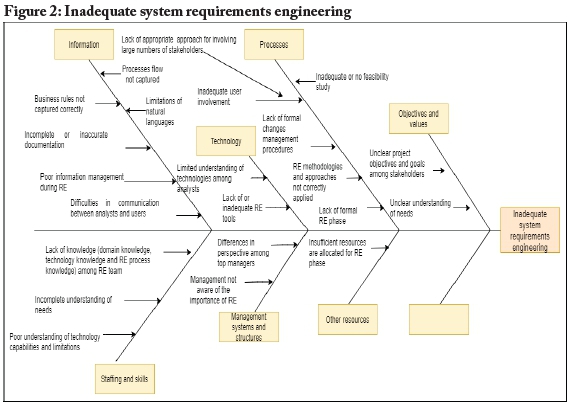
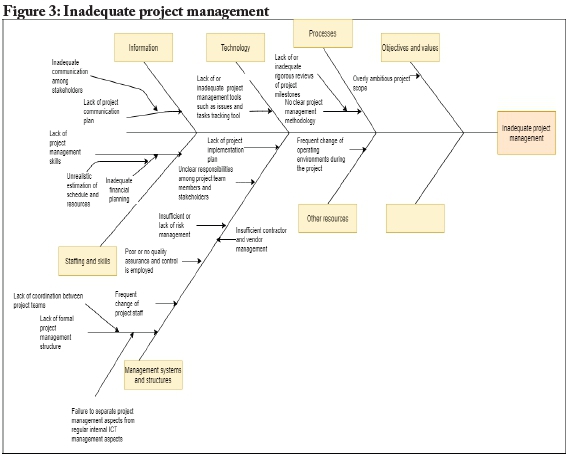
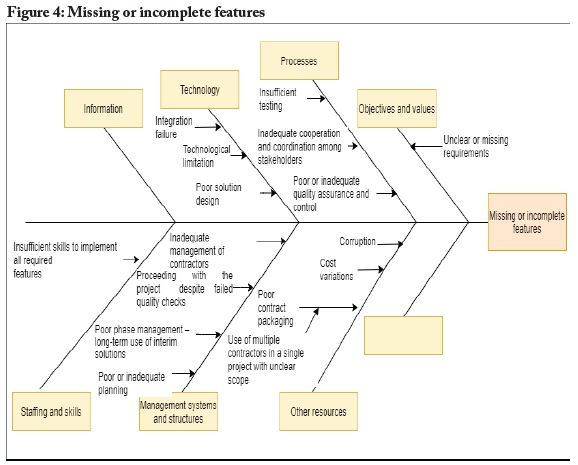
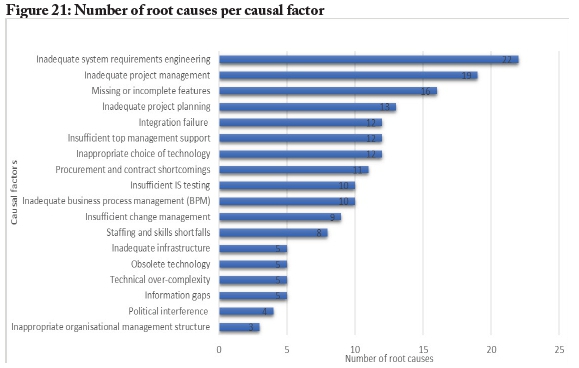
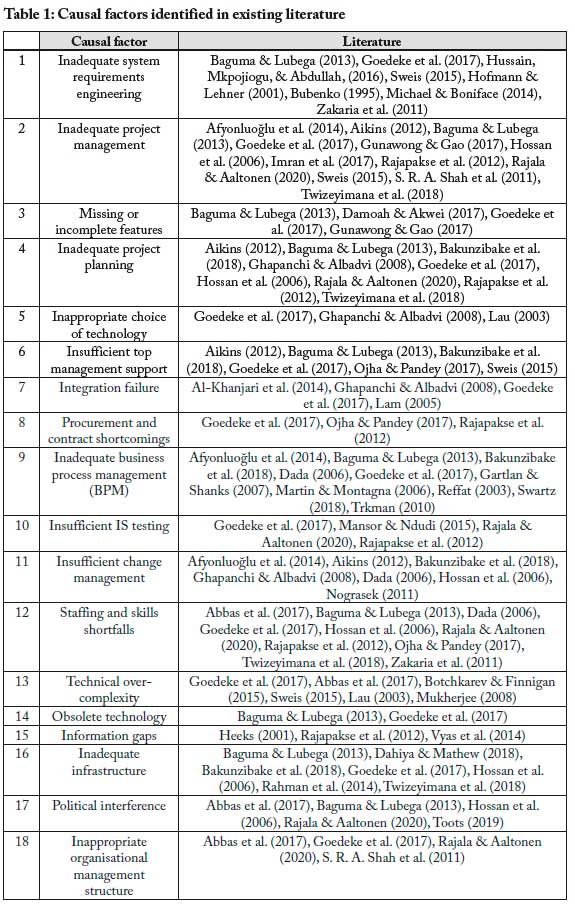
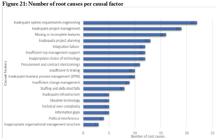
E-government information systems (IS) projects experience numerous challenges that can lead to total or partial failure. The project failure factors have been identified and studied by numerous researchers, but the root causes of such failures are not well-articulated. In this study, literature on e-government IS project failures in de-veloping-world contexts is reviewed through the application of qualitative meta-syn-thesis, design-reality gap analysis, and root cause analysis. In the process, 18 causal factors and 181 root causes are identified as responsible for e-government IS project failures. The most prevalent of the 18 causal factors are found to be inadequate system requirements engineering (with 22 root causes), inadequate project management (19 root causes), and missing or incomplete features (16 root causes). These findings can be of use to future researchers, policymakers, and practitioners seeking to identify methods of avoiding e-government IS failures, particularly in developing-world contexts.
e-government; information systems (IS); project failure; literature review; qualitative meta-synthesis; design-reality gap analysis; ITPOSMO; root cause analysis
 Thumbnail
 Thumbnail
 Thumbnail
 Thumbnail
 Thumbnail
 Thumbnail
 Thumbnail
 Thumbnail
 Thumbnail
 Thumbnail
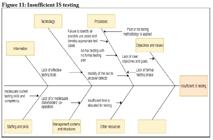 Thumbnail
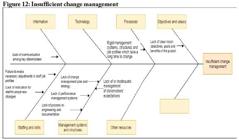 Thumbnail
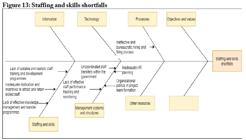 Thumbnail
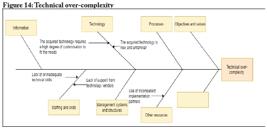 Thumbnail
 Thumbnail
 Thumbnail
 Thumbnail
 Thumbnail
 Thumbnail
 Thumbnail
 Thumbnail