RETRACTED: How web-interface design impacts task performance, cognitive load, and user experience (UX): An exploration with a cohort of South African university students
Abstract
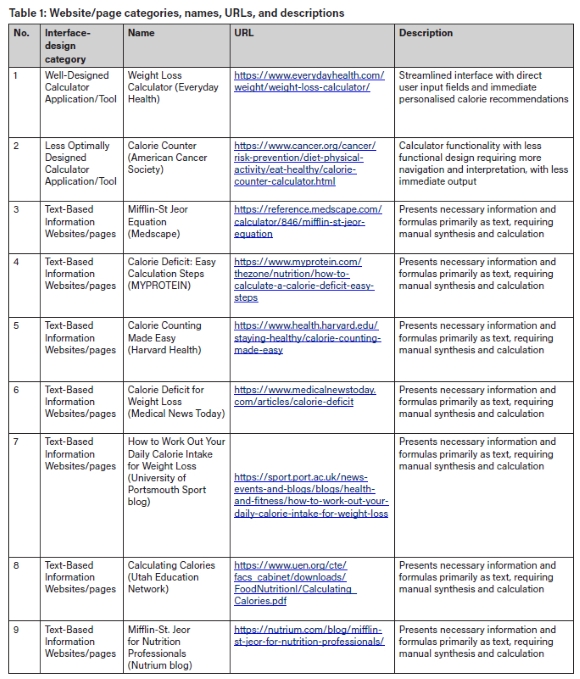
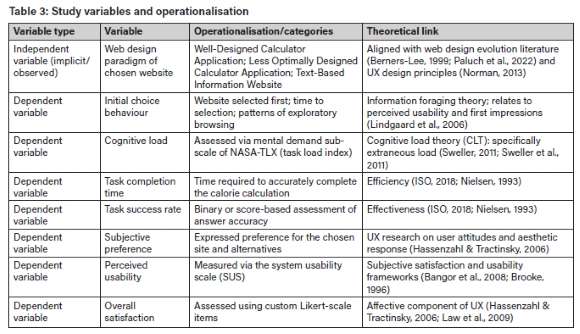
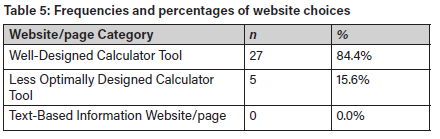
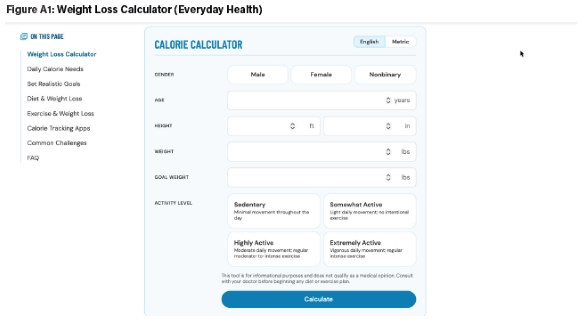
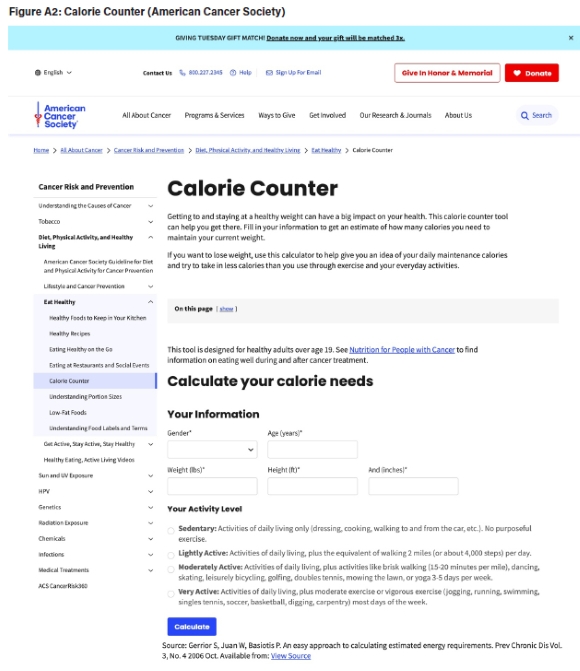
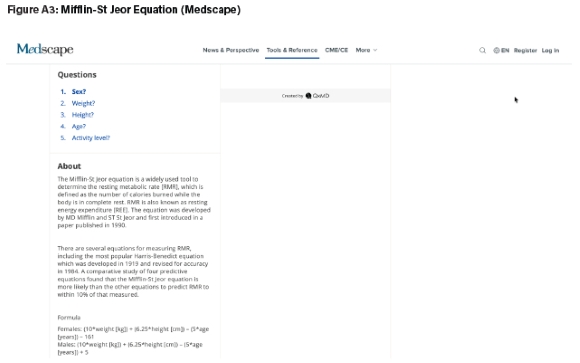
THIS ARTICLE WAS RETRACTED BY THE AUTHOR ON 9 FEBRUARY 2026:This study explores how differences in web-interface design can generate variations in users' task performance, cognitive load, and user experience (UX). In the study, a cohort of 32 purposively selected South African university students aged 18-24 was presented with an information-seeking and problem-solving task-calculation of the calories they should consume per day based on their age, gender, height, weight, and activity level-and they were asked to choose among several possible websites/pages to complete the task. A mix of quantitative and qualitative data was collected to explore the participants' web-interface choices, task performance (speed and success), cognitive load, and UX. The majority of participants (84.4%) selected the most visually rich, interactive, tool-based web interface to complete the task, and these participants completed the task faster, with lower cognitive effort and with higher satisfaction, than the participants who chose a site with a less visually compelling and interactive interface. These findings point to the need for disseminators of educational and public-service information targeted at "digital natives" to prioritise the use of visually rich, interactive, tool-based web interfaces for their online materials.
web-interface design; task performance; cognitive load; cognitive load theory (CLT); user experience (UX); digital natives; South Africa
 Thumbnail
 Thumbnail
 Thumbnail
 Thumbnail
 Thumbnail
 Thumbnail
 Thumbnail
 Thumbnail
 Thumbnail