Intelligent Malware Detection Using a Neural Network Ensemble Based on a Hybrid Search Mechanism
Abstract
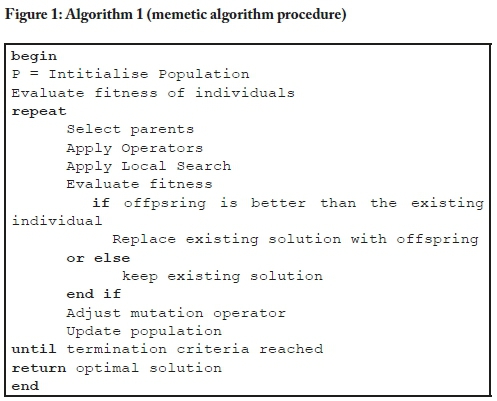
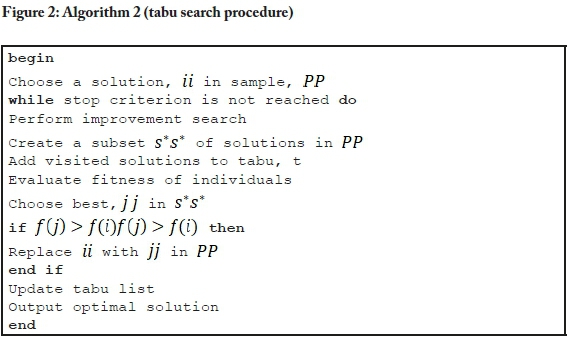
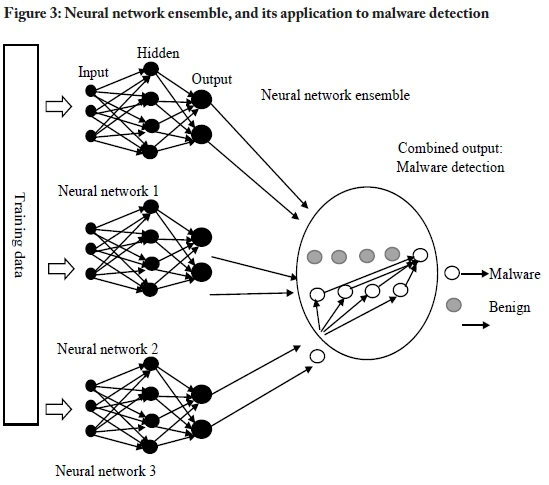
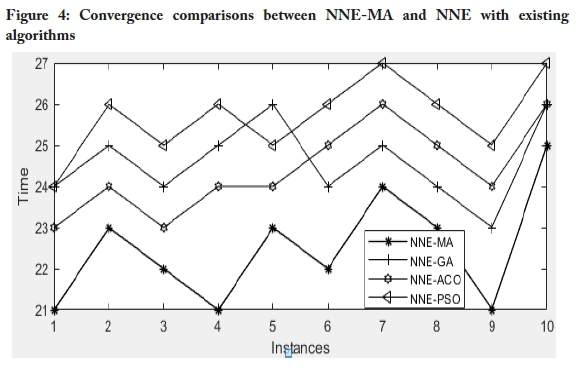
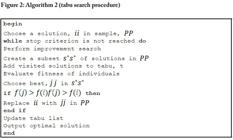
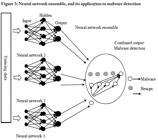
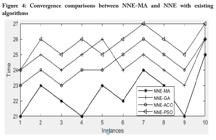
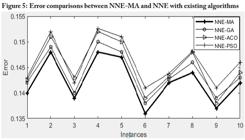
Malware threats have become increasingly dynamic and complex, and, accordingly, artificial intelligence techniques have become the focal point for cybersecurity, as they are viewed as being more suited to tackling modern malware incidents. Specifically, neural networks, with their strong generalisation performance capability, are able to address a wide range of cyber threats. This article outlines the development and testing of a neural network ensemble approach to malware detection, based on a hybrid search mechanism. In this mechanism, the optimising of individual networks is done by an adaptive memetic algorithm with tabu search, which is also used to improve hidden neurons and weights of neural networks. The adaptive memetic algorithm combines global and local search optimisation techniques in order to overcome premature convergence and obtain an optimal search outcome. The results from the testing prove that the proposed method is strongly adaptive and efficient in its detection of a range of malware threats, and that it generates better results than other existing methods.
cybersecurity; malware; malware detection; artificial intelligence; neural networks; neural network ensemble; memetic algorithm; optimisation; hybrid search; tabu search
 Thumbnail
 Thumbnail
 Thumbnail
 Thumbnail
 Thumbnail
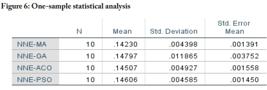 Thumbnail
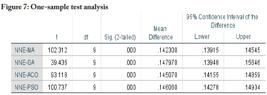 Thumbnail