Comparative analysis of clinical associate students' training experiences across diverse hospitals in Gauteng and Mpumalanga
BACKGROUND: The clinical associate programme in South Africa was introduced to mitigate the shortage of healthcare professionals, particularly in underserved regions. The University of Pretoria's final-year curriculum for clinical associates includes intensive clinical rotations across nine modules at various learning centres. Understanding how these clinical sites influence training experiences is critical for improving programme quality and outcomes. OBJECTIVES: To compare the clinical training experiences of final-year clinical associate students placed at clinical learning centres in Gauteng and Mpumalanga provinces. METHODS: A cross-sectional study was conducted among 47 third-year clinical associate students at the University of Pretoria. Data were collected via the MedIQ questionnaire, administered online. The instrument assessed various domains of the clinical training experience, including exposure to diverse cases, procedural involvement, teaching quality and use of time in clinical settings. Descriptive and comparative statistical analyses were conducted to evaluate differences between provinces. RESULTS: The study population comprised 47 students distributed across Gauteng and Mpumalanga clinical sites. Students placed in Mpumalanga reported significantly higher satisfaction with the diversity of clinical cases (mean 4.97 v. 4.06), greater hands-on involvement in procedures (mean 3.56 v. 3.28), and perceived their teaching sites as more suitable for involving students in patient care (mean 5.04 v. 3.98). Teaching sites in Mpumalanga were also perceived as more conducive to patient-care involvement. No significant differences were found in communication skills or participation in core clinical activities. CONCLUSION: Mpumalanga offers a more diverse and hands-on clinical training experience than Gauteng, suggesting that clinical placement location influences the quality of student learning.
Clinical associate programme; South Africa
Comparative analysis of clinical associate students' training experiences across diverse hospitals in Gauteng and Mpumalanga
S NgcoboI; M LouwI; L TshotetsiII; N ZuluIII; N MoodleyIII; Z TshabalalaII; E Madela-MntlaI
IPhD; Department of Family Medicine, School of Medicine, University of Pretoria, South Africa
IIMSc; Department of Family Medicine, School of Medicine, University of Pretoria, South Africa
IIIMPH; Department of Family Medicine, School of Medicine, University of Pretoria, South Africa
BACKGROUND: The clinical associate programme in South Africa was introduced to mitigate the shortage of healthcare professionals, particularly in underserved regions. The University of Pretoria's final-year curriculum for clinical associates includes intensive clinical rotations across nine modules at various learning centres. Understanding how these clinical sites influence training experiences is critical for improving programme quality and outcomes.
OBJECTIVES: To compare the clinical training experiences of final-year clinical associate students placed at clinical learning centres in Gauteng and Mpumalanga provinces.
METHODS: A cross-sectional study was conducted among 47 third-year clinical associate students at the University of Pretoria. Data were collected via the MedIQ questionnaire, administered online. The instrument assessed various domains of the clinical training experience, including exposure to diverse cases, procedural involvement, teaching quality and use of time in clinical settings. Descriptive and comparative statistical analyses were conducted to evaluate differences between provinces.
RESULTS: The study population comprised 47 students distributed across Gauteng and Mpumalanga clinical sites. Students placed in Mpumalanga reported significantly higher satisfaction with the diversity of clinical cases (mean 4.97 v. 4.06), greater hands-on involvement in procedures (mean 3.56 v. 3.28), and perceived their teaching sites as more suitable for involving students in patient care (mean 5.04 v. 3.98). Teaching sites in Mpumalanga were also perceived as more conducive to patient-care involvement. No significant differences were found in communication skills or participation in core clinical activities.
CONCLUSION: Mpumalanga offers a more diverse and hands-on clinical training experience than Gauteng, suggesting that clinical placement location influences the quality of student learning.
Keywords: Clinical associate programme, South Africa.
The clinical associate programme in South Africa was established to address the critical shortage of healthcare professionals and improve the delivery of primary healthcare services, particularly in rural and underserved areas.[1] This programme equips students with the necessary skills and knowledge to provide essential healthcare services in collaboration with other healthcare workers.[2] The training is offered at three universities: the University of Pretoria, the University of the Witwatersrand and Walter Sisulu University, culminating in a 3-year undergraduate degree designed to provide comprehensive medical education and hands-on clinical experience.[3] At the University of Pretoria, the final year of the clinical associate programme is particularly intensive, encompassing nine distinct modules: health systems, women's health, child health, emergency medicine, anaesthesia, mental health, orthopaedics, pharmacology and chronic and infectious modules. These modules are meticulously designed to cover a broad spectrum of medical knowledge and clinical skills, ensuring that graduates are well-prepared for the diverse challenges they will face in their professional careers.
A notable aspect of the training at the University of Pretoria is the rotation system for students allocated in Mpumalanga and Gauteng provinces. These students experience different rotational schedules over the course of the year within the clinical learning centres (CLCs), reflecting the diverse healthcare environments and patient demographics they encounter. This rotation system not only enhances their adaptability and proficiency but also ensures a well-rounded clinical education. The training is predominantly hands-on, with students spending a significant amount of time in clinical settings under the guidance of site facilitators. This practical approach is supported by the University of Pretoria's self-directed model of learning, which encourages students to take responsibility for their education, actively engage in their training, and develop critical-thinking and problem-solving skills.
Clinical experience is a crucial aspect of clinical associates' training as it allows individuals to apply theoretical knowledge in real-world settings (authentic learning), gain practical skills and develop critical thinking abilities, all of which are essential for providing high-quality patient care.[4] However, identifying the students' learning experiences from different CLCs is crucial to ensure quality clinical learning exposure. The medical education instructional questionnaire (MedIQ) was utilised in this study to ascertain the students' experiences across all the CLCs.
The MedIQ is a widely used tool in the field of medical education to assess the effectiveness of instructional methods and techniques.[5-7] The questionnaire is designed to measure a range of factors, including the quality of instruction, the effectiveness of teaching strategies and the level of learner engagement. By gathering data from medical students and faculty, the MedIQ questionnaire can provide valuable insights into the strengths and weaknesses of medical education programmes, allowing educators to make informed decisions about how to improve the learning experience for their students. Furthermore, by utilising MedIQ, the programme ensures that student feedback and performance metrics are systematically reviewed, enabling continual enhancement of the educational experience. This study aims to explore and compare the experiences of students allocated in Mpumalanga and Gauteng Province (GP) during their final year of the clinical associate programme at the University of Pretoria, with the intention to provide a comprehensive understanding of the programme's impact and identify best practices that can be applied across different regions.
Methods
This was a cross-sectional study conducted at the University of Pretoria in the year 2024.
Study population
A total of 47 Bachelor of Clinical Medical Practice (BCMP) III students, placed at various hospitals designated as CLCs across GP and Mpumalanga, were invited to participate. In GP, students were allocated to five sites whereas Mpumalanga had three sites (Table 1). This distribution allowed for a comprehensive evaluation of the students' experiences and outcomes in these diverse clinical settings.
Data collection
Data collection took place in the last month of the student's semester placement (June 2024). Data were collected using the MedIQ questionnaire, which was administered through the Qualtrics online survey platform. The survey link was circulated on the BCMP III WhatsApp group after they had completed three of their eight final-year modules. Each student was required to complete the anonymous questionnaire three times, corresponding to the number of modules they had undertaken.
Survey instrument
The survey instrument used in this study was designed to evaluate the learning experiences of BCMP students across different clinical settings in GP and Mpumalanga CLC hospitals. Administered through Qualtrics Survey Software, the survey consisted of multiple sections addressing various aspects of clinical training. It included questions on the diversity and complexity of clinical cases, the quality of procedural training, and the extent of student involvement in patient care activities. Additionally, it assessed students' perceptions of their communication skills improvement, integration into healthcare teams, and overall satisfaction with their training environments. Responses were collected from students at multiple hospitals and CLCs, ensuring a comprehensive understanding of their educational experiences.
Ethical approval
This study was approved by the University of Pretoria's Ethics Committee in the Faculty of Health Sciences (ref. no. 56/2011), ensuring adherence to ethical guidelines for research involving human participants. Before participating in the study, all respondents provided informed consent through the embedded section of the Qualtrics online survey, and no personally identifiable information was recorded.
Data management and cleaning
Data were exported from Qualtrics to SPSS version 29 (IBM Corp., USA) for analysis. The data cleaning process included removal of incomplete and inconsistent survey forms, then validation of all survey forms to ensure no errors existed and completeness. The data were analysed using IBM SPSS Statistics software. Descriptive statistics, including frequencies, means and standard deviations (SDs), were computed to summarise responses across CLCs and modules. Independent sample t-tests were conducted to compare mean scores between GP and Mpumalanga students on various aspects of their training experiences, including patient care involvement, diversity of cases and time utilisation in consulting rooms. Statistical significance was determined at p<0.05, and 95% confidence intervals were calculated for mean differences. The analysis also included checks for assumptions of normality and homogeneity of variances to ensure the validity of the t-test results.
Results
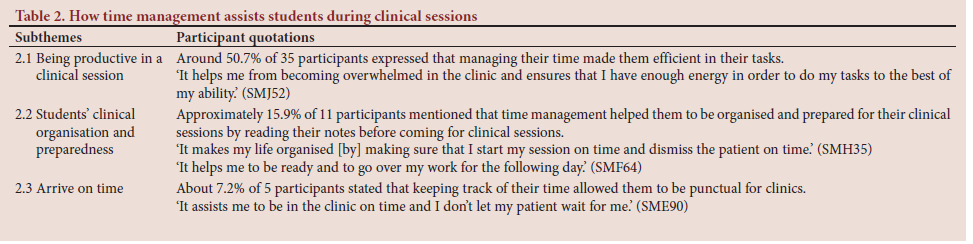
Table 2 provides a comprehensive summary of responses collected from BCMP students across diverse hospitals and modules. In total, the study gathered 101 responses from participants distributed across various locations. Specifically, in GP, Kalafong received 9 responses (12.9%), Mamelodi received 25 responses (35.7%) and Pretoria-West and Tembisa each contributed 8 and 10 responses (11.4% and 14.3%, respectively). In Mpumalanga, Rob Ferreira accounted for 8 responses (25.8%), Witbank 7 (22.6%) and Middelburg 16 (51.6%). Tshwane District Hospital (TDH) recorded 17 responses (24.3%) and other locations totalled 3 responses (4.3%). Regarding modules, in GP, Women's Health received 14 responses (20%), Child Health received 13 responses (18.6%) and 10 responses recorded for Mental Health (14.3%). Chronic and Infectious Diseases gathered 11 responses (15.7%), Anaesthesia 11 responses (15.7%) and Orthopaedics 11 responses (15.7%). In Mpumalanga, Women's Health received 5 responses (16.1%), Chronic and Infectious Diseases received 8 responses (25.8%), Anaesthesia received 8 responses (25.8%) and Orthopaedics received 6 responses (19.4%).
Fig. 1 highlights differences in clinical associate students' training experiences between teaching sites in GP and Mpumalanga. For patient care involvement, Mpumalanga students (mean (SD) 4.96 (1.30)) rated their sites higher than GP students (mean (SD) 4.00 (1.62)), a significant difference (p=0.013). Regarding nursing staff contributions, GP students (mean (SD) 3.92 (1.72)) rated higher than Mpumalanga (mean (SD) 3.29 (1.78)), though not significantly (p=0.138). Perceptions of integration into the healthcare team were similar, with Mpumalanga students scoring slightly higher (mean (SD) 4.25 (1.48)) than GP (mean (SD) 3.85 (1.61)). Mpumalanga students reported less wasted time in consulting rooms (mean (SD) 2.33 (1.61)) compared with GP students (mean (SD) 3.29 (1.71)), a significant finding (p=0.020).
As shown in Fig. 2, participants from Mpumalanga reported more diverse learning opportunities (mean (SD) 4.97 (1.180)) than those in GP-based CLCs (mean (SD) 4.06 (1.608); p=0.007). Participants from Mpumalanga perceived fewer barriers to proficiency development (mean (SD) 2.72 (1.750) v. 3.42 (1.566); p=0.055) and reported more repeated practice (mean (SD) 4.39 (1.449) v. 3.96 (1.354); p=0.162). Mpumalanga participants rated higher on independence in patient care, communication and participation in clinical tasks, including history-taking, exams and documentation, though differences were not statistically significant. They also perceived patient education opportunities as better (mean (SD) 4.22 (1.528) v. 3.98 (1.397); p=0.472).
Involvement in clinical activities is summarised in Fig. 3. There were minor differences between GP and Mpumalanga students. Mpumalanga participants reported slightly higher involvement in acute diseases (mean 3.32 v. 3.19) and simple cases (mean 3.52 v. 3.29), while GP participants rated higher in health maintenance (mean 3.12 v. 2.96) and psychosocial problems (mean 2.91 v. 2.52). Both groups reported relatively low involvement in complicated cases, while their ratings for participation in patient education were broadly similar, although not identical. Mpumalanga students reported significantly greater involvement in patient procedures (mean 3.56 v. 3.28; p=0.032).
Discussion
The findings from this study highlight several important aspects of the learning experiences of BCMP students in different clinical settings across GP and Mpumalanga. One notable outcome is that students in Mpumalanga generally rated their involvement and learning opportunities more favourably compared with their counterparts in GP. This was particularly evident in their perceptions of the diversity of cases and the suitability of teaching sites for involving students in patient care. Mpumalanga students' higher ratings for the diversity of cases (mean 4.97) compared with GP students (mean 4.06) suggest that the clinical environment in Mpumalanga might offer a broader spectrum of clinical scenarios, enhancing the learning experience. This aligns with the notion that exposure to a variety of cases can significantly enrich clinical training by providing a wider range of practical experiences. According to a recent study by McCoy et al.,[8] diverse clinical encounters are essential for developing clinical reasoning and decision-making skills. Students can more effectively integrate theoretical knowledge with practical skills when they are exposed to a broad range of medical conditions.[9]
Interestingly, while Mpumalanga students found the diversity of cases less likely to hinder proficiency development, GP students were more inclined to view this diversity as potentially overwhelming. This indicates a possible need for more structured guidance and support in GP settings to help students navigate the complexities of diverse clinical cases effectively. Hauer et al.[10] emphasise the importance of structured learning environments in mitigating the potential negative impacts of excessive diversity in clinical cases. Well-structured clinical training programmes are essential to equip students with the ability to manage the wide range and intricate nature of clinical cases without being overwhelmed.[10] Despite the generally positive feedback from Mpumalanga students, the study also revealed areas where their experiences did not significantly differ from those of GP students. For instance, ratings for proficiency development through repeated practice and opportunities being too repetitive without offering new learning chances were comparable between the two groups. This suggests that while Mpumalanga settings might provide a diverse array of cases, the structured repetition necessary for mastering specific skills is equally important and well addressed in both regions. This finding is supported by the literature, which underscores the need for balance between diversity and repetition in clinical education.[11,12]
In terms of involvement in clinical activities, the only significant difference was found in patient procedures, where MP students felt more involved than GP students. This might reflect differences in clinical practice patterns or educational strategies between the two provinces. Ensuring that all students have ample opportunity to participate in such procedures is crucial for their hands-on learning and skills development. Direct involvement in clinical procedures is a critical component of medical training that enhances confidence and competence.[13] Frequent participation in hands-on clinical activities is strongly correlated with improved clinical skills and knowledge retention.[14] Furthermore, the comparable ratings for communication skills improvement and participation in patient care activities across both groups suggest that these fundamental aspects of clinical training are being addressed adequately in both settings. However, the slightly higher ratings from Mpumalanga students for feeling integral to the healthcare team and having their time well utilised in consulting rooms indicate a possibly more inclusive and efficient clinical environment in Mpumalanga. Literature suggests that a supportive and inclusive clinical environment significantly impacts students' perceived value of their training.[15] Additionally, an inclusive environment that integrates students into the healthcare team has been shown to enhance learning outcomes and professional development.[16]
A critical factor to consider is the high volume of students in GP, which has three medical schools and several other tertiary institutions providing healthcare training. This contrasts with Mpumalanga, which has no medical school and fewer tertiary institutions offering health-related training. It is likely that this disparity contributes to the differences in student experiences, as higher student numbers in GP can lead to more competitive and possibly less individualised clinical training environments. The study's findings also align with previous research indicating the importance of clinical learning environments in shaping medical students' experiences and perceptions.[17] The differences observed between GP and Mpumalanga settings in this study highlight the variability in clinical training environments and the need for tailored educational strategies to maximise student learning outcomes. The significant difference in perceptions of involvement in patient procedures suggests that Mpumalanga settings may offer more opportunities for procedural skills training, which is a critical aspect of clinical competence.[18] In addition to student volume and institutional density, the level and operational context of the clinical facilities themselves play a critical role in shaping students' learning experiences. Although both provinces include tertiary hospitals, their function within the health system differs significantly. GP's tertiary hospitals, Kalafong and Tembisa, are embedded within a highly academic environment, often serving multiple training programmes simultaneously, which can create rigid hierarchies and limit hands-on access for clinical associate students. The regional and district hospitals in GP, such as Mamelodi, Pretoria-West and TDH, face substantial service pressures that may affect the availability of structured teaching and supervision. By contrast, Mpumalanga's tertiary hospitals, Rob Ferreira and Witbank, operate in a less saturated training context, potentially offering a more inclusive environment for clinical associate students. The district-level setting at Middelburg further supports a generalist approach to care, which can broaden student exposure and encourage procedural independence. These distinctions illustrate that the level of facility, in combination with local health system structures and supervision models, contributes meaningfully to the differences in clinical learning beyond geographic location alone.
Overall, these results underscore the importance of a diverse and supportive clinical learning environment. They suggest that while Mpumalanga settings might offer certain advantages in terms of case diversity and procedural involvement, both regions have strengths that contribute to the comprehensive training of BCMP students. Future efforts should focus on enhancing structured support in diverse clinical settings and ensuring equitable opportunities for all students to engage in a wide range of clinical activities. This includes developing minimum standards for clinical exposure across all sites, ensuring consistent supervision, and providing access to essential resources such as learning materials and case diversity. Introducing structured orientation, regular formative assessments, and mentorship programmes could help reduce discrepancies in learning experiences. Furthermore, monitoring and evaluation systems should be implemented to track the quality of training environments and address gaps proactively.
This aligns with the broader educational goal of providing balanced and comprehensive clinical training to all healthcare students.[19] Teaching sites should prioritise supportive staff engagement, opportunities for meaningful participation, and exposure to varied clinical activities to enhance learning. Additionally, ongoing research and feedback from students should inform continual improvements in clinical education to address emerging challenges and leverage successful practices across different settings.[20] Future research should explore how hospital-based learning environments influence students' development of clinical competence, teamwork and professional identity. Linking perceived learning experiences with measurable outcomes, such as clinical performance, confidence or patient care quality, would enhance understanding of the educational value of different hospital settings.
Limitations
This study relies on self-reported data, which may be subject to recall or social desirability bias. The analysis focuses only on hospital-based experiences and does not include clinic placements. Students in Mpumalanga are primarily exposed to hospital settings with little or no exposure to primary care clinics, whereas those in GP rotate through both hospitals and clinics. Previous research has shown that GP students reported better learning experiences in clinic settings.[21] The exclusion of clinic experiences may limit a comprehensive understanding of training quality across settings.
Conclusion
This study highlights the significant differences in the learning experiences of BCMP students between GP and Mpumalanga. Mpumalanga students generally reported more favourable experiences, particularly in terms of the diversity of clinical cases and procedural involvement, which are crucial for developing clinical reasoning and practical skills. The findings underscore the importance of diverse clinical encounters and structured learning environments in medical education. While Mpumalanga settings offer unique advantages, the high volume of students and competitive training environment in GP, influenced by the presence of multiple medical schools and tertiary institutions, present distinct challenges. These insights emphasise the need for tailored educational strategies that balance diversity, repetition, and individual support to optimise clinical training outcomes across different regions. Future efforts should focus on enhancing equitable opportunities and structured support in clinical settings to ensure comprehensive training for all BCMP students.
Data availability statement. Data are available from the corresponding author on reasonable request, subject to ethical and institutional requirements.
Declaration. This manuscript is original and has not been published or submitted elsewhere.
Acknowledgements. The authors acknowledge the Bachelor of Clinical Medical Practice third-year students who participated in the study and shared their clinical training experiences.
Author contributions. SN conceptualised the study and contributed to the study design, data collection, data analysis, interpretation of the findings and drafting of the manuscript. ML, LT, NZ, NM, ZT and EM-M contributed to the study design, data collection, interpretation of the findings and critical revision of the manuscript. All authors reviewed and approved the final manuscript.
Funding. None.
Conflicts of interest. None.
References
- 1. Ngcobo S, Bust L, Couper I, Chu K. The role of clinical associates in South Africa as a health workforce: A scoping review. Afr J Prim Health Care Fam Med 2024;16(1):4421.
-
2. Ngcobo S. Clinical associates in South Africa. S Afr Med J 2019;109(10):12736. https://doi.org/10.7196/SAMJ.2019.v109i10.14092
» https://doi.org/10.7196/SAMJ.2019.v109i10.14092 -
3. Tshabalala Z, Smalley S, Louw M, Capati J, Cooke R. Clinical associates in South Africa: Optimising their contribution to the health system. In: Moeti T, Padarath A, eds. South African Health Review 2019. Durban: Health Systems Trust, 2019. https://doi.org/10.10520/EJC-1d2b11882a
» https://doi.org/10.10520/EJC-1d2b11882a -
4. Du Toit PH, Tshotetsi L, Carvalio-Zongo S, Olifant M, Mpholo B, Louw M. Formation of professionalism: A courtship between academic staff and prospective clinical associates. J Transdiscipl Res South Afr 2022;18(1):1174. https://doi.org/10.4102/td.v18i1.1174
» https://doi.org/10.4102/td.v18i1.1174 -
5. James PA, Shipengrover JA, Crosson J, et al. Primary care education: Measuring instruction to improve quality. Acad Med 2002;77(9):922. https://doi.org/10.1097/00001888-200209000-00025
» https://doi.org/10.1097/00001888-200209000-00025 - 6. James PA, Kreiter CD, Shipengrover J, Crosson J. Identifying the attributes of instructional quality in ambulatory teaching sites: A validation study of the MedEd IQ©. Fam Med 2002;34(4):268-273.
-
7. James PA, Kreiter CD, Shipengrover J, Crosson J, Heaton C, Kernan J. A generalizability study of a standardized rating form used to evaluate instructional quality in clinical ambulatory sites. Acad Med 2001;76(10):S33-S35. https://doi.org/10.1097/00001888-200110001-00012
» https://doi.org/10.1097/00001888-200110001-00012 -
8. McCoy L, Pettit RK, Kellar C, Morgan C. Tracking active learning in the medical school curriculum: A learning-centered approach. J Med Educ Curric Dev 2018;5:2382120518765135. https://doi.org/10.1177/2382120518765135
» https://doi.org/10.1177/2382120518765135 -
9. Hakim EW, Moffat M, Becker E, et al. Application of educational theory and evidence in support of an integrated model of clinical education. J Phys Ther Educ 2014;28:13-21. https://doi.org/10.1097/00001416-201400001-00005
» https://doi.org/10.1097/00001416-201400001-00005 -
10. Hauer KE, Oza SK, Kogan JR, et al. How clinical supervisors develop trust in their trainees: A qualitative study. Med Educ 2015;49(8):783-795. https://doi.org/10.1111/medu.12745
» https://doi.org/10.1111/medu.12745 -
11. Ten Cate O. Nuts and bolts of entrustable professional activities. J Grad Med Educ 2013;5(1):157-158. https://doi.org/10.4300/JGME-D-12-00380.1
» https://doi.org/10.4300/JGME-D-12-00380.1 -
12. Ericsson KA. Deliberate practice and the acquisition and maintenance of expert performance in medicine and related domains. Acad Med 2004;79(10):S70-S81. https://doi.org/10.1097/00001888-200410001-00022
» https://doi.org/10.1097/00001888-200410001-00022 -
13. Kneebone R. Evaluating clinical simulations for learning procedural skills: A theory-based approach. Acad Med 2005;80(6):549-553. https://doi.org/10.1097/00001888-200506000-00006
» https://doi.org/10.1097/00001888-200506000-00006 -
14. Alrashidi N, Pasayan E, Alrashedi MS, et al. Effects of simulation in improving the self-confidence of student nurses in clinical practice: A systematic review. BMC Med Educ 2023;23(1):815. https://doi.org/10.1186/s12909-023-04793-1
» https://doi.org/10.1186/s12909-023-04793-1 -
15. Sutkin G, Wagner E, Harris I, Schiffer R. What makes a good clinical teacher in medicine? A review of the literature. Acad Med 2008;83(5):452-466. https://doi.org/10.1097/ACM.0b013e31816bee61
» https://doi.org/10.1097/ACM.0b013e31816bee61 -
16. Mann KV, Holmes DB, Hayes VM, Burge FI, Viscount PW. Community family medicine teachers' perceptions of their teaching role. Med Educ 2001;35(3):278-285. https://doi.org/10.1046/j.1365-2923.2001.00769.x
» https://doi.org/10.1046/j.1365-2923.2001.00769.x -
17. Lake FR. Teaching on the run tips: Doctors as teachers. Med J Aust 2004;180(8):415. https://doi.org/10.5694/j.1326-5377.2004.tb05997.x.
» https://doi.org/10.5694/j.1326-5377.2004.tb05997.x -
18. Burgess A, van Diggele C, Roberts C, Mellis C. Tips for teaching procedural skills. BMC Med Educ 2020;20(2):458. https://doi.org/10.1186/s12909-020-02284-1
» https://doi.org/10.1186/s12909-020-02284-1 -
19. Prideaux D. ABC of learning and teaching in medicine. BMJ 2003;326(1):268-270. https://doi.org/10.1136/bmj.326.7383.268
» https://doi.org/10.1136/bmj.326.7383.268 - 20. Harden RM, Lilley P. The Eight Roles of the Medical Teacher: The Purpose and Function of a Teacher in the Healthcare Professions. Philadelphia: Elsevier Health Sciences, 2018.
-
21. Ngcobo S, Louw M, Bayeni L, Madela-Mntla E. Assessing clinical associate students' views on learning opportunities and involvement during primary health care placements: A mixed methods study in Tshwane. BMC Med Educ 2025;25(1):466. https://doi.org/10.1186/s12909-025-06848-x
» https://doi.org/10.1186/s12909-025-06848-x

Accepted 2 December 2025