Impact of Subnational Migration Flows on Population Distribution in Kenya: Analysis Using Census Data
Abstract
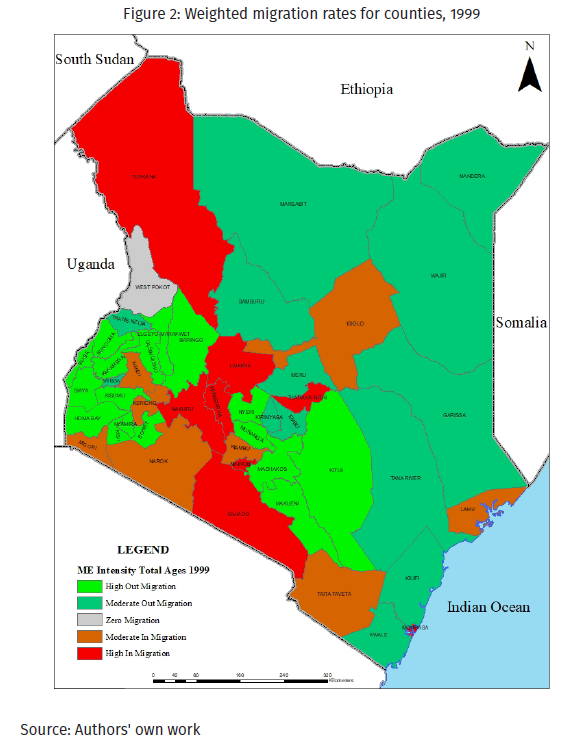
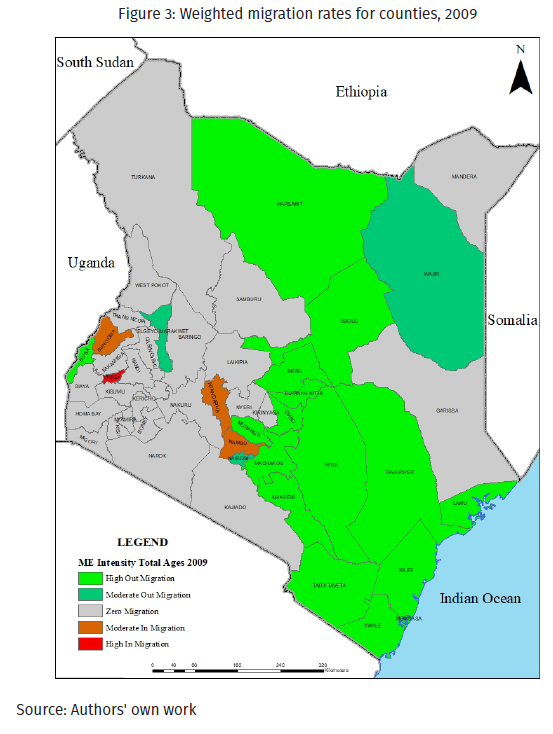
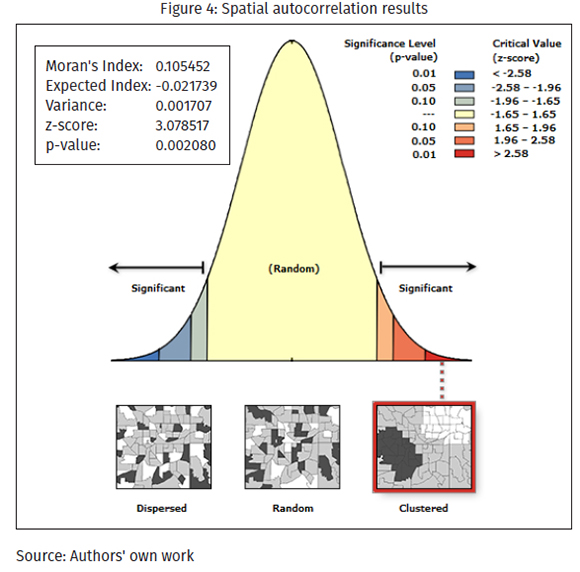
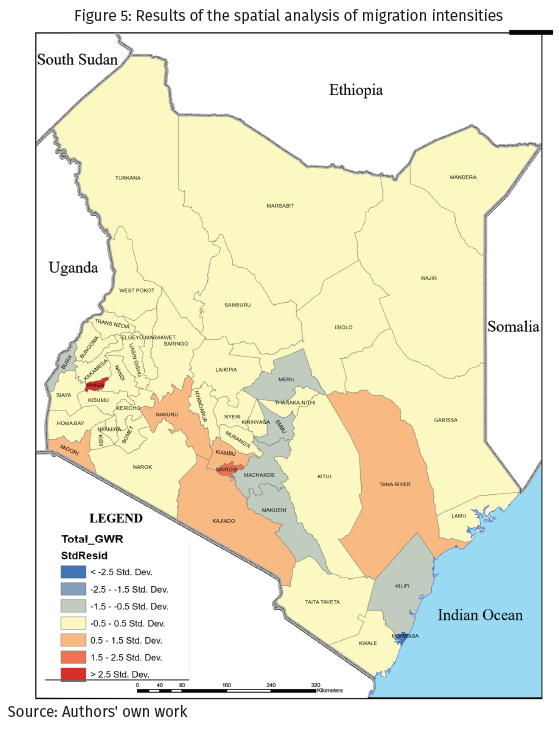
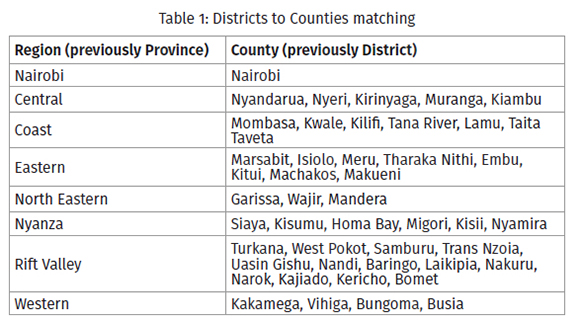
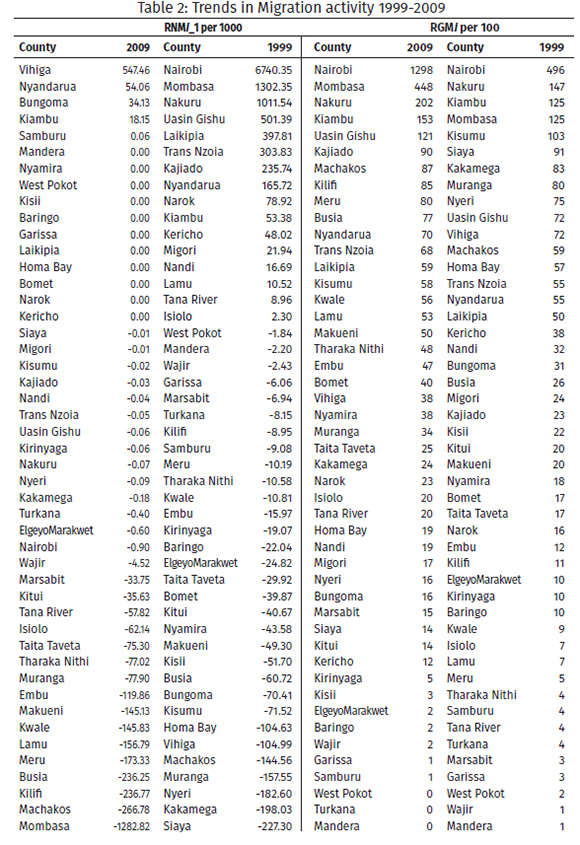
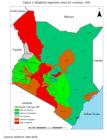
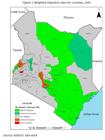
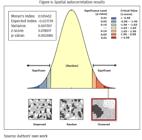
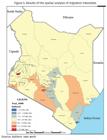
In Kenya, internal migration continues to impact population redistribution, although few studies have considered subnational variations of the intensities and their overall impact on this process. This study sought to analyze subnational migration flows and their impact on population redistribution in Kenya. The study used 1999 and 2009 census micro data to generate migration intensities for each county and to map these using ARCGIS software, to show the distributional effects of migration on the population for the period of investigation. The findings confirm a shift in the migration patterns in the country over the ten-year period, and also on the effect on population redistribution in the country. There are wide county variations with net gainers, net losers, and an emergence of inactive migration zones. Migrants are concentrated in counties with large, urbanized areas, although suburbanization is emerging, as secondary cities and urban areas attract migrants. Results from the spatial analysis show that migration intensities are clustered in ways that reveal similar intensities in neighboring regions. Consequently, two hotspots are visible - high-high hotspots in Nairobi and Vihiga -and clustering of low intensities in Mombasa and adjacent counties is evident. The study concludes that while internal migration effectively contributes to population redistribution, the effect is waning, as more regions become urbanized.
impact; intensity; migration; subnational migration; county; Kenya
 Thumbnail
 Thumbnail
 Thumbnail
 Thumbnail
 Thumbnail