Linking Harare and Johannesburg through Informal Cross-Border Entrepreneurship
Abstract
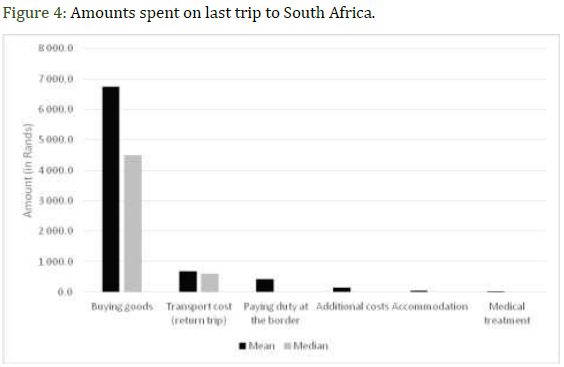
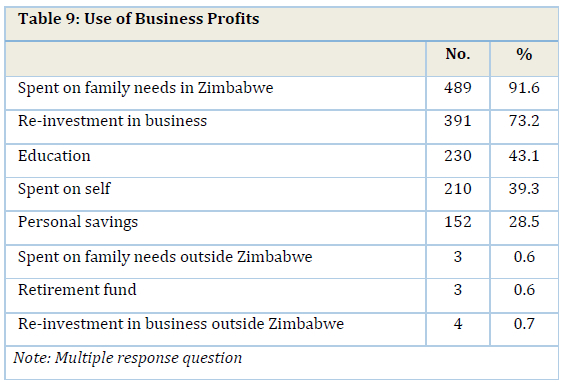
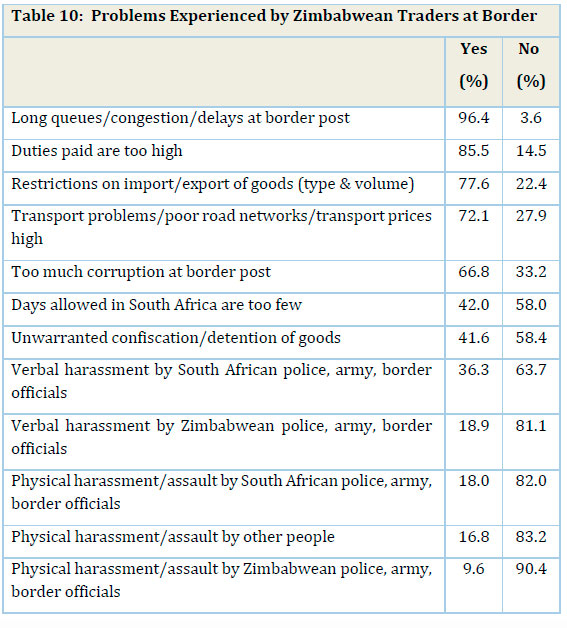
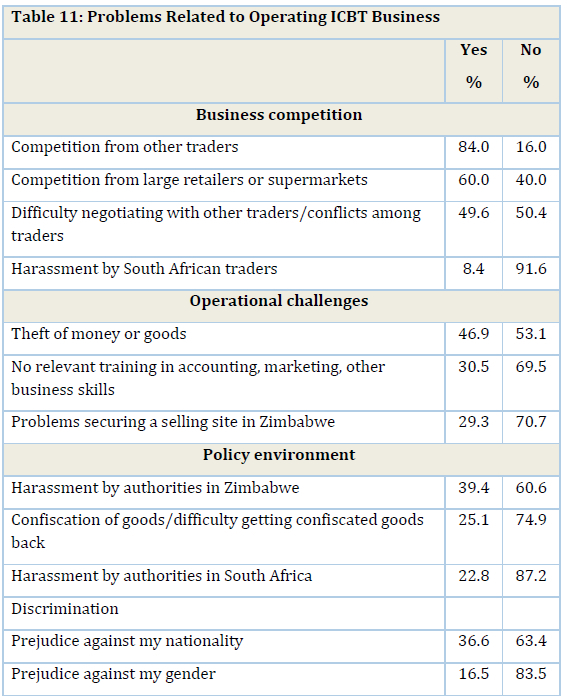
Zimbabwe has witnessed a rapid expansion of informal cross border trading (ICBT) with neighbouring countries over the past two and a half decades. That expansion has largely been due to a persistent decline in the economy since the introduction of the Economic Structural Adjustment Programme (ESAP) in the 1990s, which led to the closure of many industries, increased unemployment and forced many people into the informal sector. This 2014 study sought to provide a current picture of ICBT in Zimbabwe by interviewing 514 informal entrepreneurs involved in ICBT between Harare (Zimbabwe) and Johannesburg (South Africa). The sample profile revealed that ICBT in Zimbabwe is dominated by females and young adults and that traders are fairly educated. The study results demonstrate the important role played by ICBT in the survival of households in the country. The traders make important contributions to the Zimbabwean economy through business establishment, providing goods that are unavailable in the country, availing goods cheaper than the formal retail sector and benefiting the fiscus through import duties. In South Africa, ICBT benefits wholesalers from whom traders purchase their goods and supports the South African transport and hospitality industries. The report concludes that ICBT in Zimbabwe has become more than a survivalist strategy. It is contributing to the economy by generating jobs and reducing unemployment. Therefore, there is a need for policies that encourage rather than restrict the operation of informal trade.
Cross-border traders; informal economy; international trade; Harare; Johannesburg
 Thumbnail
 Thumbnail
 Thumbnail
 Thumbnail