Illegal sand mining alters the species composition of ants, beetles, and spiders in a coastal grassland: a case study in Eastern Cape, South Africa
Abstract
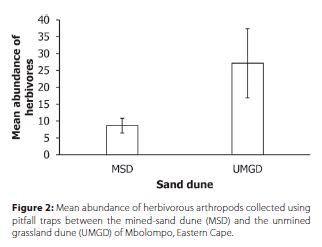
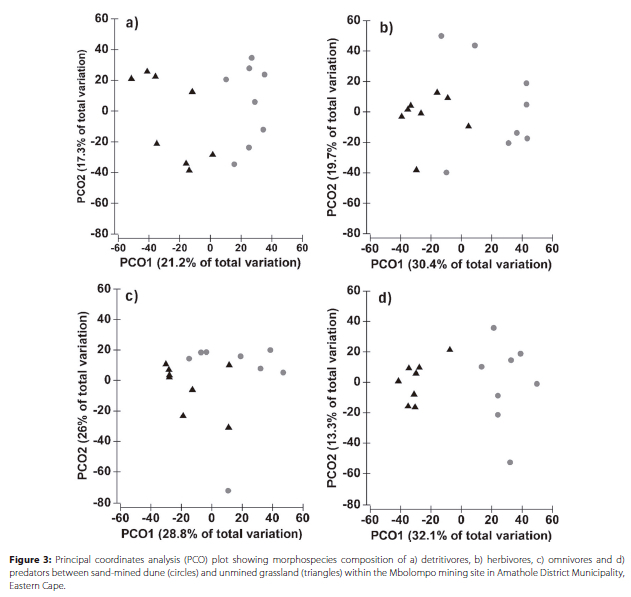
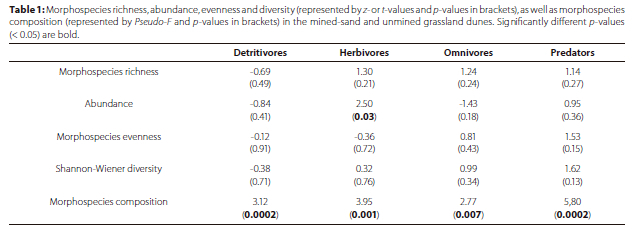
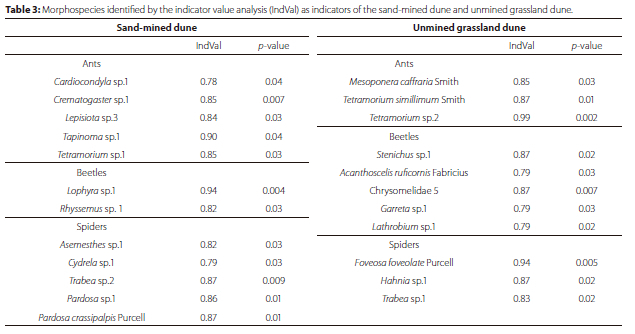
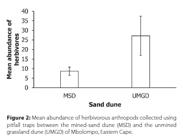
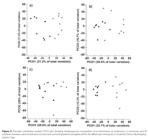
In the Eastern Cape, natural landscapes that are adjacent to rivers and the sea are threatened by illegal sand mining, which occurs without prior assessment of biodiversity. Sand mining activities lead to the reduction of vegetation cover and plant species richness, which alters microhabitats of epigaeic arthropods. Thus, it is important to assess the effects of sand mining on arthropod diversity. In this study we compared morphospecies richness, abundance, evenness, Shannon-Wiener diversity and composition of functional guilds of ants, beetles and spiders between sand-mined dune and the unmined grassland dune. Arthropods were collected using pitfall traps in the sand-mined and unmined grassland dunes. The sand-mined and unmined grassland dunes supported similar morphospecies richness, evenness and diversity of detritivores, herbivores, omnivores and predators. Sand-mined and unmined grassland dunes had similar abundance of other functional guilds, except for herbivores that were abundant in the unmined grassland. Furthermore, the two types of dunes supported significantly different morphospecies composition of all guilds. Additionally, there were 12 morphospecies that were identified as indicators of the sand-mined dune, and 11 morphospecies that were indicators of the unmined grassland dune, while there was no shared indicator species found between the two dunes. As such, disturbance-tolerant species that prefer open habitats may have replaced specialist arthropods in the sand-mined dune. This study showed that illegal sand mining changes morphospecies composition and reduces the abundance of herbivores, and as such sand mining should be restricted to designated areas as to reduce the impact of mining on arthropods and enhance conservation efforts.
abundance; Araneae; arthropods; Coleoptera; conservation; Hymenoptera; species richness
 Thumbnail
 Thumbnail
 Thumbnail