Life stage predatory performance and functional response of Nesidiocoris tenuis to Phthorimaea absoluta
Abstract
The tomato leaf miner Phthorimaea (Tuta) absoluta (Meyrick) (Lepidoptera: Gelechiidae) is an important invasive pest native to South America that causes damage to solanaceous crops in many parts of the world. Under laboratory conditions, the predatory capacity of Nesidiocoris tenuis (Reuter) (Hemiptera: Miridae) was assessed on P. absoluta life stages. All N. tenuis life stages preferred eggs, 1st to 3rd instar larvae of P. absoluta over 4th instar and pupa. In addition, adult N. tenuis fed voraciously on eggs (4.78 ± 0.33 within 48h) and the 1st instar (4.12 ± 0.28 within 48h) of P. absoluta. Seven prey densities ranging from 5 to 110 eggs per leaf and 1st instar larva per individual petri dishes were exposed to adult female and the 5th nymphal stage of the predator for a functional response study. Adult and 5th nymphal N. tenuis females showed type III functional predatory response to varying densities of P. absoluta. The attack rate of adult female preying on 1st instar larva was the highest (0.025 h-1). The highest handling time was recorded for the 5th nymphal stage that fed on 1st instar larva (0.030 h). Life stage-specific application of N. tenuis should be advocated to improve the biological control of P. absoluta. In tomato-based agroecosystems in Ghana, mature females and late nymphs of N. tenuis should be released during peak egg laying periods and early larval stages of the pest. Predation on vulnerable stages will increase thereby decreasing insect numbers before the larvae mine into the plant and are shielded by plant tissue. To sustainably manage P. absoluta in Ghana, pheromone monitoring, botanical insecticides and cultural practices should be used along with biological control using N. tenuis and other compatible biocontrol agents.
biological control; integrated pest management; Macrolophus pygmaeus; natural enemy; prey; tomato
INTRODUCTION
The tomato leaf miner, Phthorimaea absoluta (Meyrick) (Lepidoptera: Gelechiidae) causes severe damage to tomato and other solanaceous plant species. Adults lay eggs on the leaves, stem, flowers and fruits, and the larvae attack these parts ofthe tomato plant, causing fatal damage that can result in loss of the entire crop (Chermiti et al. 2009). As the larvae feed internally, they are thus protected from many insecticides, and, coupled with the absence of a threshold level and inadequate spraying technology, these pests are therefore very difficult to exterminate with chemicals (Tarusikirwa et al. 2020; Legwaila 2025). Furthermore, the continuous use of insecticides has driven the evolution of resistance in P. absoluta populations (Lietti et al. 2005; Campos et al. 2014). In efforts to control the pest, farmers in Ghana use different management options, including increasing the dose and frequency of insecticides to uneconomical and harmful levels to beneficial insects and other non-targeted organisms. An Integrated Pest Management (IPM) strategy that involves the use of indigenous predators such as Nesidiocoris tenuis (Reuter) (Hemiptera: Miridae) could offer a feasible way to manage P. absoluta, a pest whose larvae lives in a concealed environment due to its leaf mining and internal feeding behaviour, protecting it from many natural enemies.
Nesidiocoris tenuis is a zoophytophagous predator that is indigenous to the Mediterranean region (Schafer 1997; Esparza-Diaz et al. 2024). It is a generalist predator that feeds on P. absoluta and has been used as a biocontrol agent for insect pests, including numerous solanaceous crop pests like aphids, leaf miners, thrips, mites and lepidopterans (Desneux et al. 2007; Mollá et al. 2014). Prey availability is crucial for this species since N. tenuis cannot complete its life cycle without consuming prey (Urbaneja et al. 2005). Aside from its role of preying on several pests, it also feeds on vegetative and reproductive plant parts and causes damage such as necrotic rings on stems, flowers and small fruit abortion in the absence of prey (Sánchez & Lacasa 2008; Calvo et al. 2012). Nesidiocoris tenuis can prey on eggs and young larvae of other related lepidoptera species like Spodoptera litura Fabricius (Lepidoptera: Noctuidae), and tomato fruit borer, Helicoverpa armígera (Hübner) (Lepidoptera: Noctuidae) (Devi et al. 2002; Pérez-Hedo & Urbaneja 2016). Furthermore, N. tenuis feeds by puncturing plant tissues, causing minor damage while simultaneously activating the plant's indirect defense mechanisms (Naselli et al. 2016; Pérez-Hedo & Urbaneja 2016); and, it has been shown to work together with parasitoids to reduce pest populations (Chailleux et al. 2013; Naselli et al. 2017). However, several biological and behavioural aspects of N. tenuis need to be assessed to improve our understanding of the predatory capabilities of the insect and the consequences this could have to pest management.
The number of prey an individual predator kills, as a function of prey density is known as the functional response (Holling 1965). Holling (1959) distinguished three categories of functional responses, namely types I, II and III. The type I functional response curve is a straight line that shows density-independent prey killing. Type II is given as a hyperbolic curve that shows a negative density-dependent response, and a higher prey density means a lower percentage of prey is eaten. Type III is a sigmoidal curve with a positive density-dependent response at the initial level, and subsequently exhibiting negative density dependence as a result of satiation. A predator's feeding response to variations in prey density, or its functional response, is one of the measures used to assess its effectiveness. The functional response provides a quantitative explanation of a predator's behaviour in response to various prey densities (Farhadi et al. 2010). Attack rate and handling time are key parameters in studying functional response because they demonstrate how successfully a predator searches for its prey and consumes it. Handling time limits the highest feeding rate when prey is abundant, whereas the attack rate determines the initial slope of the response when prey density is low (Holling 1959; Juliano 2001; Fernández-Arhex & Corley 2003). Differences in feeding capacity and ecological interactions among pests and their natural predators and parasitoids make it important to study them across all life stages. These stage-specific traits improve predator-prey interactions by matching the most effective predator stage with the most vulnerable pest stage, improving establishment and control. For predator-prey models and pest control forecasts across prey densities, density-dependent functional response research with life-stage fluctuations enhances precision.
In the laboratory and greenhouses, scientists have shown that N. tenuis is an effective predator that eats the eggs and early instar larvae of P. absoluta, which lowers their numbers in tomato crops (Sánchez 2009; Anusha et al. 2025). Studies show that it works better when used together with other natural enemies and control strategies, making it a key component of integrated pest management (Chinchilla-Ramirez et al. 2020). The present study seeks to evaluate the effectiveness of N. tenuis in targeting the egg and early larval stages (1st to 3rd instar) of P. absoluta and to assess its potential for improving tomato pest management in Ghana through strategic, stage-specific release. Additionally, we aimed to assess the predator's efficacy across different pest population densities.
MATERIALS AND METHODS
Source of Phthorimaea absoluta
The tomato leafminer larvae were initially obtained from a greenhouse (Hill Top) at Obosomase, in the Eastern Region, Ghana, in 2024. The larvae were raised on the pectomech tomato variety until they emerged as adults in the Biological Control Laboratory, Plant Protection and Regulatory Services Directorate (PPRSD) of the Ministry of Food and Agriculture in Pokuase, Accra, Ghana (5°41'48'' N, 0°17'09'' W). Field collected larvae and pupae were continuously added to the laboratory stock population. In order to standardise the predatory potential and functional response test, P. absoluta larvae were reared on the pectomech variety for two generations in improvised plastic containers (6 cm in diameter and 3 cm high); the tops covered with white organza mesh fabric (3 cm diameter). Adults were provided with 10% honey solution in moist cotton wool. The procedure for rearing followed Krechemer and Foerster (2017). Before the experiment, pupae of P. absoluta were sexed under a stereomicroscope by examining the ventral abdominal segments and position of the genital opening. The female pupae had a longitudinal suture or slit between the two small tubercles in the 8th abdominal segment. Mid-9th abdominal segment sutures were present in male pupae. Female pupae were larger and heavier than males (Genç 2016). Thirty mature pairs of adult P. absoluta moths (fully expanded wings and cuticle) were introduced into a rearing cage with the aid of an aspirator, and allowed to mate and the females lay eggs. The eggs were reared to different instars (1st, 2nd, 3rd and 4th larval instars) up to the second generation.
Source of Nesidiocoris tenuis
Nesidiocoris tenuis population was established by collecting populations from farmers' tomato fields early in the morning with the aid of an aspirator at Dome in the Greater Accra Region, Ghana (5°38'56'' N, 0°14'31'' W). The collected samples were placed in ventilated cages with fresh tomato leaves and transported to the laboratory in an insulated cooler within 45 minutes. The colony was maintained in Plexiglas cylinders (9 cm in diameter, 3.5 cm high) in the laboratory. Infested tomato leaves with P. absoluta and Ephestia kuehniella Zeller (Lepidoptera: Pyralidae) eggs served as a food source until the development of N. tenuis adults from the nymphal stages. Adults were later transferred into oviposition cages. Fresh tomato leaves were provided daily for egg laying. Eggs were monitored constantly for nymph emergence, thereby enabling the synchronisation of developmental stages for experimental purposes and ensuring the accuracy, reliability, and reproducibility of the rearing procedure. The colony was maintained at 27 ± 2 °C, 75 ± 2% RH.
Prédation potential of nymphs and adults of N. tenuis against P. absoluta life stages
Nesidiocoris tenuis life stages used for the experiments were initially transferred to empty rearing cages. They were maintained in these cages for 24 h with access to water only, allowing them to acclimate before the start of the experiments. To determine the predatory potential of adult and nymphal stages of N. tenuis on P. absoluta, each of the five different immature stages of the leaf miner (eggs, 1st, 2nd, 3rd and 4th stage larval instars) were offered to each life stage of the predator separately. Each single nymph and adult stage of the predator, N. tenuis, were introduced to the tomato leaf miner, P. absoluta, life stages separately with the aid of an aspirator and allowed to feed for 48 hours (De Puysseleyr et al. 2013; Ettaib et al. 2016; Idemudia et al. 2024). Ten individuals of each of five different life stages of P. absoluta without N. tenuis were kept separately in individual petri dishes (9 cm diameter with a hole for ventilation covered by a fine mesh measuring 4.5 cm) as controls. Ten replicates were used in the treatments and controls. After 48 hours, the remaining host developmental stages (egg and larvae) were recorded under a stereomicroscope. The experiments were conducted in the laboratory at a temperature of 27 ± 2 °C, 75 ± 2% RH and 12:12 h (light: dark) photoperiod regime.
Functional response of N. tenuis adult and 5th nymphal stage preying on eggs and 1st instar larva of P. absoluta
The method used by Hassanpour et al. (2016), Gavkare et al. (2017), Michaelides et al. (2017) and Idemudia et al. (2024) was used to carry out the studies on functional response at a temperature of 27 ± 2 °C, 75 ± 2% RH. The functional response study was restricted to the egg and 1st instar larva of P. absoluta and adult and 5th nymphal stage of N. tenuis. The reason for using these life stages was that, from the predation potential study, adult and 5th nymphal N. tenuis stages preyed on more P. absoluta eggs and 1st instar larva than other life stages. Functional response studies require predatory stages that actively consume prey, making them the most appropriate stages for accurately assessing how predation changes with increasing prey density.
Before the experiments, the predators (48 h old) were maintained without prey for 12 h. The experiment was carried out in petri dishes (9 cm diameter) with a hole on the top (4.5 cm diameter) to allow for aeration. Day-old eggs and 1st instar larva of P. absoluta were handled as separate treatments and introduced individually onto separate tomato leaves inside petri dishes at densities of 5, 10, 30, 50, 70, 90 and 110 individuals per leaf using a camel hairbrush. The 1st instar larvae were allowed to mine into the leaves before the predators were introduced, while the eggs remained unhatched during the experimental period.
These densities were selected based on initial observations indicating that the maximum number of prey consumed by young, mated females that fed on a number of prey for 24 hours was more than 80, hence ensuring that the highest density exceeded the ad libitum level. Prior to the experiment, N. tenuis specimens were examined under the microscope to distinguish adults from 5th instar nymphs based on wing development and reproductive characteristics. Fully grown adults had a slender, light green body with hemelytra covering the abdomen and developed genitalia. Unlike adults, the 5th nymphal stage had a smaller body size with conspicuous wing pads that did not cover the entire abdomen and a shorter, broader body (Sánchez et al. 2004; Urbaneja et al. 2012). There were ten replicates of treatments consisting of two separate prey stages, day-old eggs and 1st instar larvae of P. absoluta, placed individually on tomato leaves in petri dishes at each density and control treatment (prey without a predator). There was replacement of prey during the experiment. The number of eggs and larvae consumed by the predator life stages were recorded after 24 hours.
Statistical analysis
The mortality rate of P. absoluta life stages (eggs and larvae) in the replicated control treatment was minimal (~1%) so we did not account for control mortality. All data were analysed using R software (Version 4.4.3). The data on the predation potential of different life stages of N. tenuis on the different stages of P. absoluta was tested for normality using Shapiro-Wilk's test (Shapiro and Wilk, 1965). As a result of data violating the assumptions of parametric tests, a Generalized Linear Model (GLM) with a Poisson distribution and log-link function was used. The interaction between the predator and prey was not significant, whereas the single factors were significant. Therefore, the single factors were subjected to pairwise comparisons of estimated marginal means with Tukey adjustment.
The preference of the different life stages of N. tenuis to different life stages of P. absoluta was evaluated using Chesson's preference index (Chesson 1983). Chesson's preference index is given by:

where ri is the number of prey of stage i consumed, ni is the initial number of prey of stage i offered, and m is the total number of prey categories. Preference was interpreted relative to a neutral selection threshold, defined as α = 1/m, where m is the number of prey life stages.
The type of functional response was ascertained using polynomial logistic regression of the proportion of prey consumed as a function of initial prey density. A type III functional response was determined, with the linear coefficients significantly positive and the quadratic coefficients significantly negative, revealing a sigmoidal relationship.
After the identification of a type III functional response, functional response parameters were estimated for each predator-prey combination using Hassell's Type III model with the FRAIR package in R software. Attack coefficients (b) and handling times (h) were estimated using maximum likelihood. Parameter uncertainty was quantified using non-parametric bootstrapping (900 iterations), and 95% confidence intervals were used to visually compare the functional response parameters among predator and prey life stages.
RESULTS
Predation potential of N. tenuis developmental stages on P. absoluta life stages
Predatory potential was significantly influenced by N. tenuis life stages (χ2 = 245.34, df = 5, p < 0.001) and P. absoluta life stages (χ2 = 440.28, df = 4, p < 0.001). However, the interaction between N. tenuis and P. absoluta life stages was not significant (χ2 = 4.34, df = 20, p = 0.990), indicating that N. tenuis's predatory potential across its life stages was consistent across P. absoluta life stages.
The predatory potential of N. tenuis against the different life stages of P. absoluta increased progressively through successive nymphal stages, with the adult stage recording the highest predatory potential against P. absoluta (5.14 ± 0.41 prey/ predator) (Table 1). However, the predatory potential of the adult stage did not differ significantly from that of the 5th instar nymphal stages (Table 1).
Nesidiocoris tenuis predation increased as the developmental stages of P. absoluta increased. The predation of N. tenuis was highest at the egg stage of P. absoluta (4.78 ± 0.33 eggs/ predator), followed by the 1st larval stage (4.12 ± 0.28 larvae/ predator), which did not differ significantly from each other (Table 2). Although no predation was observed on 4th instar larva (0.00 ± 0.00 larva/predator), the predation rate for this stage was statistically similar to that of eggs and 1st instar larva, attributable to significant variability and zero variance (Table 2).
N. tenuis preference for P. absoluta life stages
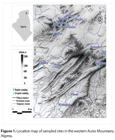
The preference of the different life stages of N. tenuis to different life stages of P. absoluta is presented in Figure 1. Chesson's preference index showed clear stage-specific feeding preferences of N. tenuis on P. absoluta. Across the different life stages, preference index values varied among N. tenuis life stages, with values higher than the neutral line revealing positive selection and values below showing avoidance. The preference for the earlier life stages of P. absoluta was shown by N. tenuis, whereas there was a lower preference for the more developed stages, recording zero in the 4th instar larval stage of P. absoluta (Figure 1). The variation among N. tenuis life stages indicates an ontogenetic shift in P. absoluta selection.
Functional response of N. tenuis
Polynomial logistic regression of the proportion of prey consumed as a function of initial prey density indicated a type III functional response for both adult female and 5th instar nymphs of N. tenuis feeding on the eggs and 1st instar larva of P. absoluta (Table 3). The linear coefficient was significantly positive in all the predator-prey combinations, while the quadratic coefficient was significantly negative (p < 0.001) (Table 3), a pattern characteristic of a sigmoidal (type III) functional response. A low predation rate was observed in low prey densities and vice versa. Based on logistic regression results, the functional response parameters were estimated for each predator life stage and prey stage combination using Hassell's Type III model without prey replacement.
Prey consumption increased with prey density and reached an asymptote in all predator and prey combinations (Figure 2). Adult female N. tenuis showed higher consumption rates than 5th instar nymphs for both the egg and 1st instar larval stages of P. absoluta, especially at moderate to high prey densities.
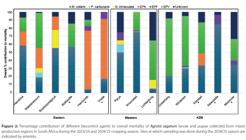
The consumption of the 1st instar larval stage of P. absoluta was slightly higher than egg consumption across N. tenuis life stages. The shaded confidence intervals around the fitted curves were narrow, revealing less overlap between N. tenuis life stages at higher prey densities. Therefore, these results show that the predation capacity of N. tenuis depends on its life stages.
Functional response analysis indicated a clear variation in the attack rate and handling time between the different life stages of N. tenuis and P. absoluta life stages (Figure 2). Attack rates differed between both N. tenuis and P. absoluta life stages. Adult female N. tenuis showed higher attack rates when feeding on P. absoluta eggs and the 1st instar larva as compared to the 5th nymphal stage. Adult N. tenuis females showed higher attack rates on the egg stage of P. absoluta (0.021 h-1) as compared to the 5th nymphal stage (0.019 h-1). Similarly, the attack rate of the female adult was higher on the 1st instar larva stage of P. absoluta (0.025 h-1) relative to the 5th nymphal stage (0.015 h-1). Also, among all the N. tenuis life stages, the attack rates were higher on the 1st instar larva stage compared to the egg stage of P. absoluta (Figure 3). However, confidence intervals overlapped between prey stages within predator groups, indicating moderate variability in the attack rates (Figure 3). Handling time varied between both N. tenuis and P. absoluta life stages. The handling time of the 5th nymphal stage of N. tenuis was slightly higher when feeding on the 1st instar larva of P. absoluta (0.030 h) than for the egg stage (0.029 h). In contrast, adult female N. tenuis showed lower handling times when feeding on the 1st instar of P. absoluta (0.024 h) relative to the egg stage (0.03 h) (Figure 3). However, the confidence intervals overlapped between P. absoluta stages within N. tenuis life stages, indicating a moderate difference in their handling times (Figure 3).
Adult females and the 5th nymphal stage of N. tenuis exhibited a preference for feeding on P. absoluta eggs and 1st instar larval stages (Figure 4). The Chesson's preference index shows a slight variation between predator and prey life stages. The adult female and 5th nymphal stages feeding on P. absoluta eggs and 1st instar larval stages recorded a preference index closer to the neutral preference line (α = 0.5), indicating no strong preference for either life stage of P. absoluta. However, the preference index recorded in both adult female and 5th nymphal stages of N. tenius was higher in the egg stages of P. absoluta as compared to the 1st instar larval stage (Figure 4). The confidence interval of adult female N. tenuis overlapped with the neutral line, showing no statistical difference in their preference to P. absoluta life stages (Figure 4). These results indicate ontogenetic differences in prey selection and are consistent with functional response analyses showing higher predation efficiency on the egg stages of P. absoluta.
DISCUSSION
A crucial factor in limiting the growth and invasion of an exotic pest is the efficiency of local natural enemies in controlling its population (Naselli et al. 2016). One such natural enemy is N. tenuis whose population density in tomato fields or greenhouses depends on agricultural practices, prey availability, and pest control. In open-field environments, populations are typically low and fluctuate with the availability of prey, such as eggs and larvae of pests, beginning at a few individuals per plant during the early crop stages and increasing as pest populations grow. Greenhouses have consistent temperatures and abundant host plants, making predator populations more stable and often higher, especially when introduced for biological control (Calvo et al. 2012). Effective greenhouse biological control methods can reduce pest populations like tomato leaf miners and whiteflies with dose concentrations of 0.5 N. tenuis per plant, with E. kuehniella eggs as an alternative prey (Urbaneja et al. 2012). Nesidiocoris tenuis is zoophytophagous and may perforate plant tissues when food is scarce; hence, high population density numbers of the agent may lead to increased plant damage (Sánchez 2009). Thus, pest control in field and greenhouse tomato production requires monitoring and releasing predator populations to maintain equilibrium.
The determination of the quantity of prey killed by predators is essential for assessing the impact of predators on prey population dynamics (Messina & Sorenson 2001). The feeding potential of N. tenuis in the current study was observed only on eggs, 1st, 2nd and 3rd instar larvae of P. absoluta. Additionally, adult and the 5th nymphal stage exhibited great preference to the eggs of P. absoluta. The current research findings reaffirms the earlier observations made by Ettaib et al. (2016), Sireesha et al. (2018) and Dhanapal et al. (2021), who discovered that N. tenuis adults and nymphs consumed P. absoluta larvae in all stages, with the exception of the 4th instar larva and pupa. It was also observed that as the predator grows in size, it devours more prey and that the size of the prey affects how quickly the predator will consume its prey (Urbaneja et al. 2010).
In terms of its efficient use as a biocontrol agent, N. tenuis adult and 5th nymphal stage preference for P. absoluta eggs is considered advantageous due to their capacity to provide adequate pest suppression at the egg stage of the pest, which is a non-feeding stage, and prevents their further development and population build-up into the active feeding stages. This observation may be linked to various factors, including the immobile nature of the eggs and the propensity of the mirid bug to consume smaller developmental stages.
The functional response is an important indicator of a predator's potential efficacy against a particular prey since it depicts the relationship between the predator's rate of consumption and the density of its prey (Gavkare et al. 2017). In the present study, laboratory experiments showed that N. tenuis exhibited a type III functional response. The number of P. absoluta eggs and 1st instar larva eaten by N. tenuis increased with increasing prey density. A type III functional response indicates a low-density natural refuge for prey, as predation rates decline when prey availability is limited, often due to decreased encounter rates, prey switching, or limits related to predator learning. This density-dependent phenomenon enables a proportion of the prey population to evade predation, hence diminishing the risk of extinction at low densities. As prey abundance escalates, predation pressure intensifies swiftly, augmenting control, whereas it diminishes as prey populations wane. As a result, prey populations are maintained at low levels instead of being eradicated, fostering stable predator-prey interactions and facilitating sustained biological control (Holling 1959; Murdoch & Oaten 1975; Hassell 2000).
A study by Michaelides et al. (2017) on the impacts of two generalist predators preying on P. absoluta eggs, showed that N. tenuis and Macrolophus pygmaeus (Rambur) (Hemiptera: Miridae) displayed a type III functional response. The results of the present study also confirm this pattern, as N. tenuis exhibited a type III functional response similar to that reported. Two predatory mirid bugs Macrolophus caliginosus Wagner (Heteroptera: Miridae) and N. tenuis that were found to be effective against P. absoluta showed a type III functional response when they preyed on Trialeurodes vaporariorum (Westwood) (Hemiptera: Alerodidae) in an experiment carried out in the laboratory to determine their predatory potential (Enkegaard et al. 2001; Hamdan 2006; Madbouni et al. 2017). According to Queiroz et al. (2015), when Amphiareus constrictus (Stal) (Hemiptera: Anthocoridae) and Blaptostethus pallescens (Poppius) (Hemiptera: Anthocoridae) preyed on different densities of P. absoluta eggs, they displayed a type III functional response. Enkegaard et al. (2001) discovered that when the predator M. pygmaeus fed on different densities of T. vaporariorum 1st instar nymphs, it exhibited a type III functional response. Predators exhibiting a Type III functional response can effectively regulate pest populations in the field and green house at moderate to high concentrations, rendering them valuable as biological control agents (Michaelides et al. 2017; Kalinkat et al. 2023). The efficacy of the management depends on operational parameters like the timing and frequency of releases, the quality and number of parasitoids or predators, and meteorological occurrences (Fernández-Arhex & Corley 2003).
The findings of the present study reveal that the adult female of N. tenuis demonstrated a reduced attack rate of 0.021 hr-1 when preying on P. absoluta eggs, in contrast to an attack rate of 0.025 h-1 on 1st instar larva. This indicates that eggs were comparatively more challenging for the predator to perceive, especially at low densities, perhaps due to their tiny size, immobility, and reduced visibility on the leaf surface. At low egg densities, the predator seemed to underutilise eggs and instead prioritised 1st instar larva, which may be more easily detectable due to minimal movement or feeding activity on the leaf tissue. As egg concentrations increased, predation on eggs escalated, possibly indicating behavioural adaptation and enhanced foraging efficiency by the predator. This pattern exemplifies a type III functional response, wherein predators demonstrate learning behaviour, prey switching, or enhanced searching efficiency as prey density increases. The predator may initially need time to identify eggs as a viable food source; however, as egg density rises, it modifies its foraging technique and escalates egg intake.
This study demonstrated that N. tenuis exhibited a higher overall predation rate on P. absoluta eggs, perhaps due to the reduced handling time involved in egg ingestion. Eggs typically necessitate less time to capture and ingest than larval stages, enabling the predator to feed on more prey within the same timeframe. Thus, while eggs may initially be more challenging to identify, once discovered, they constitute an effective and lucrative food supply for the predator, resulting in heightened predation at elevated egg density.
It has been observed that predators with longer handling time cause the functional response to "saturate" more quickly (Kisdi & Liu 2006). Nesidiocoris tenuis was found to be a more competitive predator than M. pygmaeus for P. absoluta eggs in an experiment carried out to test the multiple predatory response of two predators. This was due to its shorter handling time and saturation levels at larger prey densities (Michaelides et al. 2017).
The handling time for N. tenuis life stages varied a little depending on the stage of the prey that was being handled. The 5th nymphal stage took a bit longer to handle the 1st instar larva of P. absoluta than the eggs. This suggests that juvenile predators may take a longer time to prey on larval instars. On the other hand, adult female N. tenuis handled 1st instar larva better than eggs. This could mean that they were better at preying, have greater experience, morphologically well developed, and have high feeding capacity (Urbaneja et al. 2012; Biondi et al. 2013). The overlap of confidence intervals between prey stages within each predator life stage indicates that these differences were minor and not notably evident, suggesting that both eggs and early instar larvae of P. absoluta are similarly exploitable prey for N. tenuis (Murdoch & Oaten 1975). The present study revealed that the attack rate and handling time of N. tenuis varied depending on the stage of the predator and prey. This information is crucial for exploiting the full potential of N. tenuis alongside other candidate biological control agents as integral part of developing country-specific IPM strategy for P. absoluta in tomato cropping systems in Ghana. However, feeding during the acclimation period on P. absoluta and E. kuehniella eggs may have affected the observed prey preferences of N. tenuis due to consumer learning, indicating a possible experimental artefact. Generalist predators can develop search images, whereby repeated exposure improves prey detection, attack efficiency and handling success, regardless of inherent preference (Holling 1959; Murdoch & Oaten 1975). Adult females with prior experience may, exhibit improved foraging efficiency and develop a bias toward egg prey in subsequent feeding trials consistent with principles of optimal foraging theory (Stephens & Krebs 1986). Learning-induced changes in prey selection and functional responses in other mirid predators demonstrate the need of integrating learning effects in laboratory predation research (Schenk & Bacher 2002; Jaworski et al. 2013).
The predictive power of determining functional responses in the laboratory with a single prey species and basic settings may be restricted when predicting predator behaviour in the field or in a greenhouse. Arthropod predators face complicated surroundings and a variety of prey circumstances in the wild or in greenhouse conditions (Mahdian et al. 2007). Furthermore, if prey is few or nonexistent, N. tenuis's feeding habit on tomato plants may cause serious damage (Arnó et al. 2010; Castañé et al. 2011). When the prey density is low, it will lead to the enhanced search ability of the predator. In this context, these dynamics highlight the importance of well-timed releases and predator-prey balance, underscoring the role of augmentative biological control as an environmentally sustainable approach for managing pests, particularly invasive species such as the fall armyworm in Ghana. Consistent with this approach, the findings of the present study show that N. tenuis exhibits effective predation on the vulnerable stages of P. absoluta, supporting its potential use as a candidate predator for augmentative biological control in tomato agroecosystems. A study on the augmentative control of fall armyworm using Telenomus remus (Nixon) (Hymenoptera: Scelionidae) indicated that this natural enemy parasitises egg masses in maize farming systems under natural conditions (Agboyi et al. 2021). The diversity of parasitoids and predators in Ghana, with species including T. remus, Trichogramma spp., Chelonus bifoveolatus (Szépligeti) (Braconidae: Hymenoptera), Coccygidium luteum (Brullé) (Hymenoptera: Braconidae), Rhynocoris segmentarius (Germar) (Hemiptera: Reduviidae), Zelus obscuridorsis (Stâl) (Hemiptera: Reduviidae), Necremnus spp., N. tenuis and M. pygmaeus, establishes a robust ecological basis for augmentative biological control and facilitates their integration with cultural and selective chemical methods to preserve natural enemy populations (Mansour et al. 2019; CABI 2020; Idemudia et al. 2024). A study conducted to determine the insect diversity and abundance of tomato accessions in Ghana reported that, ladybird beetles, lacewings, spiders, predatory ants, and parasitoids such as Trichogramma spp. found in tomato fields help to suppress pests such as aphids, whiteflies, and several lepidopteran pests (Ofori et al. 2014). Nesidiocoris tenuis can synergistically interact with these natural enemies by preying on pest eggs and early instars that evade parasitism; however, competition with other predators may arise under conditions of low prey availability (Calvo et al. 2012; Messelink et al. 2014).
Poorly coordinated augmentative or conservation measures may hinder early pest suppression due to intraguild predation and competition (Sylla et al. 2017; Kinyanjui 2021). Nesidiocoris tenuis prey effectively on early developmental stages of P. absoluta but may also consume alternative prey and plant tissues, influencing crop performance and interactions with other natural enemies (Desneux et al. 2010; Mirhosseini et al. 2019). Laboratory experiments cannot completely replicate the intricate dynamics in the field resulting from environmental variability, diversity of prey, and competing natural adversaries (Sylla et al. 2017). Consequently, a representative multi-site greenhouse and field investigations throughout the major tomato growing regions and agroecological zones in Ghana are essential to further evaluate and understand predator-prey dynamics, intraguild interactions, predator learning, plant-feeding behaviour, and the ecological compatibility and significance of local species (Mirhosseini et al. 2019). Site-specific experiments will optimise predator release densities, timing, and complementary crop management approaches, thereby resulting in lower pesticide usage and fostering sustainable tomato production under the umbrella of IPM in Ghana (Sylla et al. 2017; Kinyanjui et al. 2021; Tham-Agyekum et al. 2025).
CONCLUSION
This study has demonstrated that N. tenuis is an effective life stage-dependent predator of P. absoluta, with adult females and 5th-instar nymphs preying most on eggs and 1st instar larva and stabilising type III responses. Predation by N. tenuis was reduced in the late larval instars of the prey indicating that N. tenuis can be used as a biological control agent for the eggs, especially during the peak laying period of P. absoluta and early instar larvae. For effective and sustainable field releases of the predator, one must consider other potential biocontrol agents (T. remus, C. bifoveolatus, C. luteum, R. segmentarius, Z. obscuridorsis, N. tenuis and M. pygmaeus) that have preference for the adult and late nymphal stages of P. absoluta in combination with other IPM methods such as surveillance, botanical pesticides, and cultural practices for sustainable pest management.
RECOMMENDATIONSFollow up greenhouse and field studies at different agroecological zones or locations within the country are needed to confirm these laboratory findings, evaluate prey relationships, study predator learning and plant-feeding behaviour and predator preference towards the target pest among other prey species.
AUTHOR'S CONTRIBUTIONS
All authors designed the research methodology, read and approved the manuscript. Hannah Serwaa Nuamah conducted the laboratory experiment, analysed some part of the data and wrote the manuscript. Maxwell Kelvin Billah, Ken Okwae Fening, and Lakpo Koku B. A. Agboyi offered insight into data analysis, presentation, and read the manuscript as Supervisors. Clinton Gyabeng analysed some part of the data and read the manuscript.
ORCID IDSHannah S. Nuamah: https://orcid.org/0000-0001-5233-7156
Maxwell K. Billah: https://orcid.org/0000-0002-8832-0708
Lakpo Koku B. A. Agboyi: https://orcid.org/0000-0002-2400-6402
Clinton Gyabeng: https://orcid.org/0009-0004-4148-5013
Ken O. Fening: https://orcid.org/0000-0002-5062-9232
ACKNOWLEDGEMENTS
The authors thank Carnegie Corperation, Building a New Generation of Academics in Africa (BANGA-Africa) Project II and Centre for Agriculture and Biosciences International (CABI)'s Plantwise Plus programme.
REFERENCES
- Agboyi LK, Layodé BFR, Fening KO, Beseh P, Clottey VA, Day R, Kenis M, Babendreier D. 2021. Assessing the potential of inoculative field releases of Telenomus remus to control Spodoptera frugiperda in Ghana. Insects. 12(8): 665. https://doi.org/10.3390/insects12080665.
- Anusha N, Vaddi S, Venkatasamy B, Marimuthu M, Johnson TYS, Satyamoorthy K, Kavitha M. 2025. Predation potential and growth of Nesidiocoris tenuis (Reuter) on Phthorimaea absoluta (Meyrick). Indian Journal of Entomology. 88(1): 207-210. https://doi.org/10.55446/IJE.2025.2276.
- Arnó J, Castañé C, Riudavets J, Gabarra R. 2010. Risk of damage to tomato crops by the generalist zoophytophagous predator Nesidiocoris tenuis (Reuter) (Hemiptera: Miridae). Bulletin of Entomological Research. 100(1): 105-115. https://doi.org/10.1017/S0007485309006841.
- Biondi A, Desneux N, Siscaro G, Zappalà L. 2012. Using organic-certified rather than synthetic pesticides may enhance biological control of tomato pests: selectivity and side effects of 14 pesticides on the predator Orius laevigatus. Chemosphere. 87(7): 803-812. https://doi.org/10.1016/j.chemosphere.2011.12.082.
- CABI (Centre for Agriculture and Biosciences International). 2020. Action on Invasives Report. Wallingford: CABI. Available at https://www.cabi.org/wp-content/uploads/Action-on-Invasives-Annual-Report-2020_PUBLIC.pdf [accessed 21 May 2026].
- Calvo FJ, Lorente MJ, Stansly PA, Belda JE. 2012. Preplant release of Nesidicoris tenuis and supplementary tactics for control of Tuta absoluta and Bemisia tabaci in greenhouse tomato. Entomología Experimentalis et Applicata. 143: 111-119. https://doi.org/10.1111/j.1570-7458.2012.01238.x.
- Campos MR, Rodrigues ARS, Silva WM, Silva TBM, Silva VRF, Guedes RNC, Siqueira HAA. 2014. Spinosad and the tomato borer Tuta absoluta: A bioinsecticide, an invasive pest threat, and high insecticide resistance. PLoS ONE. 9: 8. https://doi.org/10.1371/journal.pone.0103235.
- Castañé C, Arnó J, Gabarra R, Alomar O. 2011. Plant damage to vegetable crops by zoophytophagous mirid predators. Biological Control. 59: 22-29. https://doi.org/10.1016/j.biocontrol.2011.03.007.
- Chailleux S, Biondi A, Han P, Tabone E. 2013. Suitability of the pest-plant system Tuta absoluta (Lepidoptera: Gelechiidae) - Tomato for Trichogramma (Hymenoptera: Trichogrammatidae) parasitoids and insights for biological control. Journal of Economic Entomology. 106(6): 10-21. https://doi.org/10.1603/ec13092.
- Chesson J. 1983. The estimation and analysis of preference and its relationship to foraging models. Ecology. 64: 1297-1304. https://doi.org/10.2307/1937838.
- Chinchilla-Ramirez M, Garzo E, Fereres A, Gavara VJ, ten Broeke CJM, van Loon JJA, Urbaneja A, Pérez-Hedo M. 2020. Plant feeding by Nesidiocoris tenuis: Quantifying its behavioral and mechanical components. Biological Control. 152: 104402. https://doi.org/10.1016/j.biocontrol.2020.104402.
- De Puysseleyr V, De Man S, Höfte M, De Clercq P. 2013, Plantless rearing of the zoophytophagous bug Nesidiocoris tenuis. BioControl. 58(2): 205-213. https://doi.org/10.1007/s10526-012-9486-7.
- Desneux N, Decourtye A, Delpuech J. 2007. The sublethal effects of pesticides on beneficial arthropods. Annual Review of Entomology. 52: 81-106. https://doi.org/10.1146/annurev.ento.52.110405.091440.
- Desneux N, Wajnberg E, Wyckhuys KAG, Burgio G, Arpaia S, Narvaez-Vasquez CA, Urbaneja A. 2010. Biological invasion of European tomato crops by Tuta absoluta: Ecology, geographic expansion and prospects for biological control. Journal of Pest Science. 83(3): 197-215. https://doi.org/10.1007/s10340-010-0321-x.
- Devi PK, Yadav DN, Jha A. 2002. Role of Nesidiocoris tenuis Reuter (Hemiptera: Miridae) in natural suppression of tomato fruit borer, Helicoverpa armígera (Hübner) (Lepidoptera: Noctuidae). Pest Management in Horticulture Ecosystems. 8(2): 109-113.
- Dhanapal R, Singh RN, Raghuraman M, Mohan M, Subaharan K, Hemavathi M. 2021. Evaluation of predatory potential and prey stage preference of mirid bug, Nesidiocoris tenuis on tomato pinworm, Tuta absoluta. Biologia. 76(10): 2965-2971. https://doi.org/10.1007/s11756-021-00786-x.
- Enkegaard A, Bradsgaard HF, Hansen DL. 2001. Macrolophus caliginosus: Functional response to whiteflies and preference and switching capacity between whiteflies and spider mites. Entomología Experimentalis et Applicata. 101: 81-88. https://doi.org/10.1046/j.1570-7458.2001.00893.x.
- Esparza-Diaz G,Villanueva RT, Badillo-Vargas IE. 2024. A novel interaction of Nesidiocoris tenuis (Hemiptera: Miridae) as a biological control agent of Bactericera cockerelli (Hemiptera: Triozidae) in Potato. Insects. 15(4): 261. https://doi.org/10.3390/insects15040261.
- Ettaib R, Belkadhi MS, Ben Belgacem A. 2016. Study of the biotic potential of indigenous predator Nesidiocoris tenuis on Tuta absoluta pest of geothermal culture in the south of Tunisia. Journal of Entomology and Zoology Studies. 4(6): 692-695.
- Farhadi R, Allahyari H, Juliano S. 2010. Functional response of larval and adult stages of Hippodamia variegata (Coleoptera: Coccinellidae) to different densities of Aphis fabae (Hemiptera: Aphididae). Environmental and Experimental Biology. 39(5): 1586-1592. https://doi.org/10.1603/EN09285.
- Fernández-arhex V, Corley JC. 2003. The functional responseof parasitoids and its implications for biological control. Biocontrol Science and Technology. 13(4): 403-441. https://doi.org/0958315031000104523.
- Gavkare O, Sharma PL, Sánchez JA, Shah MA. 2017. Functional response of Nesidiocoris tenuis (Hemiptera: Miridae) to the two-spotted spider mite, Tetranychus urticae. Biocontrol Science and Technology. 27(9): 1118-1122. https://doi.org/10.1080/09583157.2017.1385054.
- Genç H. 2016. The tomato leafminer, Tuta absoluta (Meyrick) (Lepidoptera: Gelechiidae): pupal key characters for sexing individuals. Turkish Journal of Zoology. 40: 801-805. https://doi.org/10.3906/zoo-1510-59.
- Hamdan AJS. 2006. Functional and numerical responses of the predatory bug Macrolophys caliginosus Wagner fed on different densities of eggs of the greenhouse whitefly, Trialeurodes vaporariorum (Westwood). Journal of Biological Research. 00 (00): 1-8.
- Hassanpour M, Bagheri M, Golizadeh A, Farrokhi S. 2016. Functional response of Nesidiocoris tenuis (Hemiptera: Miridae) to Trialeurodes vaporariorum (Hemiptera: Aleyrodidae): effect of different host plants. Biocontrol Science and Technology. 26(111): 489-503. https://doi.org/10.1080/09583157.2016.1216521.
- Hassell MP. 2000. The spatial and temporal dynamics of host-parasitoid intereactions. Oxford University Press. https://doi.org/10.1093/oso/9780198540892.001.0001.
- Holling CS. 1959. Some characteristics of simple types of predation and parasitism. The Canadian Entomologist. XCI(7): 385-398. https://doi.org/10.4039/Ent91385-7.
- Holling CS. 1965. Functional response of predators to prey density and its role in mimicry and population regulation. Memoirs of the Entomological Society of Canada. 97(5): 60. https://doi.org/10.4039/entm9745fv.
- Idemudia I, Fening KO, Agboyi LK, Wilson D, Clottey VA, Beseh P, Aigbedion-Atalor PO. 2024. First report of the predatory potential and functional response of the red flower assassin bug Rhynocoris segmentarius (Germar), a natural enemy of Spodoptera frugiperda (J.E. Smith). Biological Control. 191: 105465. https://doi.org/10.1016/j.biocontrol.2024.105465.
- Juliano S. 2001. Nonlinear curve fitting: predation and functional response curves. In: Cheiner SM, Gurven J (editors), Design and Analysis of Ecological Experiments, 2nd Edition. London: Chapman and Hall.
- Kalinkat G, Rall BC, Uiterwaal SF, Uszko W. 2023. Empirical evidence of type III functional responses and why it remains rare. Frontiers in Ecology and Evolution. 11: 1033818. https://doi.org/10.3389/fevo.2023.1033818.
- Kisdi É, Liu S. 2006. Evolution of handling time can destroy the coexistence of cycling predators. Journal of Evolutionary Biology. 19: 49-58. https://doi.org/10.1111/j.1420-9101.2005.00993.x.
- Kinyanjui G, Khamis FM, Ombura FLO, Kenya EU, Ekesi S, Mohamed SA. 2021. Distribution, abundance and natural enemies of the invasive tomato leafminer, Tuta absoluta (Meyrick) in Kenya. Bulletin of Entomological Research. 111(6): 658-673. https://doi.org/10.1017/S0007485321000304.
- Krechemer FS, Foerster LA. 2017. Development, reproduction, survival, and demographic patterns of Tuta absoluta (Meyrick) (Lepidoptera: Gelechiidae) on different commercial tomato cultivars. Neotropical Entomology. 46(6): 694-700. https://doi.org/10.1007/s13744-017-0511-5.
- Legwaila M. 2025. Knowledge, perceptions and management practices for Tuta absoluta (Lepidoptera: Gelechiidae) on tomato in Botswana. Acta Entomology and Zoology. 6(7): 16. https://doi.org/10.33545/27080013.2025.v6.i1a.183.
- Lietti MMM, Botto E, Alzogaray RA. 2005. Insecticide resistance in Argentine populations of Tuta absoluta (Meyrick) (Lepidoptera: Gelechiidae). Neotropical Entomology. 32(1): 113-119. https://doi.org/10.1590/S1519-566X2005000100016.
- Madbouni ZMA, Namvar MAP, Biondi A. 2017. Temperature-dependent functional response of Nesidiocoris tenuis (Hemiptera: Miridae) to different densities of pupae of cotton whitefly, Bemisia tabaci (Hemiptera: Aleyrodidae). European Journal of Entomology. 114: 325-331. https://doi.org/10.14411/eje.2017.040.
- Mahdian K, Tirry L, De Clercq P. 2007. Functional response of Picromerus bidens: Effects of host plant. Journal of Applied Entomology. 131(3):160-164. https://doi.org/10.1111/j.1439-0418.2006.01124.x.
- Mansour R, Cherif A, Attia-Barhoumi S, Zappalà L. 2019. Tuta absoluta in Tunisia: Ten years of invasion and pest management. Phytoparasitica. 47: 461-474. https://doi.org/10.1007/s12600-019-00748-9.
- Messelink GJ, Bennison J, Alomar O, Ingegno BL, Tavella L, Shipp L, Palevsky E, Wäckers FL. 2014. Approaches to conserving natural enemy populations in greenhouse crops: current methods and future prospects. BioControl. 59: 377-393. https://doi.org/10.1007/s10526-014-9579-6.
- Messina FJ, Sorenson SM. 2001. Effectiveness of lacewing larvae in reducing Russian wheat aphid populations on susceptible and resistant wheat. Biological Control. 21: 19-26. https://doi.org/10.1006/bcon.2000.0914.
- Michaelides G, Sfenthourakis S, Pitsillou M, Seraphides N. 2017. Functional response and multiple predator effects of two generalist predators preying on Tuta absoluta eggs. Pest Management Science. 74: 332-339. https://doi.org/10.1002/ps.4703.
- Mirhosseini MA Fathipour Y, Soufbaf M, Reddy GVP. 2019. Implications of using two natural enemies of Tuta absoluta (Lepidoptera: Gelechiidae) toward tomato yield enhancement, Bulletin of Entomological Research. 109(5): 617-625. https://doi.org/10.1017/S0007485318000998.
- Mollá O, Biondi A, Alonso-Valiente M, Urbaneja A. 2014. A comparative life history study of two mirid bugs preying on Tuta absoluta and Ephestia kuehniella eggs on tomato crops: Implications for biological control. BioControl. 59(2): 175-183. https://doi.org/10.1007/s10526-013-9553-8.
- Murdoch WW, Oaten A. 1975. Predationa and population stability. Advances in Ecological Research. 9: 1-31. https://doi.org/10.1016/S0065-2504(08)60288-3.
- Naselli M, Biondi A, Tropea Garzia G, Desneux N, Russo A, Siscaro G, Zappalà L. 2017. Insights into food webs associated with the South American tomato pinworm. Pest Management Science. 73(7): 1352-1357. https://doi.org/10.1002/ps.4562.
- Naselli M, Urbaneja A, Siscaro G, Jaques JA, Zappalà L, Flors V, Pérez-Hedo M. 2016. Stage-related defense response induction in tomato plants by Nesidiocoris tenuis. International Journal of Molecular Sciences. 17(12): 10-13. https://doi.org/10.3390/ijms17081210.
- Ofori ESK, Yeboah S, Nunoo J, Quartey EK, Torgby-Tetteh W, Gasu EK, Ewusie EA. 2014. Preliminary studies of insect diversity and abundance on twelve accessions of tomato, Solanum lycopersicon L, grown in a coastal savannah agro ecological zone. Journal of Agricultural Science. 6(8): 72-82. https://doi.org/10.5539/jas.v6n8p72.
- Pérez-Hedo M, Urbaneja A. 2016. The zoophytophagous predator Nesidiocoris tenuis: a successful but controversial biocontrol agent in tomato crops. Cham: Springer International Publishing. https://doi.org/10.1007/978-3-319-31800-4.
- Queiroz OS, Ramos RS, Gontijo LM, Picanc MC. 2015. Functional response of three species of predatory pirate bugs attacking eggs of Tuta absoluta (Lepidoptera: Gelechiidae). Environmental Entomology. 44(2): 246-251. https://doi.org/10.1093/ee/nvu026.
- Sánchez JA. 2009. Density thresholds for Nesidiocoris tenuis (Heteroptera: Miridae) in tomato crops. Biocontrol. 51: 493-498. https://doi.org/10.1016/j.biocontrol.2009.09.006.
- Sánchez JA, Gillespie DR, McGregor RR. 2004. Plant preference in relation to life history traits in the zoophytophagous predator Dicyphus hesperus. Entomologia Experimentalis et Applicata. 112(1): 7-19. https://doi.org/10.1111/j.0013-8703.2004.00174.x.
- Schafer CW. 1997. Catalogue of the Heteroptera of the Palaearctic Region. Annals of the Entomological Society of America. 90(2): 272-273. https://doi.org/10.1093/aesa/90.2.272.
- Schenk D, Bacher S. 2002. Functional response of a generalist insect predator to one ofits prey species in the field. Journal ofAnimal Ecology. 71(3): 524-531. https://doi.org/10.1046/j.1365-2656.2002.00620.x.
- Shapiro SS, Wilk MB. 1965. An analysis of variance test for normality (complete samples). Biometrika. 52(3/4): 591-611. https://doi.org/10.1093/biomet/52.3-4.591.
- Sireesha L, Ramesh Babu ET, Koteswara R, Panduranga GS. 2018, Studies on predatory potential of Nesidiocoris tenuis (Reuter) on Tuta absoluta (Meyrick) (Lepidoptera: Gelechiidae). International Journal of Pure & Applied Bioscience. 6(4): 709-711. https://doi.org/10.20546/ijcmas.2020.908.010.
- Stephens DW, Krebs JR (editors). 1986. Foraging Theory. In: Monographs in Behavior and Ecology. Princeton: Princeton University Press.
- Sylla S, Brévault T, Bal AB, Chailleux A, Diatte M, Desneux N, Diarra K. 2017. Rapid spread of the tomato leafminer, Tuta absoluta (Lepidoptera: Gelechiidae), an invasive pest in sub-Saharan Africa. Entomologia Generalis. 36(3): 269-283. https://doi.org/10.1127/entomologia/2017/0504.
- Tarusikirwa VL, Machekano H, Mutamiswa R, Chidawanyika F, Nyamukondiwa C. 2020. Tuta absoluta (Meyrick) (Lepidoptera: Gelechiidae) on the "Offensive" in Africa: Prospects for Integrated Management Initiatives. Insects. 11(11): 764. https://doi.org/10.3390/insects11110764.
- Tham-Agyekum E, Onumah L, Clottey S, Yentetah F, Yeboah H, Asiedu P, Bakang J, Mensah W. 2025. Adoption of integrated pest management in Ghanaian tomato agriculture: what are the key determinants? South African Journal of Agricultural Extension. 53(3): 208-233. https://doi.org/10.17159/2413-3221/2025/v53n3a17758.
- Urbaneja A, González-Cabrera J, Arnó J, Gabarra R. 2012. Prospects for the biological control of Tuta absoluta in tomatoes of the Mediterranean basin. Pest Management Science. 68(9): 1215-1222. https://doi.org/10.1002/ps.3344.
- Urbaneja A, Tapia G, Stansly P. 2005. Influence of host plant and prey availability on developmental time and surviorship of Nesidiocoris tenius (Het.: Miridae). Biocontrol Science and Technology. 15(5): 513-518. https://doi.org/10.1080/0958315050008877.

Accepted: 12 May 2026